Hawk HPS 5.0 Performance Brake Pads vs Power Stop Z26 Street Warrior Brake Pads: Which Performance Brake Pads Is Better?

Hawk HPS 5.0 and Power Stop Z26 target drivers who want more confidence than ordinary replacement pads, but they prioritize different combinations of bite, modulation, heat control, dust, and refinement. This comparison identifies the better match for a daily-driven performance car.

By: Review Streets Research Lab
Updated: June 19, 2026
Approx. 10-12 min read
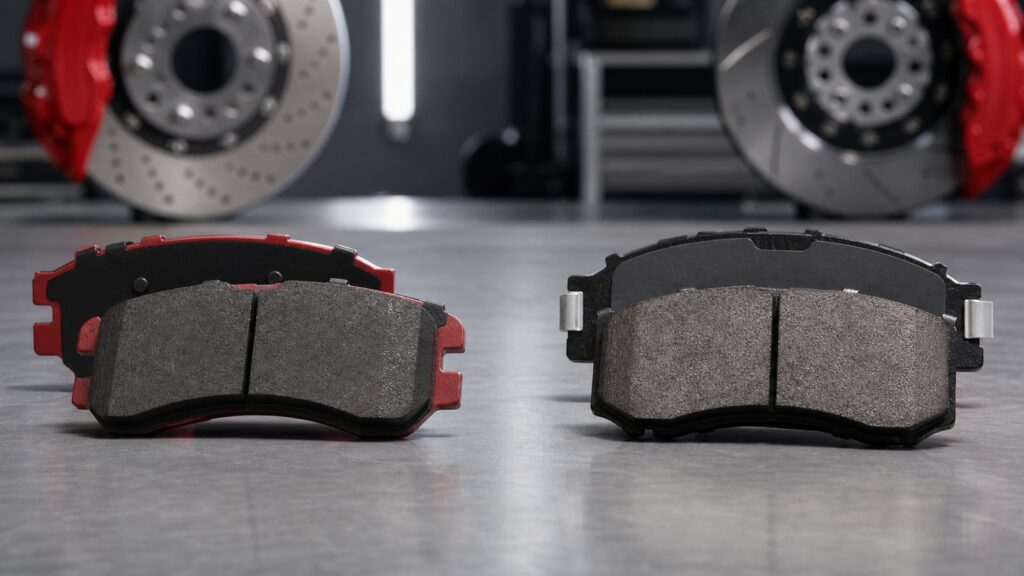
Hawk HPS 5.0 and Power Stop Z26 performance brake pads compared side by side

Head-to-head

Hawk HPS 5.0 Performance Brake Pads vs Power Stop Z26 Street Warrior Brake Pads

A buyer-focused comparison of Hawk HPS 5.0 and Power Stop Z26 across pedal response, repeated-stop confidence, dust, noise, bedding, rotor considerations, fitment, and intended street use.

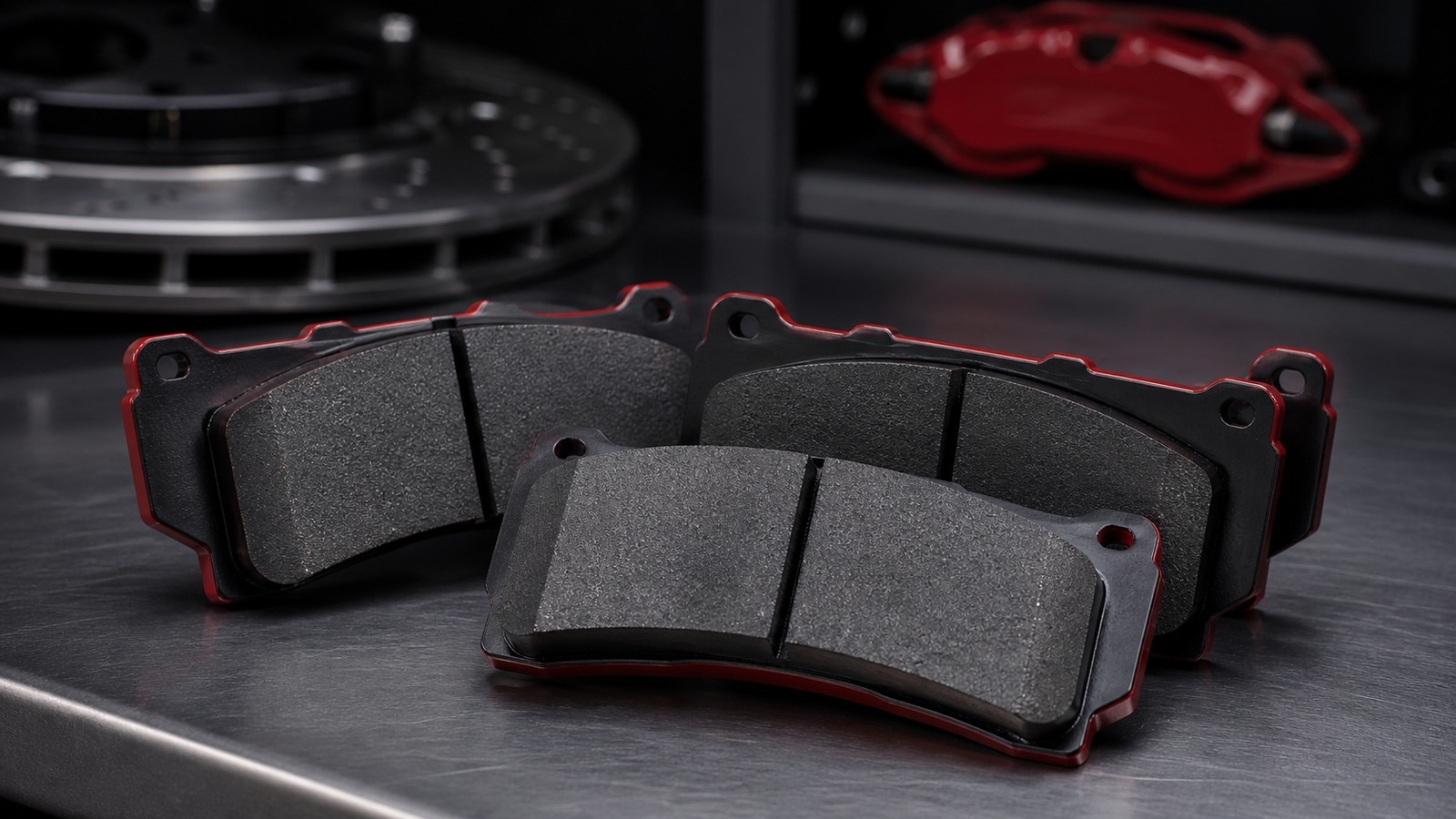
Hawk HPS 5.0 style performance brake pads in a clean studio setting

Hawk HPS 5.0 Performance Brake Pads

Hawk HPS 5.0 favors smooth, progressive response, dependable cold manners, and a street-focused balance between stronger braking feel, noise control, rotor friendliness, and everyday drivability.

Score 8.8 Best for balanced fast street Compound focus progressive response Why buy control + refinement
  • Progressive pedal response is easy to meter in ordinary traffic
  • Street-focused compound balances bite, noise, and rotor wear
  • Strong fit for daily-driven performance cars and weekend back-road use
  • Requires correct bedding and healthy rotors for consistent results
VS
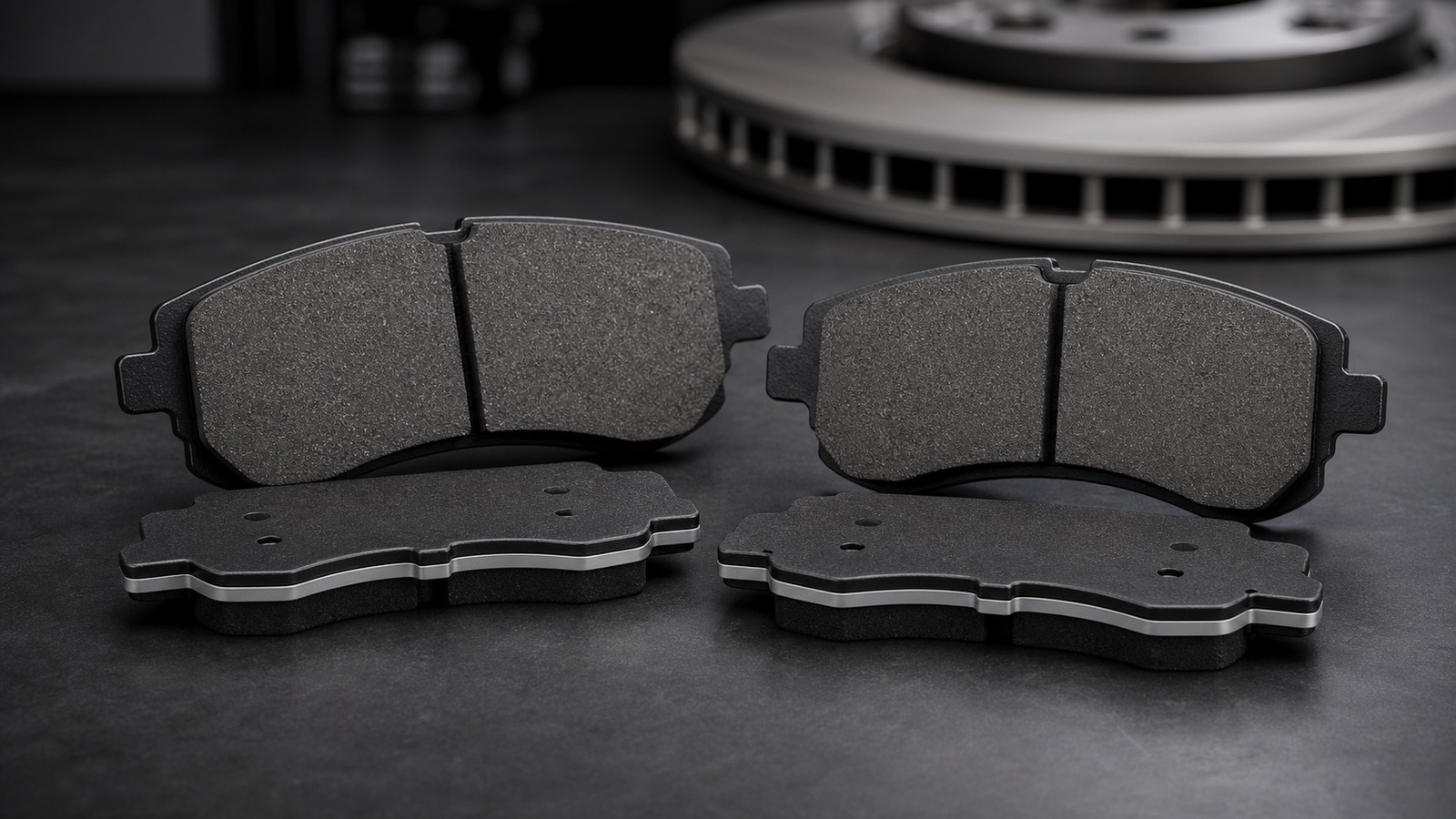
Power Stop Z26 style performance brake pads in a clean studio setting

Power Stop Z26 Street Warrior Brake Pads

Power Stop Z26 uses a carbon-fiber ceramic street formula aimed at performance cars whose owners want upgraded braking manners while keeping wheel dust, noise, installation fuss, and daily commuting behavior under control.

Score 8.6 Best for clean quiet street Compound focus carbon-fiber ceramic Why buy low dust + comfort
  • Low-dust ceramic emphasis helps keep performance wheels cleaner
  • Noise-control hardware supports civil daily-driver behavior
  • Good match for high-horsepower street cars that rarely see track heat
  • Less aggressive pedal character than the hardest-biting alternatives
Initial bite
Progressive street bite
Smooth bite
Hawk HPS 5.0
Heat range
Strong street range
Street-performance range
Hawk HPS 5.0
Dust level
Moderate dust
Low dust
Z26
Noise manners
Street-friendly
Quiet-focused
Z26
Bed-in
Standard bed-in
PowerStop bed-in
Tie
Best use
Fast street
Clean street use
Hawk HPS 5.0
Real-world context
Results vary by vehicle weight, tires, rotor condition, brake fluid, caliper package, and bedding. Use this as a clean street-pad fit guide, then verify exact fitment.

Hawk HPS 5.0 Performance Brake Pads — Why people choose them

  • Progressive pedal response is easy to meter in ordinary traffic
  • Street-focused compound balances bite, noise, and rotor wear
  • Strong fit for daily-driven performance cars and weekend back-road use

Power Stop Z26 Street Warrior Brake Pads — Why people choose them

  • Low-dust ceramic emphasis helps keep performance wheels cleaner
  • Noise-control hardware supports civil daily-driver behavior
  • Good match for high-horsepower street cars that rarely see track heat
Verdict: Choose Hawk HPS 5.0 for the stronger overall match to aggressive performance-street priorities. Choose Power Stop Z26 when its pedal character, refinement, dust behavior, or specific vehicle fitment better matches how the car is actually driven.
Read FAQs

Deep dive

What actually matters in this matchup

Hawk HPS 5.0 and Power Stop Z26 can improve a properly maintained braking system, yet the better choice depends on how the vehicle is driven. Cold response, repeated-stop consistency, dust tolerance, noise expectations, rotor condition, and bedding discipline shape the ownership result.

Initial bite and pedal feel: Hawk HPS 5.0 feels progressive and easy to meter, while Power Stop Z26 is characterized by smooth, moderate performance bite. The practical choice depends on whether the driver wants an assertive first response or a pedal that builds force progressively, especially during traffic, wet roads, and delicate corner-entry braking.

Heat and repeated stops: Hawk HPS 5.0 targets strong street heat range, whereas Power Stop Z26 emphasizes street-performance temperature focus. Drivers who descend grades, tow within vehicle limits, or repeatedly brake from speed should favor the compound whose intended temperature range matches that use, rather than assuming every performance pad tolerates track-level heat.

Dust and wheel care: Hawk HPS 5.0 has moderate performance-pad dust, compared with Power Stop Z26's low-dust priority. Dust does not directly decide stopping quality, but it changes ownership effort and wheel appearance. Buyers with intricate or light-colored wheels may reasonably trade some aggression for easier cleaning and more predictable daily maintenance.

Noise and daily refinement: Hawk HPS 5.0 is generally street-friendly, while Power Stop Z26 is quietness is a core design goal. Shims, rotor finish, lubrication, caliper condition, and bedding can influence squeal as much as compound choice. Daily commuters should weigh refinement heavily; occasional noise may be acceptable on an aggressive street setup.

Bedding and rotor compatibility: Hawk HPS 5.0 requires conventional performance bedding, and Power Stop Z26 calls for use powerstop’s break-in procedure. Mixing compounds on used rotors can create an uneven transfer layer, vibration, or inconsistent response. Follow the manufacturer procedure, inspect rotor thickness and condition, and avoid judging new pads before bedding is complete.

Best use case: Hawk HPS 5.0 and Power Stop Z26 target different street priorities. Choose the former when its bite, modulation, and refinement fit your routine; choose the latter when its heat behavior, dust profile, and response fit better. Vehicle fitment, tires, fluid, and rotor condition remain essential.

Methodology

How we evaluated the matchup

The goal is to compare practical ownership fit, not crown a winner from one isolated claim.

Scope: We compared Hawk HPS 5.0 and Power Stop Z26 as performance street-pad families, not as one universal part number. Exact friction shape, axle availability, hardware, and behavior can vary by vehicle. Conclusions therefore describe manufacturer positioning and common buyer priorities rather than guaranteed results on every application.

What we compared: We evaluated cold response, pedal progression, repeated-stop heat behavior, dust, noise controls, bedding demands, rotor considerations, fitment support, and intended use. We weighted predictable street operation more heavily than isolated maximum-temperature claims because tires, fluid, rotors, calipers, and vehicle mass also shape braking performance.

How results are interpreted: This is a research-based comparison using current manufacturer information, technical positioning, fitment guidance, and established brake-service principles; it is not a claim that we instrument-tested every vehicle. A higher score indicates a stronger fit for the stated buyer, not universally shorter stopping distances.

What buyers should verify: Confirm the exact front or rear part number, vehicle trim, caliper package, included hardware, rotor condition, bedding procedure, warranty terms, and current manufacturer use guidance. Drivers planning track sessions should ask the manufacturer for a dedicated recommendation instead of assuming a street-performance pad is automatically suitable.

FAQ

Hawk HPS 5.0 Performance Brake Pads vs Power Stop Z26 Street Warrior Brake Pads: common questions

Which is better overall, Hawk HPS 5.0 or Power Stop Z26?
Hawk HPS 5.0 earns the overall edge for this article’s performance-street priorities, particularly its balance of response, heat behavior, and intended use. Power Stop Z26 remains the smarter choice when its dust, noise, pedal feel, or ownership advantages better match the vehicle. Verify exact fitment before ordering.
Will either pad shorten stopping distance by itself?
Not necessarily. Tires, road surface, ABS calibration, vehicle weight, rotor condition, brake fluid, and temperature strongly influence stopping distance. A performance pad can improve response and consistency, especially during repeated stops, but buyers should correct worn components and unsuitable tires before expecting a compound change to transform braking.
Are these pads suitable for normal daily driving?
Both target street use, but their personalities differ. Hawk HPS 5.0 favors balanced street performance and predictable modulation; Power Stop Z26 favors clean, quiet street performance in higher-output cars. Consider cold response, dust, noise, and commute conditions, then follow the exact bedding instructions for the chosen vehicle application.
Can these performance pads be used for track days?
Do not assume so. Hawk HPS 5.0 is spirited street use, not a dedicated race pad; Power Stop Z26 is street use; not intended as a dedicated track pad. Track speed, mass, tires, session length, and cooling can exceed street-pad limits. Ask each manufacturer for event-specific guidance before participating.
Do I need new rotors when changing pad compounds?
New rotors are not always mandatory, but the existing surfaces must be within specification, smooth enough for proper contact, and compatible with a fresh transfer layer. Resurfacing rules vary by rotor and vehicle. Measure thickness, inspect heat checking and runout, and follow the pad manufacturer’s preparation guidance.
Why can new performance pads squeal?
Squeal can come from pad vibration, glazing, uneven deposits, missing or incorrect hardware, dry contact points, rotor condition, or an incomplete bedding cycle. Some aggressive compounds are naturally more vocal. Recheck installation and bedding first; persistent noise deserves inspection rather than being dismissed automatically as normal performance-pad behavior.
How important is the bedding procedure?
Bedding establishes a consistent friction transfer layer and brings components through controlled heat cycles. Skipping or interrupting it can cause weak response, uneven deposits, vibration, or noise. Use the instructions supplied for the exact compound, and perform the process only where it is safe and legal.
Should I install the same compound on both axles?
Use the vehicle and manufacturer guidance rather than improvising brake balance. Many applications specify different front and rear shapes, and some compounds are unavailable on one axle. Mixing friction materials can change pedal behavior and stability. Confirm the complete setup with the pad manufacturer or a qualified brake professional.

Key Takeaways

  • Hawk HPS 5.0 takes the overall edge for the performance-street priorities weighted in this comparison.
  • Hawk HPS 5.0 best suits drivers prioritizing balanced street performance and predictable modulation.
  • Power Stop Z26 best suits drivers prioritizing clean, quiet street performance in higher-output cars.
  • Dust and noise are ownership tradeoffs, not direct proof that one pad always stops shorter.
  • Exact vehicle fitment, rotor condition, hardware, and bedding can matter as much as compound choice.
  • Choose Hawk HPS 5.0 for the stated use case, but select Power Stop Z26 when its different street manners better fit the car.

Verdict

Hawk HPS 5.0 Wins This Performance-Street Matchup

Choose Hawk HPS 5.0 for the stronger overall match to aggressive performance-street priorities. Choose Power Stop Z26 when its pedal character, refinement, dust behavior, or specific vehicle fitment better matches how the car is actually driven.

#1 Winner

Hawk HPS 5.0 Performance Brake Pads

Hawk HPS 5.0 favors smooth, progressive response, dependable cold manners, and a street-focused balance between stronger braking feel, noise control, rotor friendliness, and everyday drivability.

  • Progressive pedal response is easy to meter in ordinary traffic
  • Street-focused compound balances bite, noise, and rotor wear
  • Strong fit for daily-driven performance cars and weekend back-road use

Power Stop Z26: Better for a Different Street Priority

Jump to the Head-to-Head

Tip: Confirm the exact axle, caliper package, rotor condition, and manufacturer bedding instructions before ordering or installing any performance pad.

Where to Buy

These buttons use the requested official manufacturer destinations. Verify the exact front or rear part number with the manufacturer’s fitment tool before ordering.

Fitment and availability vary by vehicle. Manufacturer links do not affect the editorial verdict.

Accessories You’ll Want

  • Quality blank or performance street rotors (provide a sound friction surface when existing rotors are worn, heat-checked, or below specification)
  • Vehicle-specific brake hardware kit (replaces tired clips and abutment hardware that can contribute to drag, uneven wear, or noise)
  • High-temperature brake lubricant (protects approved contact points without contaminating friction surfaces or rubber components)
  • Fresh manufacturer-approved brake fluid (supports consistent pedal feel when old fluid has absorbed moisture or the car sees repeated hard stops)
  • Brake cleaner and accurate measuring tools (help prepare surfaces and verify rotor thickness, pad wear, and basic service condition)

Tip: Confirm every pad, rotor, sensor, fluid, and hardware component against the exact vehicle year, trim, axle, and caliper before installation.