High stroke length and low stroke length reciprocating saws deliver different cutting behavior in real-world use, affecting speed, control, and efficiency depending on material, precision needs, and working conditions.

Reviews You Can Trust
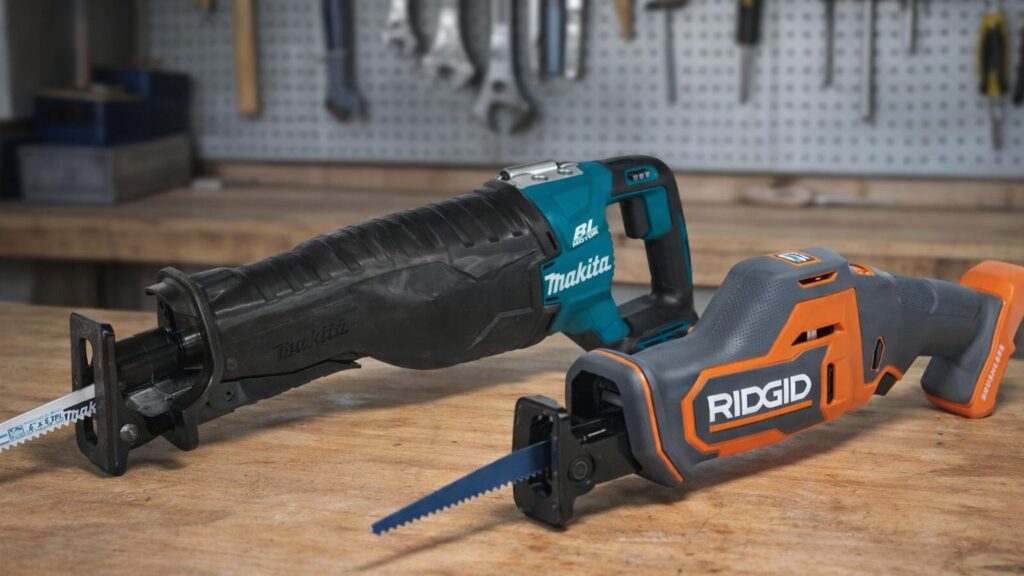
Head-to-head
High Stroke Length vs Low Stroke Length Reciprocating Saws: Key Differences Explained
A clean A/B view of what matters in real cutting work: removal speed, control in awkward positions, smoothness through different materials, fatigue over longer sessions, and which stroke profile better fits the job.
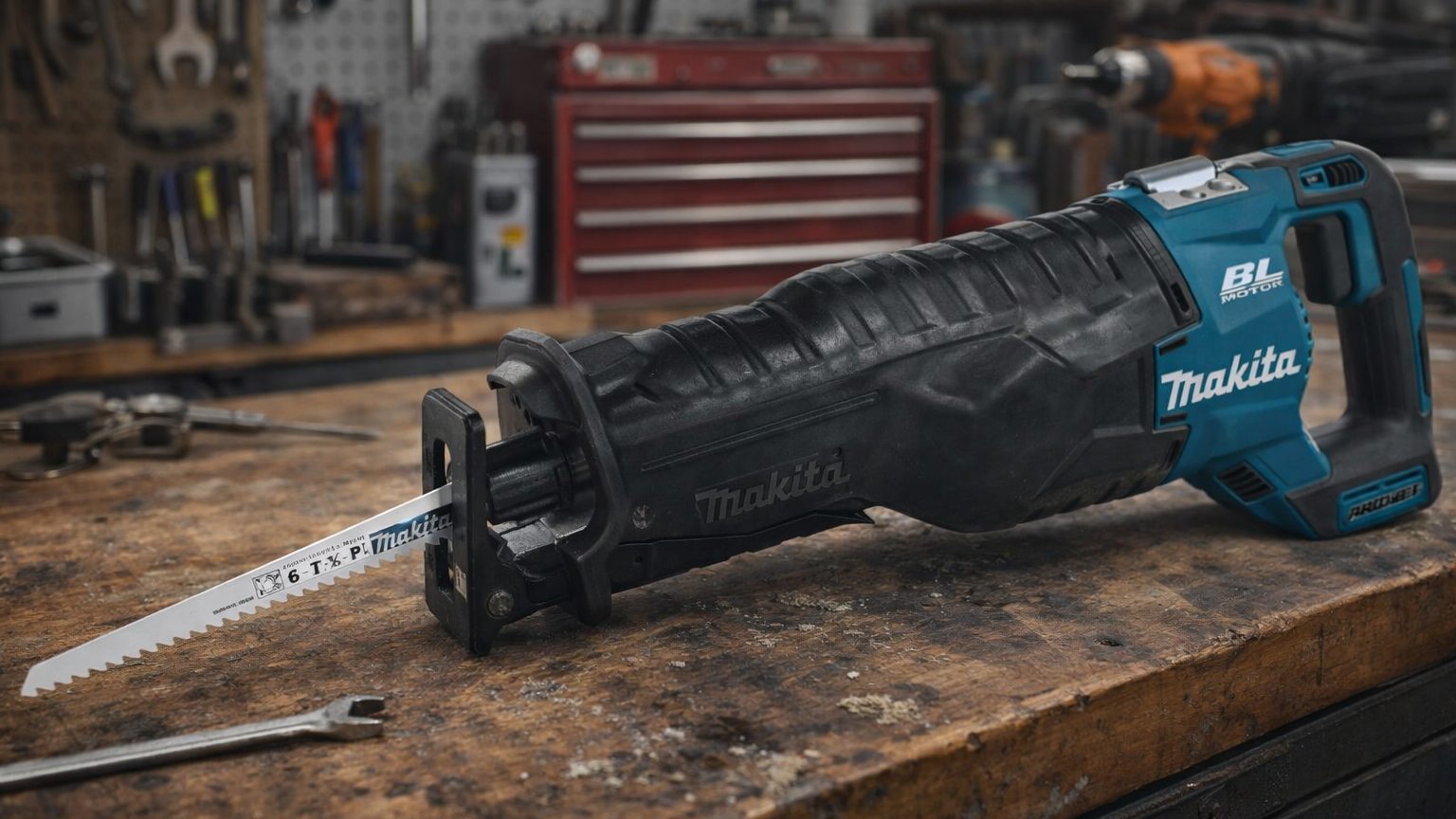
High stroke length reciprocating saws
A more aggressive cutting style built to remove material quickly. Best suited to demolition-oriented work where speed matters more than finesse, especially in thicker stock or rough tear-out tasks.
- Tends to clear more material per stroke, which can shorten cuts in demolition-style work
- Usually feels more aggressive in wood, mixed materials, and thicker sections
- Better fit when productivity matters more than finish quality or delicate control
VS
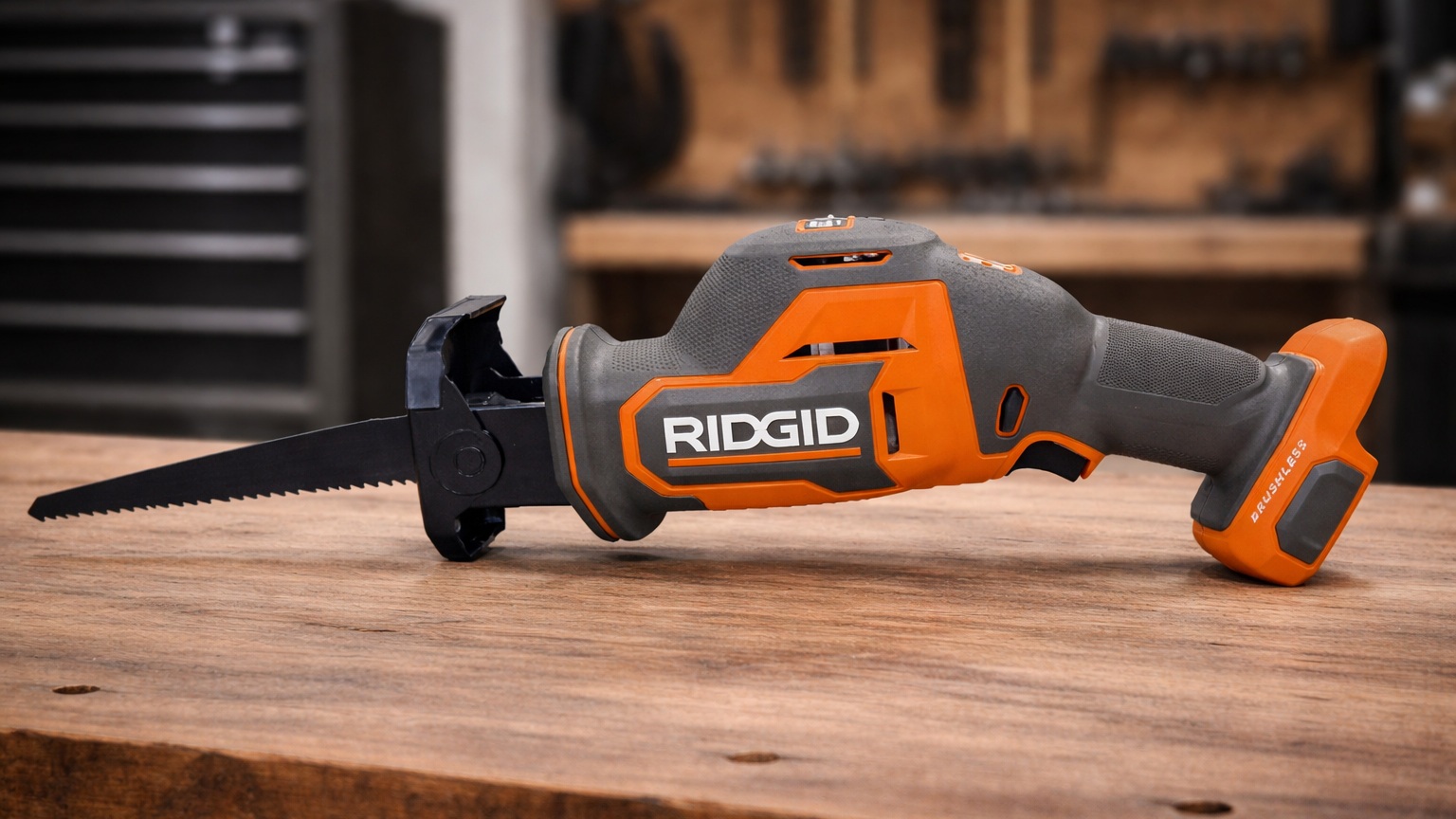
Low stroke length reciprocating saws
A calmer, more controlled cutting style that is easier to place accurately. Better for tighter spaces, thinner materials, and situations where reduced vibration and cleaner starts matter more than outright speed.
- Often easier to manage when starting cuts or working one-handed in awkward positions
- Can feel less harsh in lighter-duty materials, trim-out, and overhead work
- Smart choice when control, accuracy, and user comfort matter more than maximum pace
Power under load
Feels more aggressive
Adequate, less forceful
High stroke length
Control & clutch consistency
Good, but more abrupt
Better fine control
Low stroke length
Ergonomics (feel + fatigue)
Can feel harsher over time
Usually easier to settle
Low stroke length
Value (typical kit pricing)
Stronger if speed saves time
Stronger if control matters most
Tie by use case
Battery ecosystem depth
Depends on brand platform
Depends on brand platform
Tie
Real-world context
This comparison reflects a synthesis of professional reviews, manufacturer data, long-term user feedback, and use-case patterns to highlight how each stroke-length style typically performs in everyday cutting tasks.
High stroke length — Why people choose it
- Faster-feeling progress in rough cutting, demolition, and thicker materials
- Better suited to crews who prioritize material removal speed over a smoother cut feel
- Often the stronger fit for plumbers, remodelers, and demo work where efficiency matters most
Low stroke length — Why people choose it
- More manageable feel when accuracy, cut placement, and steadiness matter (especially in tighter spaces)
- Can be easier to live with during repetitive lighter-duty cutting or awkward overhead work
- Appeals to users who want a less aggressive saw response without giving up everyday usefulness
Verdict: Choose high stroke length if your priority is faster cutting in demanding, rougher work where aggressive material removal helps productivity. Choose low stroke length if you care more about steadier handling, easier cut placement, and better control in lighter-duty, tighter, or more precision-sensitive situations. For most pros doing frequent demolition-style work, high stroke length is the stronger default pick; for more controlled everyday cutting, low stroke length can be the better fit.