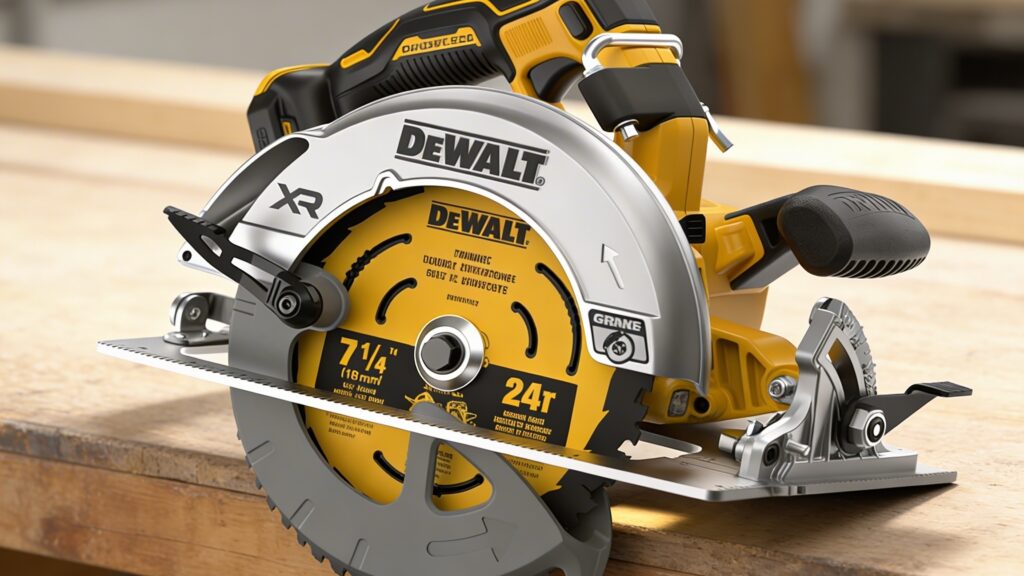
Circular saws are often viewed as simple cutting tools, yet their operation involves a coordinated system of motor output, gear transfer, and controlled blade engagement. The interaction between rotational speed, torque, and blade geometry determines how material is cut, while depth and angle adjustments influence accuracy and control. These underlying mechanics are frequently overlooked, leading to a limited understanding of how the tool actually functions during use.
This explainer breaks down the core components and processes that drive circular saw performance. It outlines how power is generated and transferred, how the blade interacts with material, and how adjustments affect cutting behavior. By the end, readers will have a clear, structured understanding of the mechanisms that define how circular saws operate.