How Functional Suspension Training Works

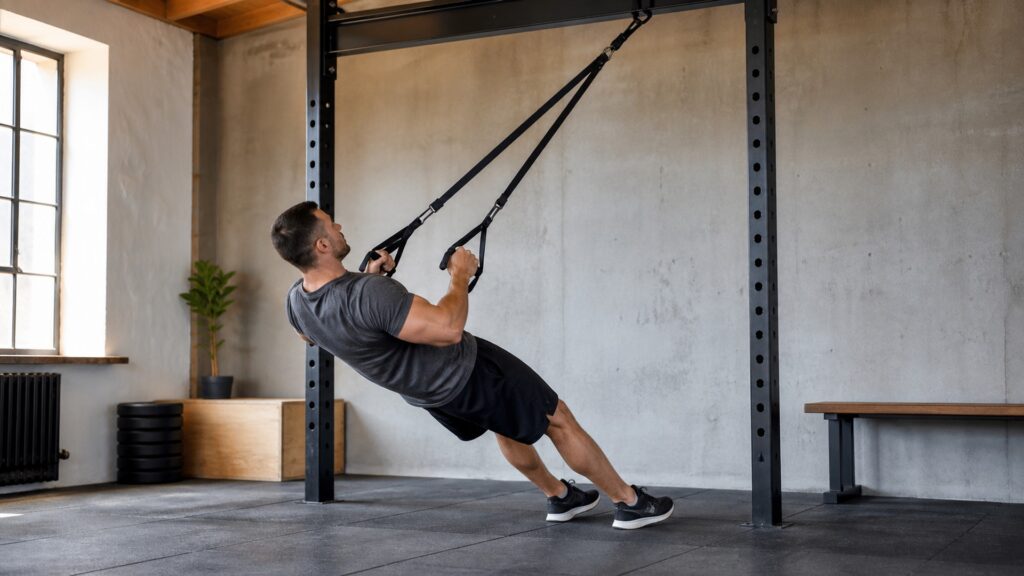
Functional suspension training works by anchoring straps or rings so the user can train against body angle, gravity, and instability. The user's body provides most of the resistance, while strap length, foot position, handle height, and anchor point change the difficulty.

The appeal is adjustability. A row, press, squat assist, lunge, plank, fallout, or anti-rotation drill can become easier or harder with small setup changes. The tradeoff is that safe anchoring, body control, and clear progression matter more than the straps themselves.

By: Review Streets Research Lab
Updated: October 2, 2026
Explainer · 8-12 min read
functional suspension training explainer hero image for Review Streets
What You'll Learn

How Suspension Training Creates Resistance

A practical explanation of anchors, body angle, strap length, instability, and progression.

  • How anchors and straps create a training system
  • Why body angle changes resistance
  • Where instability helps and where it gets in the way
  • How strap length and foot position scale exercises
  • Why setup safety matters before intensity
  • What to check before using suspension training at home or in a gym

Tip: Small setup changes can create large difficulty changes. Adjust angle before chasing harder variations.

Definitions

Key Concepts Behind Functional Suspension Training

These concepts explain how strap-based bodyweight training becomes adjustable.

Anchor Point

An anchor point is the secure place where straps or rings attach.

  • Example: a ceiling mount, rack, beam, wall anchor, or door anchor
  • Check: verify load rating and installation before training
  • Limit: an unsafe anchor makes the exercise unsafe

Body Angle

Body angle is the lean between the user and the floor, which changes how much bodyweight the exercise uses.

  • Example: walking the feet forward to make a row harder
  • Check: adjust angle in small steps
  • Limit: steeper angles can overwhelm control quickly

Strap Length

Strap length changes handle height, body position, and exercise setup.

  • Example: shortening straps for rows or lengthening them for presses
  • Check: set both sides evenly
  • Limit: poor setup can make the movement uneven

Instability

Instability is the movement demand created because straps or rings can shift.

  • Example: handles moving during a suspended push-up
  • Check: use only as much instability as the user can control
  • Limit: too much instability can reduce useful strength work

Assisted Pattern

An assisted pattern uses the straps to reduce load or improve balance during a movement.

  • Example: holding straps during a squat or lunge
  • Check: use assistance to improve position, not to yank through reps
  • Limit: assistance can hide strength gaps

Suspended Core Control

Suspended core control is the trunk stability needed to resist extension, rotation, or sagging while using straps.

  • Example: fallouts or body saws with feet or hands supported
  • Check: keep alignment before increasing range
  • Limit: core drills can become too hard quickly

Tip: Suspension training is adjustable because the user can change angle, length, support, and stability demand.

Setup

The Anchor Creates The Training Station

Suspension training starts with a secure anchor. The straps are only useful if the attachment can handle the forces created by leaning, pulling, pressing, and shifting bodyweight.

  • Use rated anchors and proper installation.
  • Check doors, racks, beams, or mounts before loading them.
  • Leave enough space for the body to move.

A safe anchor is the foundation of the workout.

Resistance

Body Angle Controls Difficulty

Most suspension exercises become easier or harder when the user changes foot position or body angle. A small step can meaningfully change the resistance.

  • Move closer to upright for easier rows.
  • Lean farther for harder presses or rows.
  • Keep changes small enough to control.

Angle is the main resistance dial.

Control

Instability Adds A Coordination Demand

Straps and rings move. That can help train control, but it can also distract from the target movement if the user is not ready.

  • Start with stable, slow repetitions.
  • Reduce range when alignment breaks.
  • Use fixed tools when instability blocks strength work.

Instability should serve the exercise, not dominate it.

Versatility

One Setup Can Cover Many Patterns

Suspension systems can support rows, presses, squats, lunges, planks, fallouts, rotations, and assisted mobility drills. The same straps can shift from strength to control to warm-up work.

  • Match strap length to the exercise.
  • Keep each drill's purpose clear.
  • Avoid cramming every possible variation into one session.

Versatility is useful when the workout stays organized.

Progression

Progression Should Stay Measurable

Suspension training can feel vague if angle, strap length, range, and reps change at the same time. Track one or two variables so progress is repeatable.

  • Mark foot position when possible.
  • Use consistent strap lengths.
  • Progress range or angle gradually.

Repeatable setup turns adjustable straps into a real training system.

Quick Reality Check

Where Suspension Training Helps And Where It Has Limits

Suspension training is flexible, but it depends on safe setup and body control.

Where It Helps

It makes bodyweight resistance highly adjustable.

It can train pulling, pressing, lower-body assistance, core control, and mobility in one compact setup.

Where It Falls Short

It requires a secure anchor and enough space.

It can become too unstable or too vague without careful progression.

Common Myths

Misconceptions About Functional Suspension Training

Straps are versatile, but they do not remove the need for setup and progression.

Suspension training is automatically functional

It is useful only when the exercise matches the user's goal and control level.

More instability is always better

Instability helps some goals but can interfere with strength and alignment.

Any door or beam can be an anchor

Anchors need suitable strength, placement, and correct setup.

Changing angle is simple enough to ignore

Angle changes can be large progression jumps if they are not controlled.

Tip: Treat strap setup as part of the exercise, not a detail after the fact.

FAQ

Frequently Asked Questions About Functional Suspension Training

Short answers about anchors, angle, straps, and exercise control.

What creates resistance in suspension training?

The user's bodyweight creates resistance, and body angle changes how much of that resistance the exercise uses.

Is suspension training good for beginners?

It can be, if the anchor is safe and the first exercises use stable, manageable angles.

What should I check before starting?

Check anchor security, strap length, floor grip, clearance, and whether the user can exit the exercise safely.

Can suspension training replace weights?

It can replace some bodyweight and accessory needs, but external load may still be better for precise strength goals.

What is the practical takeaway?

Functional suspension training works by combining a secure anchor, adjustable body angle, strap control, and progressive bodyweight resistance.

Bottom Line

Functional suspension training works by turning body angle and anchored straps into adjustable resistance.

The system is most useful when setup is secure, progression is repeatable, and instability matches the user's control.

Next Steps

Go Deeper or Compare Your Options

Use these Review Streets paths to compare related categories and practical next decisions.