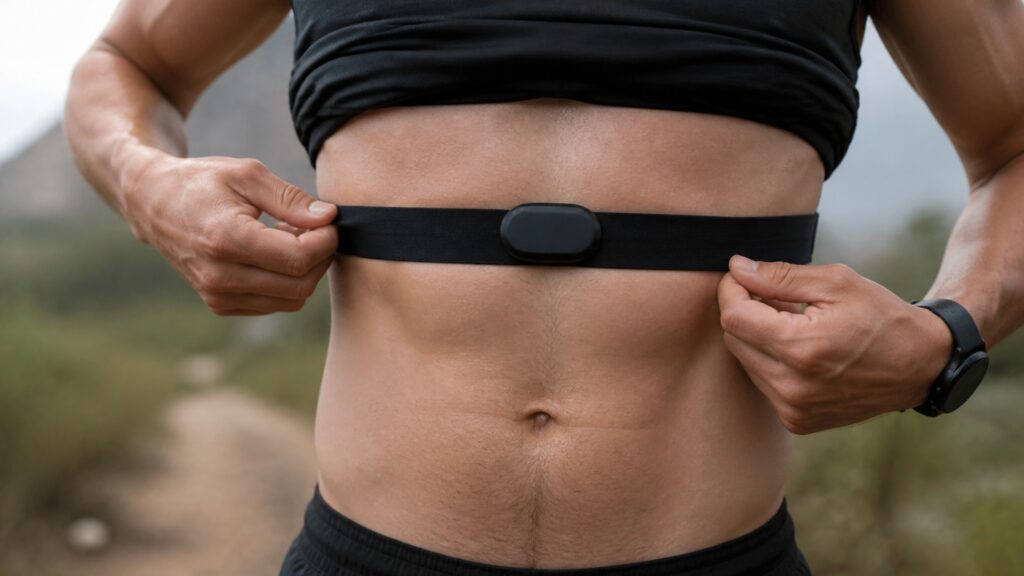
Heart rate trackers work by detecting changes related to each heartbeat, converting that signal into a heart rate estimate, and then turning the number into workout feedback. A wrist tracker usually shines light into the skin and reads blood-flow changes. A chest strap usually reads electrical activity from the heart through skin contact.
The reading is useful when the sensor fits well, the signal is steady, and the user understands what the number can and cannot prove. Heart rate tracking can guide pacing, zones, recovery, and effort trends, but it is not a medical diagnosis and it is not equally accurate in every workout.