
How Jigsaws Work

Jigsaws are often treated as simple handheld cutters, yet their operation is defined by a coordinated system of motion, support, and control. The visible up-and-down blade movement only represents one part of a broader mechanism that governs how material is engaged, how force is transferred, and how the cut path is maintained. Misunderstandings typically arise from overlooking how these internal and structural elements interact.

This explainer outlines the core mechanics behind jigsaw operation, including motor-driven reciprocation, orbital action, blade guidance, and base stabilization. It clarifies how each component contributes to the cutting process and how their interaction shapes movement through material. By the end, the underlying system will be clear as a unified, mechanical process rather than a single visible motion.

By: Review Streets Research Lab
Updated: April 19, 2026
Explainer · 8–12 min read
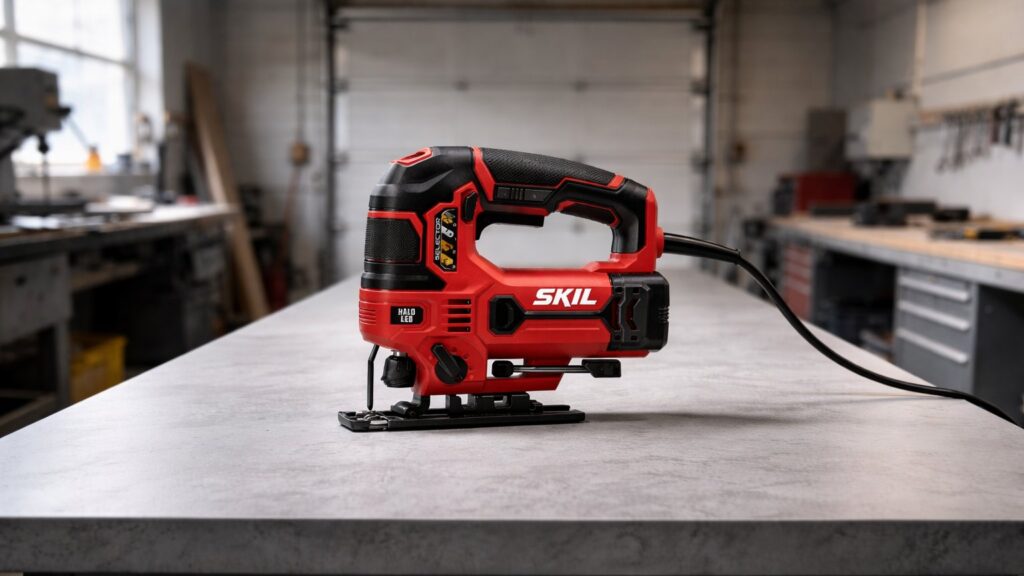
Skil JS314901 jigsaw for woodworking projects
What You’ll Learn

How Jigsaws Work

A structured breakdown of internal motion, blade control, and support systems that define how a jigsaw moves through material and maintains cutting stability.

  • How the motor converts rotational energy into vertical reciprocating blade motion
  • What orbital action changes in cutting dynamics, material removal, and blade tracking
  • How blade guides and rollers stabilize the blade during directional changes
  • Why base plate design influences alignment, pressure distribution, and cut consistency
  • What causes blade deflection, wandering cuts, and loss of precision under load
  • How stroke length and speed settings alter cutting behavior across materials
  • How vibration and counterbalance systems affect control and mechanical stability

Tip: View the system as motion control (motor and stroke), guidance (blade support), and stability (base and vibration) working together to maintain a predictable cut path.

Definitions

Key Parts That Make a Jigsaw Work

Understanding the cutting system starts with the parts that generate motion, guide the blade, and keep that motion controlled through the material.

Motor

The motor creates the rotational force that drives the entire cutting system. Its output does not cut directly, but powers the mechanism that turns rotation into repeated blade movement.

  • Role: Supplies the continuous input energy for the jigsaw’s moving parts
  • Load: Responds differently as blade resistance increases through denser material
  • Heat: Rising temperature affects efficiency and sustained cutting stability

Drive Mechanism

This internal linkage converts the motor’s rotary motion into the blade’s vertical reciprocating stroke. It determines how smoothly force is transferred and how consistently the blade cycles under load.

  • Conversion: Changes circular motor motion into controlled up-and-down blade travel
  • Stroke: Governs how far the blade moves during each cutting cycle
  • Transfer: Affects how directly motion reaches the blade during resistance

Orbital Action

Orbital action adds a forward component to the blade’s path as it moves. This changes how the teeth engage the material, altering removal rate, cutting feel, and tracking behavior.

  • Path: Combines vertical stroke with slight forward blade movement
  • Engagement: Changes how aggressively the teeth enter and clear material
  • Behavior: Influences smoothness, speed, and cut-line control during operation

Blade Guide System

The guide system supports the blade as it moves through the cut. By limiting unwanted sideways movement, it helps the blade stay aligned while material resistance pushes back against it.

  • Support: Keeps the blade from flexing excessively during directional pressure
  • Tracking: Helps maintain alignment along the intended cut path
  • Deflection: Reduces wandering caused by unsupported blade movement under load

Base Plate

The base plate stabilizes the saw against the work surface and sets the tool’s cutting orientation. Its contact area helps distribute pressure and keeps the blade approach more predictable.

  • Contact: Creates the primary support point between tool and material surface
  • Alignment: Helps hold the cutting system at a consistent working angle
  • Pressure: Spreads operator force across the surface for steadier movement

Blade

The blade is the final cutting element, but its behavior depends on the system around it. Length, stiffness, tooth engagement, and support all shape how force becomes an actual cut.

  • Cutting edge: Teeth remove material during each powered stroke cycle
  • Stiffness: Blade flexibility influences straightness and directional control
  • Interaction: Performance depends on motion, guidance, and support working together

Tip: A jigsaw works as a coordinated motion system: the motor creates energy, the mechanism redirects it, and the support structure keeps that motion usable at the cut line.

Power Path

How Motion Flows Through a Jigsaw

A jigsaw does not cut through a single isolated action. Its cutting behavior depends on how motor output is transferred through internal linkages, into the blade, and stabilized against the work surface.

  • The motor generates rotational force as the system’s initial energy source
  • The drive mechanism converts that rotation into repeated vertical blade motion
  • Orbital action can add forward movement to change tooth engagement
  • The blade guide system controls unwanted lateral movement during the stroke
  • The base plate anchors the tool against the material for stable tracking

Each stage affects how efficiently motion becomes a controlled cut rather than uncontrolled vibration or drift.

Motors

The Motor Drives the Entire Cutting Cycle

The motor is not the cutting element, but it determines how consistently the mechanism can cycle the blade under resistance. Its output shapes the stability, rhythm, and continuity of the entire motion system.

  • Input energy begins at the motor before being redirected by the internal mechanism
  • Consistency in motor output affects how evenly the blade completes each stroke
  • Resistance from denser material increases the motor’s load during cutting

When motor output becomes uneven, the blade’s movement becomes less stable and the cut path becomes harder to control.

Gearing

Why the Drive Mechanism Matters More Than Simple Blade Speed

Blade motion is shaped by the internal mechanism that redirects rotation into reciprocation. The quality of that conversion affects stroke behavior, force transfer, and how directly the blade responds under load.

  • The mechanism determines how far the blade travels during each stroke
  • Smoother conversion produces more predictable motion through the cutting cycle
  • Mechanical design influences how clearly force reaches the blade under resistance

A jigsaw’s cutting character depends as much on motion conversion quality as on raw stroke rate.

Heat Management

Why Sustained Cutting Changes Tool Behavior

As a jigsaw works, repeated motion and material resistance generate heat throughout the system. That heat alters efficiency, increases stress on moving parts, and changes how steadily the tool maintains its cutting cycle.

  • Friction within moving components raises internal temperatures during continued operation
  • Higher heat reduces mechanical efficiency and increases energy loss
  • Material resistance adds load that compounds temperature buildup over time

Thermal buildup changes how consistently the system can sustain motion, especially during longer or denser cuts.

User Control

Blade Guidance, Base Support, and Tool Stability Shape Control

Control in a jigsaw comes from structural support, not from blade motion alone. The relationship between blade guidance, base contact, and vibration management determines how predictably the tool follows a cut line.

  • Blade guides reduce sideways flex as the material pushes back
  • Base plate contact stabilizes the tool against the work surface
  • Vibration affects how steadily the cutting path can be maintained

Stable support systems make reciprocating motion usable by keeping the blade aligned with the intended path.

Quick Reality Check

Where Jigsaws Stay Controlled — and Where Limits Appear

A quick, mechanism-based view of where jigsaws remain predictable, and where blade motion, support, and resistance begin to work against control.

Where Jigsaws Stay Stable

Jigsaws work most predictably when the blade remains well supported and the cutting path allows the reciprocating motion to stay aligned with material resistance.

In those conditions, the guide system, base plate contact, and stroke cycle can work together to keep movement controlled rather than scattered.

Where Jigsaws Reach Limits

Jigsaws become less precise when blade support is overwhelmed by resistance, allowing deflection, vibration, and directional drift to interfere with the intended path.

That usually happens when thicker material, tighter direction changes, or more aggressive cutting motion place more side load on the blade than the system can stabilize.

Common Myths

Misconceptions About How Jigsaws Work

Jigsaws are often misunderstood because their visible blade motion seems simple, while the real cutting behavior depends on a more complex support and guidance system.

The blade only moves straight up and down

Basic reciprocation is only part of the motion path. Many jigsaws also alter how the blade engages material through orbital movement, which changes cutting behavior, tooth contact, and how force is directed during the stroke.

Faster blade speed always means cleaner cutting

Higher stroke speed increases how quickly the blade cycles, but cleanliness depends on how steadily the blade stays guided and how the teeth engage the material. Speed without control can increase vibration, deflection, and rougher cut behavior.

The blade alone determines cut accuracy

Accuracy comes from the entire system, not just the cutting edge. Blade support, base plate stability, and resistance from the material all influence whether the blade follows the intended path or begins to wander.

Orbital action is just extra speed

Orbital action changes the blade’s path, not just its pace. By adding forward movement during part of the stroke, it alters how the teeth enter the material and how aggressively the system removes material.

Cut drift means the motor is weak

Drift usually comes from blade deflection, uneven support, or excess side load at the cut line. The motor may still be cycling normally while the blade itself is being pushed away from the intended path.

Tip: Think of a jigsaw as a motion-control system: cutting quality depends on how well moving parts, blade support, and surface stability stay coordinated under resistance.

FAQ

Frequently Asked Questions About How Jigsaws Work

Clear answers to the most common follow-up questions about blade motion, guidance, stability, and why jigsaws behave differently under changing material resistance.

What actually creates the blade’s up-and-down motion?

The motor produces rotary motion, and an internal drive mechanism redirects that motion into reciprocation. The blade does not move independently; it follows a repeated stroke cycle created by that conversion system.

Does a higher blade speed always improve the cut?

Not necessarily. A faster stroke rate increases how often the blade engages the material, but cut behavior also depends on blade support, vibration control, and how cleanly the blade stays aligned under resistance.

What does orbital action change during cutting?

Orbital action changes the blade’s path by adding a forward component to part of the stroke. That alters how the teeth enter the material, how aggressively material is removed, and how the blade behaves under load.

Why does a jigsaw blade start to wander?

Blade wandering usually happens when side forces exceed the support provided by the guide system and blade stiffness. Once the blade begins to deflect, the visible tool position and the actual cutting path can separate.

What role does the base plate play?

The base plate stabilizes the jigsaw against the work surface and helps maintain a consistent cutting orientation. It spreads pressure across the material, which makes the motion system more predictable during the stroke cycle.

Why does vibration affect control so much?

Vibration disrupts the steadiness of the motion system and makes it harder for the blade to stay aligned with the intended path. As vibration increases, small deviations in support and guidance become more likely to affect the cut.

Why can thicker material change how a jigsaw behaves?

Thicker material increases resistance over a greater portion of the blade, which raises the load on the motion and guidance system. That added resistance makes deflection, heat, and tracking errors more likely to appear.

What matters more for cut behavior: blade or tool?

Both matter because the blade is only one part of a larger motion-control system. Blade stiffness and tooth geometry influence the cut, but guidance, stroke mechanics, vibration, and base stability determine how usable that blade remains.

Tip: When a jigsaw behaves unexpectedly, trace the system in order: motion generation, blade path, structural support, and the resistance coming back from the material.

Bottom Line

Jigsaws work through coordinated motion, guidance, and stability—not blade movement alone. The motor, drive mechanism, blade support, and base structure determine how force is transferred and how predictably the cut path is maintained.

Once that system is clear, it becomes easier to interpret cut behavior, understand common limitations, and see why visible motion only explains part of the tool’s function.

Next Steps

Go Deeper or Compare Your Options

Now that the cutting system is clear, these pages extend that understanding into broader jigsaw research and decision-making frameworks.

Jigsaw Roundups

A broader overview of jigsaws organized by intended use, with context on how different designs align with different cutting demands.

Jigsaw Comparisons

Focused head-to-head breakdowns that clarify how specific design differences influence control, motion behavior, and cutting characteristics.

Jigsaw Buying Guides

Decision-oriented guides that explain which design details shape real use and how to interpret features with clearer expectations.

Quick Summary

How Jigsaws Work

  • Motor rotation is converted into vertical blade motion through an internal mechanism
  • Orbital action modifies blade path, changing how teeth engage material during cutting
  • Blade guides and base support determine alignment and reduce unwanted deflection
  • Material resistance influences stability, affecting tracking, vibration, and cut consistency
  • Cut behavior emerges from interaction between motion, support, and applied load