How Muscle Cars Work

Muscle cars work by converting stored energy into tire forces through a coordinated powertrain and chassis. The engine or motor supplies torque, the drivetrain delivers it to the wheels, and the tires transmit force to the road. Suspension, brakes, cooling, and electronic controls determine how consistently and predictably that performance can be used. A large output figure describes only one part of the process.

Traditional muscle cars are strongly associated with powerful combustion engines, but modern offerings include other propulsion arrangements. The common engineering questions remain: how much force can reach the road, how much mass must be accelerated, how is motion controlled, and how are heat and component limits managed? Following those relationships explains the vehicle more clearly than treating it as an engine with bodywork around it.

By: Review Streets Research Lab
Updated: October 5, 2026
Explainer · 8-12 min read
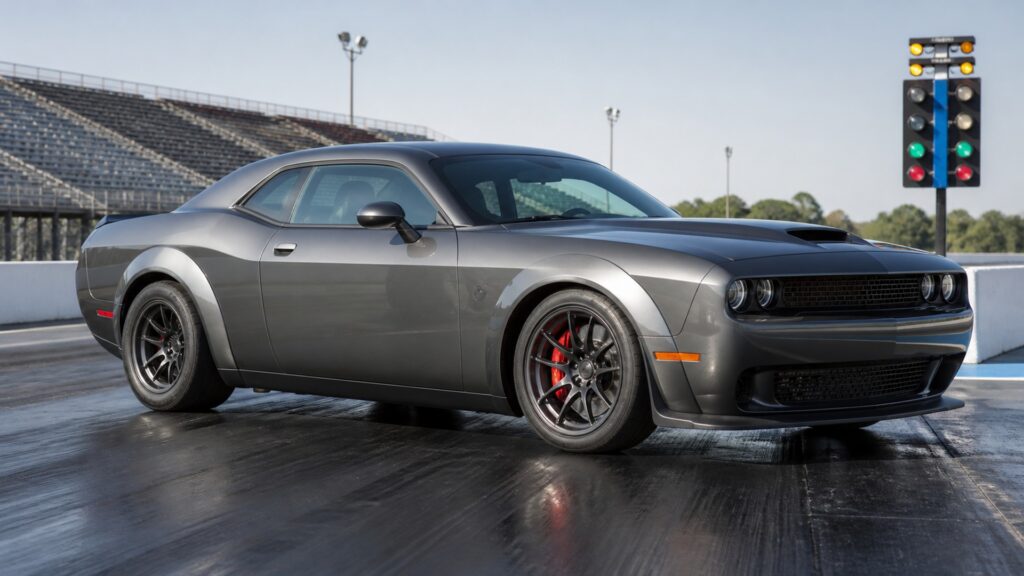
muscle cars explainer hero image for Review Streets
What You'll Learn

Following Energy From the Powertrain to the Road

Connect propulsion, gearing, tire forces, chassis behavior, and heat management.

  • Distinguish torque from power and acceleration.
  • Understand what gearing changes and what it cannot create.
  • See why tire grip and load influence usable drive.
  • Connect braking and cooling with energy management.
  • Place electronic assistance within the mechanical system.

Tip: Ask where the limiting factor is: output, gearing, tire grip, vehicle mass, temperature, or another operating constraint.

Definitions

Six Principles Behind Muscle-Car Performance

These concepts explain physical relationships rather than ranking cars by one specification.

Torque

A turning moment acting about an axis.

  • Example: torque applied through a drivetrain to turn the driven wheels
  • Check: consider where it is measured and the gearing between that point and the wheels
  • Limit: an engine torque figure alone does not determine acceleration

Power

The rate at which work is done or energy is transferred.

  • Example: a powertrain delivering mechanical energy during acceleration
  • Check: consider output across the usable operating range
  • Limit: peak power does not describe grip or the entire response

Gear reduction

A relationship that lowers output rotational speed while increasing torque multiplication, subject to losses.

  • Example: a lower driving gear producing slower wheel rotation for a given input speed
  • Check: consider the transmission and final drive together
  • Limit: gearing does not create additional power

Tire force

Force transmitted through the contact between tire and road.

  • Example: the driven tires pushing against the road to accelerate the car
  • Check: consider the surface, tire condition, and loading
  • Limit: available force is limited by the tire-surface interaction

Load transfer

A change in the loads supported at different tires during acceleration, braking, or cornering.

  • Example: rear axle load increasing and front axle load decreasing during acceleration under typical conditions
  • Check: consider vehicle geometry and the complete maneuver
  • Limit: it does not guarantee that the driven tires have enough grip

Thermal capacity

The ability of a component or system to absorb and manage heat within its operating limits.

  • Example: brake components handling repeated energy conversion during deceleration
  • Check: assess the relevant system and intended duty cycle
  • Limit: large hardware alone does not prove readiness for sustained demanding use

Tip: Torque, power, grip, and mass describe different parts of acceleration. Keep their roles separate before combining them.

Energy conversion

The Powertrain Turns Stored Energy Into Mechanical Output

In a combustion engine, burning fuel produces pressure that acts through pistons and the crankshaft to create rotational output. An electric powertrain uses electrical energy and motor control to create drive differently. Either arrangement must deliver usable output through its operating range. Modern Dodge Charger offerings demonstrate that muscle-car identity is no longer tied to one propulsion architecture. The exact hardware changes, but energy must still become mechanical work.

  • Identify the propulsion system actually fitted.
  • Look beyond the single peak output figure.
  • Consider mass and operating conditions alongside available power.

A powerful car can still accelerate differently from another with similar peak output because its mass, delivery characteristics, gearing, and tire grip differ.

Drivetrain

Gearing and Differentials Carry Output to the Driven Wheels

The drivetrain connects the power source to the wheels. In a geared system, the transmission and final drive change the relationship between rotational speed and torque. A differential accommodates differences in wheel speed, such as those needed during a turn, while its particular design influences drive behavior. Rear-wheel drive and all-wheel drive distribute propulsion differently, but neither arrangement eliminates the need for suitable tires and coordinated control.

  • Consider the full path from powertrain to wheels.
  • Distinguish gear ratio from power output.
  • Identify the fitted differential and drive layout.

A lower driving gear can provide more wheel torque at a given engine output point while requiring higher engine speed for a given road speed. The relationship changes; energy is not created.

Chassis and grip

The Tires Decide How Much Drive Becomes Motion

The driven wheels must transmit force through the tire-road contact. If the requested force exceeds what the contact can support, wheel slip can increase without the intended gain in motion. Vehicle mass affects the force needed for acceleration, and load transfer changes how the tires are loaded. Suspension and tires therefore matter alongside output. Steering and braking also use tire forces, so their demands cannot be ignored when assessing the complete response.

  • Keep tire specification and condition part of the assessment.
  • Consider the surface and current wheel loading.
  • Evaluate suspension as a coordinated design.

Additional power does not automatically produce additional useful acceleration on a surface that cannot support the demand. This is why a modest-looking tire or chassis detail can materially affect the result.

Energy and heat

Brakes and Cooling Make Performance Repeatable

Friction brakes convert the vehicle's motion into heat. The energy to be managed increases with mass and with the square of speed, while repeated use adds thermal demands. Some electrified vehicles also recover part of the energy electrically under supported conditions, but friction brakes remain part of the braking system. Powertrain cooling handles another set of heat flows. Components, fluids, and airflow must suit the intended use.

  • Consider the complete brake system rather than rotor size alone.
  • Follow the exact cooling and maintenance requirements.
  • Treat sustained event use separately from ordinary road driving.

A car that performs one deceleration satisfactorily is not thereby proven ready for repeated demanding sessions. Heat management and preparation become central when the duty cycle changes.

Coordination

Electronics Manage the Hardware Within Its Limits

Control systems interpret driver requests and can coordinate power delivery, braking, shifting, and fitted chassis functions. Stability control, for example, compares intended direction with measured motion and can intervene to help counter instability. Selectable modes may alter supported responses. These systems act through the existing hardware and available tire grip, so they cannot guarantee recovery or supply missing physical capability.

  • Learn the systems fitted to the exact car.
  • Use settings appropriate to the environment.
  • Distinguish normal intervention from a fault indication.

A mode can make initial response feel sharper while leaving maximum output unchanged. Likewise, an intervention can assist the driver without making an unsuitable speed or surface appropriate.

Quick Reality Check

One Vehicle, Several Physical Limits

Strong performance depends on coordinated systems rather than a single standout part.

A coherent design can deliver

Usable propulsion supported by suitable gearing, tires, and chassis behavior.

Braking and thermal management matched to the intended operating demands.

A power figure cannot establish

Grip, stopping space, handling quality, or event readiness on its own.

Freedom from maintenance, component limits, or changing conditions.

Common Myths

Misconceptions About How Muscle Cars Work

The familiar image of a powerful engine leaves out much of the engineering.

More engine torque always means faster acceleration

Gearing, mass, grip, and the operating point also matter.

Gears create extra power

They change rotational speed and torque relationships, with losses, rather than creating energy.

The chassis matters only when turning

Tire loading, suspension, and vehicle mass also affect acceleration and braking.

Electronics remove the physical limits

Controls work through the fitted hardware and available grip; they cannot guarantee every outcome.

Tip: Follow the force and energy through the complete car before judging a performance claim.

FAQ

Questions About Muscle-Car Mechanics

The principles apply across different layouts, with model-specific equipment and instructions.

Are torque and power the same thing?

No. Torque is a turning moment; power is the rate of doing work. Their relationship depends on rotational speed.

Why does vehicle mass matter?

Mass affects the force needed for acceleration and the energy that must be managed when slowing down.

Do all muscle cars drive only the rear wheels?

No. Modern offerings include different layouts. Check the actual vehicle.

Why can repeated use create different demands?

Heat and component loads accumulate differently during sustained operation, making cooling, condition, and preparation important.

Does a performance mode add new hardware?

No. It changes supported control behavior through the equipment already fitted.

Bottom Line

Muscle cars work by coordinating energy conversion, gearing, tire forces, chassis control, and heat management around a performance-focused driving experience.

Output matters, but useful performance depends on the complete system, its condition, and the circumstances in which it is used.

Next Steps

Go Deeper or Compare Your Options

Use these Review Streets paths to compare related categories and practical next decisions.

Vehicles

Explore how vehicle systems work.

Muscle Cars

Continue with muscle-car fitment and maintenance.

Further reading: Dodge Charger propulsion examples; Ford Mustang drivetrain and chassis examples; Brembo brake-system maintenance and heat guidance; Bosch stability-control explanation; NHTSA tire guidance.