
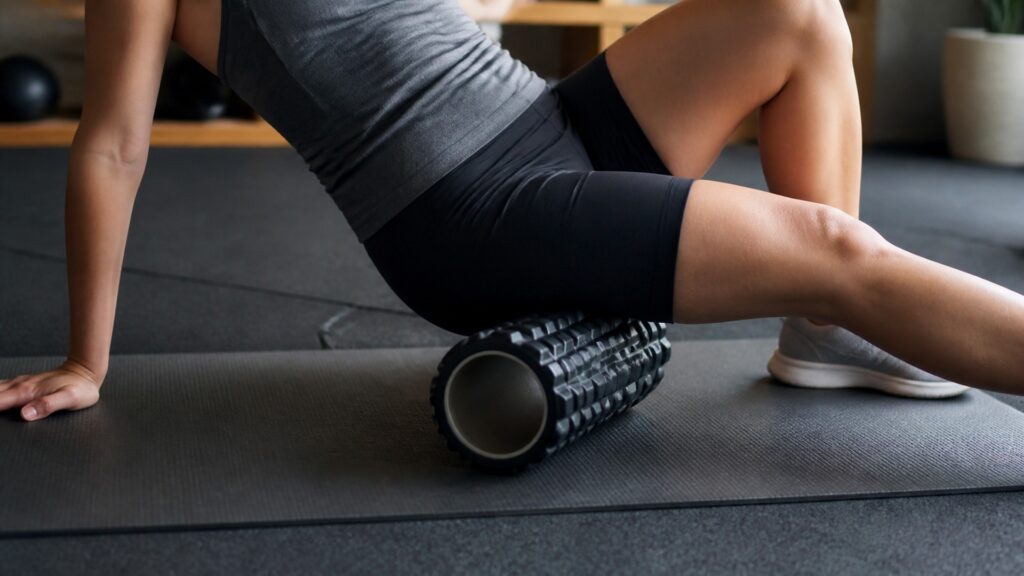
How Muscle Recovery Rollers Work

Muscle recovery rollers work by applying pressure across soft tissue so the user can manage tightness, soreness, and movement preparation. The roller does not heal tissue by itself; it gives the user a simple way to apply controlled pressure before or after activity.

The practical differences come from roller density, surface texture, diameter, length, vibration, body position, and pressure control. Those details change how intense the rolling feels and how easy it is to target a muscle group.

By: Review Streets Research Lab
Updated: September 29, 2026
Explainer · 8-12 min read
muscle recovery rollers explainer hero image for Review Streets
What You'll Learn

How Muscle Recovery Rollers Work In Practice

A practical explanation of pressure, positioning, intensity, and realistic recovery use.

  • How rollers apply pressure to soft tissue
  • Why density and texture change the feel
  • How body position controls intensity
  • Where rolling fits before or after exercise
  • What rollers can and cannot do for soreness
  • Which safety limits deserve attention

Tip: A roller should create manageable pressure, not pain that makes the user tense up or rush.

Definitions

Key Concepts Behind Recovery Rollers

These terms explain how rollers create pressure and why different designs feel different.

Soft-Tissue Pressure

Soft-tissue pressure is the force applied to muscles and surrounding tissue during rolling.

  • Example: rolling the calves with moderate pressure
  • Check: keep pressure tolerable and controlled
  • Limit: more pressure is not always better

Body Position

Body position controls how much body weight presses into the roller.

  • Example: supporting more weight with the arms to reduce intensity
  • Check: adjust position before increasing pressure
  • Limit: awkward positions can strain other areas

Roller Density

Roller density is how firm the roller feels under body weight.

  • Example: a firm foam roller feeling more intense than a soft one
  • Check: match density to tolerance and use case
  • Limit: very firm rollers can be too aggressive

Surface Texture

Surface texture changes how pressure is distributed across the contact area.

  • Example: ridges creating a more pointed sensation
  • Check: choose texture based on comfort and control
  • Limit: texture does not guarantee better recovery

Rolling Pace

Rolling pace is how quickly the user moves over the roller.

  • Example: slow passes over a tight quadriceps area
  • Check: avoid rushing through sensitive spots
  • Limit: slow rolling should still feel controlled

Recovery Role

Recovery role is the job the roller plays around training.

  • Example: using a roller before mobility work or after a run
  • Check: connect rolling to a real routine
  • Limit: rolling cannot replace sleep, load management, or medical care

Tip: The user controls most of the effect through position, pressure, pace, and consistency.

Mechanism

The Roller Creates Controlled Pressure

A recovery roller works by letting the user place a muscle group over the roller and move slowly through pressure. The pressure can make the area feel less stiff and help the user prepare for movement.

  • Body weight supplies most of the force.
  • Position changes the intensity.
  • Slow control is usually more useful than rushing.

The roller is simple, but the user's control matters.

Design

Density And Texture Change The Sensation

Soft rollers feel more forgiving. Firm or textured rollers can feel more intense. Vibration can add another sensation, but it does not remove the need for controlled pressure.

  • Beginners often do better with moderate firmness.
  • Texture can concentrate pressure.
  • Vibration should still feel tolerable.

The best design is the one the user can use consistently and calmly.

Routine Fit

Rolling Fits Around Training, Not In Place Of Training

A roller can be used before exercise to prepare for movement or after exercise to manage stiffness. It should support the routine rather than become a painful ritual.

  • Use short, focused passes.
  • Pair rolling with movement if it helps.
  • Avoid treating soreness as something to crush.

Recovery tools work best when they support sensible training habits.

Limits

Rollers Have Clear Boundaries

Rolling can change how an area feels, but it cannot diagnose injuries, repair overload, or replace professional care when pain is persistent or sharp.

  • Avoid rolling directly over acute injury.
  • Stop if symptoms worsen.
  • Use caution around joints and bony areas.

A roller is a recovery aid, not a cure-all.

Practical Check

Start With Tolerable Pressure And A Clear Target

The best first test is a muscle group that feels tight, a pressure level the user can breathe through, and a short session that leaves movement feeling easier.

  • Choose one area at a time.
  • Adjust body weight before switching tools.
  • Use comfort and movement quality as feedback.

Good rolling feels controlled and useful, not punishing.

Quick Reality Check

Where Rollers Help And Where They Do Not

Rollers are useful recovery aids when their limits are respected.

Where They Help

They can reduce perceived tightness and help prepare an area for movement.

They give users a simple way to apply pressure at home or in a gym.

Where They Fall Short

They do not fix injuries or replace recovery basics.

Aggressive pressure can make the experience worse.

Common Myths

Misconceptions About Muscle Recovery Rollers

More intensity is not automatically better.

Rolling has to hurt to work

Useful pressure should be tolerable enough that the user can stay relaxed and breathe normally.

A textured roller is always better

Texture changes sensation, but comfort and control matter more.

Rolling fixes every sore muscle

Soreness can come from training load, sleep, injury, or other factors a roller cannot solve.

Vibration replaces good technique

Vibration may feel useful, but placement, pressure, and routine still matter.

Tip: Use the roller as a controlled pressure tool, not a pain test.

FAQ

Frequently Asked Questions About Muscle Recovery Rollers

Short answers about pressure, timing, texture, and limits.

When should I use a recovery roller?

Use it when controlled pressure helps an area feel ready for movement or less stiff after activity.

How hard should rolling feel?

It should feel tolerable. Sharp pain, numbness, or worsening symptoms are signs to stop.

Are firm rollers better?

Not always. Firm rollers are more intense, but a moderate roller may be more useful for regular use.

Can rolling replace stretching?

It can complement stretching or mobility work, but it does not automatically replace either.

What is the practical takeaway?

Use a roller with controlled pressure, clear targets, and realistic expectations.

Bottom Line

Muscle recovery rollers work by applying user-controlled pressure to soft tissue around training.

The best results come from tolerable pressure, careful positioning, realistic limits, and a routine that supports movement rather than chasing pain.

Next Steps

Go Deeper or Compare Your Options

Use these Review Streets paths to compare related fitness categories and practical buying decisions.

Fitness

Browse related fitness categories and buying decisions.