
How Nutrition Products Works

Nutrition products work by delivering energy, protein, carbohydrate, fat, fiber, vitamins, minerals, fluid, or selected compounds in a measured form. What happens next depends on digestion, absorption, metabolism, the rest of the diet, the person's health, and whether the product addresses an actual requirement.

The category includes meal replacements, protein powders, electrolyte drinks, fortified foods, oral nutrition supplements, and single-nutrient products. Their similar tubs and bottles hide different jobs. A product should be judged by its composition, dose, use case, delivery conditions, and effect on total intake.

By: Review Streets Research Lab
Updated: August 20, 2026
Explainer · 8-12 min read
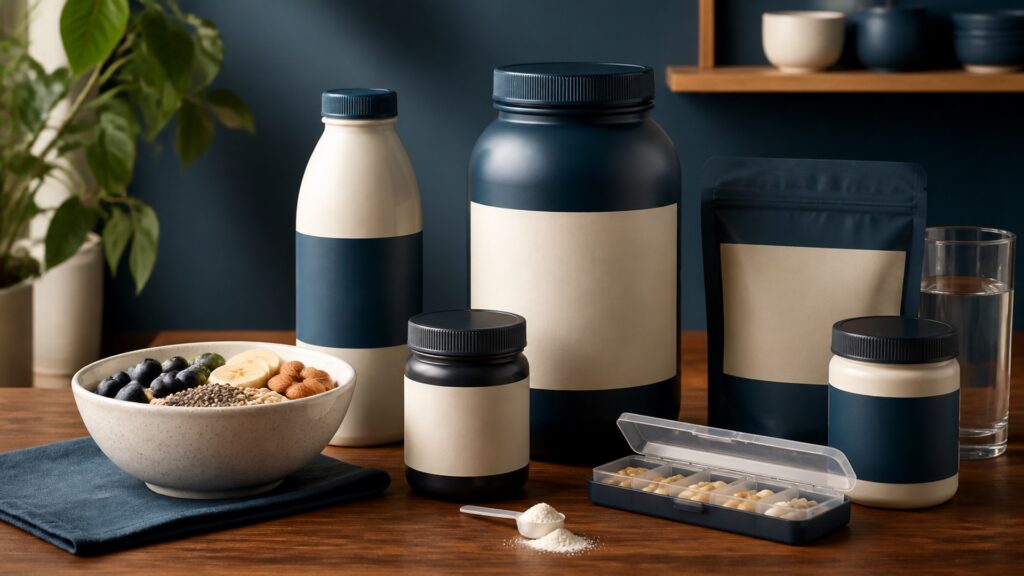
People-free editorial still life illustrating nutrition products
What You'll Learn

Follow the product from label to total diet

Translate serving size into nutrients delivered, then examine digestion, timing, dietary displacement, safety, and whether the formulation solves a defined nutrition problem.

  • Define the nutritional job
  • Calculate the true serving
  • Read macronutrients and micronutrients
  • Check digestion and tolerance
  • Account for displaced foods
  • Measure the relevant outcome

Tip: Read the concept as part of a system, then connect it back to the use case.

Definitions

Six Concepts That Shape This Decision

These definitions connect the main idea to the variables, limits, and practical signals readers need to compare options.

Serving size

The labeled quantity used to calculate nutrient amounts and directions.

  • It connects package claims with the actual exposure consumed.
  • Measure scoops, tablets, packets, or liquid volume and note servings per container.
  • A suggested serving is not automatically an individualized requirement or the amount users actually take.

Energy density

The amount of energy provided per unit weight or volume.

  • Dense formulations can help when appetite or allowable volume is limited.
  • Compare calories with volume, satiety, hydration needs, and the intended goal.
  • High density can displace ordinary food or exceed needs when added without a clear gap.

Protein quality

The essential amino-acid profile and digestibility of a protein source.

  • Quality affects how effectively a given amount supports protein needs.
  • Evaluate source, total daily intake, distribution, allergies, and dietary pattern.
  • Quality scores do not determine taste, sustainability, tolerance, affordability, or individual medical suitability.

Fortification

Addition of vitamins, minerals, or other nutrients to a food or beverage.

  • Fortification can help address population or product-specific nutrient gaps.
  • Add fortified foods and supplements together when calculating exposure.
  • A long list of added nutrients does not make a high-sugar or poorly matched product nutritionally complete.

Electrolyte

A charged mineral such as sodium or potassium involved in fluid balance, nerve signaling, and muscle function.

  • Replacement needs vary with losses, diet, illness, climate, and activity.
  • Read sodium, potassium, carbohydrate, and serving volume separately.
  • Colored hydration branding does not prove electrolyte replacement is needed during ordinary low-intensity activity.

Dietary displacement

Reduction in other food or drink because a product provides volume, energy, convenience, or satiety.

  • Displacement can be beneficial or harmful depending on what it replaces.
  • Observe total meals, food variety, appetite, and cost after adding the product.
  • Nutrients listed on a shake cannot represent every structural, sensory, and social value of ordinary food.

Tip: Keep the definitions connected; the strongest answer usually comes from the whole system, not one term.

Job

Identify what the formulation is meant to supply

A protein powder adds concentrated protein; an electrolyte drink supplies fluid and selected minerals; a meal replacement attempts broader composition; an oral nutrition supplement may support inadequate intake. Begin with the nutritional problem instead of the flavor or trend.

  • Name the missing input
  • Distinguish snack from meal
  • Set a meaningful outcome
  • Check whether food can meet it

Products become easier to compare after their intended job is explicit.

Label

Convert marketing into quantities

Calculate the daily serving, calories, protein, carbohydrate, fat, fiber, sodium, added sugars, vitamins, minerals, and stimulants. Check whether front-label claims apply to one scoop while directions or typical use involve two or more.

  • Verify scoop size
  • Count servings used
  • Read added sugars
  • Total duplicate nutrients

The nutrition facts panel describes exposure more reliably than the product name.

Digestion

Consider what happens between swallowing and absorption

Lactose, sugar alcohols, fibers, fat concentration, large serving volume, and rapid intake can affect symptoms. Swallowing ability, gastrointestinal disease, surgery, medicines, and allergies may change suitability or require professional input.

  • Screen allergens carefully
  • Increase concentrated products cautiously
  • Adjust rate and volume
  • Investigate persistent symptoms

A nutrient on the label helps only when the product can be consumed and tolerated safely.

Context

Place the product inside the whole eating pattern

A shake added after meals has a different effect from one that replaces breakfast. Sports products may make sense during prolonged exertion but add unnecessary sugar or sodium in sedentary use. Convenience can improve intake while narrowing food variety.

  • Record what gets replaced
  • Include snacks and beverages
  • Consider activity conditions
  • Preserve food variety

The same formula can fill a gap or create one depending on context.

Outcome

Review function, intake, and adverse effects

Choose measures connected to the goal: training recovery, adequate energy intake, hydration during losses, corrected deficiency, weight trajectory, wound healing, or meal access. Monitor burden, cost, gastrointestinal tolerance, and laboratory values when clinically indicated.

  • Set a review date
  • Track the target outcome
  • Include product burden
  • Stop after poor value

Continued use should depend on results, not the unfinished container.

Quick Reality Check

Nutrition products deliver inputs, not guaranteed outcomes

Labels can quantify energy and nutrients, but usefulness depends on requirement, digestion, total diet, timing, dose, and what the product replaces.

What can be evaluated

A label and measured serving can establish the daily energy and named nutrients being added.

A defined trial can show changes in intake, tolerance, convenience, or a goal-specific outcome.

What packaging cannot establish

Complete, clean, performance, natural, or clinically formulated wording cannot prove the product is necessary or superior.

Consumer nutrition products cannot diagnose malabsorption, deficiency, dehydration severity, unexplained weight change, or an eating disorder.

Common Myths

Misconceptions That Distort the Decision

Common shortcuts and misunderstandings can make the topic seem simpler than it is.

Myth: meal replacements and protein shakes are the same

Protein shakes may concentrate one macronutrient while meal replacements usually attempt broader energy, fat, carbohydrate, protein, vitamin, and mineral coverage. Read the full formulation and intended serving rather than assuming either name guarantees completeness.

Myth: electrolyte drinks are always better than water

Water is often adequate for ordinary hydration. Electrolyte and carbohydrate replacement may be useful during prolonged heavy sweating, gastrointestinal losses, or specific clinical circumstances, but unnecessary sodium and sugar can accumulate when every drink becomes a sports product.

Myth: fortified means nutritionally balanced

Fortification adds selected nutrients but does not automatically improve protein, fiber, food variety, fat quality, added sugar, sodium, or total energy fit. A product can carry many vitamin claims while remaining poorly matched to the user's needs.

Myth: powders are absorbed better than food

Processing and liquid delivery can change digestion speed and convenience, but powders are not universally more bioavailable or beneficial. Whole foods also provide structure, variety, pleasure, and compounds not captured by a short supplement panel.

Tip: Treat strong claims as starting points for comparison, not final answers.

FAQ

Questions to Ask Before Choosing

Concise answers to common questions readers may have after the main explanation.

How should two nutrition products be compared?

Normalize both products to the amount actually consumed, then compare calories, protein, carbohydrate, fat, fiber, sodium, added sugars, relevant micronutrients, allergens, stimulants, preparation needs, cost per serving, taste, and the intended job.

Are proprietary nutrition blends useful?

They may contain useful ingredients, but undisclosed individual amounts prevent dose, evidence, duplication, and safety review. Prefer transparent labels when the value of a specific nutrient or compound is central to the purchasing decision.

When can a high-calorie product help?

Energy-dense products may help when appetite, chewing, treatment, illness, or limited volume prevents adequate intake. Significant weight loss or prolonged poor intake warrants assessment so the cause, composition, route, and monitoring plan are addressed.

What symptoms require more than a product change?

Seek appropriate evaluation for unexplained weight loss, swallowing difficulty, persistent vomiting or diarrhea, blood, severe pain, repeated dehydration, fainting, progressive weakness, eating-disorder concerns, or symptoms linked with major illness, surgery, or medicine changes.

Bottom Line

Nutrition products deliver measurable inputs, but the benefit depends on the problem being solved. Read the true serving, calculate the complete exposure, and place the product inside the person's total diet and health context.

Monitor whether it improves the intended outcome without unacceptable displacement, symptoms, cost, or complexity. Escalate persistent intake problems instead of repeatedly switching flavors, formats, or marketing categories.

Next Steps

Go Deeper or Compare Your Options

Use these Review Streets paths to connect the explainer to related categories, comparisons, and next decisions.

Why Protein Matters

Compare protein Matters with the principles in this nutrition Products Works explainer before choosing a practical next step.

Why Nutritional Balance Matters

Use the nutritional Balance Matters guide to examine a closely related decision that follows naturally from nutrition Products Works.