
How to Choose a Reciprocating Saws for Demolition Work
Choosing a reciprocating saw for demolition work involves more than selecting a tool with sufficient power. Demolition tasks vary widely, from cutting through framing lumber and fasteners to slicing metal, piping, and mixed materials under unpredictable conditions. Tool size, stroke length, vibration control, and durability all influence how effectively a saw performs during aggressive, continuous use. These variables interact differently depending on the scope of work, making the decision more nuanced than it initially appears.
This guide clarifies the factors that shape performance and usability in demolition scenarios, including motor output, stroke characteristics, ergonomics, and construction quality. It outlines key tradeoffs between control and cutting speed, as well as the terminology used to describe these features. By the end, readers will understand how to evaluate specifications and design elements in relation to real-world demands, enabling more informed and consistent decision-making.
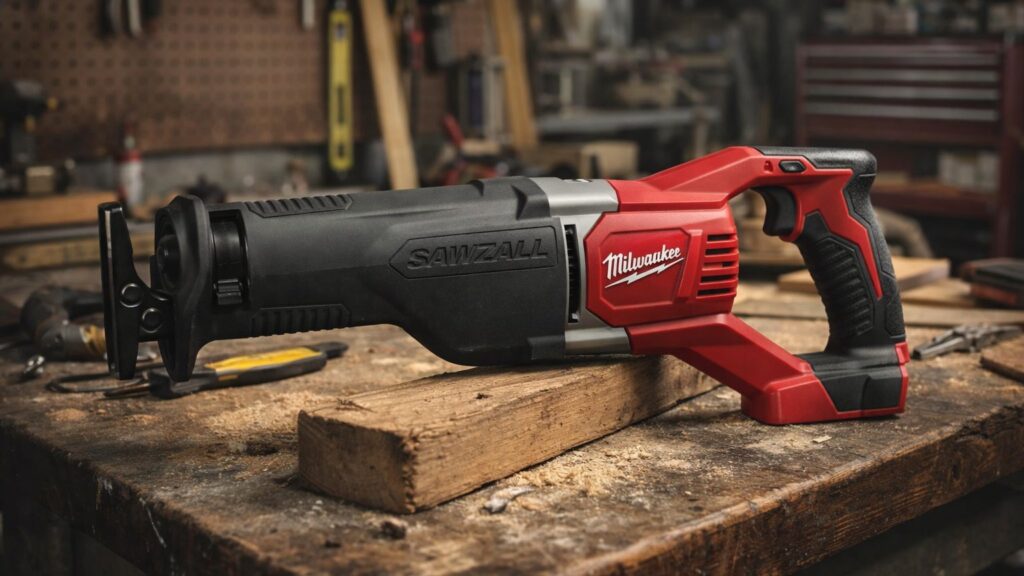
Buying framework
How to think about buying a reciprocating saw for demolition work
Most reciprocating saws used for demolition are capable of rough cutting. The differences that affect real-world use show up in control, vibration, tool size, and how well the saw handles mixed materials over longer sessions—not in a single specification. Use this framework to identify what matters for your workload before narrowing the field.
Cutting speed is not the whole story: Fast material removal matters, but control matters just as much when the blade is moving through nails, pipe, framing, or awkward cuts near finished surfaces.
Vibration changes the experience: A saw that cuts aggressively but transmits constant vibration can become harder to control over time, especially during repeated demolition passes or overhead work.
Choose size by access and material: Compact saws are easier to position in confined spaces and for one-handed adjustments. Larger saws generally offer more stroke and stability for heavier tear-out work.
Weight affects real usability: Demolition often involves extended cutting at odd angles. Tool weight, balance, and grip shape influence fatigue, especially when moving quickly between cuts and materials.
Durability matters in rough conditions: Demolition tools are exposed to dust, impact, and inconsistent loads. Pay attention to construction quality, shoe design, and blade-change hardware that holds up to repeated use.
Who this is for
Choose a reciprocating saw that matches how you actually work
The right reciprocating saw depends on the type of demolition you take on, how often you use it, and the environments you work in. Use these profiles to align tool size, control, and durability with the demands of your work.
Occasional teardown and home projects: use a reciprocating saw for light demolition like removing old fixtures, cutting small sections of wood, or trimming materials during repairs. Priorities include manageable weight, simple handling, and predictable control. What matters most is ease of use and comfort over short sessions.
Remodeling and moderate demolition: work involves cutting framing, nails, drywall, and mixed materials across longer sessions. Priorities include balanced power, reduced vibration, and reliable ergonomics. What matters most is maintaining control and consistency as workloads increase.
Tight spaces and awkward cuts: frequently cut in confined areas such as between studs, under fixtures, or near finished surfaces. Priorities include compact size, good visibility, and precise handling. What matters most is maneuverability and control in restricted environments.
Heavy demolition and structural tear-out: involves repeated cutting through dense materials, fasteners, and larger sections of framing or piping. Priorities include higher stroke output, durability, and stability during aggressive cuts. What matters most is sustained performance under demanding conditions.
Frequent use across varied tasks: switch between light and heavy demolition depending on the job, often in unpredictable conditions. Priorities include versatility, balanced weight, and consistent performance across materials. What matters most is a tool that adapts without compromising control or durability.
What to pay attention to
Which reciprocating saw specs actually matter
Spec sheets can make reciprocating saws look dramatically different, but many numbers don’t reflect how the tool behaves during demolition. These are the specifications that affect real-world control and cutting performance — and the ones that rarely change how the saw actually feels in use.
Specs that affect feel
Vibration, balance, grip design, and trigger response determine how controlled or fatiguing the saw feels during repeated cuts.
Specs that affect capability
Stroke length, speed range, and sustained behavior under load determine how effectively the saw moves through different materials.
Vibration control: Demolition cutting generates constant feedback through the tool. Lower vibration improves accuracy and reduces fatigue, especially during longer or overhead work.
Weight and balance: Published weight alone doesn’t reflect how the saw handles. Balance across the grip and front housing affects stability when cutting at awkward angles or in tight spaces.
Stroke length and speed: Longer strokes remove material faster, while higher stroke rates increase cutting speed. The tradeoff is control, especially when working through mixed materials or near edges.
Shoe design and adjustability: The front shoe helps stabilize the saw during cuts. A firm, adjustable shoe improves control and allows better use of blade length as teeth wear down.
Runtime and power delivery: Sustained cutting performance matters more than initial speed. Tools that maintain consistent output under load feel more predictable across dense or varied materials.
Often overhyped: maximum strokes per minute and peak power claims that don’t reflect control, vibration, or how the saw behaves during continuous demolition work.
Avoid these traps
Common mistakes people make when buying a reciprocating saw
Most dissatisfaction with a reciprocating saw comes from choosing a tool that doesn’t match how demolition work actually happens. These are the most common mistakes we see—and how to avoid them before you decide.
Focusing on maximum cutting speed alone: High stroke rates and aggressive cutting claims can be appealing, but they often come at the expense of control. In demolition work, predictable handling through mixed materials matters more than raw speed.
Choosing a larger tool “for everything”: Full-size saws can feel powerful, but they are harder to manage in tight spaces and during overhead cuts. Tool size should match access and working position, not just perceived capability.
Ignoring vibration and fatigue: Vibration is rarely highlighted in specifications, yet it has a direct impact on comfort and accuracy. A saw that feels harsh over time can reduce control and make longer sessions more difficult.
Overlooking how weight affects real use: Heavier tools can feel stable at first but become tiring during repeated cuts or awkward positioning. Balance and handling often matter more than total weight on paper.
Assuming all saws handle mixed materials equally: Demolition often involves cutting through wood, fasteners, and metal in a single pass. Tools that struggle to stay consistent under changing loads can feel unpredictable.
Taking spec sheet claims at face value: Numbers like strokes per minute or peak output don’t fully represent how a saw behaves during continuous use. Real performance is shaped by control, stability, and how the tool manages sustained cutting.
Decision guidance
Which type of reciprocating saw is right for you
The right reciprocating saw depends more on how and where you cut than on headline specs. Use this to match tool size, behavior, and output to the demands of your demolition work.
Choose a compact saw if: your work involves tight spaces, overhead cuts, or frequent repositioning. Compact tools are easier to control in confined areas and reduce fatigue during shorter, repetitive cuts. They trade some cutting speed and stability for maneuverability and precision.
Choose a full-size saw if: you regularly cut through thicker materials, mixed assemblies, or larger sections during demolition. Larger saws provide longer strokes and more stability, which helps maintain momentum through dense or inconsistent materials. The tradeoff is added weight and reduced agility in tight conditions.
If you’re balancing size and output: consider where you spend most of your time—positioning the tool or making the cut. A saw that feels controlled and steady in your typical working position often leads to more consistent results than one that is harder to manage but cuts faster in ideal conditions.
Match the saw to your 80% tasks: most demolition work involves repeated cuts through framing, fasteners, and mixed materials rather than extreme scenarios. Choose the configuration that handles those everyday conditions comfortably, and only prioritize higher output if your routine work demands it.
When a reciprocating saw isn’t the best tool: if your work requires straight, clean cuts or precise material removal, other saw types are often more appropriate. Reciprocating saws excel at rough demolition, not accuracy, so consider complementary tools when finish quality or control of cut lines matters.
Ownership & compatibility
What you’re really buying into long term
A reciprocating saw isn’t just a one-time purchase. Long-term value comes from the battery system, parts availability, service support, and how easily the tool fits into your workflow as demolition needs change.
Battery options and runtime: Demolition work can shift between quick cuts and extended sessions. Having access to both compact and higher-capacity batteries allows you to manage weight versus runtime depending on the task.
Platform commitment: If you already use a compatible battery system, staying within it reduces friction. If starting fresh, consider how widely supported the platform is and whether it aligns with future tool needs.
Blades and wear items: Blades are consumables in demolition and will need frequent replacement. Easy blade changes and broad compatibility with common blade types simplify ongoing use and reduce downtime.
Durability and serviceability: Demolition tools experience heavy vibration, dust, and impact. Access to replacement parts and straightforward servicing helps extend tool life beyond initial ownership.
Total cost of ownership: Batteries, chargers, and replacement blades contribute more to long-term costs than the tool itself. Planning for ongoing replacements and maintenance gives a clearer picture of ownership over time.
FAQ
Reciprocating saw buying guide FAQ
Quick answers to the questions people ask most when choosing a reciprocating saw—focused on real demolition use, not spec-sheet claims.
Do I need a full-size saw, or is a compact one enough?
What’s more important: stroke length or strokes per minute?
How much does vibration really matter?
What blade types should I expect to use?
How important is battery size for demolition work?
Do I need an adjustable shoe?
Is a reciprocating saw precise enough for finish work?
What features actually matter day to day?
How long should a reciprocating saw last?
Bottom line
The simplest way to pick the right reciprocating saw
Most reciprocating saws can handle basic demolition. The right one is the tool that feels controlled, balanced, and predictable for the type of cutting you do most often.
If you want the easiest ownership experience: stay within a battery platform that fits your existing tools or future needs, and plan for multiple battery sizes to balance runtime and weight.
If control and comfort matter most: prioritize low vibration, balanced handling, and a grip that stays steady during awkward cuts—these define how the saw feels in real use.
If you handle heavier demolition: choose a larger, more stable saw that maintains cutting momentum through dense or mixed materials, but avoid stepping up if that workload is occasional.
If your work involves tight spaces or overhead cuts: a more compact saw is easier to position and less fatiguing, even if it sacrifices some cutting speed.
Final check: think about where and how you cut most often—positioning, duration, and material—and choose the saw that feels most controlled in that scenario.
Reading Shortcuts
Jump to the sections that matter most for choosing the right reciprocating saw.
Decision Reminders
A quick checklist before you commit to a reciprocating saw and battery platform.
- Choose control over raw speed: a saw that feels stable through mixed materials is easier to manage than one that cuts aggressively but unpredictably.
- Match size to your work: compact helps in tight or overhead cuts, while full-size supports longer, heavier demolition passes.
- Vibration affects real use: lower vibration improves accuracy and reduces fatigue during repeated or extended cutting.
- Battery choice changes handling: larger packs extend runtime but can make the saw feel heavier and less balanced.
- Plan for blade replacement: demolition wears blades quickly, so easy changes and keeping extras on hand reduce workflow interruptions.
- Don’t rely on headline specs: stroke rate and peak output matter less than how the saw behaves during sustained, real-world cutting.
Glossary Snippets
Quick translations for the terms that confuse buyers most.
When to Use a Top 10 Review
If you want the fastest shortlist, this is the format that gets you to a confident pick.
- You’re starting from scratch: A ranked list helps translate specs into real-world demolition use and narrow the field quickly.
- You want a structured shortlist: Categories like “Best Overall” or “Best for Heavy Demolition” organize options by typical use cases.
- You need to compare use scenarios: It’s easier to see how different tool types fit tasks like tight cuts, overhead work, or heavy tear-out.
- You’re evaluating long-term fit: Top 10 formats highlight platform considerations and how tools align with ongoing workflow needs.
Already down to 2–3 models? A Comparison is usually faster than reading full reviews.
When to Use a Comparison
Best when you’re choosing between specific models and want the clearest tradeoffs.
- You’re down to 2–3 finalists: side-by-side differences make it easier to see how each tool handles real demolition tasks.
- You want clarity on control vs output: head-to-heads show how size, vibration, and cutting behavior compare in use.
- You need tradeoffs explained: comparisons highlight where one option leads in control, durability, or sustained performance.
- You want a fast, confident decision: this format distills key differences so you can choose without reading full guides.
Still exploring? Start with a Top 10 to find the right type of saw first.