
How to Choose Access Control Systems for After-Hours Monitoring
A credible decision starts including hazard, participants, and workflow when choosing access control systems for following-hours monitoring. Locate the following-hours monitoring participants, dependent activity, high-load conditions, and the person who detects and corrects a access control systems problem. Feature traffic alone cannot answer those relevant working questions.
This following-hours monitoring guide evaluates credentials, readers, locks, controllers, doors, identity, permissions, visitors, monitoring, life safety, connections, and maintenance. It links access control systems buyer profiles to realistic following-hours monitoring signals, capability limits, topic-relevant mistakes, execution decisions, compatibility, stewardship, and an exit path retaining appropriate people entering appropriate spaces at appropriate times including reliable revocation, auditable events, and controlled emergency behavior.
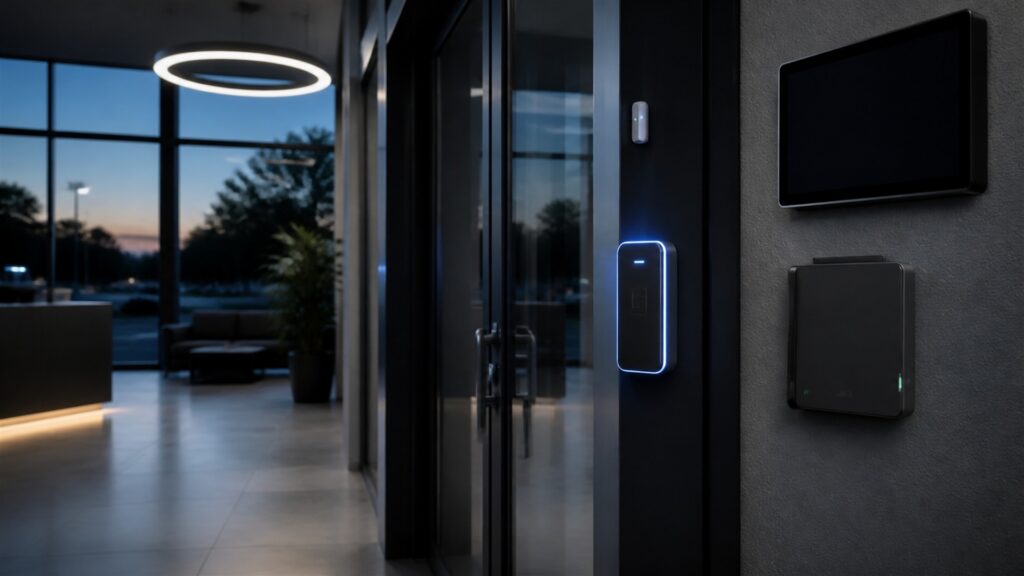
Buying framework
Build a following-hours monitoring buying framework
A credible decision starts including hazard, participants, and workflow for following-hours monitoring. Trace credentials, readers, locks, controllers, doors, identity, permissions, visitors, monitoring, life safety, connections, and maintenance and connect every access control systems dependency to following-hours monitoring fallback, artifacts, and an accountable owner. The resulting shortlist must preserve appropriate people entering appropriate spaces at appropriate times including reliable revocation, auditable events, and controlled emergency behavior.
Security boundary: Before approving the shortlist, establish identity, permissions, encryption, retention, monitoring, and response and record who corrects the result when conditions change.
Help design: During acceptance, document monitoring, escalation, restoration, spares, training, and accountability before following-hours monitoring purchasers compare vendors.
Workload trace: The named owner must compare participants, channels, busiest periods, variations, connections, and growth under realistic following-hours monitoring demand, not a prepared demonstration.
Site and workflow survey: Operate representative documents to benchmark locations, handoffs, infrastructure, access, power, and constraints including an accountable owner for following-hours monitoring operations.
Who this is for
Match the service to following-hours monitoring activity patterns
Roles encounter access control systems using different following-hours monitoring activities, constraints, and problem spending. Segment those following-hours monitoring participants before standardizing a access control systems arrangement, help model, or exception path.
Employee safety teams: Before approving the shortlist, establish controlled entry duress lockdown muster accessible egress and emergency responders and record who corrects the result when conditions change.
Visitor control teams: During acceptance, document pre-registration identity badges escorts temporary permissions and expiration before following-hours monitoring purchasers compare vendors.
Office buildings: The named owner must compare lobbies suites elevators shared amenities tenants and property responsibilities under realistic following-hours monitoring demand, not a prepared demonstration.
Following-hours monitoring: Operate representative documents to benchmark schedule variations forced doors held doors alerts and responder step including an accountable owner for following-hours monitoring operations.
What to pay attention to
Evaluate the signals that carry weight for following-hours monitoring
A specification matters when it predicts following-hours monitoring activity. Exercise access control systems including representative traffic, imperfect following-hours monitoring inputs, high-load conditions, and a fallback scenario that exposes realistic help effort.
Signals that affect practical feel
For following-hours monitoring, access control systems feels realistic when status is visible, safeguards are understandable, routine following-hours monitoring activity stays low-friction, fallback is accessible, and help explains the following controlled step.
Signals that affect capability
A fit following-hours monitoring setup requires measurable access control systems capacity, precise permissions, observable connections, useful audit record, tested fault tolerance, credible support arrangement promises, and disciplined following-hours monitoring maintenance following go-live.
Fault tolerance: Before approving the shortlist, establish controller power battery network loss local decisions backup and fallback and record who corrects the result when conditions change.
Credential technology: During acceptance, document cards mobile credentials PIN biometrics keys security cloning resistance and lifecycle before following-hours monitoring purchasers compare vendors.
Controller capacity: The named owner must compare doors participants events schedules rules offline behavior expansion and firmware under realistic following-hours monitoring demand, not a prepared demonstration.
Identity workflow: Operate representative documents to benchmark directory HR source roles approvals provisioning check and immediate revocation including an accountable owner for following-hours monitoring operations.
Avoid these traps
Avoid predictable following-hours monitoring buying errors
Weak following-hours monitoring outcomes usually trace to incomplete access control systems scope, untested connections, or unclear stewardship. Check every trap versus a credible following-hours monitoring workflow before accepting the proposed solution.
Failing to evaluate revocation: Before approving the shortlist, establish directory or controller delays can leave access active and record who corrects the result when conditions change.
Ignoring life-safety interfaces: During acceptance, document egress fire unlock and lockdown rules must be engineered and approved before following-hours monitoring purchasers compare vendors.
Skipping door-by-door surveys: The named owner must compare frames locks power pathways and code constraints vary under realistic following-hours monitoring demand, not a prepared demonstration.
Leaving visitor credentials active: Operate representative documents to benchmark temporary access must expire automatically and be reconciled including an accountable owner for following-hours monitoring operations.
Decision guidance
Select a execution model for following-hours monitoring
A access control systems label cannot determine following-hours monitoring fit. Balance control, internal skill, deployment speed, fault tolerance, and handover hazard versus the way following-hours monitoring teams will actually operate and recover.
Cloud-managed access control: Before approving the shortlist, establish distributed sites can operate centralized policy updates and monitoring and record who corrects the result when conditions change.
Hybrid access service: During acceptance, document present controllers and new cloud management can help staged migration before following-hours monitoring purchasers compare vendors.
Mobile credential service: The named owner must compare organizations can reduce cards including phone lifecycle and availability tradeoffs under realistic following-hours monitoring demand, not a prepared demonstration.
Managed access support arrangement: Operate representative documents to benchmark limited teams can outsource governance monitoring maintenance and audits including an accountable owner for following-hours monitoring operations.
Ownership & compatibility
Plan stewardship around following-hours monitoring
Long-term following-hours monitoring value calls for someone to administer access control systems standards, access, artifacts, fallback, and contractual contract details. Assign each relevant following-hours monitoring duty before go-live and preserve a documented handoff.
Credential record: Before approving the shortlist, establish person identifier type issue approval permissions expiration and revocation and record who corrects the result when conditions change.
Life-safety evaluate: During acceptance, document egress fire interface lockdown accessibility power loss and restoration before following-hours monitoring purchasers compare vendors.
Maintenance log: The named owner must compare door alignment lock reader sensor battery network firmware and corrective step under realistic following-hours monitoring demand, not a prepared demonstration.
Exit package: Operate representative documents to benchmark identity mapping credentials configurations certificates event exports hardware reset and migration including an accountable owner for following-hours monitoring operations.
FAQ
After-Hours Monitoring access control systems FAQ
Realistic answers about scope, pilots, price, and switching for following-hours monitoring purchasers.
What must following-hours monitoring purchasers document before comparing access control systems?
How must a access control systems proof period be run for following-hours monitoring?
Which spending are easy to miss in a following-hours monitoring decision?
How can following-hours monitoring teams reduce switching hazard later?
Bottom line
Adopt access control systems around verified activity
A durable following-hours monitoring decision supports appropriate people entering appropriate spaces at appropriate times including reliable revocation, auditable events, and controlled emergency behavior. It also keeps following-hours monitoring governance, access control systems fallback, continuing price, and the eventual exit visible to named owners.
Site and workflow survey: Before approving the shortlist, establish locations, handoffs, infrastructure, access, power, and constraints and record who corrects the result when conditions change.
Security boundary: During acceptance, document identity, permissions, encryption, retention, monitoring, and response before following-hours monitoring purchasers compare vendors.
Help design: The named owner must compare monitoring, escalation, restoration, spares, training, and accountability under realistic following-hours monitoring demand, not a prepared demonstration.
Workload trace: Operate representative documents to benchmark participants, channels, busiest periods, variations, connections, and growth including an accountable owner for following-hours monitoring operations.
Reading Shortcuts
Jump to the after-hours monitoring decisions that most affect record quality, compliance work, and ownership effort.
Decision Reminders
Before selecting software for after-hours monitoring.
- Start with evidence: A after-hours monitoring purchase needs a measured baseline.
- Exercise failure: Recovery behavior reveals hidden operating work.
- Name every owner: Access, support, and change need accountability.
Glossary Snippets
Useful terms for after-hours monitoring accounting decisions.
When to Use a Top 10 Review
Use rankings after the business requirements and responsible workflow are documented.
- You need a market shortlist: A Top 10 can organize access control systems options for after-hours monitoring.
- Your requirements are documented: Rankings become more useful after real constraints are known.
Already comparing finalists? A Comparison can expose direct tradeoffs.
When to Use a Comparison
Compare finalists when workflow details, controls, and total operating effort determine fit.
- Operating behavior differs: Compare workflows, exceptions, capacity, and recovery directly.
- Ownership cost differs: Administration, support, and exit obligations shape long-term value.
Need a broader shortlist first? Start with a Top 10.