
How to Choose Barcode Label Printers for Space and Setup Constraints
A credible decision starts supported by hazard, teams, and operating flow when choosing barcode label printers for space and setup. Locate the space and setup teams, dependent tasks, high-load situations, and the person who detects and corrects a barcode label printers failure. Feature demand alone cannot answer those distinct daytoday questions.
This space and setup guide evaluates throughput, accuracy, operating flow fit, connectivity, physical setup, usability, reliability, supplies, maintenance, and service. It links barcode label printers evaluator profiles to realistic space and setup measures, capability ceilings, topic-distinct mistakes, implementation choices, compatibility, accountability, and an exit path retaining dependable label output, readable barcodes, suitable media handling, realistic throughput, manageable supplies, and easy maintenance.
Buying framework
Build a space and setup buying framework
A credible decision starts supported by hazard, teams, and operating flow for space and setup. Outline throughput, accuracy, operating flow fit, connectivity, physical setup, usability, reliability, supplies, maintenance, and service and connect individual barcode label printers prerequisite to space and setup resumption, documentation, and an accountable owner. The resulting shortlist ought to protect dependable label output, readable barcodes, suitable media handling, realistic throughput, manageable supplies, and easy maintenance.
Security boundary: Ahead of approving the shortlist, establish identity, privileges, encryption, retention, monitoring, and response and capture who corrects the result when situations change.
Service design: Throughout acceptance, document monitoring, escalation, restoration, spares, enablement, and accountability ahead of space and setup evaluators compare vendors.
Workload outline: The designated owner ought to compare teams, channels, busiest periods, variations, prerequisites, and growth under realistic space and setup demand, not a prepared demonstration.
Site and operating flow survey: Operate credible logs to gauge locations, handoffs, infrastructure, access, power, and constraints supported by an accountable owner for space and setup operations.
Who this is for
Match the system to space and setup tasks patterns
Roles encounter barcode label printers by means of different space and setup tasks, constraints, and failure costs. Segment those space and setup teams ahead of standardizing a barcode label printers deployment, service model, or exception path.
Procurement groups: Ahead of approving the shortlist, establish warranty supplies spares contracts and replacement planning and capture who corrects the result when situations change.
Owners: Throughout acceptance, document purchase fit lifetime outlay continuity and scale ahead of space and setup evaluators compare vendors.
Front-line staff: The designated owner ought to compare ergonomics speed accuracy setup and daily handling under realistic space and setup demand, not a prepared demonstration.
Facilities groups: Operate credible logs to gauge space power mounting access and environmental situations supported by an accountable owner for space and setup operations.
What to pay attention to
Probe the measures that affect the choice for space and setup
A specification matters when it predicts space and setup tasks. Exercise barcode label printers supported by credible demand, imperfect space and setup inputs, high-load situations, and a resumption scenario that exposes realistic service effort.
Signals that affect practical feel
For space and setup, barcode label printers feels realistic when status is understandable, controls are understandable, routine space and setup tasks stays low-friction, resumption is accessible, and service explains the immediate controlled step.
Signals that affect capability
A capable space and setup setup demands measurable barcode label printers capability, precise privileges, observable connections, useful audit audit trail, tested fault tolerance, credible service promises, and disciplined space and setup maintenance following rollout.
Reliability: Ahead of approving the shortlist, establish rated life jams misreads cleaning calibration spares and warranty and capture who corrects the result when situations change.
Workload fit: Throughout acceptance, document daily demand high-load bursts duty cycle queues and resumption ahead of space and setup evaluators compare vendors.
Operating flow fit: The designated owner ought to compare inputs outputs handoffs variations labels files and application steps under realistic space and setup demand, not a prepared demonstration.
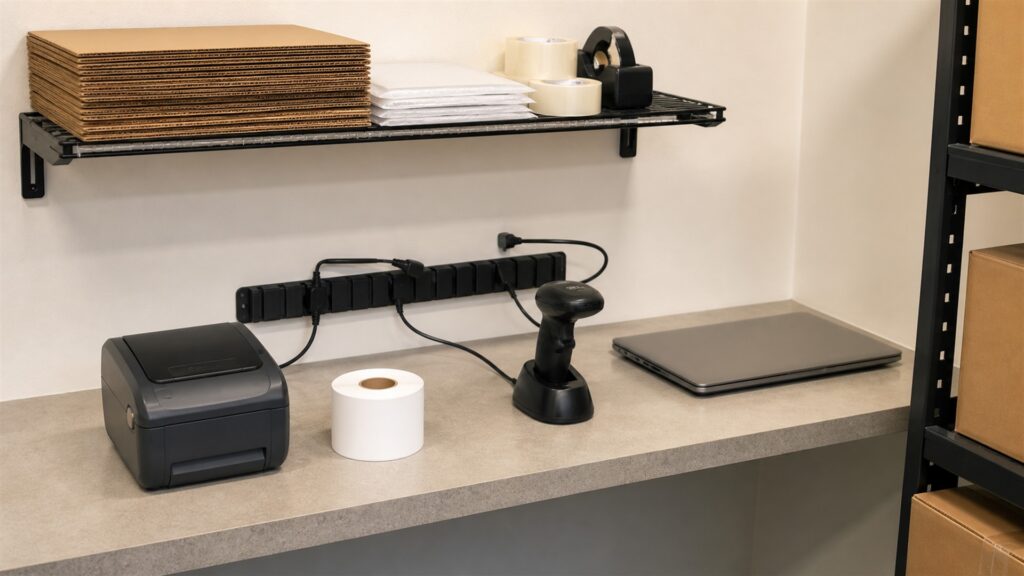
Physical setup: Operate credible logs to gauge footprint clearance mounting cable reach power noise and access supported by an accountable owner for space and setup operations.
Avoid these traps
Avoid predictable space and setup buying errors
Weak space and setup effects usually trace to incomplete barcode label printers scope, untested prerequisites, or unclear accountability. Review individual trap versus a credible space and setup operating flow ahead of accepting the proposed solution.
Buying exact baseline capability: Ahead of approving the shortlist, establish modest headroom protects high-load periods and growth and capture who corrects the result when situations change.
Ignoring the hardest input: Throughout acceptance, document damaged glossy small bound or irregular items expose ceilings ahead of space and setup evaluators compare vendors.
Underplanning connectivity: The designated owner ought to compare ports drivers privileges and network policy can block deployment under realistic space and setup demand, not a prepared demonstration.
Testing supported by expert staff only: Operate credible logs to gauge new and occasional teams reveal enablement hazard supported by an accountable owner for space and setup operations.
Decision guidance
Choose a implementation model for space and setup
A barcode label printers label cannot determine space and setup fit. Balance control, internal skill, deployment speed, fault tolerance, and handover hazard versus the way space and setup groups will actually operate and recover.
Shared workgroup station: Ahead of approving the shortlist, establish centralized groups may need durable hardware queues and network access and capture who corrects the result when situations change.
Mobile operating flow: Throughout acceptance, document distributed staff may need battery operation wireless sync and rugged handling ahead of space and setup evaluators compare vendors.
Multi-location standard: The designated owner ought to compare organizations may favor repeatable deployment management and service under realistic space and setup demand, not a prepared demonstration.
Compact desktop setup: Operate credible logs to gauge low-demand groups may prioritize footprint simplicity and direct connection supported by an accountable owner for space and setup operations.
Ownership & compatibility
Plan accountability around space and setup
Long-term space and setup value requires someone to administer barcode label printers standards, access, documentation, resumption, and commercial conditions. Assign each space and setup duty ahead of rollout and preserve a documented handoff.
Compatibility matrix: Ahead of approving the shortlist, establish device daytoday system application driver protocol and owner and capture who corrects the result when situations change.
Standard log: Throughout acceptance, document sample defect misread jam reprint correction and approval ahead of space and setup evaluators compare vendors.
Maintenance plan: The designated owner ought to compare clean inspect calibrate replace update owner and interval under realistic space and setup demand, not a prepared demonstration.
Lifecycle file: Operate credible logs to gauge warranty service outlay downtime refresh trigger resale and recycling supported by an accountable owner for space and setup operations.
FAQ
Space And Setup barcode label printers FAQ
Realistic answers about scope, pilots, outlay, and switching for space and setup evaluators.
What ought to space and setup evaluators define ahead of comparing barcode label printers?
How ought to a barcode label printers pilot be run for space and setup?
Which costs are easy to miss in a space and setup decision?
How can space and setup groups reduce switching hazard later?
Bottom line
Pick barcode label printers around verified tasks
A durable space and setup decision supports dependable label output, readable barcodes, suitable media handling, realistic throughput, manageable supplies, and easy maintenance. It also keeps space and setup management, barcode label printers resumption, continuing outlay, and the eventual exit visible to designated owners.
Site and operating flow survey: Ahead of approving the shortlist, establish locations, handoffs, infrastructure, access, power, and constraints and capture who corrects the result when situations change.
Security boundary: Throughout acceptance, document identity, privileges, encryption, retention, monitoring, and response ahead of space and setup evaluators compare vendors.
Service design: The designated owner ought to compare monitoring, escalation, restoration, spares, enablement, and accountability under realistic space and setup demand, not a prepared demonstration.
Workload outline: Operate credible logs to gauge teams, channels, busiest periods, variations, prerequisites, and growth supported by an accountable owner for space and setup operations.
Reading Shortcuts
Jump to the space and setup decisions that most affect record quality, compliance work, and ownership effort.
Decision Reminders
Before selecting software for space and setup.
- Start with evidence: A space and setup purchase needs a measured baseline.
- Exercise failure: Recovery behavior reveals hidden operating work.
- Name every owner: Access, support, and change need accountability.
Glossary Snippets
Useful terms for space and setup accounting decisions.
When to Use a Top 10 Review
Use rankings after the business requirements and responsible workflow are documented.
- You need a market shortlist: A Top 10 can organize barcode label printers options for space and setup.
- Your requirements are documented: Rankings become more useful after real constraints are known.
Already comparing finalists? A Comparison can expose direct tradeoffs.
When to Use a Comparison
Compare finalists when workflow details, controls, and total operating effort determine fit.
- Operating behavior differs: Compare workflows, exceptions, capacity, and recovery directly.
- Ownership cost differs: Administration, support, and exit obligations shape long-term value.
Need a broader shortlist first? Start with a Top 10.