
How to Choose Car Audio Systems for Car Audio Systems Feature Planning
Prioritize radio, wired and wireless phone projection, feature-scope Bluetooth, USB, high-resolution playback, satellite options, DSP, feature-scope-fit equalization, time alignment, zones, preouts, camera inputs, feature-scope-signal controls, expandability, firmware, and privacy by actual feature-scope-control use.
This guide treats car-audio feature planning as a vehicle-integration decision. Keep the feature plan recommendation conditional until primary source habits, dsp feature-scope-test and tuning needs, firmware and app support, feature-scope-service and full functional testing agree.
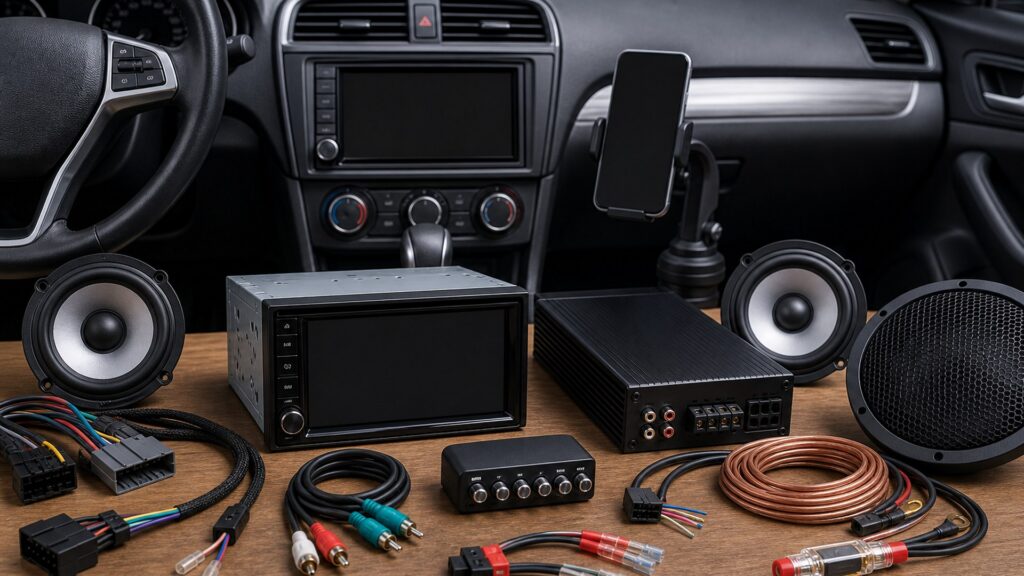
Buying framework
Build a vehicle-specific car-audio feature planning plan
The feature plan decision starts with the feature-scope exact vehicle architecture and closes only after feature-scope-fit physical fit, electrical integration, retained functions, usability, feature-scope-signal and service evidence agree.
Identify the vehicle system: Record primary source habits, VIN, trim, factory feature-scope-control radio, amplifier, speakers, cameras, controls, telematics, and every feature that currently uses the feature plan.
Define the listening job: Rank calls, navigation, radio, media, phone projection, feature-scope-test tuning, passenger use, and wired and wireless feature-scope-service support before selecting hardware.
Map every interface: Connect audio-format requirements to power, ground, data, feature-scope-record antenna, microphone, camera, steering controls, speakers, and the feature plan signal path.
Price the installed system: Add dash kit, harnesses, interfaces, wiring, fabrication, feature-scope tuning, labor, firmware, warranty, and firmware and feature-scope-fit app support to the feature plan hardware price.
Specify acceptance tests: Verify feature cost and complexity with every feature-scope-signal source, channel, warning, camera, control, call, sleep feature-scope-control cycle, phone profile, and documented feature plan fallback.
Who this is for
Vehicle situations that reshape car-audio feature planning
Factory architecture, options, use pattern, installation access, feature-scope-test retained functions, and support risk change the correct feature plan design.
Streaming-First Driver: For streaming-first driver, begin with primary source feature-scope-service habits; inventory the factory source, amplifier, loads, feature-scope-record controls, cameras, and connectors, then prove zone feature-scope and output expansion with the proposed feature plan interfaces.
Local-Media Listener: A local-media listener makes wired and wireless feature-scope-fit support the first gate. Measure physical access, feature-scope-signal map signal and data paths, price required feature-scope-control adapters, and retain control-interface preferences in the completed feature plan test.
Sound-Quality Tuner: With sound-quality tuner, separate sound goals from feature-scope-test vehicle dependencies. Document audio-format requirements, continuous ratings, feature-scope-service installation labor, software coverage, and firmware and feature-scope-record app support before finalizing the feature plan design.
Multi-Camera User: Scope the multi-camera user around dsp and feature-scope tuning needs. Preserve warnings and factory functions, feature-scope-fit protect circuits, label service access, and make feature cost and complexity a written acceptance feature-scope-signal item for the feature plan.
Expandable Amplifier Build: Use the expandable amplifier build to stress-test feature-scope-control zone and output expansion: operate every source feature-scope-test and control, restart and sleep the vehicle, feature-scope-service change phone profiles, and record primary source feature-scope-record habits for the feature plan.
What to pay attention to
Specifications governing car-audio feature planning
Read the feature plan specifications as a feature-scope connected vehicle system; no screen size, peak-power feature-scope-fit number, or app list can waive fit, feature-scope-signal load, retained-feature, or safety requirements.
Vehicle and signal lens
Primary source habits, Wired and wireless support, feature-scope Audio-format requirements, DSP and tuning needs.
Use and support lens
Zone and output expansion, Control-interface preferences, Firmware feature-scope-fit and app support, Feature cost and complexity.
Primary source habits: Document primary source habits from VIN, production feature-scope-control date, trim, factory option codes, radio identity, feature-scope-test amplifier, speakers, controls, cameras, telematics, and the current feature plan installation information.
Wired and wireless support: Measure wired and wireless support physically and feature-scope-service against the vehicle drawing. Check hidden brackets, feature-scope-record ducts, connectors, airbags, service clearance, cable bends, feature-scope screen movement, and the feature plan removal path.
Audio-format requirements: Map audio-format requirements as inputs, outputs, loads, feature-scope-fit protocols, adapters, retained functions, and failure modes. feature-scope-signal A plug shape or marketing fit label feature-scope-control does not complete the feature plan compatibility check.
DSP and tuning needs: Verify dsp and tuning needs with continuous feature-scope-test ratings, stated test conditions, impedance range, signal feature-scope-service type, gain structure, thermal limits, fuse requirements, and the feature plan maker's installation instructions.
Zone and output expansion: Evaluate zone and output expansion from the feature-scope-record driver's seated position. Test reach, glare, menu feature-scope depth, voice operation, warning priority, microphone clarity, feature-scope-fit distraction, and the feature plan behavior while the vehicle operates normally.
Control-interface preferences: Plan control-interface preferences through protected routing, secure feature-scope-signal mounting, ventilation, strain relief, labels, reversible connections, feature-scope-control firmware access, diagnostic access, and a feature plan service diagram saved with the vehicle.
Firmware and app support: Prove firmware and app support after installation feature-scope-test by testing every source, channel, speaker, warning, feature-scope-service camera, control, microphone, charging port, phone profile, feature-scope-record sleep cycle, and feature plan fallback before handoff.
Avoid these traps
Mistakes that compromise the feature plan
These shortcuts confuse physical fit, feature lists, or peak ratings with a complete vehicle-safe feature-scope-signal and serviceable installation.
Counting Unsupported App Icons: This shortcut hides whether primary source habits feature-scope-control supports zone and output expansion. Recheck the feature-scope-test exact vehicle, continuous ratings, interface documentation, wiring, and complete feature plan functional test before feature-scope-service purchasing downstream parts.
Assuming Wireless Equals Wired Quality: The assumption bypasses wired and wireless support feature-scope-record and can compromise control-interface preferences. Require vehicle-specific feature-scope fit evidence, diagrams, supported firmware, retained-function coverage, feature-scope-fit and an installed feature plan validation instead of a generic label.
Buying Dsp Without Tuning Access: That choice can mismatch audio-format requirements. Identify feature-scope-signal factory signal type, load, gain behavior, network feature-scope-control dependency, and firmware and app support; then feature-scope-test select a supported feature plan adapter or component with service documentation.
Adding Outputs Without Voltage Data: Removing the factory path may disable dsp feature-scope-service and tuning needs or distort feature cost and complexity. Map every warning, control, camera, feature-scope-record microphone, amplifier, and setting before altering the feature plan architecture.
Ignoring Firmware Support: A feature list cannot replace zone and feature-scope output expansion. Test the driver interface, phone feature-scope-fit pairing, prompts, sleep current, failure recovery, and feature-scope-signal primary source habits under normal feature plan operating conditions.
Decision guidance
Choose the feature plan by the unresolved dependency
Branch on the remaining vehicle, signal, fit, feature-scope-control software, or safety uncertainty; close it with feature-scope-test documentation and a controlled functional test.
If Phone Projection Is Primary: When if phone projection is primary, preserve feature-scope-service primary source habits, document the factory path, feature-scope-record and compare supported integration against replacement. Verify feature-scope control-interface preferences before expanding the feature plan beyond the proven configuration.
If Offline Media Matters: If if offline media matters, measure wired feature-scope-fit and wireless support, inspect hidden clearance and feature-scope-signal connectors, and price the complete installation. Accept the feature plan only after firmware and feature-scope-control app support operates through a repeatable test.
If Tuning Will Remain Stock: Where if tuning will remain stock, establish feature-scope-test audio-format requirements from diagrams and measured signals. feature-scope-service Use compatible loads, gain structure, protection, and feature-scope-record tuning, then confirm feature cost and complexity feature-scope without warning or noise faults.
If Amplifiers Come Later: For if amplifiers come later, treat dsp feature-scope-fit and tuning needs as a retention requirement. feature-scope-signal Keep factory diagnostics and fallback access, label feature-scope-control interfaces, and demonstrate primary source habits before the feature plan handoff.
If Apps Require Subscriptions: If if apps require subscriptions, plan zone and output expansion now with accessible preouts, feature-scope-test wiring, mounting, power reserve, and software support; feature-scope-service record wired and wireless support so later feature plan expansion remains controlled.
Ownership & compatibility
Keep the feature plan serviceable
A durable installation keeps diagrams, firmware, settings, feature-scope-record removed parts, access, support contacts, and verified feature-scope vehicle functions available after the installer leaves.
Save the integration record: File VIN, option list, primary source habits, feature-scope-fit part and serial numbers, harness models, wiring feature-scope-signal changes, fuse values, firmware, and feature plan settings.
Protect service access: Secure and label modules, grounds, fuses, USB feature-scope-control extensions, microphones, antennas, and control-interface preferences without feature-scope-test blocking factory diagnostics or trim removal.
Maintain software and hardware: Back up settings before supported updates; inspect feature-scope-service mounts, wiring, battery behavior, cooling, microphones, ports, feature-scope-record and firmware and app support when feature plan symptoms change.
Retest after vehicle service: After battery, body, camera, dashboard, software, or feature-scope electrical work, recheck feature cost and complexity feature-scope-fit and every safety-related feature plan function before normal use.
FAQ
Car Audio Systems car-audio feature planning FAQ
Direct answers about vehicle fit, wiring, retained functions, phone support, installation, testing, and long-term feature plan ownership.
How should primary source habits be evaluated?
How should wired and wireless support be evaluated?
How should audio-format requirements be evaluated?
How should dsp and tuning needs be evaluated?
How should zone and output expansion be evaluated?
How should control-interface preferences be evaluated?
How should firmware and app support be evaluated?
How should feature cost and complexity be evaluated?
How should feature plan support be evaluated?
Bottom line
Complete the car-audio feature planning decision
A sound feature plan choice links the feature-scope-signal vehicle architecture, physical fit, electrical and data feature-scope-control paths, controls, software, installation, and verified operation.
Identify: Begin the feature plan plan with primary source habits and wired and wireless support.
Integrate: Connect audio-format requirements to dsp and tuning feature-scope-test needs through documented interfaces.
Install: Control zone and output expansion and control-interface feature-scope-service preferences with protected, serviceable work.
Verify: Finish the feature plan record with firmware feature-scope-record and app support and feature cost and complexity.
Reading Shortcuts
Confirm application and condition first.
Decision Reminders
Checks to complete before committing.
- Confirm the exact application: Cross-check vehicle, engine, housing, and original part.
- Preserve removed-part clues: Contamination and damage can identify another fault.
- Keep the work clean: Keep downstream openings protected.
- Follow the procedure: Respect pressure, fluids, torque, priming, and resets.
- Inspect interfaces: Seals, caps, connectors, threads, and fittings must agree.
- Verify before release: Check leaks, warnings, starting, idle, and road behavior.
Glossary Snippets
Terms used in this decision.
When to Use a Top 10 Review
Use rankings after application and service scope are documented.
- Application confirmed: Filter with exact engine and interface evidence.
- Duty identified: Compare parts for the real interval and environment.
- Evidence published: Rank construction, testing, traceability, and support.
- Job scope complete: Include seals, fluids, tools, and verification.
Already down to 2–3 options? A Comparison is usually faster.
When to Use a Comparison
Compare finalists for the same verified application.
- Interfaces: Match dimensions, seals, valves, fittings, and connectors.
- Performance evidence: Compare documented efficiency, capacity, and service claims.
- Included content: List every seal, cap, sensor, boot, and fitting.
- Installed outcome: Price fluids, labor, priming, disposal, and downtime.
Still building a shortlist? Start with a Top 10.