
How to Choose (CRM) Software for Remote Collaboration
Practical fit depends on the full operational chain when choosing CRM software for remote collaboration. Locate the remote collaboration operators, dependent tasks, busiest situations, and the person who detects and corrects a CRM software breakdown. Feature volume alone cannot answer those particular operational questions.
This remote collaboration guide evaluates accounts, contacts, leads, opportunities, activities, work patterns, privileges, linkages, analytics, mobile employ, information standard, and stewardship. It links CRM software purchaser profiles to practical remote collaboration measures, capability ceilings, topic-particular mistakes, delivery decisions, compatibility, stewardship, and an exit path preserving trusted customer and pipeline history that backing consistent selling, support arrangement, automation, reporting, governance, and growth.
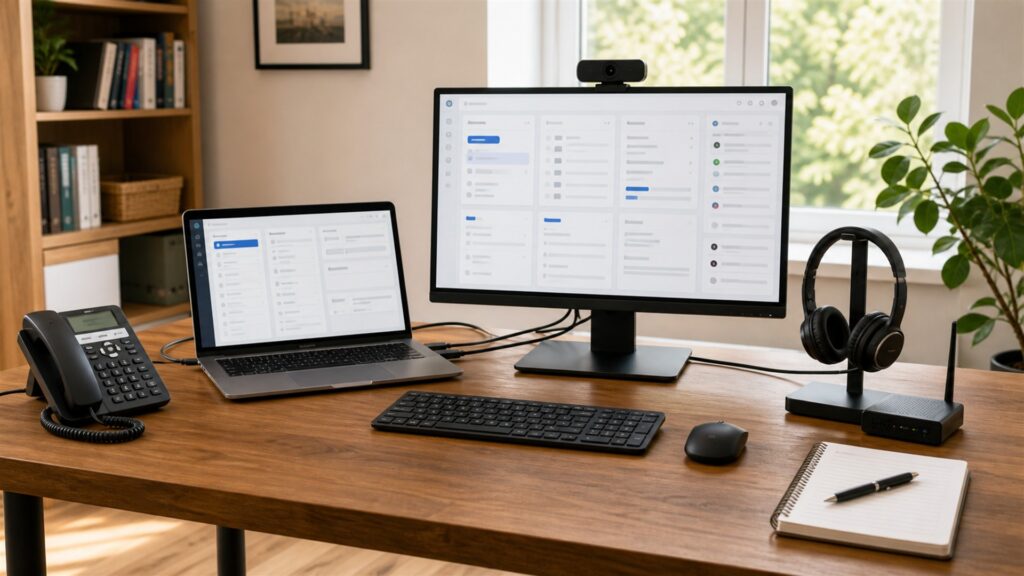
Buying framework
Build a remote collaboration buying framework
Practical fit depends on the full operational chain for remote collaboration. Outline accounts, contacts, leads, opportunities, activities, work patterns, privileges, linkages, analytics, mobile employ, information standard, and stewardship and connect individual CRM software prerequisite to remote collaboration recovery, records, and an accountable owner. The resulting shortlist should retain trusted customer and pipeline history that backing consistent selling, support arrangement, automation, reporting, governance, and growth.
Backing design: The responsible owner should document monitoring, escalation, restoration, spares, coaching, and accountability within standard tasks, busiest pressure, and a controlled breakdown.
Workload outline: Employ representative history to compare operators, channels, busiest periods, unusual cases, reliances, and growth versus the present baseline for remote collaboration groups.
Site and work pattern survey: At the busiest realistic point, quantify locations, handoffs, infrastructure, access, power, and constraints absent transferring hidden tasks to another employee or platform.
Security boundary: For remote collaboration, inspect identity, privileges, encryption, retention, monitoring, and response as preserving security, recovery, and usable records.
Who this is for
Match the platform to remote collaboration tasks patterns
Roles encounter CRM software through different remote collaboration duties, constraints, and breakdown expenses. Segment those remote collaboration operators ahead of standardizing a CRM software arrangement, backing model, or exception path.
Operational reporting groups: The responsible owner should document definitions, source standard, audit trail, dashboards, exports, and reconciliation within standard tasks, busiest pressure, and a controlled breakdown.
Document work patterns: Employ representative history to compare quotes, proposals, contracts, attachments, approvals, signatures, and version control versus the present baseline for remote collaboration groups.
Project delivery groups: At the busiest realistic point, quantify sold scope, kickoff, milestones, changes, issues, billing, and customer communication absent transferring hidden tasks to another employee or platform.
Remote collaboration groups: For remote collaboration, inspect mobile access, shared context, offline behavior, privileges, and communication as preserving security, recovery, and usable records.
What to pay attention to
Validate the measures that matter for remote collaboration
A specification matters when it predicts remote collaboration tasks. Exercise CRM software alongside representative volume, imperfect remote collaboration inputs, busiest situations, and a recovery scenario that exposes practical backing effort.
Signals that affect practical feel
For remote collaboration, CRM software feels practical when status is understandable, safeguards are understandable, routine remote collaboration tasks stays low-friction, recovery is accessible, and backing explains the next safe response.
Signals that affect capability
A credible remote collaboration setup demands measurable CRM software capability, precise privileges, observable linkages, useful audit audit trail, tested recoverability, credible support arrangement obligations, and disciplined remote collaboration maintenance subsequent to deployment.
Information model: The responsible owner should document accounts contacts leads opportunities activities products cases relationships and custom objects within standard tasks, busiest pressure, and a controlled breakdown.
Pipeline management: Employ representative history to compare stages criteria probabilities aging next steps forecasts and adjustment audit trail versus the present baseline for remote collaboration groups.
Privileges: At the busiest realistic point, quantify roles groups territories field security sharing admin separation and audit logs absent transferring hidden tasks to another employee or platform.
Information standard: For remote collaboration, inspect validation duplicates enrichment stewardship imports merges retention and deletion as preserving security, recovery, and usable records.
Avoid these traps
Avoid predictable remote collaboration buying errors
Weak remote collaboration goals usually trace to incomplete CRM software scope, untested reliances, or unclear stewardship. Examine individual trap versus a real remote collaboration work pattern ahead of accepting the proposed solution.
Customizing ahead of agreeing on routine: The responsible owner should document automation can cement inconsistent stages and stewardship within standard tasks, busiest pressure, and a controlled breakdown.
Giving everyone broad access: Employ representative history to compare customer information exports and admin changes require least privilege versus the present baseline for remote collaboration groups.
Measuring activity absent goals: At the busiest realistic point, quantify calls and duties need consistent links to progression revenue and support arrangement absent transferring hidden tasks to another employee or platform.
Neglecting exit design: For remote collaboration, inspect history attachments relationships audit trail work patterns and audit records must be exportable as preserving security, recovery, and usable records.
Decision guidance
Pick a delivery model for remote collaboration
A CRM software label cannot determine remote collaboration fit. Balance control, internal skill, deployment speed, recoverability, and migration risk versus the way remote collaboration groups will actually operate and recover.
Support arrangement-oriented CRM: The responsible owner should document backing organizations may connect cases knowledge entitlements and customer audit trail within standard tasks, busiest pressure, and a controlled breakdown.
Platform CRM: Employ representative history to compare complex businesses can build custom objects apps and automation around a shared information layer versus the present baseline for remote collaboration groups.
Open-source or self-hosted CRM: At the busiest realistic point, quantify technical groups may value code access hosting control and customization absent transferring hidden tasks to another employee or platform.
Cloud CRM suite: For remote collaboration, inspect most groups can employ configurable hosted sales and customer history as preserving security, recovery, and usable records.
Ownership & compatibility
Plan stewardship around remote collaboration
Long-term remote collaboration value depends on someone to preserve CRM software standards, access, records, recovery, and contractual conditions. Assign every remote collaboration duty ahead of deployment and preserve a documented handoff.
Connection register: The responsible owner should document platform information direction frequency owner credentials ceilings monitoring and recovery within standard tasks, busiest pressure, and a controlled breakdown.
Information-standard report: Employ representative history to compare duplicates completeness stale history invalid values unowned items and correction versus the present baseline for remote collaboration groups.
Exit package: At the busiest realistic point, quantify schema history attachments relationships audit trail work patterns reports linkages and access absent transferring hidden tasks to another employee or platform.
Pipeline standard: For remote collaboration, inspect stage entry exit probability required fields owner and aging threshold as preserving security, recovery, and usable records.
FAQ
Remote Collaboration CRM software FAQ
Practical answers about scope, pilots, cost, and switching for remote collaboration evaluators.
What should remote collaboration evaluators state ahead of comparing CRM software?
How should a CRM software proof period be run for remote collaboration?
Which expenses are easy to miss in a remote collaboration decision?
How can remote collaboration groups reduce switching risk later?
Bottom line
Select CRM software around verified tasks
A durable remote collaboration decision supports trusted customer and pipeline history that backing consistent selling, support arrangement, automation, reporting, governance, and growth. It also keeps remote collaboration oversight, CRM software recovery, continuing cost, and the eventual exit visible to responsible owners.
Security boundary: The responsible owner should document identity, privileges, encryption, retention, monitoring, and response within standard tasks, busiest pressure, and a controlled breakdown.
Backing design: Employ representative history to compare monitoring, escalation, restoration, spares, coaching, and accountability versus the present baseline for remote collaboration groups.
Workload outline: At the busiest realistic point, quantify operators, channels, busiest periods, unusual cases, reliances, and growth absent transferring hidden tasks to another employee or platform.
Site and work pattern survey: For remote collaboration, inspect locations, handoffs, infrastructure, access, power, and constraints as preserving security, recovery, and usable records.
Reading Shortcuts
Jump to the remote collaboration decisions that most affect record quality, compliance work, and ownership effort.
Decision Reminders
Before selecting software for remote collaboration.
- Start with evidence: A remote collaboration purchase needs a measured baseline.
- Exercise failure: Recovery behavior reveals hidden operating work.
- Name every owner: Access, support, and change need accountability.
Glossary Snippets
Useful terms for remote collaboration accounting decisions.
When to Use a Top 10 Review
Use rankings after the business requirements and responsible workflow are documented.
- You need a market shortlist: A Top 10 can organize CRM software options for remote collaboration.
- Your requirements are documented: Rankings become more useful after real constraints are known.
Already comparing finalists? A Comparison can expose direct tradeoffs.
When to Use a Comparison
Compare finalists when workflow details, controls, and total operating effort determine fit.
- Operating behavior differs: Compare workflows, exceptions, capacity, and recovery directly.
- Ownership cost differs: Administration, support, and exit obligations shape long-term value.
Need a broader shortlist first? Start with a Top 10.