
How to Choose Dermaplaning Devices for Routine Frequency Planning
Facial hair regrowth can make dermaplaning feel schedule-driven, but skin recovery—not the calendar alone—should determine whether another blade session is appropriate. Frequent surface scraping can overlap with acids, retinoids, scrubs, shaving, sun exposure, and professional procedures.
Build a conservative plan that includes no-treatment intervals. A fresh blade and gentle technique do not make repeatedly treating barely visible regrowth or residual texture beneficial.
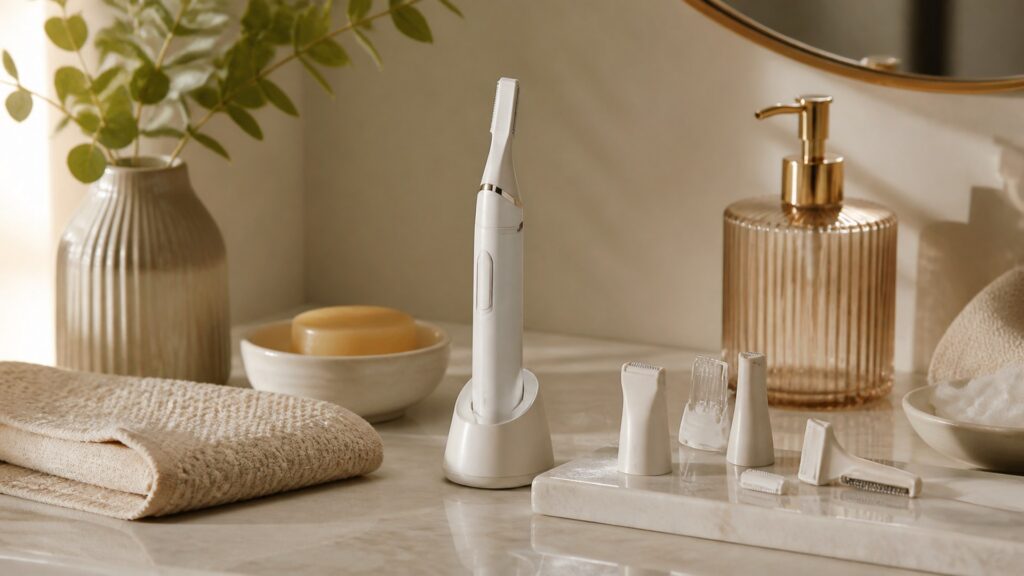
Buying framework
Define the routine frequency planning routine before comparing products
Use the setting, frequency, and skin priorities to narrow dermaplaning devices logically.
Start with the use case: Map every exfoliant, retinoid, shave, peel, facial, and high-sun period.
Rank the practical tradeoffs: Set a minimum interval that allows redness, dryness, and bumps to fully resolve.
Check instructions early: Require calm intact skin and a meaningful amount of regrowth before reconsidering.
Use profiles
Match dermaplaning devices to the person and pace
Three shopper profiles expose different priorities for routine frequency planning.
Routine-focused buyer: A hair-focused user should follow actual regrowth rather than a weekly ritual.
Performance-focused buyer: An active-skin-care user needs wide spacing around retinoids and exfoliation.
Occasional or flexible user: An event planner should leave recovery time and avoid first use near the event.
Specifications
Read the specifications through a routine frequency planning lens
Translate technical language into visible routine benefits.
Handling lens
Count strokes per facial zone in addition to days between sessions.
Ownership lens
Review the skin after cleansing the following morning.
Edge Design: Hair returns gradually while barrier irritation may persist invisibly.
Speed And Control: Dull blades increase strokes and pressure as sessions accumulate.
Safety Guard: Magnification encourages treatment before hair is noticeable normally.
Replacement Blades: Calendar reminders improve consistency but can override skin warning signs.
Cleaning Method: Blade replacement intervals depend on use and manufacturer directions.
Common mistakes
Avoid shortcuts that undermine routine frequency planning
A good purchase can still disappoint when selection or use is based on the wrong assumption.
Buying from one metric: Do not dermaplane simply because a recurring calendar alert appears.
Skipping compatibility checks: Avoid placing blade sessions near peels, waxing, acids, or retinoids.
Ignoring post-use care: Do not reuse a head to save money when it begins to drag.
Decision guidance
Choose the simplest option that covers the real need
Use these decision rules to finish a shortlist for routine frequency planning.
Choose the basic format when: Repeat only after complete recovery and meaningful cosmetic need.
Choose the flexible format when: Use non-blade hair management when frequent regrowth makes scraping excessive.
Pause before upgrading when: Stop the routine when redness, bumps, cuts, or barrier discomfort accumulate.
Ownership & compatibility
Plan for clean, repeatable ownership
The best value remains convenient after the first few uses.
Consumables and replacements: Log date, head age, zones, strokes, competing actives, and recovery.
Cleaning and storage: Keep enough fresh heads to prevent reluctant overuse of dull blades.
Routine compatibility: Reassess frequency whenever skin care, medication, or sun exposure changes.
FAQ
How to Choose Dermaplaning Devices for Routine Frequency Planning FAQ
Practical answers about choosing and owning dermaplaning devices for routine frequency planning.
What matters most when choosing dermaplaning devices for routine frequency planning?
Is the most expensive option better for routine frequency planning?
How should I compare two similar dermaplaning devices options?
Bottom line
Buy for repeatable routine frequency planning results
A focused shortlist is easier to own and use well.
Prioritize fit: Let recovery and visible need override calendar habit.
Verify the limits: Count every exfoliating exposure in the same routine.
Count ownership costs: Replace dragging blades instead of adding strokes.
Reading Shortcuts
Jump to the key dermaplaning devices decisions.
Decision Reminders
Keep these checks beside your shortlist.
- Check edge design: Use only as directed on clean, intact skin with light controlled strokes.
- Check speed and control: Do not use on active acne, broken skin, infection, or significant irritation.
- Check safety guard: Never share blades and replace them as directed.
Glossary Snippets
Plain-language dermaplaning devices terms.
When to Use a Top 10 Review
Use a ranked list to identify a manageable set of strong candidates.
- You are still exploring: A ranked list can reveal the main formats and price tiers.
- You want a shortlist: Start broad, then confirm fit with this buying guide.
Have finalists? Use a Comparison.
When to Use a Comparison
Use a direct comparison when only a few candidates remain.
- Features are close: Side-by-side details clarify meaningful differences.
- Prices overlap: Compare ownership value, not only purchase price.
Still exploring? See the Top 10.