
How to Choose Eye Treatments for Sensitive Skin
Sensitive eye-area skin calls for fewer variables and clearer labels, not a crowded ingredient showcase. Fragrance, strong actives, migration, contaminated applicators, and combining several new products can all complicate the search for a comfortable formula.
“Hypoallergenic,” “clean,” and “dermatologist tested” do not guarantee an individual reaction-free result. A cautious buyer examines the complete ingredient list, package hygiene, placement directions, and return policy before committing to a large or expensive jar.
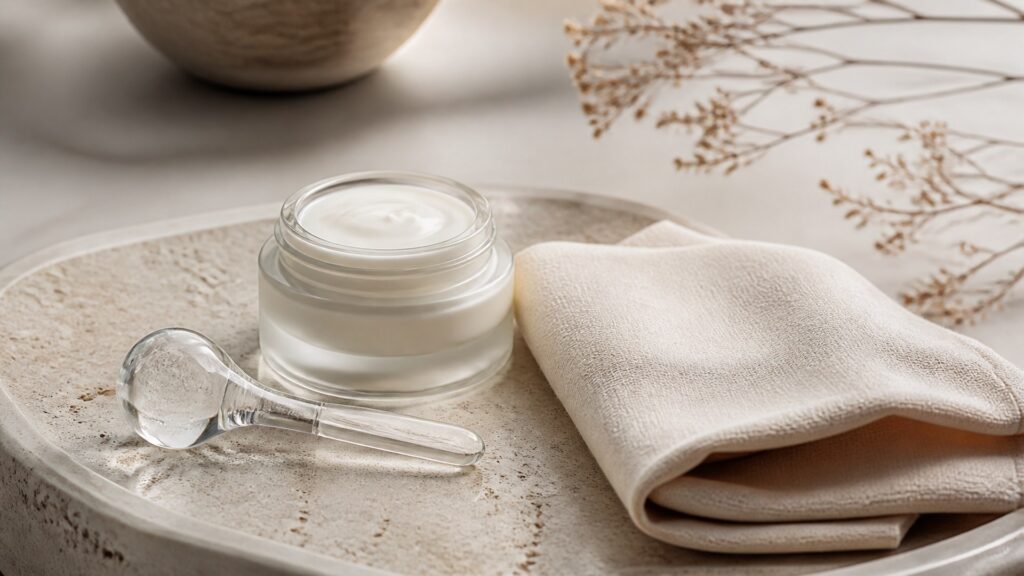
Buying framework
Define the sensitive skin routine before comparing products
Use the setting, frequency, and skin priorities to narrow eye treatments logically.
Start with the use case: Record known ingredient reactions and distinguish skin discomfort from symptoms involving the eye itself.
Rank the practical tradeoffs: Prefer one simple cosmetic goal so the trial does not require a formula overloaded with unrelated actives.
Check instructions early: Introduce the product alone at the directed frequency and keep the rest of the routine stable enough to interpret response.
Use profiles
Match eye treatments to the person and pace
Three shopper profiles expose different priorities for sensitive skin.
Routine-focused buyer: A fragrance-sensitive buyer should seek fragrance-free labeling while still checking botanicals and every disclosed ingredient.
Performance-focused buyer: A reactive-skin user may value a small tube or airless pump that limits repeated hand contact.
Occasional or flexible user: Anyone with recurrent eyelid swelling, pain, discharge, or vision changes needs professional evaluation rather than another cosmetic test.
Specifications
Read the specifications through a sensitive skin lens
Translate technical language into visible routine benefits.
Handling lens
Compare the formula against documented personal triggers, not against a generic sensitive-skin checklist alone.
Ownership lens
Estimate whether a small trial size can establish comfort before the period for returns or exchanges ends.
Formula Texture: A shorter ingredient list is easier to review but is not inherently safer for every person.
Packaging Hygiene: Fragrance-free and unscented can communicate different things, so read the ingredient declaration rather than relying on front-label wording.
Ingredient Tolerability: Airless packaging can reduce exposure to fingers and repeated opening, although pump performance must remain reliable.
Layering Compatibility: Placement directions determine how far the formula should stay from the lash line and direct eye contact.
Day-Versus-Night Use: Frequency guidance matters when retinoids, acids, or other active ingredients are present.
Common mistakes
Avoid shortcuts that undermine sensitive skin
A good purchase can still disappoint when selection or use is based on the wrong assumption.
Buying from one metric: Do not patch-test a cosmetic inside the eye area unless its specific directions or qualified guidance instruct that method.
Skipping compatibility checks: Avoid layering several new active products during the same week.
Ignoring post-use care: Never continue through burning, marked swelling, or eye symptoms because a package describes an adjustment period.
Decision guidance
Choose the simplest option that covers the real need
Use these decision rules to finish a shortlist for sensitive skin.
Choose the basic format when: Favor simple fragrance-free formulas when they meet the actual hydration or cosmetic goal.
Choose the flexible format when: Choose hygienic controlled packaging when contamination from repeated jar contact is a concern.
Pause before upgrading when: Seek medical advice instead of shopping when symptoms are persistent, severe, or involve the eye.
Ownership & compatibility
Plan for clean, repeatable ownership
The best value remains convenient after the first few uses.
Consumables and replacements: Wash hands before dispensing and do not share eye-area products or applicators.
Cleaning and storage: Note the open date and discard a formula that changes smell, color, or consistency.
Routine compatibility: Keep the nozzle from touching skin so residue and organisms are not repeatedly returned to the container.
FAQ
How to Choose Eye Treatments for Sensitive Skin FAQ
Practical answers about choosing and owning eye treatments for sensitive skin.
What matters most when choosing eye treatments for sensitive skin?
Is the most expensive option better for sensitive skin?
How should I compare two similar eye treatments options?
Bottom line
Buy for repeatable sensitive skin results
A focused shortlist is easier to own and use well.
Prioritize fit: Reduce variables so compatibility can be interpreted clearly.
Verify the limits: Treat marketing assurances as secondary to ingredients and response.
Count ownership costs: Move eye symptoms beyond cosmetic self-testing when warning signs appear.
Reading Shortcuts
Jump to the key eye treatments decisions.
Decision Reminders
Keep these checks beside your shortlist.
- Check formula texture: Keep products out of the eye and stop use if significant irritation develops.
- Check packaging hygiene: Introduce one new formula at a time and patch test when appropriate.
- Check ingredient tolerability: Treat sunscreen as a separate daytime requirement unless the product is labeled with adequate SPF.
Glossary Snippets
Plain-language eye treatments terms.
When to Use a Top 10 Review
Use a ranked list to identify a manageable set of strong candidates.
- You are still exploring: A ranked list can reveal the main formats and price tiers.
- You want a shortlist: Start broad, then confirm fit with this buying guide.
Have finalists? Use a Comparison.
When to Use a Comparison
Use a direct comparison when only a few candidates remain.
- Features are close: Side-by-side details clarify meaningful differences.
- Prices overlap: Compare ownership value, not only purchase price.
Still exploring? See the Top 10.