
How to Choose Facial Moisturizers for Sensitive Skin
Sensitive-skin moisturizer shopping should reduce uncertainty rather than accumulate soothing claims. A simple goal, complete ingredients, controlled dispensing, fragrance review, and a stable surrounding routine make tolerance easier to interpret.
“Hypoallergenic,” “clean,” and “dermatologist tested” cannot promise an individual reaction-free result. The formula still needs appropriate humectants, emollients, and occlusion without known personal triggers.
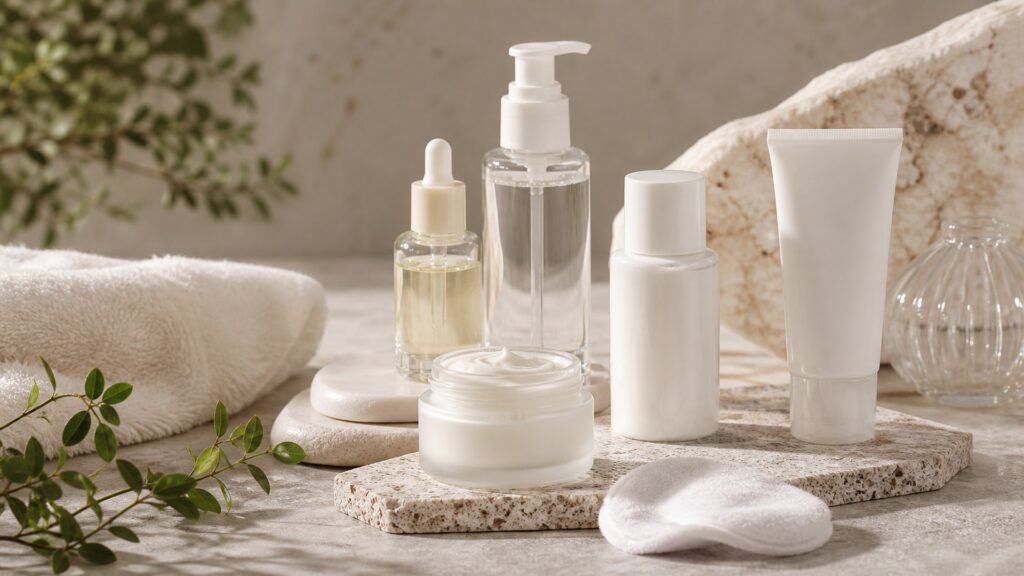
Buying framework
Define the sensitive skin routine before comparing products
Use the setting, frequency, and skin priorities to narrow facial moisturizers logically.
Start with the use case: Record previous reactions and distinguish stinging dryness from swelling, rash, or eye symptoms.
Rank the practical tradeoffs: Choose one hydration goal and keep new serums or cleansers out of the same trial.
Check instructions early: Introduce moisturizer on intact skin according to directions and allow delayed response to appear.
Use profiles
Match facial moisturizers to the person and pace
Three shopper profiles expose different priorities for sensitive skin.
Routine-focused buyer: A fragrance-reactive user should seek fragrance-free labeling and inspect botanical extracts.
Performance-focused buyer: A contamination-conscious buyer can favor an airless pump over repeated jar contact.
Occasional or flexible user: A person with recurrent dermatitis or swelling needs qualified guidance beyond moisturizer rotation.
Specifications
Read the specifications through a sensitive skin lens
Translate technical language into visible routine benefits.
Handling lens
Compare the formula with documented personal triggers rather than a generic sensitive checklist.
Ownership lens
Buy a manageable original size so incompatibility does not leave a large open jar.
Humectant And Emollient Balance: A short ingredient list is easier to review but is not universally safer.
Texture And Finish: Fragrance-free and unscented wording require interpretation through the declaration.
Fragrance Profile: Ceramides and lipids should be assessed in the complete base, not as isolated badges.
Packaging Hygiene: Airless dosing limits finger contact and helps reproduce the trial amount.
Day-Versus-Night Compatibility: Preservatives protect multiuse products and can also be individual triggers.
Common mistakes
Avoid shortcuts that undermine sensitive skin
A good purchase can still disappoint when selection or use is based on the wrong assumption.
Buying from one metric: Do not continue through burning because the label says calming.
Skipping compatibility checks: Avoid applying a new moisturizer to an actively inflamed reaction without appropriate guidance.
Ignoring post-use care: Never change four routine products together when symptoms must be traced.
Decision guidance
Choose the simplest option that covers the real need
Use these decision rules to finish a shortlist for sensitive skin.
Choose the basic format when: Favor a simple fragrance-free lotion or cream that meets the actual comfort need.
Choose the flexible format when: Choose controlled packaging when repeated hand contact is a concern.
Pause before upgrading when: Seek care for significant, persistent, swollen, blistering, or eye-involving reactions.
Ownership & compatibility
Plan for clean, repeatable ownership
The best value remains convenient after the first few uses.
Consumables and replacements: Use clean hands and prevent water from entering the package.
Cleaning and storage: Retain ingredient and lot information if delayed symptoms appear.
Routine compatibility: Discard products that change odor, color, texture, or seal integrity.
FAQ
How to Choose Facial Moisturizers for Sensitive Skin FAQ
Practical answers about choosing and owning facial moisturizers for sensitive skin.
What matters most when choosing facial moisturizers for sensitive skin?
Is the most expensive option better for sensitive skin?
How should I compare two similar facial moisturizers options?
Bottom line
Buy for repeatable sensitive skin results
A focused shortlist is easier to own and use well.
Prioritize fit: Reduce formula and routine variables during the trial.
Verify the limits: Treat marketing reassurance as secondary to actual response.
Count ownership costs: Move significant reactions beyond cosmetic experimentation.
Reading Shortcuts
Jump to the key facial moisturizers decisions.
Decision Reminders
Keep these checks beside your shortlist.
- Check humectant and emollient balance: Patch test unfamiliar formulas and stop if persistent irritation develops.
- Check texture and finish: Apply to clean skin and adjust the amount when weather or routine steps change.
- Check fragrance profile: Use a separate broad-spectrum sunscreen unless the moisturizer is labeled with adequate SPF.
Glossary Snippets
Plain-language facial moisturizers terms.
When to Use a Top 10 Review
Use a ranked list to identify a manageable set of strong candidates.
- You are still exploring: A ranked list can reveal the main formats and price tiers.
- You want a shortlist: Start broad, then confirm fit with this buying guide.
Have finalists? Use a Comparison.
When to Use a Comparison
Use a direct comparison when only a few candidates remain.
- Features are close: Side-by-side details clarify meaningful differences.
- Prices overlap: Compare ownership value, not only purchase price.
Still exploring? See the Top 10.