
How to Choose Light Therapy Devices for Focus Sessions
How to Choose Light Therapy Devices for Focus Sessions is easier when you start with the real use case instead of the longest feature list. Shoppers in this category are often comparing products that look similar, but small differences in fit, upkeep, comfort, and replacement supplies can change whether the item becomes useful or forgotten.
This guide looks at light therapy devices through the lens of Focus Sessions. It covers buyer types, practical-feel details, capability specs, common mistakes, ownership costs, and the point where a simpler product may be smarter than a more complicated one.
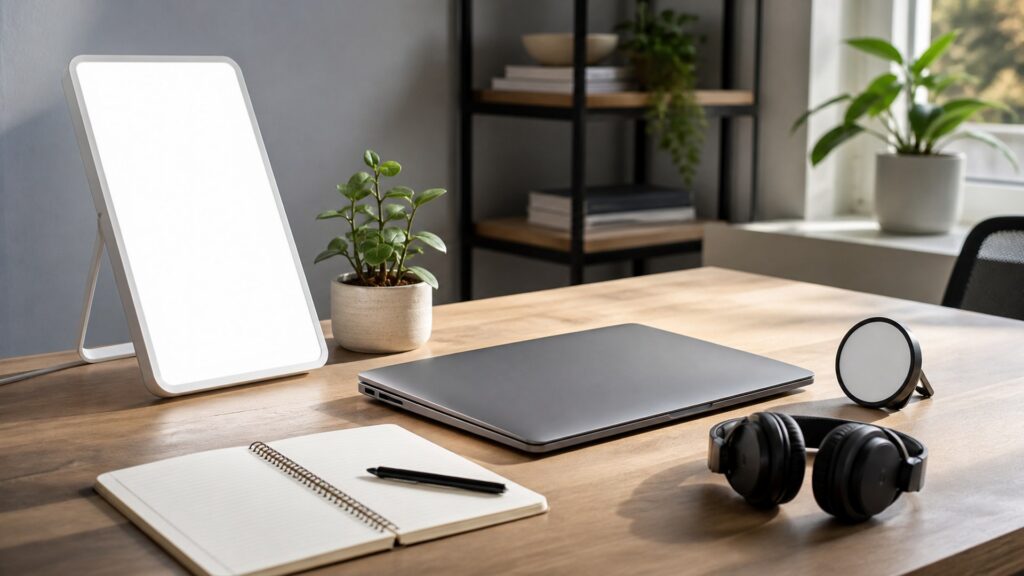
Buying framework
How to think about buying light therapy devices
Start with the role the product will play in stress management, focus sessions, sleep routines, meditation practice, low-light seasons, work breaks, home relaxation, and cognitive training. A good purchase should fit the user, the room or routine, and the maintenance work someone will actually do.
Define the primary job: For Focus Sessions, decide whether the product is meant to improve comfort, organization, tracking, recovery, nutrition, or environmental control. That one job should guide every feature decision.
Match the product to the user: Consider age, dexterity, sensitivity, schedule, travel, shared use, and confidence with apps or settings. A product that suits one household can be frustrating in another.
Check the operating routine: Look at where the product lives, how it is cleaned, how often supplies are replaced, and whether the setup still feels reasonable on a busy day.
Treat claims with caution: Useful products explain what they do and what they do not do. Favor clear specifications and warnings over broad health or wellness promises.
Price the whole setup: Include refills, filters, batteries, accessories, subscriptions, replacement parts, and likely lifespan before comparing value.
Who this is for
Pick light therapy devices that match the real use case
The right choice changes by workload, household, and how much help the user needs. Use these profiles to narrow light therapy devices without buying features that do not solve your situation.
Occasional users: Choose simple controls, low maintenance, and clear storage. Occasional products should be easy to restart after sitting unused.
Daily routine users: Prioritize comfort, durable parts, quick cleanup, and supplies that are easy to replace. Small annoyances matter when repeated every day.
Caregiver-supported households: Look for obvious status cues, easy refills, readable instructions, and fewer ambiguous settings so more than one person can manage the routine.
Active or travel-heavy users: Favor portable formats, secure closures, battery flexibility, and surfaces that tolerate bags, bathrooms, gym spaces, or changing schedules.
Value-focused buyers: Buy the product that solves the clearest problem first, then add premium features only when they reduce waste, effort, or recurring cost.
What to pay attention to
Which light therapy devices specs actually matter
Spec sheets are useful only when they explain daily experience. For Focus Sessions, separate feel details from capability details before comparing models.
Specs that affect feel
brightness comfort, glare, angle adjustment, desk footprint, control clarity, heat, and ease of using it consistently
Specs that affect capability
lux rating, recommended distance, color temperature, timer options, UV filtering, stability, power source, and warranty support
Fit and sizing: Check dimensions, body fit, room size, serving size, coverage, straps, caps, cases, or accessories before assuming a product will work.
Control and feedback: Buttons, displays, lights, app prompts, fill lines, and tactile cues should be easy to understand during the moment of use.
Cleaning and storage: Smooth surfaces, removable parts, washable covers, and compact storage make long-term use more realistic.
Replacement path: A product that depends on filters, refills, batteries, capsules, or sensors should make those supplies easy to find and price.
Often overhyped: Premium materials, connected features, oversized bundles, and aggressive claims are only valuable when they improve your specific routine.
Avoid these traps
Common mistakes people make when buying light therapy devices
Most bad purchases come from choosing around hope instead of use. Avoid these traps before buying for Focus Sessions.
Buying without a defined routine: If you cannot name when and where the product will be used, wait. Unclear routines turn promising products into drawer clutter.
Ignoring maintenance: Cleaning, charging, refilling, replacing parts, and tracking supplies are part of ownership. Choose a product whose upkeep fits the household.
Missing compatibility details: Ingredients, sizes, accessories, apps, filters, refills, and storage requirements can decide whether a product works.
Overvaluing bundles: Large kits can look economical but waste money when half the pieces do not match the use case.
Confusing support with treatment: Consumer products can support routines, comfort, and organization, but symptoms or medical conditions deserve qualified guidance.
Decision guidance
Which light therapy devices setup is right for you
Choose by the most common use first. Then decide whether extra capability, tracking, portability, or comfort is worth the added cost.
Choose a basic option if: The product is used occasionally, the user wants minimal setup, or recurring supplies would become annoying.
Choose a higher-capability option if: The product will be used often, shared, or expected to handle a demanding routine with fewer interruptions.
Choose a portable option if: The routine moves between home, work, gym, travel, or caregiving locations. Secure storage and easy cleanup matter here.
Choose a connected option if: Reminders, records, or sharing solve a real problem. Otherwise, app dependence can make a simple product harder to use.
Wait before buying if: The product solves a vague goal, requires supplies you have not priced, or creates maintenance work nobody wants.
Ownership & compatibility
What you are really buying into with light therapy devices
The long-term experience depends on supplies, cleaning, storage, safety boundaries, and replacement options as much as the product itself.
Supplies and refills: Confirm cost and availability for anything consumed, replaced, washed, charged, or recalibrated.
Storage and cleaning: A product that is hard to clean or awkward to store is less likely to stay in the routine.
Household compatibility: Consider allergies, sensitivities, room size, body size, noise, light, app access, and who else may use the product.
Support and lifespan: Look for replacement parts, clear instructions, warranty terms, and signs that the product line will remain supported.
Safety limits: Respect warnings and do not use consumer products as substitutes for professional advice when symptoms or conditions matter.
FAQ
Light Therapy Devices buying guide FAQ
Quick answers to common questions about choosing light therapy devices for Focus Sessions.
What matters most when buying light therapy devices?
How do I avoid overpaying?
Are smart features necessary?
What should I check before using a health product?
When should I choose a simpler option?
Bottom line
The simplest way to choose light therapy devices
For Focus Sessions, the best product is usually the one that fits the routine cleanly and stays easy to maintain.
Start practical: Choose around the user, setting, and repeatable routine before comparing premium features.
Check ownership: Supplies, cleaning, batteries, storage, and replacement parts shape satisfaction after the first week.
Respect boundaries: Use health products for support, organization, comfort, and tracking, not as a substitute for professional care when that is needed.
Final check: If you can name the job, user, upkeep, and total cost, you are ready to compare specific options.
Reading Shortcuts
Jump to the sections that matter most for choosing light therapy devices.
Decision Reminders
A quick checklist before you commit to light therapy devices.
- Name the job: A defined use case keeps features in perspective.
- Check fit: Size, room, body, ingredient, and accessory fit matter early.
- Price supplies: Refills, filters, batteries, and subscriptions change value.
- Review upkeep: Cleaning and storage decide whether the product stays useful.
- Respect warnings: Use professional guidance when symptoms or conditions matter.
Glossary Snippets
Quick translations for terms that confuse light therapy devices buyers.
When to Use a Top 10 Review
Use this format when you want a faster way to narrow light therapy devices options.
- You are early in the process: A Top 10 can organize choices by use case, budget, features, and ownership tradeoffs.
- You want a shortlist: Ranked picks reduce a crowded category to options worth comparing closely.
- You need category context: Best-for labels can show which tradeoffs matter for different households or routines.
Already down to 2-3 options? A Comparison is usually faster than reading broad buying advice.
When to Use a Comparison
Ideal once you have a shortlist and need clear, practical tradeoffs.
- You narrowed it to 2-3 options: Direct comparisons highlight differences in fit, upkeep, recurring cost, and practical tradeoffs.
- You care about ownership: Side-by-side guidance makes replacement supplies, cleaning, and compatibility easier to judge.
- You are ready to decide: A comparison works best once the category is settled and the final tradeoffs need attention.
Still exploring? Start with a Top 10 to identify the right category fit first.