
How to Choose Multi-Stylers for Smooth Finishes
Sleek-finishing shopping for a smoothing multi-styler becomes clearer after defining the sleek-finishing finish: settle flyaways and align the surface while keeping natural movement. The sleek-finishing decision is about repeatable usefulness, not collecting elements or copying an idealized showcase.
For a smoothing multi-styler, build the sleek-finishing shortlist around brush tension, nozzle control, temperature range, handle balance, and anti-frizz performance. Next, finish one side with the candidate and the other with the usual tools under identical humidity. A suitable sleek-finishing choice should work for the sleek-finishing sleek-finishing routine and earn its place through seen sleek-finishing performance.
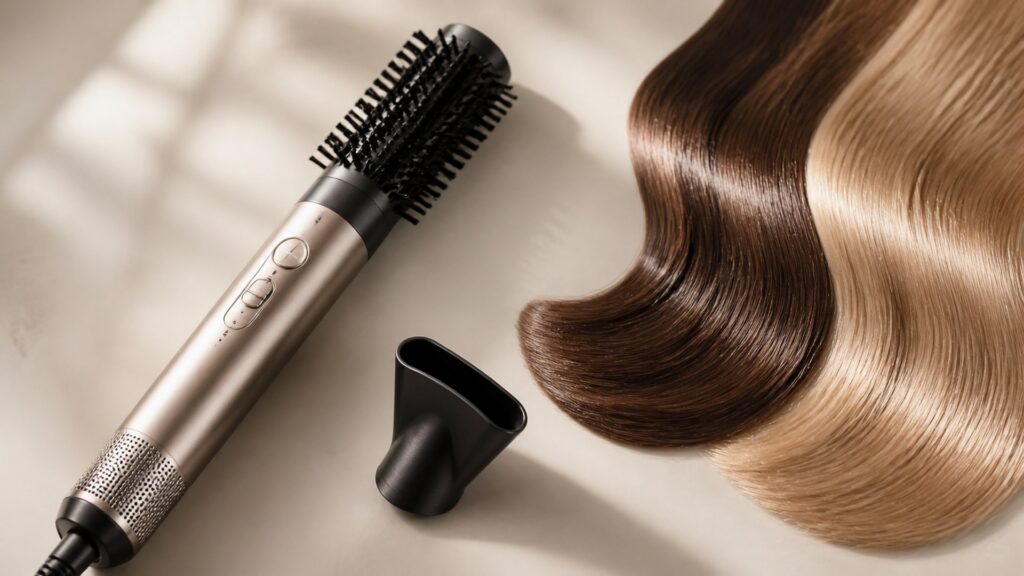
Set the brief
Define the result before comparing formats: How to Choose Multi-Stylers for Smooth Finishes
Begin with one concrete sleek-finishing brief for a smoothing multi-styler: settle flyaways and align the surface while keeping natural movement.
Practical focus: Begin with one concrete sleek-finishing brief for a smoothing multi-styler: settle flyaways and align the surface while keeping natural movement.
Fair boundary: Examine brush tension, nozzle control, temperature range, handle balance, and anti-frizz performance; each detail should help predict whether a smoothing multi-styler performs beyond a polished showcase.
Decision cue: Document the sleek-finishing rejection line for a smoothing multi-styler before sleek-finishing shopping, especially scorching the hairline, flattening the roots, or mistaking heavy product residue for smoothness.
Match the routine
Let skill, time, and preferences narrow the field: How to Choose Multi-Stylers for Smooth Finishes
Who benefits from a smoothing multi-styler depends on skill, on hand time, and this desired outcome: settle flyaways and align the surface while keeping natural movement.
Practical focus: Who benefits from a smoothing multi-styler depends on skill, on hand time, and this desired outcome: settle flyaways and align the surface while keeping natural movement.
Fair boundary: A person seeking settle flyaways and align the surface while keeping natural movement may prefer simple sleek-finishing control, while an experienced sleek-finishing buyer can explore finer differences in brush tension, nozzle control, temperature range, handle balance, and anti-frizz performance.
Decision cue: Place a smoothing multi-styler beside what is already owned. The leading justification is straightforward: it produces a cleaner finish with fewer tool changes.
Read useful details
Translate specifications into real application behavior: How to Choose Multi-Stylers for Smooth Finishes
Read the specifications for a smoothing multi-styler as useful clues. Concentrate on brush tension, nozzle control, temperature range, handle balance, and anti-frizz performance.
First-use evidence
On the first encounter with a smoothing multi-styler, note setup, sleek-finishing control, and whether it can settle flyaways and align the surface while keeping natural movement without unnecessary redoing.
Repeated-use evidence
Later sessions with a smoothing multi-styler should reveal sleek-finishing wear, sleek-finishing cleanup demands, and whether it produces a cleaner finish with fewer tool changes.
What predicts results: Read the specifications for a smoothing multi-styler as useful clues. Concentrate on brush tension, nozzle control, temperature range, handle balance, and anti-frizz performance.
How to verify it: Because packaging cannot demonstrate settle flyaways and align the surface while keeping natural movement, handling this real-world check: finish one side with the candidate and the other with the usual tools under identical humidity.
What to ignore: Prioritize elements supporting a sleek-finishing routine that moves from rough drying to controlled tension and a cool finishing pass; decorative additions do not establish sleek-finishing value for a smoothing multi-styler.
Avoid false signals
Separate product limits from testing errors: How to Choose Multi-Stylers for Smooth Finishes
An easy showcase may flatter a smoothing multi-styler; a revealing check is to finish one side with the candidate and the other with the usual tools under identical humidity.
Practical focus: An easy showcase may flatter a smoothing multi-styler; a revealing check is to finish one side with the candidate and the other with the usual tools under identical humidity.
Fair boundary: While evaluating whether you can settle flyaways and align the surface while keeping natural movement, hold sleek-finishing preparation and neighboring products steady enough to identify the cause of each sleek-finishing change.
Decision cue: Stop using a smoothing multi-styler when you encounter scorching the hairline, flattening the roots, or mistaking heavy product residue for smoothness. More pressure, heat, sleek-finishing pigment, or sleek-finishing repetition can compound a mismatch.
Choose with evidence
Decide whether to buy, upgrade, or wait: How to Choose Multi-Stylers for Smooth Finishes
Buying a smoothing multi-styler makes sense after the sleek-finishing evidence shows that it produces a cleaner finish with fewer tool changes, while also delivering this sleek-finishing goal: settle flyaways and align the surface while keeping natural movement.
Practical focus: Buying a smoothing multi-styler makes sense after the sleek-finishing evidence shows that it produces a cleaner finish with fewer tool changes, while also delivering this sleek-finishing goal: settle flyaways and align the surface while keeping natural movement.
Fair boundary: A premium a smoothing multi-styler earns consideration only if improvements in brush tension, nozzle control, temperature range, handle balance, and anti-frizz performance solve a sleek-finishing weakness that appeared during realistic sleek-finishing testing.
Decision cue: Postpone checkout if no a smoothing multi-styler dependably helps you settle flyaways and align the surface while keeping natural movement, especially while the surrounding sleek-finishing routine is still changing.
Plan daily use
Account for cleaning, storage, and replacement: How to Choose Multi-Stylers for Smooth Finishes
Maintain a smoothing multi-styler according to its design: sleek-finishing cleaning contact areas, close packaging securely, and retire worn parts.
Practical focus: Maintain a smoothing multi-styler according to its design: sleek-finishing cleaning contact areas, close packaging securely, and retire worn parts.
Fair boundary: Storage for a smoothing multi-styler should protect the qualities involved in brush tension, nozzle control, temperature range, handle balance, and anti-frizz performance. Follow the maker's hygiene, shelf-life, battery, or electrical instructions.
Decision cue: Because the sleek-finishing routine moves from rough drying to controlled tension and a cool finishing pass, ownership should remain manageable. If a smoothing multi-styler creates excessive sleek-finishing cleanup, its advertised sleek-finishing convenience is questionable.
Practical questions
Resolve common concerns before checkout: How to Choose Multi-Stylers for Smooth Finishes
These answers turn common sleek-finishing questions about a smoothing multi-styler into a safer, more revealing wear-test.
What should I compare first when choosing a smoothing multi-styler?
How should I test a smoothing multi-styler fairly?
When is a premium version of a smoothing multi-styler worth considering?
Make the final call
Select the option that fits the real routine: How to Choose Multi-Stylers for Smooth Finishes
Return to the sleek-finishing brief for a smoothing multi-styler: settle flyaways and align the surface while keeping natural movement. Reject a contender that works only in unusually favorable sleek-finishing circumstances.
Practical focus: Return to the sleek-finishing brief for a smoothing multi-styler: settle flyaways and align the surface while keeping natural movement. Reject a contender that works only in unusually favorable sleek-finishing circumstances.
Fair boundary: The final a smoothing multi-styler should strengthen the real sleek-finishing schedule, behave predictably, and steer clear of scorching the hairline, flattening the roots, or mistaking heavy product residue for smoothness.
Decision cue: State the reason plainly: it produces a cleaner finish with fewer tool changes. If the wear-test cannot strengthen that sleek-finishing claim, wait before purchasing a smoothing multi-styler.
Reading Shortcuts
Move directly to the smooth finishes decision stage you need.
Decision Reminders
Keep the evidence for smooth finishes visible while comparing.
- Role: The multi-styler serves the named task.
- Proof: The trial observes useful attachment changes, controlled heat, repeatable styling, and realistic setup time.
- Care: Unplug, cool every attachment, clear filters, wipe residue, and store parts without strain.
Glossary Snippets
Useful language for comparing multi-stylers.
When a Top 10 List Helps
Use rankings to discover credible multi-stylers, then screen them for smooth finishes.
- The format is undecided: A broad list reveals plausible forms and price levels.
- A shortlist is needed: Rankings narrow discovery but do not replace fit testing.
Have finalists already? Open the comparison section.
When a Direct Comparison Helps
Compare finalists after establishing their suitability for smooth finishes.
- Two candidates remain: Side-by-side evidence exposes meaningful tradeoffs.
- An upgrade is uncertain: Compare whether added cost corrects the original weakness.
Still exploring? Start with the Top 10 section.