
How to Choose Niche Fragrance for Cold Weather
Cold weather can frame an artistic fragrance beautifully, but it does not make every resinous, smoky, spicy, or sweet composition suitable. Outdoor diffusion may seem quiet while a heated room, scarf, or coat concentrates the same formula close to people.
Test the complete winter route. Apply a known small dose, spend time in cold air, then enter the kinds of interiors the fragrance will actually occupy. Follow its late base after outerwear comes off and body temperature stabilizes.
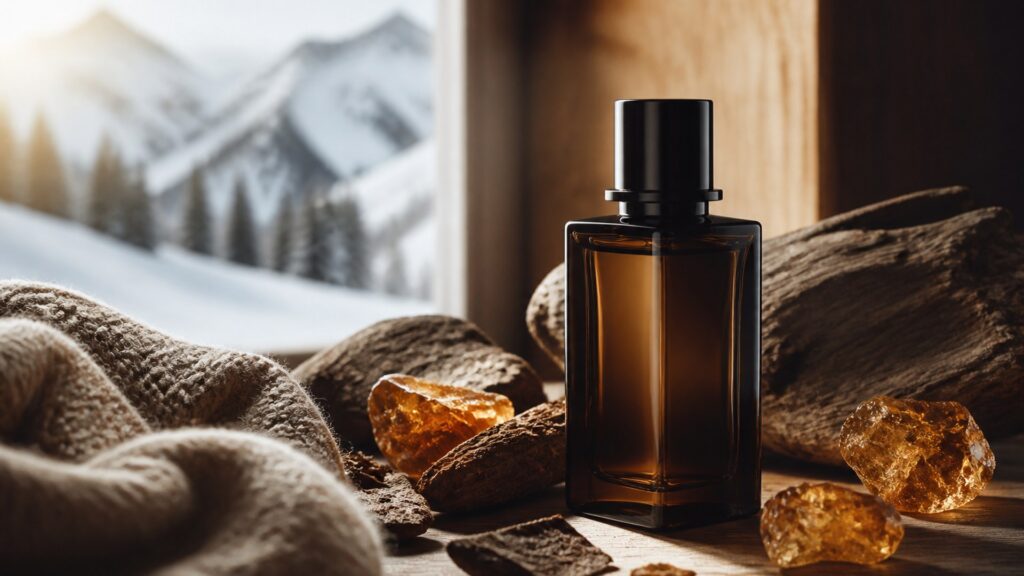
Cold-season study
Map the temperature transitions before choosing richness
A winter day may include streets, vehicles, shops, offices, dining rooms, and home. Artistic density should be evaluated through all of them.
Chart the environments: Estimate outdoor exposure and hours in heated shared air, including the closest seating, commute, and wardrobe layers.
Choose an artistic direction: Decide whether the wearer wants texture, austerity, warmth, smoke, contrast, or transparency instead of assuming winter requires sweetness.
Repeat one dose: Keep sprays and placement stable across trials so weather changes do not become an excuse for uncontrolled application.
Winter profiles
Match creative intensity to the wearer’s schedule
A collector seeking occasional atmosphere can accept narrower use than someone choosing a weekday signature for heated offices and transport.
Outdoor-focused wearer: Look for a composition that stays intelligible in cold air without becoming overwhelming immediately after entering a warm interior.
Indoor routine wearer: Prioritize a controlled trail and comfortable base because most hours will occur near coworkers, guests, or fellow passengers.
Artistic occasion wearer: A dramatic accord may suit a deliberate evening when it has been rehearsed with the actual layers, venue, and duration.
Performance details
Follow materials after the opening disappears
Niche storytelling often highlights unusual ingredients or inspiration, but winter wear depends on how the heart and base behave around heat, fabric, and close air.
Scarf and collar evidence
Check whether layers repeatedly press scent near the face or trap enough fragrance to create discomfort long after application.
Late-evening evidence
Follow the formula through several hours indoors, when the artistic base—not the dramatic opening—will define most of the experience.
Texture under warmth: Observe whether resins, woods, smoke, leather, musks, or gourmand effects remain dimensional or collapse into a heavy block indoors.
Projection after entry: Ask someone trustworthy about conversational-distance presence after the wearer removes a coat and spends time in a heated room.
Atomizer precision: A consistent fine mist supports exact low dosing; ornate packaging is a liability when the pump produces streams or unpredictable partial sprays.
Winter buying errors
Do not buy a season label instead of a wear test
A house may describe a release as dark, cozy, or winter-ready, yet personal comfort and social fit can contradict the campaign.
Overspraying for outdoors: A dose that seems muted on the street may dominate a train, meeting, restaurant, or home once warm air increases presence.
Treating expense as refinement: High price and rare materials do not guarantee smooth development, durable packaging, appropriate projection, or personal enjoyment.
Applying to delicate fabric: Alcohol, oils, dyes, or resins can mark wool, silk, lining, scarves, and pale coats. Follow fragrance and garment instructions.
Purchase size
Match bottle commitment to the length of winter
A demanding seasonal composition may deserve only a sample or travel size when cold weather is brief or the wearer owns several artistic options.
Continue sampling: Use multiple complete wears when the base changes dramatically, indoor projection is uncertain, or the formula is costly and difficult to return.
Choose a smaller format: An official travel spray or trusted decant can support occasional winter use without creating excess volume and storage burden.
Buy the full presentation: Commit when repeat enjoyment, artistic value, likely frequency, seller authenticity, atomizer quality, and cool dark storage justify the purchase.
Cold-season care
Protect the formula from heat, freezing, and display damage
Winter creates unstable environments: radiators, sunny heated rooms, freezing vehicles, damp bathrooms, and frequent travel between them.
Choose stable home storage: Keep the bottle upright in a cool dark cabinet away from radiators, windows, exterior walls with severe swings, and shower humidity.
Respect dry or irritated skin: Avoid cracked, inflamed, freshly shaved, or otherwise compromised areas, and stop using a formula that causes persistent discomfort.
Secure seasonal transport: Protect glass from impact, isolate liquids inside a sealed washable pouch, and remove fragrance promptly from cold or heated vehicles.
FAQ
Cold-weather niche fragrance questions
These answers connect artistic structure with winter transitions, clothing, indoor etiquette, sampling, and ownership.
Does niche fragrance need to be rich for cold weather?
Why does winter fragrance become stronger indoors?
Should I buy a full bottle of seasonal niche fragrance?
Bottom line
Choose for the room where winter leads
The best cold-weather niche fragrance preserves its artistic character across outdoor quiet and indoor warmth without forcing excessive dose, fabric application, or constant correction.
Repeat the entry test: Wear the finalist from cold air into a prolonged heated setting and evaluate it only after outerwear and breathing space normalize.
Revisit the base: Confirm that the final hours remain comfortable and interesting, because late development will outlast the opening’s seasonal drama.
Size ownership honestly: Choose the smallest format that satisfies realistic winter use rather than buying a large presentation for scarcity or display alone.
Reading Shortcuts
Move directly to the cold weather decision stage you need.
Decision Reminders
Keep the evidence for cold weather visible while comparing.
- Role: The niche fragrance serves the named task.
- Proof: The trial observes distinctive development, personal wearability, credible craftsmanship, and repeat interest.
- Care: Retain the cap, limit heat and light exposure, and document the opening date.
Glossary Snippets
Useful language for comparing niche fragrances.
When a Top 10 List Helps
Use rankings to discover credible niche fragrances, then screen them for cold weather.
- The format is undecided: A broad list reveals plausible forms and price levels.
- A shortlist is needed: Rankings narrow discovery but do not replace fit testing.
Have finalists already? Open the comparison section.
When a Direct Comparison Helps
Compare finalists after establishing their suitability for cold weather.
- Two candidates remain: Side-by-side evidence exposes meaningful tradeoffs.
- An upgrade is uncertain: Compare whether added cost corrects the original weakness.
Still exploring? Start with the Top 10 section.