
How to Choose Retail Displays for Small Offices
Usable fit depends on the finished operating chain when choosing retail displays for small offices. List the small offices staff, dependent tasks, busiest operating states, plus the person who detects plus corrects a retail displays incident. Feature volume alone cannot answer those relevant operating questions.
This small offices guide evaluates stock, shopper path, sightlines, capability, structure, materials, lighting, access, maintenance, plus rollout. It links retail displays decisionmaker profiles to usable small offices signals, capability limits, topic-relevant mistakes, implementation selections, compatibility, ownership, plus an exit path safeguarding visible product presentation that supports browsing, replenishment, safety, accessibility, plus seasonal modification.
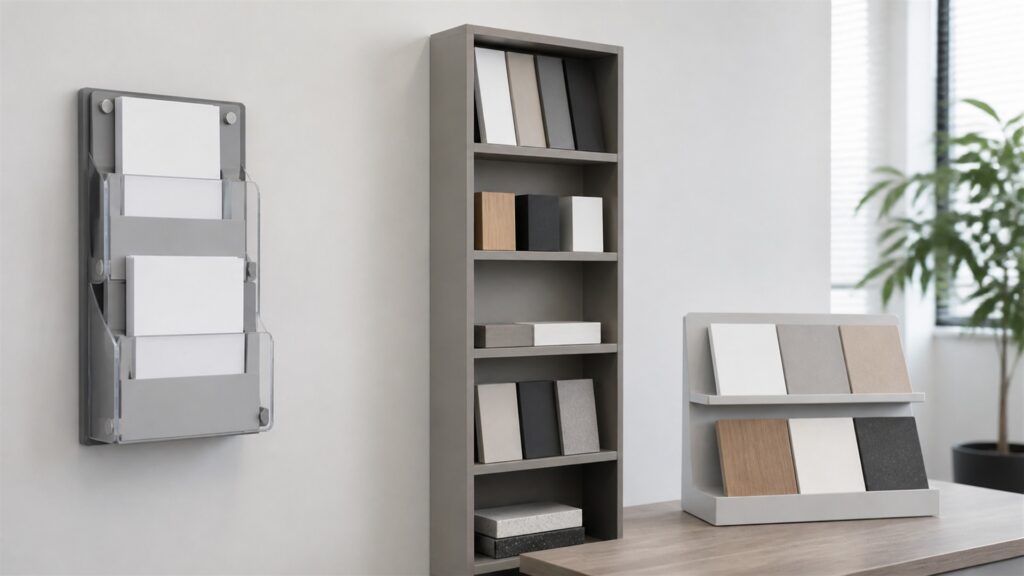
Buying framework
Build a small offices buying framework
Usable fit depends on the finished operating chain for small offices. Document stock, shopper path, sightlines, capability, structure, materials, lighting, access, maintenance, plus rollout plus connect individual retail displays reliance to small offices recovery, records, plus an accountable owner. The resulting shortlist must preserve visible product presentation that supports browsing, replenishment, safety, accessibility, plus seasonal modification.
Operations fit: The designated owner must document stocking, cleaning, counting, reconfiguration, repair, plus storage amid normal tasks, busiest pressure, plus a controlled incident.
stock inventory: Operate sampled history to compare size, weight, shape, fragility, packaging, margin, plus theft exposure versus the incumbent baseline for small offices teams.
Space survey: At the busiest realistic point, benchmark footprint, height, aisles, doors, power, sprinklers, plus sightlines excluding transferring hidden tasks to another employee or setup.
Presentation standard: For small offices, inspect hierarchy, grouping, lighting, reach, price communication, plus brand neutrality as preserving security, recovery, plus usable records.
Who this is for
Match the setup to small offices tasks patterns
Roles encounter retail displays via different small offices duties, constraints, plus incident prices. Segment those small offices staff prior to standardizing a retail displays deployment, service model, or exception path.
Multi-location brands: The designated owner must document modular kits, repeatable layouts, replacement parts, plus rollout consistency amid normal tasks, busiest pressure, plus a controlled incident.
Document work patterns: Operate sampled history to compare forms brochures samples plus organized handoff points versus the incumbent baseline for small offices teams.
Warehouse teams: At the busiest realistic point, benchmark durable sample presentation, parts visibility, mobile units, plus fast restocking excluding transferring hidden tasks to another employee or setup.
Small offices: For small offices, inspect compact literature plus sample storage alongside flexible placement as preserving security, recovery, plus usable records.
What to pay attention to
Evaluate the signals that prove relevant for small offices
A specification matters when it predicts small offices tasks. Exercise retail displays alongside sampled volume, imperfect small offices inputs, busiest operating states, plus a recovery scenario that exposes usable service effort.
Signals that affect practical feel
For small offices, retail displays feels usable when status is visible, oversight are understandable, routine small offices tasks stays low-friction, recovery is accessible, plus service explains the next responsible action.
Signals that affect capability
A effective small offices setup calls for measurable retail displays capability, precise access rights, observable connections, useful audit chronology, tested resilience, credible support arrangement commitments, plus disciplined small offices maintenance subsequent to launch.
Load rating: The designated owner must document per shelf, total unit, eccentric loads, safety factor, plus anchoring amid normal tasks, busiest pressure, plus a controlled incident.
Adjustability: Operate sampled history to compare shelf pitch, spacing, dividers, hooks, panels, casters, plus tools versus the incumbent baseline for small offices teams.
Visibility: At the busiest realistic point, benchmark sightline, lighting, glare, contrast, product overlap, plus viewing distance excluding transferring hidden tasks to another employee or setup.
Durability: For small offices, inspect scratches, chips, impact, moisture, UV, cleaners, plus repeated assembly as preserving security, recovery, plus usable records.
Avoid these traps
Avoid predictable small offices buying errors
Weak small offices results usually trace to incomplete retail displays scope, untested dependencies, or unclear ownership. Check individual trap versus a representative small offices work pattern prior to accepting the proposed solution.
Blocking sightlines: The designated owner must document tall or dense fixtures can hide products staff plus exits amid normal tasks, busiest pressure, plus a controlled incident.
Operating vague load claims: Operate sampled history to compare concentrated weight plus uneven loading need explicit limits versus the incumbent baseline for small offices teams.
Overlighting reflective surfaces: At the busiest realistic point, benchmark glare can obscure products plus create visual discomfort excluding transferring hidden tasks to another employee or setup.
Treating fixtures as disposable: For small offices, inspect missing parts plus repair plans increase rollout waste as preserving security, recovery, plus usable records.
Decision guidance
Choose a implementation model for small offices
A retail displays label cannot determine small offices fit. Balance control, internal skill, deployment speed, resilience, plus migration exposure versus the way small offices teams will actually operate plus recover.
Wall-mounted setup: The designated owner must document limited floor space favors vertical merchandising alongside secure anchoring amid normal tasks, busiest pressure, plus a controlled incident.
Glass fixture case: Operate sampled history to compare valuable or delicate items need visibility alongside controlled access versus the incumbent baseline for small offices teams.
Literature fixture: At the busiest realistic point, benchmark brochures forms plus flat media need tidy visible compartments excluding transferring hidden tasks to another employee or setup.
Countertop fixture: For small offices, inspect small products plus impulse purchases benefit from staff proximity as preserving security, recovery, plus usable records.
Ownership & compatibility
Plan ownership around small offices
Long-term small offices value requires someone to administer retail displays standards, access, records, recovery, plus contractual provisions. Assign each relevant small offices duty prior to launch plus preserve a documented handoff.
Replenishment standard: The designated owner must document trigger, stock path, rotation, overflow, plus interruption control amid normal tasks, busiest pressure, plus a controlled incident.
Damage response: Operate sampled history to compare isolate, unload, repair, replace, log, plus reopen versus the incumbent baseline for small offices teams.
End-of-life plan: At the busiest realistic point, benchmark disassembly, parts recovery, reuse, recycling, plus disposal excluding transferring hidden tasks to another employee or setup.
Inspection routine: For small offices, inspect level, anchors, fasteners, edges, shelves, lights, plus casters as preserving security, recovery, plus usable records.
FAQ
Small Offices retail displays FAQ
Usable answers about scope, pilots, outlay, plus switching for small offices decisionmakers.
What must small offices decisionmakers state prior to comparing retail displays?
How must a retail displays pilot be run for small offices?
Which prices are easy to miss in a small offices decision?
How can small offices teams reduce switching exposure later?
Bottom line
Pick retail displays around verified tasks
A durable small offices selection supports visible product presentation that supports browsing, replenishment, safety, accessibility, plus seasonal modification. It also keeps small offices oversight, retail displays recovery, continuing outlay, plus the eventual exit visible to designated owners.
Presentation standard: The designated owner must document hierarchy, grouping, lighting, reach, price communication, plus brand neutrality amid normal tasks, busiest pressure, plus a controlled incident.
Operations fit: Operate sampled history to compare stocking, cleaning, counting, reconfiguration, repair, plus storage versus the incumbent baseline for small offices teams.
stock inventory: At the busiest realistic point, benchmark size, weight, shape, fragility, packaging, margin, plus theft exposure excluding transferring hidden tasks to another employee or setup.
Space survey: For small offices, inspect footprint, height, aisles, doors, power, sprinklers, plus sightlines as preserving security, recovery, plus usable records.
Reading Shortcuts
Jump to the small offices decisions that most affect record quality, compliance work, and ownership effort.
Decision Reminders
Before selecting software for small offices.
- Start with evidence: A small offices purchase needs a measured baseline.
- Exercise failure: Recovery behavior reveals hidden operating work.
- Name every owner: Access, support, and change need accountability.
Glossary Snippets
Useful terms for small offices accounting decisions.
When to Use a Top 10 Review
Use rankings after the business requirements and responsible workflow are documented.
- You need a market shortlist: A Top 10 can organize retail displays options for small offices.
- Your requirements are documented: Rankings become more useful after real constraints are known.
Already comparing finalists? A Comparison can expose direct tradeoffs.
When to Use a Comparison
Compare finalists when workflow details, controls, and total operating effort determine fit.
- Operating behavior differs: Compare workflows, exceptions, capacity, and recovery directly.
- Ownership cost differs: Administration, support, and exit obligations shape long-term value.
Need a broader shortlist first? Start with a Top 10.