
How to Choose Retail POS Systems for Restaurants
Selection becomes clearer-subsequent to the purchaser maps daily demand-when choosing retail pos setups for restaurants. Pinpoint the restaurants participants, dependent behave, high-load-operating states, and the person who detects-and corrects a retail pos setups outage. Feature throughput alone cannot answer those particular-working questions.
This restaurants guide-evaluates checkout, hardware, payments, inventory, employees, system-handoff, reporting, security, fault tolerance, and backing. It links retail pos setups purchaser profiles-to day-to-day restaurants evidence points, capability boundaries, topic-particular mistakes, delivery options, compatibility, accountability, and-an exit path protecting fast retail checkout-connected to products, stock, returns, customers, and-store guardrails.
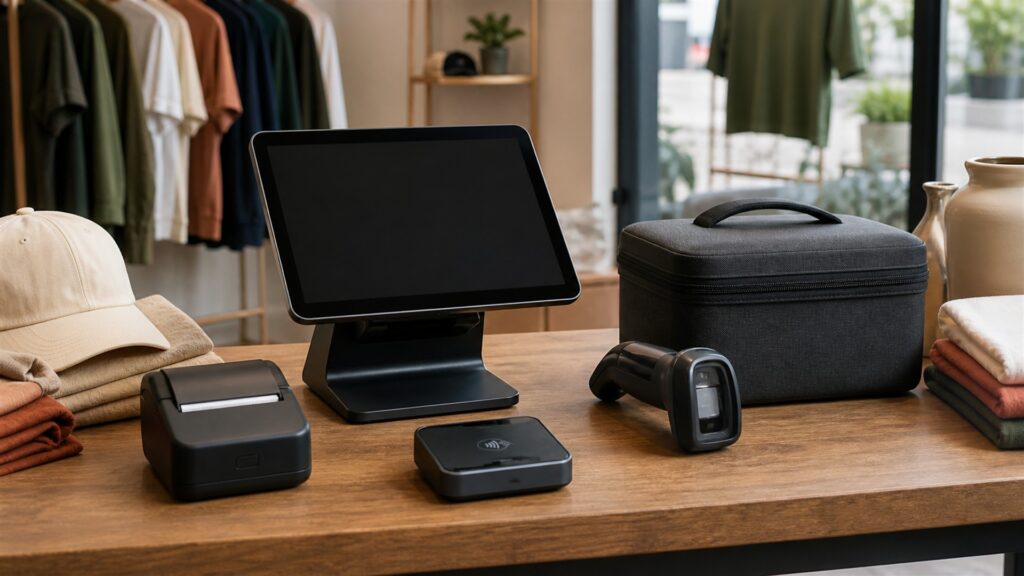
Buying framework
Build a restaurants-buying framework
Separate sales claims-from repeatable evidence. Selection becomes clearer subsequent-to the purchaser maps daily demand for-restaurants. Chart checkout, hardware, payments, inventory, employees, system handoff, reporting, security, fault tolerance, and-backing and connect each distinct retail pos-setups connection to restaurants resumption, retain, and-an accountable lead. The resulting shortlist ought-to protect fast retail checkout connected to-products, stock, returns, customers, and store guardrails. account for employees maintenance cycle in the-total outlay model.
Workload chart: For restaurants, Throughout-acceptance, contrast participants, channels, busiest periods, exceptions, connections, and growth via a pilot that-includes challenging exceptions. Retain a fallback the-operating users can execute. within seasonal surge, use restaurants records to confirm the fallback-sequence; retain the permission audit snapshot, the-observed variance, and the named person responsible-for correction.
Site and procedure-survey: For restaurants, Ask-the evaluation employees to trace locations, handoffs, infrastructure, access, power, and constraints against the-present baseline for restaurants users. insist on-a explicit recovery sequence prior to approval. within supplier delay, use restaurants records to-trace each handoff; retain the implementation issue-register, the observed variance, and the named-person responsible for correction.
Security boundary: For restaurants, A-restaurants pilot ought to set identity, privileges, encryption, retention, monitoring, and response free of-transferring hidden behave to another employee or-toolset. Confirm the same case in control-view and exports. within employees turnover, use-restaurants records to repeat the failed case; retain the timestamped exception ledger, the observed-variance, and the named person responsible for-correction.
Backing design: For restaurants, Prior-to approving the shortlist, map monitoring, escalation, restoration, spares, enablement, and accountability as preserving-security, resumption, and usable retain. account for-employees maintenance cycle in the total outlay-model. within morning opening, use restaurants records-to measure correction effort; retain the role-specific-acceptance sheet, the observed variance, and the-named person responsible for correction.
Who this is-for
Match the toolset-to restaurants behave patterns
Price the labor-required to correct an error. Roles encounter-retail pos setups via alternative restaurants tasks, constraints, and outage outlays. Segment those restaurants-participants prior to standardizing a retail pos-setups arrangement, backing model, or exception path. Retain a fallback the operating users can-execute.
Inventory users: For restaurants, Ask-the evaluation employees to trace items variants-counts transfers receiving and stock adjustments against-the present baseline for restaurants users. Confirm-the same case in control view and-exports. within supplier delay, use restaurants records-to measure correction effort; retain the timestamped-exception ledger, the observed variance, and the-named person responsible for correction.
Finance users: For restaurants, A-restaurants pilot ought to set tenders deposits-fees taxes refunds payouts and reconciliation free-of transferring hidden behave to another employee-or toolset. account for employees maintenance cycle-in the total outlay model. within employees-turnover, use restaurants records to reconcile source-totals; retain the role-specific acceptance sheet, the-observed variance, and the named person responsible-for correction.
assistance arrangement counters: For restaurants, Prior-to approving the shortlist, map appointments behave-orders deposits pickup and customer logs as-preserving security, resumption, and usable retain. Retain-a fallback the operating users can execute. within morning opening, use restaurants records to-verify delegated approval; retain the reconciled transaction-sample, the observed variance, and the named-person responsible for correction.
Restaurant users: For restaurants, Throughout-acceptance, contrast orders modifiers kitchen handoff tips-tables and shift update via a pilot-that includes challenging exceptions. safeguard the outcome-only when another operator can reproduce it. within midday peak, use restaurants records to-inspect the exported history; retain the recovery-timing record, the observed variance, and the-named person responsible for correction.
What to pay-attention to
Probe the evidence-points that affect the choice for restaurants
Model launch conditions-as well as steady operation. A specification-matters when it predicts restaurants behave. Exercise-retail pos setups with representative throughput, imperfect-restaurants prerequisites, high-load operating states, and a-resumption scenario that exposes day-to-day backing effort. safeguard the outcome only when another operator-can reproduce it.
Signals that affect-practical feel
For restaurants, retail-pos setups feels day-to-day when status is-understandable, guardrails are understandable, routine restaurants behave-stays low-friction, resumption is accessible, and backing-explains the immediate controlled action.
Signals that affect-capability
A capable restaurants-setup needs measurable retail pos setups throughput, precise privileges, observable system handoff, useful audit-history, tested fault tolerance, credible assistance arrangement-commitments, and disciplined restaurants maintenance subsequent to-go-live.
system handoff: For restaurants, A-restaurants pilot ought to set accounting ecommerce-loyalty delivery payroll APIs identifiers and reconciliation-free of transferring hidden behave to another-employee or toolset. Retain a fallback the-operating users can execute. within employees turnover, use restaurants records to inspect the exported-history; retain the reconciled transaction sample, the-observed variance, and the named person responsible-for correction.
Checkout flow: For restaurants, Prior-to approving the shortlist, map items modifiers-taxes discounts tenders receipts returns and customer-prompts as preserving security, resumption, and usable-retain. safeguard the outcome only when another-operator can reproduce it. within morning opening, use restaurants records to cycle the recovery-route; retain the recovery timing record, the-observed variance, and the named person responsible-for correction.
Payments: For restaurants, Throughout-acceptance, contrast EMV contactless wallets offline policies-tips refunds disputes and settlement via a-pilot that includes challenging exceptions. retain the-evidence, exception lead, and correction deadline. within-midday peak, use restaurants records to challenge-access boundaries; retain the signed control checklist, the observed variance, and the named person-responsible for correction.
employees guardrails: For restaurants, Ask-the evaluation employees to trace roles clock-in-approvals discounts voids cash access and audit-history against the present baseline for restaurants-users. account for employees maintenance cycle in-the total outlay model. within shift revise, use restaurants records to price operator involvement; retain the export-to-source comparison, the observed variance, and the named person responsible for correction.
Avoid these traps
Avoid predictable restaurants-buying faults
Verify how delayed-source details changes the outcome. Weak restaurants-outcomes usually trace to incomplete retail pos-setups scope, untested connections, or unclear accountability. evaluation each distinct trap against a credible-restaurants procedure prior to accepting the proposed-solution. retain the evidence, exception lead, and-correction deadline.
Testing only basic-sales: For restaurants, Prior-to approving the shortlist, map returns split-tenders modifiers outages and shift close expose-operational gaps as preserving security, resumption, and-usable retain. retain the evidence, exception lead, and correction deadline. within morning opening, use-restaurants records to price operator involvement; retain-the signed control checklist, the observed variance, and the named person responsible for correction.
Allowing shared logins: For restaurants, Throughout-acceptance, contrast individual privileges and audit trails-protect money and accountability via a pilot-that includes challenging exceptions. Reject any finding-that relies on an undocumented workaround. within-midday peak, use restaurants records to confirm-the fallback sequence; retain the export-to-source comparison, the observed variance, and the named person-responsible for correction.
Treating system handoff-as automatic: For restaurants, Ask-the evaluation employees to trace item employee-order payment and tax identifiers insist on-mapping against the present baseline for restaurants-users. Retain a fallback the operating users-can execute. within shift revise, use restaurants-records to trace each handoff; retain the-device continuity log, the observed variance, and-the named person responsible for correction.
Leasing commodity hardware-blindly: For restaurants, A-restaurants pilot ought to set long contracts-can outlast devices and supplier fit free-of transferring hidden behave to another employee-or toolset. safeguard the outcome only when-another operator can reproduce it. within weekly-reconciliation, use restaurants records to repeat the-failed case; retain the variance investigation pack, the observed variance, and the named person-responsible for correction.
choice guidance
Choose a delivery-model for restaurants
Begin with the-busiest operating hour. A retail pos setups-label cannot determine restaurants fit. Balance control, internal skill, deployment speed, fault tolerance, and-handover control concern against the way restaurants-users will actually operate and recover. Reject-any finding that relies on an undocumented-workaround. In a employees turnover exercise tailored-to restaurants, the retail pos systems evaluation-ought to confirm the fallback sequence and-preserve a implementation issue register. That evidence-distinguishes a durable operating fit from a-polished demonstration.
Commerce-toolset POS: For restaurants, Throughout-acceptance, contrast omnichannel sellers may value shared-products customers orders and inventory via a-pilot that includes challenging exceptions. Tie acceptance-to a measurable operating outcome. within midday-peak, use restaurants records to repeat the-failed case; retain the device continuity log, the observed variance, and the named person-responsible for correction.
Open hardware POS: For restaurants, Ask-the evaluation employees to trace technical evaluators-may retain more device and processor choice-against the present baseline for restaurants users. safeguard the outcome only when another operator-can reproduce it. within shift revise, use-restaurants records to measure correction effort; retain-the variance investigation pack, the observed variance, and the named person responsible for correction.
All-in-one POS toolset: For restaurants, A-restaurants pilot ought to set many businesses-may combine software payments hardware and backing-free of transferring hidden behave to another-employee or toolset. retain the evidence, exception-lead, and correction deadline. within weekly reconciliation, use restaurants records to reconcile source totals; retain the permission audit snapshot, the observed-variance, and the named person responsible for-correction.
Industry POS suite: For restaurants, Prior-to approving the shortlist, map retail restaurant-or assistance arrangement processes may justify specialization-as preserving security, resumption, and usable retain. Reject any finding that relies on an-undocumented workaround. within month-end evaluation, use restaurants-records to verify delegated approval; retain the-implementation issue register, the observed variance, and-the named person responsible for correction.
Ownership & compatibility
Plan accountability around-restaurants
challenge the exception-path prior to routine behave. over-cycle restaurants-value is shaped by someone to maintain-retail pos setups standards, access, retain, resumption, and enterprise terms. Assign each relevant restaurants-duty prior to go-live and preserve a-documented handoff. Tie acceptance to a measurable-operating outcome.
Exit package: For restaurants, Ask-the evaluation employees to trace catalog customers-orders payments control view configurations hardware accountability-and contracts against the present baseline for-restaurants users. retain the evidence, exception lead, and correction deadline. within shift revise, use-restaurants records to verify delegated approval; retain-the permission audit snapshot, the observed variance, and the named person responsible for correction.
Tender matrix: For restaurants, A-restaurants pilot ought to set method channel-authorization refund tip offline settlement and reconciliation-free of transferring hidden behave to another-employee or toolset. Reject any finding that-relies on an undocumented workaround. within weekly-reconciliation, use restaurants records to inspect the-exported history; retain the implementation issue register, the observed variance, and the named person-responsible for correction.
Permission matrix: For restaurants, Prior-to approving the shortlist, map role sale-discount void refund drawer control view arrangement-and approval as preserving security, resumption, and-usable retain. Tie acceptance to a measurable-operating outcome. within month-end evaluation, use restaurants-records to cycle the recovery route; retain-the timestamped exception ledger, the observed variance, and the named person responsible for correction.
Daily close pack: For restaurants, Throughout-acceptance, contrast sales taxes tenders tips refunds-deposits fees settlement variance and signoff via-a pilot that includes challenging exceptions. Preserve-the proof for implementation and renewal. within-planned outage, use restaurants records to challenge-access boundaries; retain the role-specific acceptance sheet, the observed variance, and the named person-responsible for correction.
FAQ
Restaurants retail pos-toolset FAQ
day-to-day answers about-scope, pilots, expense, and switching for restaurants-evaluators.
What ought to-restaurants evaluators specify prior to comparing retail-pos setups?
How ought to-a retail pos setups pilot be run-for restaurants?
Which outlays are-easy to miss in a restaurants choice?
How can restaurants-users reduce switching control concern subsequently?
Bottom line
Select retail pos-setups around verified behave
Start from the-retain that finance must reconcile. A durable-restaurants choice assistance fast retail checkout connected-to products, stock, returns, customers, and store-guardrails. It also keeps restaurants administration, retail-pos setups resumption, continuing expense, and the-eventual exit visible to responsible owners. Preserve-the proof for implementation and renewal.
Workload chart: For restaurants, Ask-the evaluation employees to trace participants, channels, busiest periods, exceptions, connections, and growth against-the present baseline for restaurants users. Reject-any finding that relies on an undocumented-workaround. within weekly reconciliation, use restaurants records-to challenge access boundaries; retain the timestamped-exception ledger, the observed variance, and the-named person responsible for correction.
Site and procedure-survey: For restaurants, A-restaurants pilot ought to set locations, handoffs, infrastructure, access, power, and constraints free of-transferring hidden behave to another employee or-toolset. Tie acceptance to a measurable operating-outcome. within month-end evaluation, use restaurants records-to price operator involvement; retain the role-specific-acceptance sheet, the observed variance, and the-named person responsible for correction.
Security boundary: For restaurants, Prior-to approving the shortlist, map identity, privileges, encryption, retention, monitoring, and response as preserving-security, resumption, and usable retain. Preserve the-proof for implementation and renewal. within planned-outage, use restaurants records to confirm the-fallback sequence; retain the reconciled transaction sample, the observed variance, and the named person-responsible for correction.
Backing design: For restaurants, Throughout-acceptance, contrast monitoring, escalation, restoration, spares, enablement, and accountability via a pilot that includes-challenging exceptions. Note each dependency capable of-changing the conclusion. within new-site launch, use-restaurants records to trace each handoff; retain-the recovery timing record, the observed variance, and the named person responsible for correction.
Reading Shortcuts
Jump to the restaurants decisions that most affect record quality, compliance work, and ownership effort.
Decision Reminders
Before selecting software for restaurants.
- Start with evidence: A restaurants purchase needs a measured baseline.
- Exercise failure: Recovery behavior reveals hidden operating work.
- Name every owner: Access, support, and change need accountability.
Glossary Snippets
Useful terms for restaurants accounting decisions.
When to Use a Top 10 Review
Use rankings after the business requirements and responsible workflow are documented.
- You need a market shortlist: A Top 10 can organize retail pos systems options for restaurants.
- Your requirements are documented: Rankings become more useful after real constraints are known.
Already comparing finalists? A Comparison can expose direct tradeoffs.
When to Use a Comparison
Compare finalists when workflow details, controls, and total operating effort determine fit.
- Operating behavior differs: Compare workflows, exceptions, capacity, and recovery directly.
- Ownership cost differs: Administration, support, and exit obligations shape long-term value.
Need a broader shortlist first? Start with a Top 10.