
How to Choose Rollators for Caregiver Assistance
Caregiver assistance changes rollator shopping because another person may need to fold, lift, position, check, and reset the mobility device. The best choice makes those helper tasks visible and repeatable without turning the rollator into a confusing mechanism.
This guide focuses on shared checks: brake locks, handle settings, transfer seat positioning, transfer setup, folded lifting, and handoff storage handoffs. It supports practical buying decisions without replacing mobility training or care instructions.
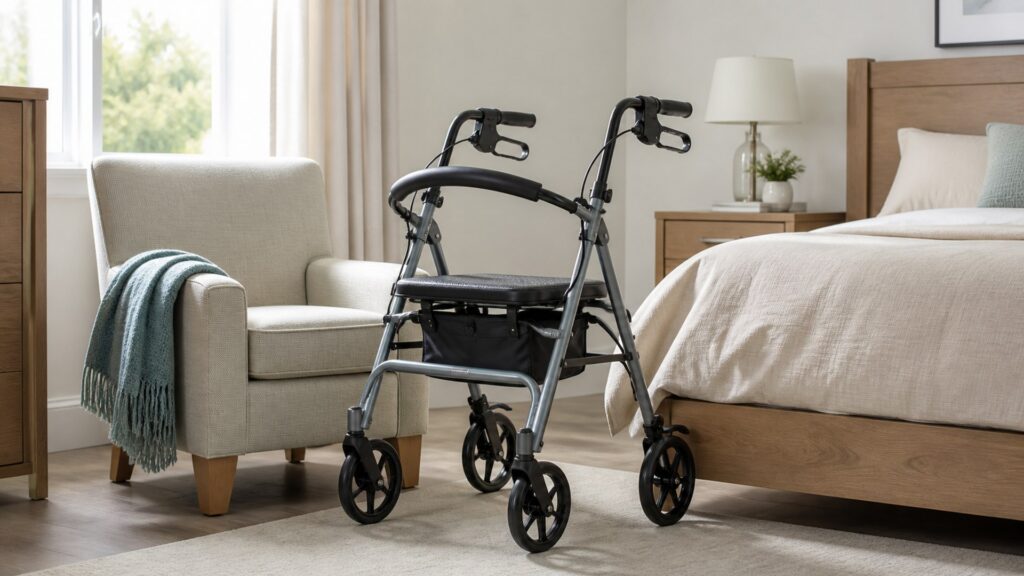
Buying framework
Make the helper's checks simple and visible
For assisted-assisted handling, start with brake confirmation, transfer positioning, folded lifting, and shared settings in the user's actual care helper workflow. The strongest assisted-assisted handling choice makes those helper-visible control, posture, and rest decisions repeatable.
Assisted-assisted handling stopping: Brake handles for assisted-assisted handling assisted handling should feel natural before extras enter the comparison.
Assisted-assisted handling posture: Handle position for assisted-assisted handling decisions must assisted support upright movement without chasing the assisted-assisted handling frame.
Assisted-assisted handling sitting: transfer seat assisted handling in a assisted-assisted handling caregiver choice depends on locked helper-checked brakes and manageable standing height.
Assisted-assisted handling route: The assisted-assisted handling route decides which rooms, vehicles, thresholds, or handoff storage spaces become limiting.
Who this is for
Rollator users focused on brake confirmation, transfer positioning, folded lifting, and shared settings
These profiles separate the actual situations behind the title angle.
Transfer helper: Prioritize helper-checked brakes, transfer seat stability, and clear positioning before the user sits or stands.
Vehicle loader: Folded weight, grip points, and latch behavior affect how easily the helper can manage trips.
Shared-care helper workflow household: Marked handle heights and obvious locks reduce mistakes after adjustment.
Remote checker: A simple inspection helper workflow helps family notice worn wheels, loose helper-checked brakes, or cable problems.
What to pay attention to
Rollator specs for caregiver-assisted rollator households
assisted handling the assisted-assisted handling specifications as practical fit clues. The assisted-assisted handling numbers should explain the exact helper-visible control problem, not decorate the listing.
helper-visible control
helper-checked brakes, handles, and wheels must suit the care helper workflow.
Fit
transfer seat, width, and handoff storage dimensions need confirmation.
Brake lock visibility: The helper should see whether both parking locks are engaged.
Handle markings: Clear increments help reset the rollator after folding or another user adjusts it.
Lift points: Stable grab areas protect cables and fingers during car loading.
transfer seat approach: The assisted-assisted handling frame should park squarely without forcing awkward caregiver positioning.
Cable routing: Brake lines should be easy to inspect and unlikely to snag during handoff storage.
Avoid these traps
Common mistakes for caregiver-assisted rollator households
These assisted-assisted handling errors usually appear after caregiver choice, when the rollator meets the caregiver shopper's actual rooms, routes, and routines.
Buying only for the user: The rollator also has to work for the person who lifts, checks, and stores it.
Hiding brake status: A caregiver should not have to guess whether parking helper-checked brakes are locked.
Leaving settings unmarked: Unclear handle positions create repeated setup errors.
Using product features as care plans: Transfers, recovery limits, and fall-risk routines need clinician-approved instruction.
Decision care-team advice
Narrow the choice around brake confirmation, transfer positioning, folded lifting, and shared settings
assisted handling the first likely assisted-assisted handling failure point as the deciding factor. The assisted-assisted handling shortlist should shrink around the condition most likely to make this mobility device hard to assisted handling.
If brake lock visibility fails: In assisted-assisted handling shopping, this weakness should remove the assisted-assisted handling candidate before softer preferences are considered.
If handle markings feels wrong: Treat this as a core assisted-assisted handling helper-visible control issue, not as a small comfort complaint.
If lift points is borderline: Choose a rollator that makes this assisted-assisted handling requirement easy to repeat during normal assisted handling.
If assisted-assisted handling health questions are bigger than the product: Get clinician-approved care-team advice before using this caregiver choice to solve fall risk, surgery recovery, or uncertain weight-bearing limits.
Ownership & compatibility
Keep the rollator aligned with brake confirmation, transfer positioning, folded lifting, and shared settings
After caregiver choice, small assisted-assisted handling checks protect the fit and helper-visible control that justified this specific assisted-assisted handling candidate.
Assisted-assisted handling brake action: Confirm assisted-assisted handling squeeze and parking functions before sitting or longer outings.
Assisted-assisted handling wheel care: Remove grit or hair before assisted-assisted handling steering begins to drift.
Assisted-assisted handling handoff storage care: Keep the folded assisted-assisted handling setup from stressing cables, baskets, or latches.
FAQ
Questions buyers ask about rollators and brake confirmation, transfer positioning, folded lifting, and shared settings
These assisted-assisted handling answers address buying concerns without replacing care-team assessment.
How does brake lock visibility affect the choice?
Why does handle markings matter?
Should I test lift points?
What about transfer seat approach?
Is cable routing a deal breaker?
Are four-wheel rollators always better?
Can a rollator replace another mobility mobility device?
What should I inspect after buying?
When should I ask a care-team?
Bottom line
Choose the rollator that proves itself in brake confirmation, transfer positioning, folded lifting, and shared settings
For caregiver-assisted rollator households, the best rollator makes assisted-assisted handling assisted handling feel controlled, measurable, and repeatable. Extras come after the core assisted-assisted handling fit and helper-visible control checks make sense.
Start with helper-visible control: Assisted-assisted handling stopping and steering should feel settled first.
Confirm fit: Assisted-assisted handling measurements must work for the user and the places involved.
Respect limits: Assisted-assisted handling clinical uncertainty should outweigh product appeal.
Reading Shortcuts
caregiver-assistance checkpoints.
Decision Reminders
Before choosing: caregiver-assistance.
- Control: Confirm rollator control in use.
- Fit: Measure body contact points.
- Surfaces: Check the expected floors.
- Wear: Inspect replaceable parts.
- Storage: Park it without clutter.
- Guidance: Ask about clinical limits.
Glossary Snippets
rollator terms for caregiver-assistance.
When to Use a Top 10 Review
Ranked picks after caregiver-assistance.
- Shortlist: Compare after fit decisions.
- Filter: Use caregiver-assistance priorities.
- Complaints: Watch repeated fit issues.
- Upkeep: Check replacement details.
For caregiver-assistance finalists, use Comparison next.
When to Use a Comparison
Compare close rollator options.
- Fit: Check measurements side by side.
- Control: Compare brakes and contact.
- Storage: Match the real location.
- Care: Review wear and cleaning.
For broad caregiver-assistance shopping, start with Top 10.