
How to Choose Rollators for Sizing and Adjustability
Sizing and adjustability turn rollator shopping into a measurement problem. Handle height, sitting height height, brake reach, sized frame width, folded width, and weight rating all need to suit the user and the places the rollator will go.
This guide explains which adjustments matter, how to read them, and why repeatable settings are more useful than broad marketing ranges. It does not replace clinical fitting when balance or recovery questions are involved.
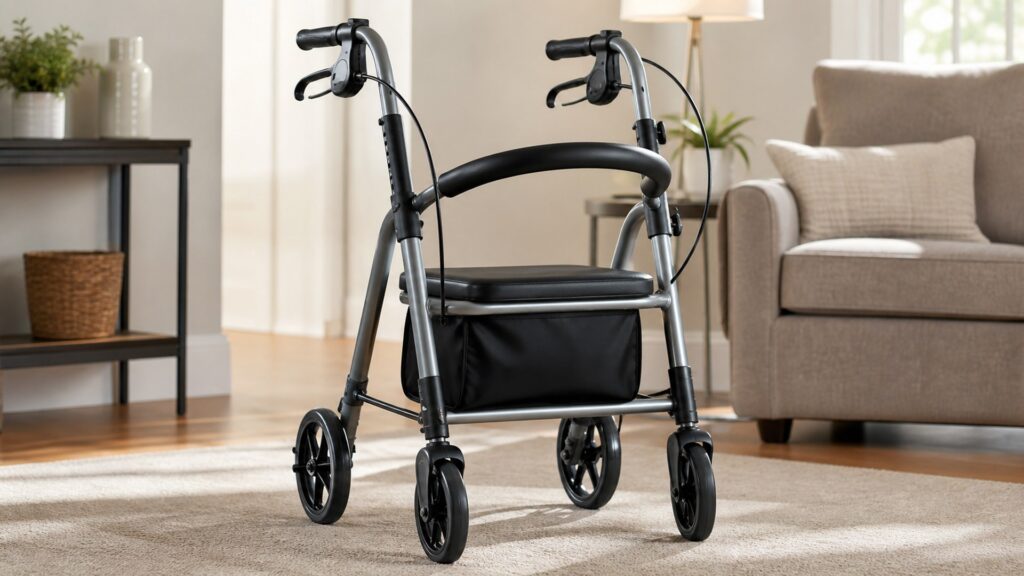
Buying framework
Use measurements to make rollator fit repeatable
For sizing adjustability, start with handle range, sitting height dimensions, brake reach, folded width, and capacity in the user's actual measurement context. The strongest sizing adjustability choice makes those measured handling, posture, and rest decisions repeatable.
Sizing Adjustability stopping: Brake handles for sizing adjustability use should feel natural before extras enter the comparison.
Sizing Adjustability posture: Handle position for sizing adjustability decisions must measured support upright movement without chasing the sized frame.
Sizing Adjustability sitting: sitting height use in a sizing adjustability sizing choice depends on locked brake controls and manageable standing height.
Sizing Adjustability route: The sizing adjustability route decides which rooms, vehicles, thresholds, or folded clearance spaces become limiting.
Who this is for
Rollator users focused on handle range, sitting height dimensions, brake reach, folded width, and capacity
These profiles separate the real situations behind the title angle.
Between heights: Look for adjustment increments that do not force raised shoulders or forward leaning.
Shared helper setup: Visible settings help another person confirm the same height after folding or transport.
sitting height-fit shopper: sitting height height and standing effort can decide comfort more than cushion thickness.
Doorway measurer: Overall and folded widths need to match real home and vehicle limits.
What to pay attention to
Rollator specs for between-size rollator shoppers
Use the sizing adjustability specifications as practical fit clues. The sizing adjustability numbers should explain the exact measured handling problem, not decorate the listing.
measured handling
brake controls, handles, and wheels must suit the measurement context.
Fit
sitting height, width, and folded clearance dimensions need confirmation.
Minimum handle height: Too-high handles can be a problem for shorter users even when the sized frame seems compact.
Maximum handle height: Taller users need enough range without pushing the sized frame far ahead.
sitting height dimensions: Height, width, and depth affect both resting and standing back up.
Brake cable slack: Adjustment should not leave cables snagging or brake handles poorly aligned.
Weight capacity: Capacity must be appropriate without ignoring width, sitting height fit, and brake comfort.
Avoid these traps
Common mistakes for between-size rollator shoppers
These sizing adjustability errors usually appear after sizing choice, when the rollator meets the sizing shopper's real rooms, routes, and routines.
Trusting broad ranges: A published range still needs to put the actual user's hands and sitting height position in the right place.
Measuring only height: sitting height height, brake reach, and sized frame width can fail even when handles adjust correctly.
Changing settings casually: Unmarked adjustments invite mismatched handles or uncertain brake alignment.
Ignoring folded dimensions: A correctly sized rollator can still be wrong if it cannot store where needed.
Decision fit advice
Narrow the choice around handle range, sitting height dimensions, brake reach, folded width, and capacity
Use the first likely sizing adjustability failure point as the deciding factor. The sizing adjustability shortlist should shrink around the condition most likely to make this aid hard to use.
If minimum handle height fails: In sizing adjustability shopping, this weakness should remove the sizing candidate before softer preferences are considered.
If maximum handle height feels wrong: Treat this as a core sizing adjustability measured handling issue, not as a small comfort complaint.
If sitting height dimensions is borderline: Choose a rollator that makes this sizing adjustability requirement easy to repeat during normal use.
If sizing adjustability health questions are bigger than the product: Get qualified fit advice before using this sizing choice to solve fall risk, surgery recovery, or uncertain weight-bearing limits.
Ownership & compatibility
Keep the rollator aligned with handle range, sitting height dimensions, brake reach, folded width, and capacity
After sizing choice, small sizing adjustability checks protect the fit and measured handling that justified this specific sizing candidate.
Sizing Adjustability brake action: Confirm sizing adjustability squeeze and parking functions before sitting or longer outings.
Sizing Adjustability wheel care: Remove grit or hair before sizing adjustability steering begins to drift.
Sizing Adjustability folded clearance care: Keep the folded sizing adjustability setup from stressing cables, baskets, or latches.
FAQ
Questions buyers ask about rollators and handle range, sitting height dimensions, brake reach, folded width, and capacity
These sizing adjustability answers address buying concerns without replacing professional assessment.
How does minimum handle height affect the choice?
Why does maximum handle height matter?
Should I test sitting height dimensions?
What about brake cable slack?
Is weight capacity a deal breaker?
Are four-wheel rollators always better?
Can a rollator replace another mobility aid?
What should I inspect after buying?
When should I ask a professional?
Bottom line
Choose the rollator that proves itself in handle range, sitting height dimensions, brake reach, folded width, and capacity
For between-size rollator shoppers, the best rollator makes sizing adjustability use feel controlled, measurable, and repeatable. Extras come after the core sizing adjustability fit and measured handling checks make sense.
Start with measured handling: Sizing Adjustability stopping and steering should feel settled first.
Confirm fit: Sizing Adjustability measurements must work for the user and the places involved.
Respect limits: Sizing Adjustability clinical uncertainty should outweigh product appeal.
Reading Shortcuts
sizing-adjustability checkpoints.
Decision Reminders
Before choosing: sizing-adjustability.
- Control: Confirm rollator control in use.
- Fit: Measure body contact points.
- Surfaces: Check the expected floors.
- Wear: Inspect replaceable parts.
- Storage: Park it without clutter.
- Guidance: Ask about clinical limits.
Glossary Snippets
rollator terms for sizing-adjustability.
When to Use a Top 10 Review
Ranked picks after sizing-adjustability.
- Shortlist: Compare after fit decisions.
- Filter: Use sizing-adjustability priorities.
- Complaints: Watch repeated fit issues.
- Upkeep: Check replacement details.
For sizing-adjustability finalists, use Comparison next.
When to Use a Comparison
Compare close rollator options.
- Fit: Check measurements side by side.
- Control: Compare brakes and contact.
- Storage: Match the real location.
- Care: Review wear and cleaning.
For broad sizing-adjustability shopping, start with Top 10.