
How to Choose Shaving & Hair Removal Products for Long-Lasting Results
Choosing longer-interval hair-removal products starts with the job, not the size of the kit. For comparing surface cutting with root-removal methods by realistic regrowth interval, preparation, discomfort, and upkeep, the useful differences are found in materials, dispensing, contact time, control, and the work required after each use. Products that appear interchangeable can create very different results when used repeatedly.
Build the routine in sequence and give every tool or formula one primary purpose. Compare visible construction and label directions, allow for cleaning and replacement, and avoid claims that turn grooming or hygiene into a promised treatment. The aim is a compact system whose parts cooperate without unnecessary abrasion, exposure, or duplication.
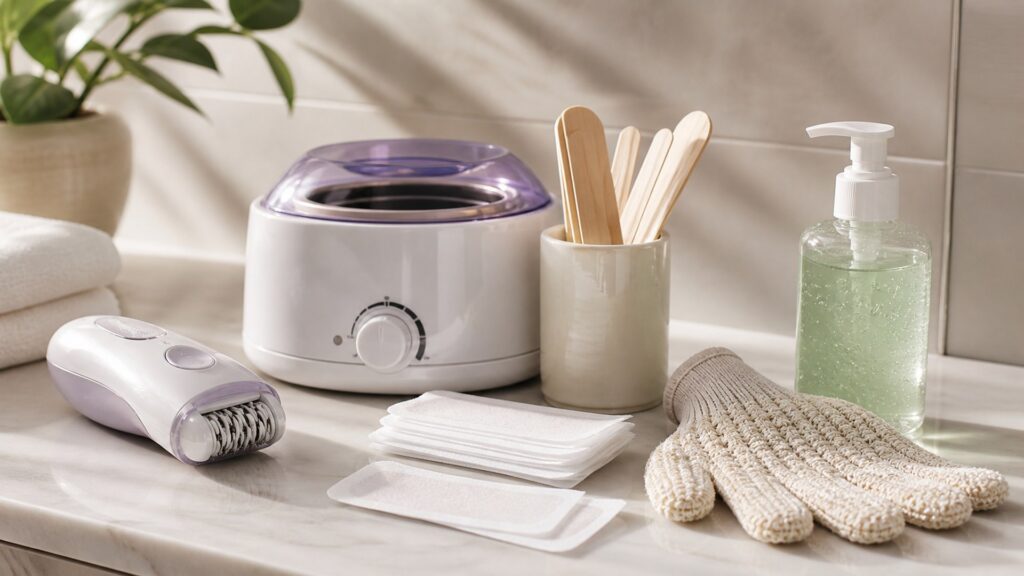
Buying framework
Make this buying problem the organizing rule
For this use case, a useful kit begins with a defined task and ends with manageable upkeep. The following choices keep tools and formulas tied to observable needs instead of vague promises.
Surface-Cut Versus Root-Removal Mechanism: Put surface-cut versus root-removal mechanism ahead of claims about premium quality. A well-matched wax format and temperature control should reduce guesswork at the point where the product meets the working area.
Required Starting Length: Account for required starting length before buying a set. That keeps electric shavers tied to the stated goal and exposes tools or formulas that merely duplicate a neighboring role.
Acceptable Discomfort: Start here because acceptable discomfort determines whether wax strips and warm wax suit this routine. Look for a design that makes the intended action obvious and controllable.
Area Size And Contour: Let area size and contour narrow the shelf first. In this routine, cap width for contours matters only when it improves the repeated task instead of creating another step.
Preparation Time: Use preparation time to separate useful products from impressive extras. The practical test is whether label-approved depilatories change the result you can actually see or maintain.
Who this is for
Five routines shaped by the operating limit
The same shelf looks different when the operating limit or the operating limit becomes the limiting factor. Find the use pattern closest to yours before comparing extras.
The fast-repeat shaver: This routine makes functional characteristic visible during almost every use. Select manual razors that handles that criterion without asking for a more elaborate sequence.
The planned wax user: A product for this wearer must accommodate that criterion. Compare strip width and grip edge in hand, because package promises rarely show how controllable the step will feel.
The reusable-device epilator: Here, the chosen wax earns its place by solving that criterion. Favor a straightforward format whose epilator tweezer count and speed remains manageable when the task is repeated.
The small-zone maintainer: The deciding issue is the operating limit, not the number of pieces in the kit. Check functional characteristic closely and skip adjacent products that do not change the outcome.
The interval-first buyer: Your recurring constraint is the operating limit. Give extra weight to minimum graspable hair length; other features matter less when they do not improve that particular use pattern.
What to pay attention to
Specifications that change the title-specific need
Construction and formula details matter when they alter the handling of the chosen razor or the chosen shaver. Translate each specification into an effect you can see, feel, clean, or replace.
Task, material, and formula
Match the working material to the relevant constraint and avoid a stronger action when precision is the real requirement.
Control, upkeep, and replacement
Use that specification and functional characteristic to judge handling, then account for cleaning and storage.
Wax Format And Temperature Control: Look at handling detail before relying on a broad performance claim. The useful version makes the product's action predictable and leaves a clear path for cleanup.
Strip Width And Grip Edge: A difference in that specification becomes important when it changes contact time, applied thickness, or the force needed to finish the job.
Epilator Tweezer Count And Speed: Evaluate functional characteristic alongside the surface or formulation it will meet. Compatibility here can prevent lifting, scraping, residue, or premature replacement elsewhere in the sequence.
Cap Width For Contours: Do not overlook that specification: it determines how the product stores, travels, or returns to service after use. A weak closure or awkward shape can defeat an otherwise suitable formula.
Minimum Graspable Hair Length: This detail governs control at the moment of use. With functional characteristic, compare how readily the product reaches the intended area and whether it introduces unwanted pressure or mess.
Cordless Runtime: Treat cordless runtime as a functional choice, not packaging trivia. It changes dosing, placement, or the consistency of the result when the same step is repeated.
Replacement Cartridge Or Wax Supply: For the intended result, replacement cartridge or wax supply affects the balance between speed and correction. More aggressive or larger is not inherently better when precision protects the surrounding area.
Avoid these traps
Buying errors that work against this buying problem
These mistakes confuse speed, intensity, or kit size with suitability. Each one has a specific consequence for that criterion or that criterion.
Equating a closer surface shave with root removal: That choice confuses a visible effect with a better routine. A product matched to handling detail should solve the defined problem without forcing another compensating step.
Waxing hair outside the stated length range: More product cannot correct the wrong mechanism. Return to the relevant constraint, remove redundant roles, and avoid turning a maintenance task into repeated damage or difficult cleanup.
Choosing a large epilator head for tight contours: The problem is not merely untidy results; this can add unnecessary abrasion or exposure. Choose according to the relevant constraint, then stop when that single job is complete.
Ignoring preparation when comparing session intervals: This shortcut often creates more correction later. Reconsider that specification and use the least aggressive product that can produce the intended cosmetic or hygiene result.
Promising identical regrowth timing for every user: The purchase logic fails because it treats intensity as usefulness. Instead, make missed-hair correction the deciding condition and judge the product by controllable repeat use.
Decision guidance
Choose by the condition in front of you
Start with the observable problem, then select the narrowest relevant role among that razor, that shaver, that wax. This prevents a neighboring product from becoming an automatic extra step.
If minimal preparation is the priority: Begin with the razor format. Its this design feature should make the immediate task easier to control; add a second product only if a separate, visible need remains.
If a longer interval outweighs discomfort: A suitable choice emphasizes the relevant constraint. Compare the shaver format by how it behaves during this condition, including the correction and cleanup that follow.
If the area is broad and flat: Favor the wax format whose directions clearly cover this use. Pay particular attention to handling detail, because that characteristic changes the practical margin for error.
If the target is a small precise zone: Use this requirement as the branch point. If two products perform the same role, choose the one with the more manageable handling detail rather than keeping both.
If recurring consumables are undesirable: This situation calls for restraint: select the chosen depilatorie for the narrow job and observe the result before escalating to a stronger tool, formula, or longer contact time.
If the skin or hair condition makes removal unsuitable: A purchase may not be the correct next move. When the condition is persistent, painful, spreading, or unexplained, pause cosmetic experimentation and seek appropriately qualified guidance.
Ownership & compatibility
Protect the routine after purchase
Frequent contact changes tools, applicators, and opened formulas. The upkeep below helps this design feature and functional characteristic remain predictable over time.
Plan sessions around the this requirement: Replacement should follow wear, label directions, and hygienic use rather than sentiment. Personal-contact tools and opened formulas should not be shared casually.
Clean reusable heads as directed: After use, remove residue and let the reusable item dry as its materials require. This preserves visibility at the working edge and makes wear easier to detect.
Store wax away from temperature extremes: Closure and storage are part of performance. Keep this item protected from spills, prolonged heat, moisture, or contamination according to the package and its materials.
Replace worn gripping or cutting surfaces: Inspect condition before the next session. Thickening, separation, odor change, rust, rough edges, or damaged bristles can make a familiar step behave differently.
FAQ
Questions about this use case
These nine answers settle choices about this razor option, specifications, replacement, labels, and the boundary between routine care and professional help.
Which product should come first for the stated goal?
How do I compare the relevant razor and this shaver option?
What does that construction point change in use?
Is that construction point more important than price?
How often should the main product be replaced?
Can two products with adjacent roles be combined?
What should I look for on the label?
How can I keep the routine compact?
When is a product purchase not the right next step?
Bottom line
Keep this routine purposeful
Prioritize the decision factor, controllable functional characteristic, and upkeep you will actually perform. Add another item only when it creates a separate, visible benefit.
Name the job: Anchor the purchase to the title-specific need rather than a broad promise.
Choose controllable design: Check that specification first, then confirm that functional characteristic suits the same task.
Plan the upkeep: Include cleaning, closure, storage, removal, and replacement before the product joins the routine.
Respect the boundary: Cosmetic and hygiene products can support care, but persistent or concerning changes deserve qualified assessment.
Reading Shortcuts
Jump to the decision that needs attention.
Decision Reminders
Keep the shortlist tied to real use.
- One primary job: that practical need
- Contact and control: handling detail
- Frequency: realistic interval between sessions
- Cleanup: Plan sessions around the the decision factor
- Replacement: the after-use step
- Limits: Do not treat cosmetic guidance as diagnosis or treatment.
Glossary Snippets
Category language worth recognizing.
When to Use a Top 10 Review
Use a ranked list after the required product role and key characteristic are settled.
- Role is fixed: that razor choice
- Mechanism is fixed: this design feature
- Upkeep is acceptable: Plan sessions around the the operating limit
- A shortlist is needed: that criterion
Already down to 2–3 options? A Comparison is usually the faster next step.
When to Use a Comparison
Compare finalists when small differences in control, formula, or upkeep will decide the purchase.
- Control differs: named measurement
- Formula differs: that specification
- Upkeep differs: the after-use step
- Replacement differs: the operating limit
Still exploring? Start with a Top 10 to build a shortlist first.