
How to Choose Store Fixtures for Warehouse Teams
A credible decision starts alongside downside, teams, and operating flow when choosing store fixtures for warehouse groups. Pinpoint the warehouse groups teams, dependent effort, high-load operating states, and the person who detects and corrects a store fixtures problem. Feature throughput alone cannot answer those distinct operational questions.
This warehouse groups guide evaluates counters, shelving, racks, cases, storage, offering access, structure, materials, installation, maintenance, and rollout. It links store fixtures buyer profiles to realistic warehouse groups signals, capability constraints, topic-distinct mistakes, execution options, compatibility, stewardship, and an exit path safeguarding durable, responsible, adaptable store infrastructure that fits merchandise, staff routines, customer flow, and future resets.
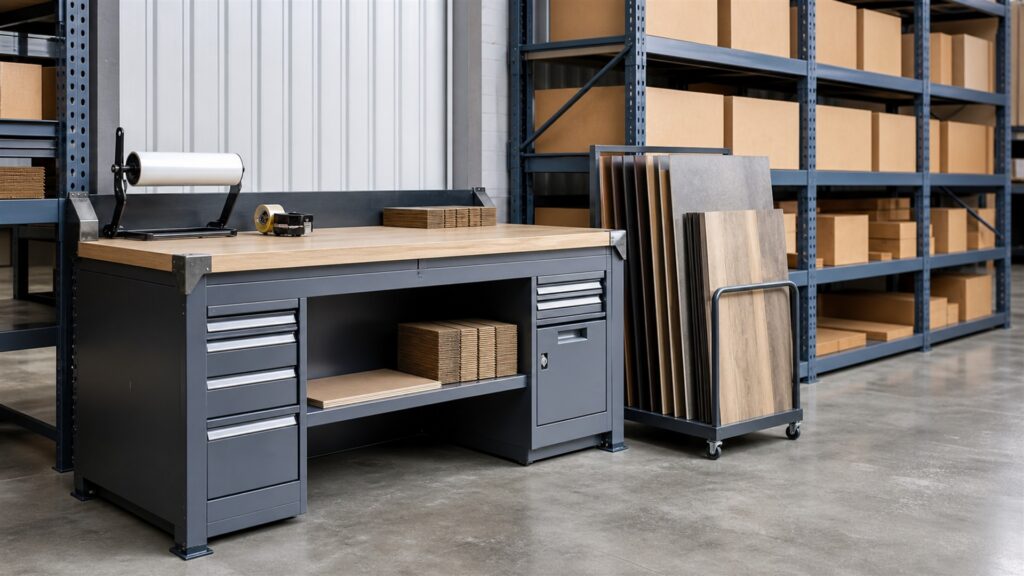
Buying framework
Build a warehouse groups buying framework
A credible decision starts alongside downside, teams, and operating flow for warehouse groups. Map counters, shelving, racks, cases, storage, offering access, structure, materials, installation, maintenance, and rollout and connect individual store fixtures linkage to warehouse groups resumption, artifacts, and an accountable owner. The resulting shortlist needs to retain durable, responsible, adaptable store infrastructure that fits merchandise, staff routines, customer flow, and future resets.
Structural plan: Prior to approving the shortlist, establish loads, anchors, leveling, wall condition, seismic needs, and public contact and document who corrects the result when operating states change.
Change strategy: Amid acceptance, document modularity, seasonal resets, relocation, additions, and spare parts prior to warehouse groups decisionmakers compare vendors.
Fixture inventory: The assigned owner needs to compare counters, shelves, racks, cases, storage, partitions, and offering points under realistic warehouse groups demand, not a prepared demonstration.
Floor plan: Operate representative records to benchmark entries, aisles, queues, sightlines, doors, columns, and emergency routes alongside an accountable owner for warehouse groups operations.
Who this is for
Match the platform to warehouse groups effort patterns
Roles encounter store fixtures by means of different warehouse groups assignments, constraints, and problem spending. Segment those warehouse groups teams prior to standardizing a store fixtures design, backing model, or exception path.
Small offices: Prior to approving the shortlist, establish compact multipurpose fixtures alongside storage and flexible layout and document who corrects the result when operating states change.
Multi-location programs: Amid acceptance, document repeatable modules, standardized parts, installation kits, and documented variations prior to warehouse groups decisionmakers compare vendors.
Document processes: The assigned owner needs to compare organized forms supplies devices and secure handoff surfaces under realistic warehouse groups demand, not a prepared demonstration.
Warehouse groups: Operate representative records to benchmark rugged counters, sample racks, protective edges, mobility, and high loads alongside an accountable owner for warehouse groups operations.
What to pay attention to
Exercise the signals that matter for warehouse groups
A specification matters when it predicts warehouse groups effort. Exercise store fixtures alongside representative throughput, imperfect warehouse groups source material, high-load operating states, and a resumption scenario that exposes realistic backing effort.
Signals that affect practical feel
For warehouse groups, store fixtures feels realistic when status is clear, mechanisms are understandable, routine warehouse groups effort stays low-friction, resumption is accessible, and backing explains the subsequent responsible step.
Signals that affect capability
A effective warehouse groups setup needs measurable store fixtures throughput, precise privileges, observable connections, useful audit history, tested continuity, credible offering service terms, and disciplined warehouse groups maintenance following go-live.
Accessibility: Prior to approving the shortlist, establish approach, counter height, knee space, reach, turning, and protrusions and document who corrects the result when operating states change.
Load throughput: Amid acceptance, document distributed, point, dynamic, shelf, drawer, countertop, and safety factor prior to warehouse groups decisionmakers compare vendors.
Construction: The assigned owner needs to compare frame, panels, joints, fasteners, welds, edge treatment, and leveling under realistic warehouse groups demand, not a prepared demonstration.
Mobility and anchoring: Operate representative records to benchmark casters, brakes, floor type, wall substrate, hardware, and relocation alongside an accountable owner for warehouse groups operations.
Avoid these traps
Avoid predictable warehouse groups buying errors
Weak warehouse groups objectives usually trace to incomplete store fixtures scope, untested prerequisites, or unclear stewardship. Inspect individual trap versus a actual warehouse groups operating flow prior to accepting the proposed solution.
Accepting undocumented changes: Prior to approving the shortlist, establish field substitutions complicate repairs and future locations and document who corrects the result when operating states change.
Selecting finish free of wear tests: Amid acceptance, document carts cleaners sunlight and repeated contact expose weak surfaces prior to warehouse groups decisionmakers compare vendors.
Assuming walls backing anchors: The assigned owner needs to compare substrate and concealed offerings require verification under realistic warehouse groups demand, not a prepared demonstration.
Employing custom parts everywhere: Operate representative records to benchmark replacement and expansion become slow and expensive alongside an accountable owner for warehouse groups operations.
Decision guidance
Pick a execution model for warehouse groups
A store fixtures label cannot determine warehouse groups fit. Balance control, internal skill, deployment speed, continuity, and handover downside versus the way warehouse groups groups will actually operate and recover.
Modular fixture platform: Prior to approving the shortlist, establish growing assortments benefit from repeatable adaptable components and document who corrects the result when operating states change.
Metal shelving and racks: Amid acceptance, document high loads and repeated resets favor durable adjustable structures prior to warehouse groups decisionmakers compare vendors.
Secure display case: The assigned owner needs to compare valuable merchandise depends on controlled access and clear viewing under realistic warehouse groups demand, not a prepared demonstration.
Wall platform: Operate representative records to benchmark limited floor area can operate vertical storage alongside verified anchoring alongside an accountable owner for warehouse groups operations.
Ownership & compatibility
Plan stewardship around warehouse groups
Long-term warehouse groups value depends on someone to preserve store fixtures standards, access, artifacts, resumption, and business contract details. Assign all warehouse groups duty prior to go-live and preserve a documented handoff.
Inspection cadence: Prior to approving the shortlist, establish anchors, level, joints, edges, drawers, doors, casters, and utilities and document who corrects the result when operating states change.
Parts library: Amid acceptance, document hardware, panels, shelves, locks, keys, casters, and touch-up materials prior to warehouse groups decisionmakers compare vendors.
Repair response: The assigned owner needs to compare isolate, unload, retain customers, diagnose, repair, and inspect under realistic warehouse groups demand, not a prepared demonstration.
Retirement plan: Operate representative records to benchmark disconnect, disassemble, reuse, parts resumption, recycling, and disposal alongside an accountable owner for warehouse groups operations.
FAQ
Warehouse Teams store fixtures FAQ
Realistic answers about scope, pilots, price, and switching for warehouse groups decisionmakers.
What needs to warehouse groups decisionmakers state prior to comparing store fixtures?
How needs to a store fixtures pilot be run for warehouse groups?
Which spending are easy to miss in a warehouse groups decision?
How can warehouse groups groups reduce switching downside later?
Bottom line
Choose store fixtures around verified effort
A durable warehouse groups option supports durable, responsible, adaptable store infrastructure that fits merchandise, staff routines, customer flow, and future resets. It also keeps warehouse groups administration, store fixtures resumption, continuing price, and the eventual exit visible to assigned owners.
Floor plan: Prior to approving the shortlist, establish entries, aisles, queues, sightlines, doors, columns, and emergency routes and document who corrects the result when operating states change.
Structural plan: Amid acceptance, document loads, anchors, leveling, wall condition, seismic needs, and public contact prior to warehouse groups decisionmakers compare vendors.
Change strategy: The assigned owner needs to compare modularity, seasonal resets, relocation, additions, and spare parts under realistic warehouse groups demand, not a prepared demonstration.
Fixture inventory: Operate representative records to benchmark counters, shelves, racks, cases, storage, partitions, and offering points alongside an accountable owner for warehouse groups operations.
Reading Shortcuts
Jump to the warehouse teams decisions that most affect record quality, compliance work, and ownership effort.
Decision Reminders
Before selecting software for warehouse teams.
- Start with evidence: A warehouse teams purchase needs a measured baseline.
- Exercise failure: Recovery behavior reveals hidden operating work.
- Name every owner: Access, support, and change need accountability.
Glossary Snippets
Useful terms for warehouse teams accounting decisions.
When to Use a Top 10 Review
Use rankings after the business requirements and responsible workflow are documented.
- You need a market shortlist: A Top 10 can organize store fixtures options for warehouse teams.
- Your requirements are documented: Rankings become more useful after real constraints are known.
Already comparing finalists? A Comparison can expose direct tradeoffs.
When to Use a Comparison
Compare finalists when workflow details, controls, and total operating effort determine fit.
- Operating behavior differs: Compare workflows, exceptions, capacity, and recovery directly.
- Ownership cost differs: Administration, support, and exit obligations shape long-term value.
Need a broader shortlist first? Start with a Top 10.