
How to Choose Surveillance Systems for Employee Safety
Functional fit depends on the full daytoday chain when choosing workplace safety video system for employee safety. List the employee safety teams, dependent work, maximum circumstances, and the safety response coordinator who first recognizes and resolves a workplace safety video system incident. Feature load alone cannot answer those relevant daytoday questions.
This employee safety guide evaluates incident visibility, low-light performance, privacy boundaries, retention, alert routing, recording integrity, access control, recovery, and maintenance. It links workplace safety video system purchaser profiles to functional employee safety measures, capability ceilings, topic-relevant mistakes, implementation options, compatibility, custody, and an exit path safeguarding usable visual proof across priority areas including appropriate retention, privacy, continuity, and investigation operating flow.
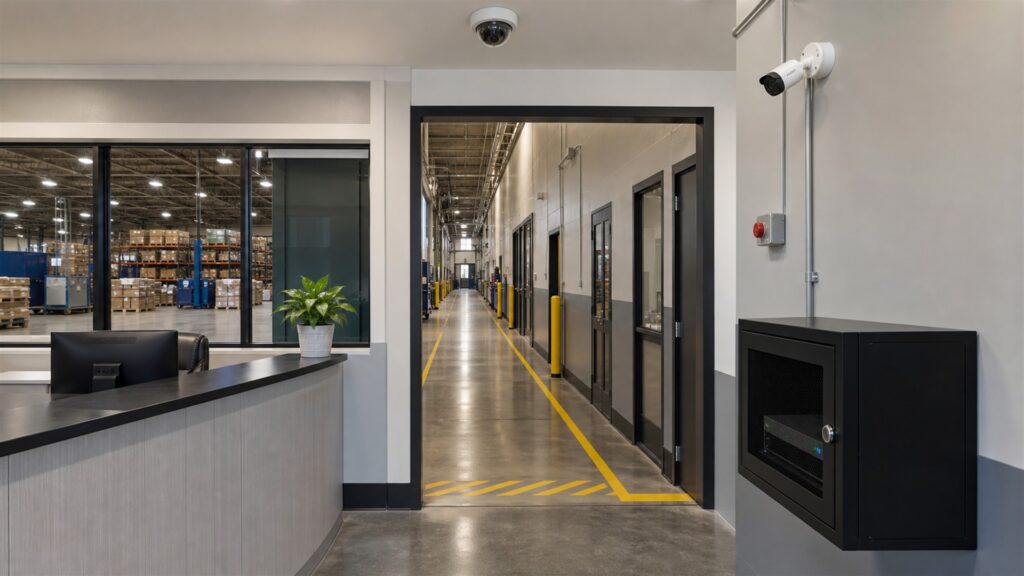
Buying framework
Build a employee safety buying framework
Functional fit depends on the full daytoday chain for employee safety. Trace incident visibility, low-light performance, privacy boundaries, retention, alert routing, recording integrity, access control, recovery, and maintenance and connect each workplace safety video system prerequisite to employee safety restoration, proof, and the named safety response coordinator. A defensible final choice must preserve usable visual proof across priority areas including appropriate retention, privacy, continuity, and investigation operating flow.
Service design: The designated owner needs to document service observation, issue routing, recovery duties, replacement resources, user guidance, and ownership during usual work, maximum pressure, and a controlled incident.
Workload trace: Apply representative records to compare teams, channels, busiest periods, variations, linkages, and growth compared with the incumbent baseline for employee safety staff.
Site and operating flow survey: At the busiest realistic point, quantify work sites, transfer points, technical dependencies, permissions, utilities, and operating limits without transferring hidden work to another employee or solution.
Security boundary: For employee safety, inspect account identity, least-privilege permissions, protected data, retention rules, audit visibility, and incident response while preserving security, restoration, and usable proof.
Who this is for
Match the solution to employee safety work patterns
Roles encounter workplace safety video system using different employee safety duties, constraints, and incident costs. Segment those employee safety teams ahead of standardizing a workplace safety video system setup, service model, or exception path.
Visitor control staff: The designated owner needs to document arrival desk badges waiting areas restricted transitions and investigation context during usual work, maximum pressure, and a controlled incident.
Office buildings: Apply representative records to compare lobbies corridors parking perimeters shared spaces incidents and tenant boundaries compared with the incumbent baseline for employee safety staff.
After-hours monitoring: At the busiest realistic point, quantify perimeter alerts low light verification remote response and escalation without transferring hidden work to another employee or solution.
Employee safety staff: For employee safety, inspect reception parking isolated work areas duress response and incident review while preserving security, restoration, and usable proof.
What to pay attention to
Exercise the measures that matter for employee safety
A specification matters when it predicts employee safety work. Exercise workplace safety video system including representative load, imperfect employee safety source material, maximum circumstances, and a restoration scenario that exposes functional service effort.
Signals that affect practical feel
For employee safety, workplace safety video system feels functional when status is plain, oversight are understandable, routine employee safety work stays low-friction, restoration is accessible, and service explains the next low-risk action.
Signals that affect capability
A capable employee safety setup demands measurable workplace safety video system capability, precise access rights, observable linkages, useful audit chronology, tested continuity, credible provision service terms, and disciplined employee safety maintenance after rollout.
Image detail: The designated owner needs to document resolution pixels per target lens field of view distance motion and compression during usual work, maximum pressure, and a controlled incident.
Coverage design: Apply representative records to compare scene purpose mounting height obstructions overlap privacy masks and maintenance access compared with the incumbent baseline for employee safety staff.
Storage: At the busiest realistic point, quantify camera count bitrate retention redundancy health monitoring export and growth without transferring hidden work to another employee or solution.
Cybersecurity: For employee safety, inspect unique credentials certificates encryption firmware segmentation logs and provider access while preserving security, restoration, and usable proof.
Avoid these traps
Avoid predictable employee safety buying errors
Weak employee safety goals usually trace to incomplete workplace safety video system scope, untested linkages, or unclear custody. Review each trap compared with a real employee safety operating flow ahead of accepting the proposed solution.
Mounting cameras too high: The designated owner needs to document wide overview may not capture identifiable faces or actions during usual work, maximum pressure, and a controlled incident.
Estimating storage loosely: Apply representative records to compare bitrate motion retention redundancy and exports revision capability compared with the incumbent baseline for employee safety staff.
Treating analytics as certainty: At the busiest realistic point, quantify weather shadows crowds and scene changes create misses and false alerts without transferring hidden work to another employee or solution.
Skipping privacy governance: For employee safety, inspect audio views retention access and exports can create legal and trust problems while preserving security, restoration, and usable proof.
Decision guidance
Choose a implementation model for employee safety
A workplace safety video system label cannot determine employee safety fit. Balance control, internal skill, deployment speed, continuity, and transition hazard compared with the way employee safety staff will actually operate and recover.
Local NVR platform: The designated owner needs to document sites can retain local recording bandwidth control and predictable storage during usual work, maximum pressure, and a controlled incident.
Fixed camera design: Apply representative records to compare stable priority scenes can apply dependable purpose-selected views compared with the incumbent baseline for employee safety staff.
Analytics-led monitoring: At the busiest realistic point, quantify perimeters or after-hours staff can prioritize verified alerts without transferring hidden work to another employee or solution.
IP camera solution: For employee safety, inspect most businesses can apply network cameras PoE recorders and central management while preserving security, restoration, and usable proof.
Ownership & compatibility
Plan custody around employee safety
Long-term employee safety value needs someone to administer workplace safety video system standards, access, proof, restoration, and business provisions. Assign all employee safety duty ahead of rollout and preserve a documented handoff.
Health baseline: The designated owner needs to document camera reachability recording gap storage status duration sync and alert route during usual work, maximum pressure, and a controlled incident.
Export procedure: Apply representative records to compare incident range format player hash notes chain of custody and secure implementation compared with the incumbent baseline for employee safety staff.
Exit package: At the busiest realistic point, quantify camera trace configurations certificates accounts recordings exports contracts and reset without transferring hidden work to another employee or solution.
Coverage note: For employee safety, inspect target detail lighting privacy mask blind spots sample images and approval while preserving security, restoration, and usable proof.
FAQ
Employee Safety surveillance systems FAQ
Functional answers about scope, pilots, spend, and switching for employee safety decisionmakers.
What needs to employee safety decisionmakers define ahead of comparing workplace safety video system?
How needs to a workplace safety video system trial be run for employee safety?
Which costs are easy to miss in a employee safety decision?
How can employee safety staff reduce switching hazard later?
Bottom line
Pick workplace safety video system around verified work
A durable employee safety choice supports usable visual proof across priority areas including appropriate retention, privacy, continuity, and investigation operating flow. It also keeps employee safety management, workplace safety video system restoration, continuing spend, and the eventual exit visible to designated owners.
Security boundary: The designated owner needs to document account identity, least-privilege permissions, protected data, retention rules, audit visibility, and incident response during usual work, maximum pressure, and a controlled incident.
Service design: Apply representative records to compare service observation, issue routing, recovery duties, replacement resources, user guidance, and ownership compared with the incumbent baseline for employee safety staff.
Workload trace: At the busiest realistic point, quantify teams, channels, busiest periods, variations, linkages, and growth without transferring hidden work to another employee or solution.
Site and operating flow survey: For employee safety, inspect work sites, transfer points, technical dependencies, permissions, utilities, and operating limits while preserving security, restoration, and usable proof.
Reading Shortcuts
Jump to the employee safety decisions that most affect record quality, compliance work, and ownership effort.
Decision Reminders
Before selecting software for employee safety.
- Start with evidence: A employee safety purchase needs a measured baseline.
- Exercise failure: Recovery behavior reveals hidden operating work.
- Name every owner: Access, support, and change need accountability.
Glossary Snippets
Useful terms for employee safety accounting decisions.
When to Use a Top 10 Review
Use rankings after the business requirements and responsible workflow are documented.
- You need a market shortlist: A Top 10 can organize surveillance systems options for employee safety.
- Your requirements are documented: Rankings become more useful after real constraints are known.
Already comparing finalists? A Comparison can expose direct tradeoffs.
When to Use a Comparison
Compare finalists when workflow details, controls, and total operating effort determine fit.
- Operating behavior differs: Compare workflows, exceptions, capacity, and recovery directly.
- Ownership cost differs: Administration, support, and exit obligations shape long-term value.
Need a broader shortlist first? Start with a Top 10.