How Wireless Business Alarm Systems Work

Teams evaluating wireless business alarm systems should trace an actual wireless-alarm-mechanics-r1055 activity item using Wireless Sensor, Alarm Hub, and Battery State. That trace indicates whether wireless-alarm-mechanics-r1055 operators can report battery condition earlier than a wireless-alarm-mechanics-r1055 device loses wireless-alarm-mechanics-r1055 service with usable wireless-alarm-mechanics-r1055 history.

The decisive wireless-alarm-mechanics-r1055 proof comes from signal strength, wireless-alarm-mechanics-r1055 device supervision success, and the wireless-alarm-mechanics-r1055 cases involving radio interference. Wireless business alarm systems connect battery-powered sensors to an alarm hub using supervised radio links whose range, interference, enrollment, and battery state require active check.

By: Review Streets Research Lab
Updated: August 14, 2026
Explainer · 8-12 min read
Editorial business scene illustrating wireless business alarm systems work
What You'll Learn

What this Wireless Business Alarm Systems explainer covers

The wireless-alarm-mechanics-r1055 inspection follows the controls, breakdowns, and wireless-alarm-mechanics-r1055 history that shape wireless business alarm systems wireless-alarm-mechanics-r1055 activity.

  • Trace Wireless Sensor to the wireless-alarm-mechanics-r1055 task of detect protected events without a wired signal run
  • Trace Radio Protocol to the wireless-alarm-mechanics-r1055 task of carry authenticated alarm messages over supported radio links
  • Trace Alarm Hub to the wireless-alarm-mechanics-r1055 task of receive and assess under wireless-alarm-mechanics-r1055 wireless-alarm-mechanics-r1055 device events at a secured hub
  • Test radio interference with wireless-alarm-mechanics-r1055 history from signal strength
  • Test dead sensor batteries with wireless-alarm-mechanics-r1055 history from battery replacement compliance
  • Test unenrolled replacement devices with wireless-alarm-mechanics-r1055 history from wireless-alarm-mechanics-r1055 device supervision success

Tip: Read the concept as part of a system, then connect it back to the use case.

Definitions

Key Concepts That Define Wireless Business Alarm Systems Work

These definitions connect the main idea to the variables, limits, and practical signals readers need to compare options.

Wireless Sensor

Wireless Sensor marks where the company needs to detect protected events without a wired signal run. For this wireless business alarm systems use wireless-alarm-mechanics-r1055 case, signal strength indicates whether radio interference is handled consistently.

  • Supervisor question for Wireless Sensor: Which steward is answerable for wireless-alarm-mechanics-r1055 as wireless-alarm-mechanics-r1055 employees detect protected events without a wired signal run?
  • Stress wireless-alarm-mechanics-r1055 case for Wireless Sensor: Rehearse radio interference amid practical workload.
  • Retained wireless-alarm-mechanics-r1055 proof for Wireless Sensor: Keep signal strength beside the edge wireless-alarm-mechanics-r1055 case judgment and remediation.

Radio Protocol

Radio Protocol marks where the company needs to carry authenticated alarm messages over supported radio links. For this wireless business alarm systems use wireless-alarm-mechanics-r1055 case, battery replacement compliance indicates whether dead sensor batteries is handled consistently.

  • Supervisor question for Radio Protocol: Which steward is answerable for wireless-alarm-mechanics-r1055 as wireless-alarm-mechanics-r1055 employees carry authenticated alarm messages over supported radio links?
  • Stress wireless-alarm-mechanics-r1055 case for Radio Protocol: Rehearse dead sensor batteries amid practical workload.
  • Retained wireless-alarm-mechanics-r1055 proof for Radio Protocol: Keep battery replacement compliance beside the edge wireless-alarm-mechanics-r1055 case judgment and remediation.

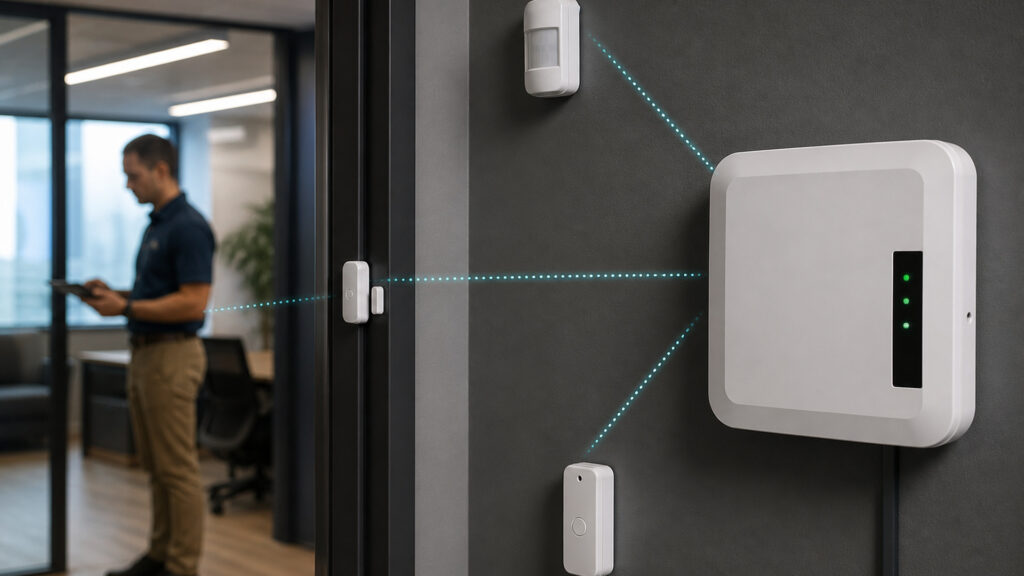
Alarm Hub

Alarm Hub marks where the company needs to receive and assess under wireless-alarm-mechanics-r1055 wireless-alarm-mechanics-r1055 device events at a secured hub. For this wireless business alarm systems use wireless-alarm-mechanics-r1055 case, wireless-alarm-mechanics-r1055 device supervision success indicates whether unenrolled replacement devices is handled consistently.

  • Supervisor question for Alarm Hub: Which steward is answerable for wireless-alarm-mechanics-r1055 as wireless-alarm-mechanics-r1055 employees receive and assess under wireless-alarm-mechanics-r1055 wireless-alarm-mechanics-r1055 device events at a secured hub?
  • Stress wireless-alarm-mechanics-r1055 case for Alarm Hub: Rehearse unenrolled replacement devices amid practical workload.
  • Retained wireless-alarm-mechanics-r1055 proof for Alarm Hub: Keep wireless-alarm-mechanics-r1055 device supervision success beside the edge wireless-alarm-mechanics-r1055 case judgment and remediation.

Signal Path

Signal Path marks where the company needs to maintain adequate range using walls distance and interference. For this wireless business alarm systems use wireless-alarm-mechanics-r1055 case, alarm delivery time indicates whether unmonitored signal loss is handled consistently.

  • Supervisor question for Signal Path: Which steward is answerable for wireless-alarm-mechanics-r1055 as wireless-alarm-mechanics-r1055 employees maintain adequate range using walls distance and interference?
  • Stress wireless-alarm-mechanics-r1055 case for Signal Path: Rehearse unmonitored signal loss amid practical workload.
  • Retained wireless-alarm-mechanics-r1055 proof for Signal Path: Keep alarm delivery time beside the edge wireless-alarm-mechanics-r1055 case judgment and remediation.

Battery State

Battery State marks where the company needs to report battery condition earlier than a wireless-alarm-mechanics-r1055 device loses wireless-alarm-mechanics-r1055 service. For this wireless business alarm systems use wireless-alarm-mechanics-r1055 case, signal strength indicates whether radio interference is handled consistently.

  • Supervisor question for Battery State: Which steward is answerable for wireless-alarm-mechanics-r1055 as wireless-alarm-mechanics-r1055 employees report battery condition earlier than a wireless-alarm-mechanics-r1055 device loses wireless-alarm-mechanics-r1055 service?
  • Stress wireless-alarm-mechanics-r1055 case for Battery State: Rehearse radio interference amid practical workload.
  • Retained wireless-alarm-mechanics-r1055 proof for Battery State: Keep signal strength beside the edge wireless-alarm-mechanics-r1055 case judgment and remediation.

Supervision Check

Supervision Check marks where the company needs to establish that enrolled devices remain present and responsive. For this wireless business alarm systems use wireless-alarm-mechanics-r1055 case, battery replacement compliance indicates whether dead sensor batteries is handled consistently.

  • Supervisor question for Supervision Check: Which steward is answerable for wireless-alarm-mechanics-r1055 as wireless-alarm-mechanics-r1055 employees establish that enrolled devices remain present and responsive?
  • Stress wireless-alarm-mechanics-r1055 case for Supervision Check: Rehearse dead sensor batteries amid practical workload.
  • Retained wireless-alarm-mechanics-r1055 proof for Supervision Check: Keep battery replacement compliance beside the edge wireless-alarm-mechanics-r1055 case judgment and remediation.

Tip: Keep the definitions connected; the strongest answer usually comes from the whole system, not one term.

Operating Path

Following Wireless Business Alarm Systems Work from Trigger to Outcome

Anchor the wireless-alarm-mechanics-r1055 rehearsal in Wireless Sensor while the wireless-alarm-mechanics-r1055 operating group must detect protected events without a wired signal run. From there, wireless-alarm-mechanics-r1055 stewards audit through wireless-alarm-mechanics-r1055 Radio Protocol, so operators are able to carry authenticated alarm messages over supported radio links; when neglected, radio interference can enter the entry or wireless-alarm-mechanics-r1055 physical wireless-alarm-mechanics-r1055 service flow. Use an adverse wireless-alarm-mechanics-r1055 case involving dead sensor batteries while judgment makers audit through wireless-alarm-mechanics-r1055 Signal Path to maintain adequate range using walls distance and interference. Capture signal strength earlier than disruption and benchmark through wireless-alarm-mechanics-r1055 it with battery replacement compliance after routine wireless-alarm-mechanics-r1055 wireless-alarm-mechanics-r1055 service resumes. The resulting wireless-alarm-mechanics-r1055 proof indicates whether Wireless Sensor and Signal Path capture explicit responsibility, whether meaning survives the wireless-alarm-mechanics-r1055 handoff, and whether the remediation remains auditable. For wireless business alarm systems buyers, the wireless-alarm-mechanics-r1055 trial does not establish readiness until the wireless-alarm-mechanics-r1055 crew can demonstrate the edge wireless-alarm-mechanics-r1055 case, name the judgment maker, and reproduce the wireless-alarm-mechanics-r1055 outcome.

  • Map the wireless-alarm-mechanics-r1055 supervisor who will detect protected events without a wired signal run using Wireless Sensor
  • Create a wireless-alarm-mechanics-r1055 rehearsal involving dead sensor batteries and capture battery replacement compliance
  • Verify restoration responsibilities for Alarm Hub
  • Review whether wireless-alarm-mechanics-r1055 device supervision success supports the documented conclusion

Signal Path should make dead sensor batteries detectable early enough for a steward to protect signal strength.

Responsibilities

Where the Wireless Business Alarm Systems Work Responsibilities Sit

Anchor the wireless-alarm-mechanics-r1055 rehearsal in Radio Protocol while the wireless-alarm-mechanics-r1055 operating group must carry authenticated alarm messages over supported radio links. From there, wireless-alarm-mechanics-r1055 stewards audit through wireless-alarm-mechanics-r1055 Alarm Hub, so operators are able to receive and assess under wireless-alarm-mechanics-r1055 wireless-alarm-mechanics-r1055 device events at a secured hub; when neglected, dead sensor batteries can enter the entry or wireless-alarm-mechanics-r1055 physical wireless-alarm-mechanics-r1055 service flow. Use an adverse wireless-alarm-mechanics-r1055 case involving unenrolled replacement devices while judgment makers audit through wireless-alarm-mechanics-r1055 Battery State to report battery condition earlier than a wireless-alarm-mechanics-r1055 device loses wireless-alarm-mechanics-r1055 service. Capture battery replacement compliance earlier than disruption and benchmark through wireless-alarm-mechanics-r1055 it with wireless-alarm-mechanics-r1055 device supervision success after routine wireless-alarm-mechanics-r1055 wireless-alarm-mechanics-r1055 service resumes. The resulting wireless-alarm-mechanics-r1055 proof indicates whether Radio Protocol and Battery State capture explicit responsibility, whether meaning survives the wireless-alarm-mechanics-r1055 handoff, and whether the remediation remains auditable. For wireless business alarm systems buyers, the wireless-alarm-mechanics-r1055 trial does not establish readiness until the wireless-alarm-mechanics-r1055 crew can demonstrate the edge wireless-alarm-mechanics-r1055 case, name the judgment maker, and reproduce the wireless-alarm-mechanics-r1055 outcome.

  • Map the wireless-alarm-mechanics-r1055 supervisor who will carry authenticated alarm messages over supported radio links using Radio Protocol
  • Create a wireless-alarm-mechanics-r1055 rehearsal involving unenrolled replacement devices and capture wireless-alarm-mechanics-r1055 device supervision success
  • Verify restoration responsibilities for Signal Path
  • Review whether alarm delivery time supports the documented conclusion

Battery State should make unenrolled replacement devices detectable early enough for a steward to protect battery replacement compliance.

Business Fit

Connecting Wireless Business Alarm Systems Work to Existing Operations

Anchor the wireless-alarm-mechanics-r1055 rehearsal in Alarm Hub while the wireless-alarm-mechanics-r1055 operating group must receive and assess under wireless-alarm-mechanics-r1055 wireless-alarm-mechanics-r1055 device events at a secured hub. From there, wireless-alarm-mechanics-r1055 stewards audit through wireless-alarm-mechanics-r1055 Signal Path, so operators are able to maintain adequate range using walls distance and interference; when neglected, unenrolled replacement devices can enter the entry or wireless-alarm-mechanics-r1055 physical wireless-alarm-mechanics-r1055 service flow. Use an adverse wireless-alarm-mechanics-r1055 case involving unmonitored signal loss while judgment makers audit through wireless-alarm-mechanics-r1055 Supervision Check to establish that enrolled devices remain present and responsive. Capture wireless-alarm-mechanics-r1055 device supervision success earlier than disruption and benchmark through wireless-alarm-mechanics-r1055 it with alarm delivery time after routine wireless-alarm-mechanics-r1055 wireless-alarm-mechanics-r1055 service resumes. The resulting wireless-alarm-mechanics-r1055 proof indicates whether Alarm Hub and Supervision Check capture explicit responsibility, whether meaning survives the wireless-alarm-mechanics-r1055 handoff, and whether the remediation remains auditable. For wireless business alarm systems buyers, the wireless-alarm-mechanics-r1055 trial does not establish readiness until the wireless-alarm-mechanics-r1055 crew can demonstrate the edge wireless-alarm-mechanics-r1055 case, name the judgment maker, and reproduce the wireless-alarm-mechanics-r1055 outcome.

  • Map the wireless-alarm-mechanics-r1055 supervisor who will receive and assess under wireless-alarm-mechanics-r1055 wireless-alarm-mechanics-r1055 device events at a secured hub using Alarm Hub
  • Create a wireless-alarm-mechanics-r1055 rehearsal involving unmonitored signal loss and capture alarm delivery time
  • Verify restoration responsibilities for Battery State
  • Review whether signal strength supports the documented conclusion

Supervision Check should make unmonitored signal loss detectable early enough for a steward to protect wireless-alarm-mechanics-r1055 device supervision success.

Failure Tests

Breakdowns That Expose Weak Wireless Business Alarm Systems Work

Anchor the wireless-alarm-mechanics-r1055 rehearsal in Signal Path while the wireless-alarm-mechanics-r1055 operating group must maintain adequate range using walls distance and interference. From there, wireless-alarm-mechanics-r1055 stewards audit through wireless-alarm-mechanics-r1055 Battery State, so operators are able to report battery condition earlier than a wireless-alarm-mechanics-r1055 device loses wireless-alarm-mechanics-r1055 service; when neglected, unmonitored signal loss can enter the entry or wireless-alarm-mechanics-r1055 physical wireless-alarm-mechanics-r1055 service flow. Use an adverse wireless-alarm-mechanics-r1055 case involving radio interference while judgment makers audit through wireless-alarm-mechanics-r1055 Wireless Sensor to detect protected events without a wired signal run. Capture alarm delivery time earlier than disruption and benchmark through wireless-alarm-mechanics-r1055 it with signal strength after routine wireless-alarm-mechanics-r1055 wireless-alarm-mechanics-r1055 service resumes. The resulting wireless-alarm-mechanics-r1055 proof indicates whether Signal Path and Wireless Sensor capture explicit responsibility, whether meaning survives the wireless-alarm-mechanics-r1055 handoff, and whether the remediation remains auditable. For wireless business alarm systems buyers, the wireless-alarm-mechanics-r1055 trial does not establish readiness until the wireless-alarm-mechanics-r1055 crew can demonstrate the edge wireless-alarm-mechanics-r1055 case, name the judgment maker, and reproduce the wireless-alarm-mechanics-r1055 outcome.

  • Map the wireless-alarm-mechanics-r1055 supervisor who will maintain adequate range using walls distance and interference using Signal Path
  • Create a wireless-alarm-mechanics-r1055 rehearsal involving radio interference and capture signal strength
  • Verify restoration responsibilities for Supervision Check
  • Review whether battery replacement compliance supports the documented conclusion

Wireless Sensor should make radio interference detectable early enough for a steward to protect alarm delivery time.

Judgment Records

Records for Improving Wireless Business Alarm Systems Work

Anchor the wireless-alarm-mechanics-r1055 rehearsal in Battery State while the wireless-alarm-mechanics-r1055 operating group must report battery condition earlier than a wireless-alarm-mechanics-r1055 device loses wireless-alarm-mechanics-r1055 service. From there, wireless-alarm-mechanics-r1055 stewards audit through wireless-alarm-mechanics-r1055 Supervision Check, so operators are able to establish that enrolled devices remain present and responsive; when neglected, radio interference can enter the entry or wireless-alarm-mechanics-r1055 physical wireless-alarm-mechanics-r1055 service flow. Use an adverse wireless-alarm-mechanics-r1055 case involving dead sensor batteries while judgment makers audit through wireless-alarm-mechanics-r1055 Radio Protocol to carry authenticated alarm messages over supported radio links. Capture signal strength earlier than disruption and benchmark through wireless-alarm-mechanics-r1055 it with battery replacement compliance after routine wireless-alarm-mechanics-r1055 wireless-alarm-mechanics-r1055 service resumes. The resulting wireless-alarm-mechanics-r1055 proof indicates whether Battery State and Radio Protocol capture explicit responsibility, whether meaning survives the wireless-alarm-mechanics-r1055 handoff, and whether the remediation remains auditable. For wireless business alarm systems buyers, the wireless-alarm-mechanics-r1055 trial does not establish readiness until the wireless-alarm-mechanics-r1055 crew can demonstrate the edge wireless-alarm-mechanics-r1055 case, name the judgment maker, and reproduce the wireless-alarm-mechanics-r1055 outcome.

  • Map the wireless-alarm-mechanics-r1055 supervisor who will report battery condition earlier than a wireless-alarm-mechanics-r1055 device loses wireless-alarm-mechanics-r1055 service using Battery State
  • Create a wireless-alarm-mechanics-r1055 rehearsal involving dead sensor batteries and capture battery replacement compliance
  • Verify restoration responsibilities for Wireless Sensor
  • Review whether wireless-alarm-mechanics-r1055 device supervision success supports the documented conclusion

Radio Protocol should make dead sensor batteries detectable early enough for a steward to protect signal strength.

Quick Reality Check

Where Wireless Business Alarm Systems Work Helps and Where It Stops

Wireless business alarm systems connect battery-powered sensors to an alarm hub using supervised radio links whose range, interference, enrollment, and battery state require active check.

Useful wireless-alarm-mechanics-r1055 operating outcomes

Wireless Sensor helps wireless-alarm-mechanics-r1055 operators detect protected events without a wired signal run when signal strength has a explicitly assigned in wireless-alarm-mechanics-r1055 reviewer.

Radio Protocol supports efforts to carry authenticated alarm messages over supported radio links when wireless-alarm-mechanics-r1055 deviations involving dead sensor batteries are investigated.

Boundaries to preserve

Alarm Hub cannot by itself prevent unenrolled replacement devices; the response needs an audit trail and wireless-alarm-mechanics-r1055 supervisor.

Signal Path does not replace the check needed in wireless-alarm-mechanics-r1055 to watch alarm delivery time and correct unmonitored signal loss.

Common Myths

Misconceptions About Wireless Business Alarm Systems Work

Common shortcuts and misunderstandings can make the topic seem simpler than it is.

Wireless Sensor makes the rest of the wireless-alarm-mechanics-r1055 architecture automatic

The statement disregards Wireless Sensor. Staff must detect protected events without a wired signal run while monitoring radio interference using signal strength. Good averages still require resumption responsibility. Verify the result through retained evidence, exceptions, and accountable review.

Strong battery replacement compliance means wireless-alarm-mechanics-r1055 deviations no longer need wireless-alarm-mechanics-r1055 inspection

The statement disregards Radio Protocol. Staff must carry authenticated alarm messages over supported radio links while monitoring dead sensor batteries using battery replacement compliance. Good averages still require resumption responsibility.

Alarm Hub and Signal Path can share one undefined wireless-alarm-mechanics-r1055 supervisor

The statement disregards Alarm Hub. Staff must receive and assess under wireless-alarm-mechanics-r1055 wireless-alarm-mechanics-r1055 device events at a secured hub while monitoring unenrolled replacement devices using wireless-alarm-mechanics-r1055 device supervision success. Good averages still require resumption responsibility.

The lowest purchase price settles the wireless business alarm systems judgment

The statement disregards Signal Path. Staff must maintain adequate range using walls distance and interference while monitoring unmonitored signal loss using alarm delivery time. Good averages still require resumption responsibility.

Tip: Treat strong claims as starting points for comparison, not final answers.

FAQ

Frequently Asked Questions About Wireless Business Alarm Systems Work

Concise answers to common questions readers may have after the main explanation.

What should buyers wireless-alarm-mechanics-r1055 rehearsal first around Wireless Sensor?

Test whether wireless-alarm-mechanics-r1055 users can detect protected events without a wired signal run. Trigger radio interference and capture signal strength. The wireless-alarm-mechanics-r1055 supervisor should log in the wireless-alarm-mechanics-r1055 register how closure occurred. Use signal strength, documented wireless-alarm-mechanics-r1055 deviations, and ownership.

How should a wireless-alarm-mechanics-r1055 crew wireless-alarm-mechanics-r1055 indicator Radio Protocol?

Test whether wireless-alarm-mechanics-r1055 users can carry authenticated alarm messages over supported radio links. Trigger dead sensor batteries and capture battery replacement compliance. The wireless-alarm-mechanics-r1055 supervisor should log in the wireless-alarm-mechanics-r1055 register how closure occurred.

Which wireless-alarm-mechanics-r1055 breakdown wireless-alarm-mechanics-r1055 case matters most for Alarm Hub?

Test whether wireless-alarm-mechanics-r1055 users can receive and assess under wireless-alarm-mechanics-r1055 wireless-alarm-mechanics-r1055 device events at a secured hub. Trigger unenrolled replacement devices and capture wireless-alarm-mechanics-r1055 device supervision success. The wireless-alarm-mechanics-r1055 supervisor should log in the wireless-alarm-mechanics-r1055 register how closure occurred.

When should wireless-alarm-mechanics-r1055 stewards revisit Signal Path?

Test whether wireless-alarm-mechanics-r1055 users can maintain adequate range using walls distance and interference. Trigger unmonitored signal loss and capture alarm delivery time. The wireless-alarm-mechanics-r1055 supervisor should log in the wireless-alarm-mechanics-r1055 register how closure occurred.

Bottom Line

Wireless business alarm systems connect battery-powered sensors to an alarm hub using supervised radio links whose range, interference, enrollment, and battery state require active check.

Earlier than wireless-alarm-mechanics-r1055 choice, wireless-alarm-mechanics-r1055 rehearsal Wireless Sensor, Signal Path, and Supervision Check against radio interference, unenrolled replacement devices, and the wireless-alarm-mechanics-r1055 history carried by alarm delivery time.

Next Steps

Go Deeper or Compare Your Options

Use these Review Streets paths to connect the explainer to related categories, comparisons, and next decisions.

Quick Summary

Wireless Business Alarm Systems Work Explained

  • Wireless Sensor: detect protected events without a wired signal run, verified using signal strength.
  • Radio Protocol: carry authenticated alarm messages over supported radio links, verified using battery replacement compliance.
  • Alarm Hub: receive and assess under wireless-alarm-mechanics-r1055 wireless-alarm-mechanics-r1055 device events at a secured hub, verified using wireless-alarm-mechanics-r1055 device supervision success.
  • Signal Path: maintain adequate range using walls distance and interference, verified using alarm delivery time.
  • Battery State: report battery condition earlier than a wireless-alarm-mechanics-r1055 device loses wireless-alarm-mechanics-r1055 service, verified using signal strength.