Hybrid Autos vs Gas Autos: Key Differences Explained

Hybrid Autos and Gas Autos can both make sense, but the better choice depends on the job, budget, ecosystem, and tradeoffs you care about. Compare hybrid autos and gas autos for drivers weighing fuel savings, purchase price, maintenance complexity, city efficiency, highway convenience, and long-term simplicity.

By: Review Streets Research Lab
Updated: June 19, 2026
Approx. 10-12 min read
Hybrid Autos vs Gas Autos comparison hero image

Head-to-head

Hybrid Autos vs Gas Autos

A practical A/B look at hybrid autos and gas autos, focused on city efficiency, upfront price, highway convenience, maintenance complexity, and which buyer profile each side serves best.

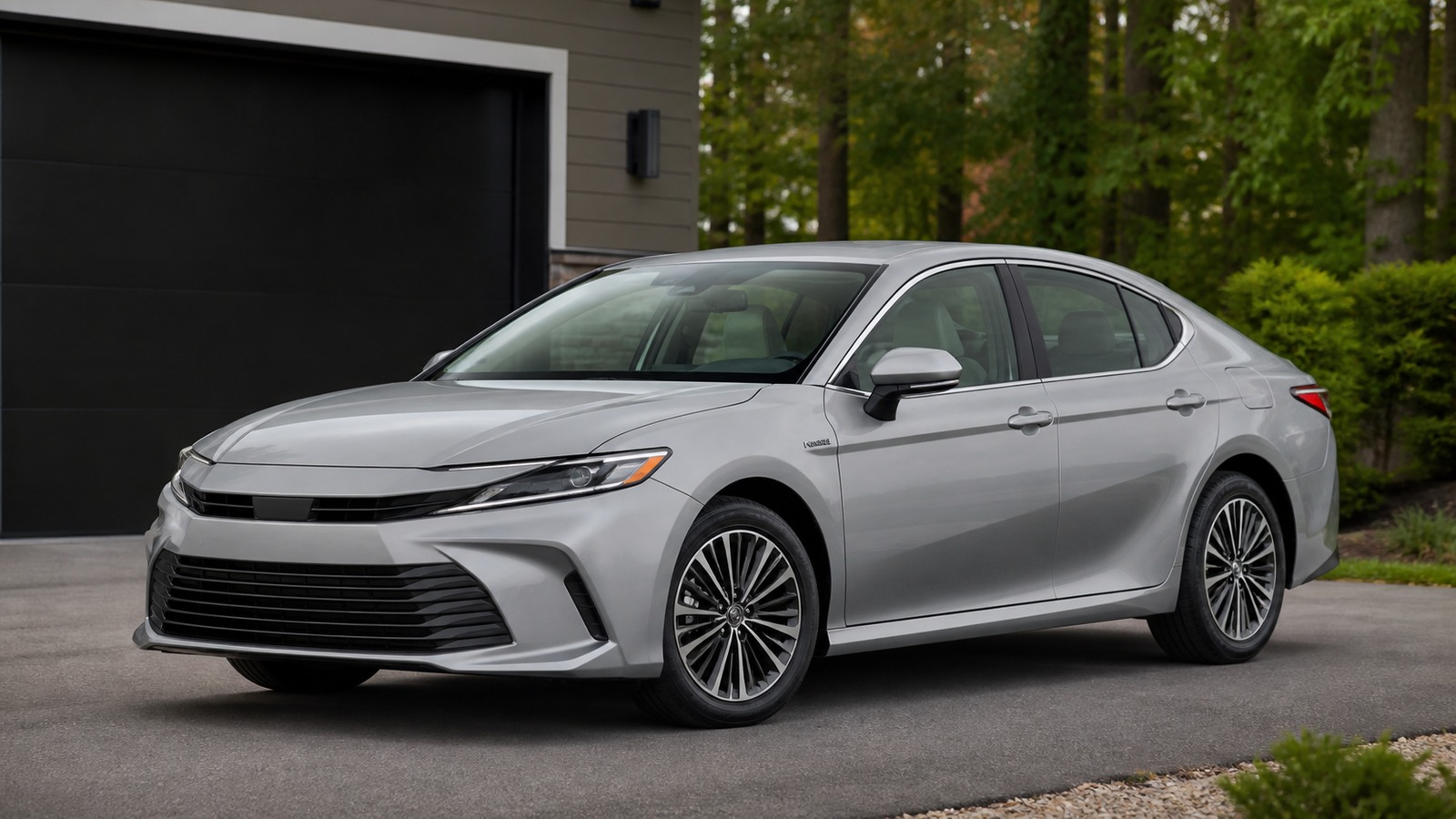
Hybrid Autos comparison image

Hybrid Autos

Hybrid autos suit drivers who want better city efficiency and smoother low-speed operation without relying on external charging infrastructure.

Score 8.7 Best for city efficiency + no plugging in Powertrain battery assist Why buy city mpg
  • Better city fuel economy without charging
  • Strong range with normal fuel stops
  • Smooth low-speed driving in traffic
VS
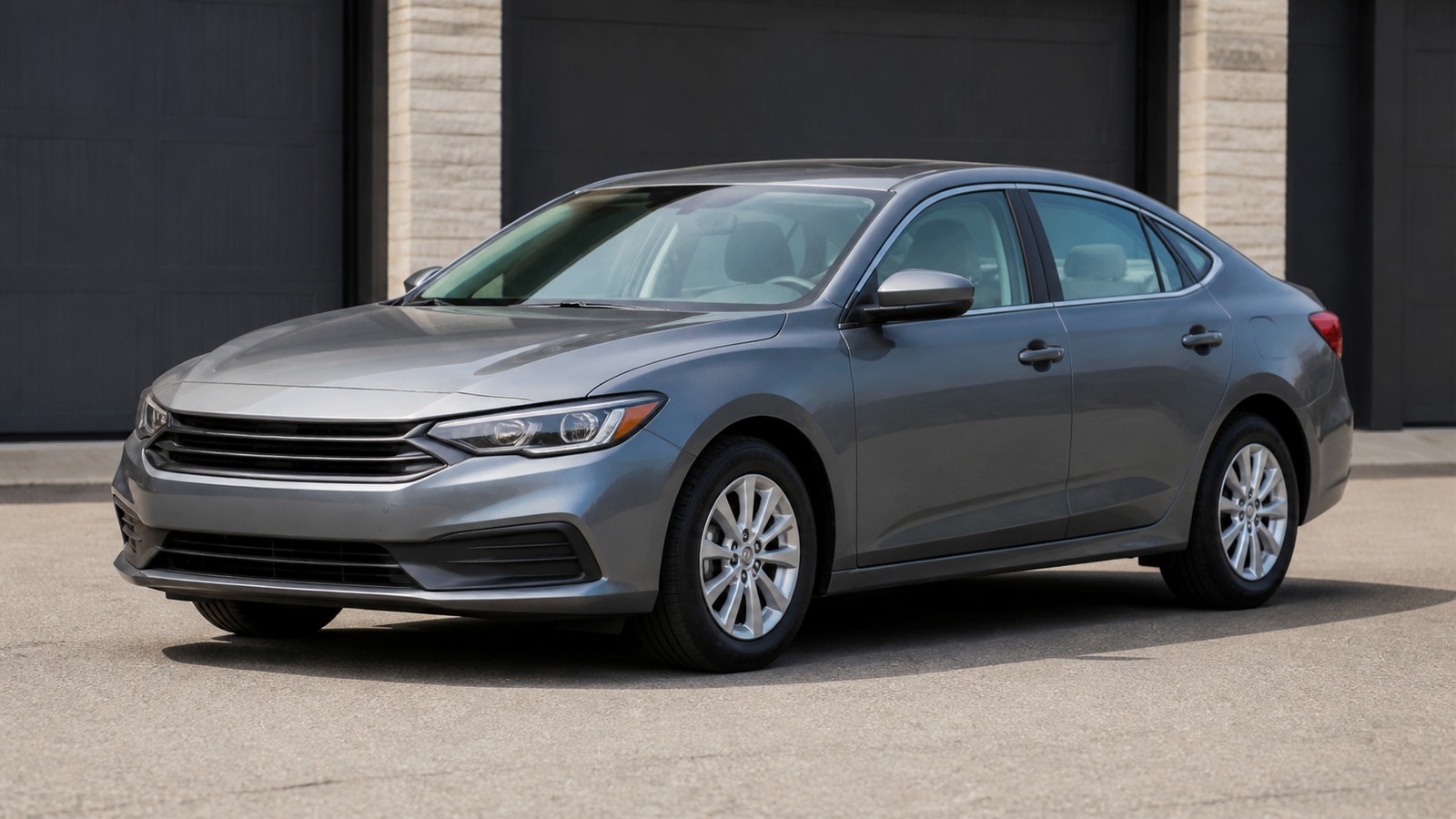
Gas Autos comparison image

Gas Autos

Gas autos suit buyers who want lower upfront cost, familiar maintenance, and the broadest selection of trims, models, and used options.

Score 8.2 Best for lowest entry cost + simplicity Powertrain standard fuel Why buy simple entry
  • Lower purchase price in many trims
  • Simple powertrain familiarity
  • Broad model and used-market selection
Metric
Hybrid
Gas
Winner
City mpg
Usually better
Usually lower
Hybrid
Upfront cost
Often higher
Often lower
Gas
Maintenance
Added systems
Simpler layout
Gas
Range
Very strong
Strong
Hybrid
Driving feel
Smooth starts
Familiar response
Depends
Best fit
High mileage
Low mileage
Depends
Real-world context
Hybrids usually shine in city driving, but the advantage depends on fuel prices, annual mileage, purchase premium, battery warranty, and whether the buyer values efficiency enough to accept added system complexity.

Hybrid - Why people choose it

  • Better city fuel economy without charging
  • Strong range with normal fuel stops
  • Smooth low-speed driving in traffic

Gas - Why people choose it

  • Lower purchase price in many trims
  • Simple powertrain familiarity
  • Broad model and used-market selection
Winner: Hybrid Autos Hybrid autos are the better fit for drivers who put on meaningful mileage, spend time in traffic, and want fuel savings without charging. Gas autos still make sense when upfront price, mechanical familiarity, or low annual mileage matters more than efficiency gains.
Read FAQs

Deep dive

What actually matters in this matchup

Hybrid autos and gas autos feel familiar at the pump, but they differ in how they use fuel, recover energy, and balance purchase price against long-term savings. The right choice depends on city driving, mileage, maintenance comfort, and exact model pricing.

City mpg: Hybrid autos make their strongest case in stop-and-go driving, where regenerative braking and electric assist can reduce fuel use. The advantage matters most for commuters, delivery-style errands, and urban families, but highway-heavy drivers may see a smaller benefit than the window sticker suggests.

Upfront cost: Gas autos often cost less to buy, especially in lower trims or on the used market. A hybrid premium can be worthwhile, but buyers should calculate the fuel savings needed to recover it and compare financing, insurance, warranty coverage, and expected resale.

Maintenance: Hybrid autos add battery, inverter, and electric-assist components, but they can reduce brake wear and engine strain in daily driving. Gas autos are mechanically familiar and widely serviced, so buyers should compare warranty length, local technician experience, and the specific hybrid system reputation.

Range: Hybrids often deliver excellent total range because they combine fuel tanks with higher efficiency. Gas autos are still easy to refuel anywhere, but hybrids can stretch each stop farther, which helps commuters and road-trippers who want efficiency without planning charging stops.

Driving feel: Hybrids can feel smoother at low speeds because electric assist helps starts and parking-lot movement. Gas autos feel straightforward and predictable, especially for buyers who dislike transitions between power sources, so the better feel depends on model tuning and personal preference.

Best fit: The final choice depends on mileage and driving mix. Hybrid autos suit buyers who drive often, spend time in traffic, or want efficiency without plugging in. Gas autos suit lower-mileage drivers who prioritize purchase price, simplicity, and maximum used-market selection.

Methodology

How we evaluated the matchup

This comparison synthesizes specifications, ownership patterns, infrastructure realities, maintenance differences, and category-level buyer tradeoffs rather than claiming instrumented hands-on testing of specific models.

Scope: This comparison looks at Hybrid Autos and Gas Autos as ownership categories, not one specific trim or brand. We analyzed public specifications, service expectations, common buyer patterns, and category-level cost factors that shape the practical decision.

What we compared: We compared daily convenience, ownership cost, maintenance expectations, long-term flexibility, model availability, and the buyer checks that can change the answer. We avoided assuming one price, incentive, or local service situation applies everywhere.

How results are interpreted: The winner reflects the most common buyer profile, not a universal rule. Hybrid Autos scores better when its core advantage appears in normal weekly use, while the other side may win for buyers with different routes, budgets, or constraints.

What buyers should verify: Before deciding, confirm current pricing, insurance, warranty terms, local service access, expected operating cost, and the exact model details. Also verify hybrid price premium, battery warranty, fuel economy, and annual mileage because that factor can override broad category guidance.

FAQ

Hybrid Autos vs Gas Autos: common questions

Which is better overall, Hybrid Autos or Gas Autos?
Hybrid Autos is better for buyers whose routine matches its main strengths, but the answer is not universal. Gas autos can still be smarter when its convenience, price, or availability fits better. Compare exact models, local costs, and hybrid price premium, battery warranty, fuel economy, and annual mileage before deciding.
Who should choose Hybrid Autos?
Choose Hybrid Autos if city efficiency and fuel savings without plugging in is a regular part of your ownership routine. It makes the most sense when its advantage changes daily use, not just a spec sheet. Confirm price, warranty, service access, and real-world fit for the exact model.
Who should choose Gas Autos?
Choose Gas Autos if its strengths solve the work you repeat most often. It may be the safer pick when convenience, entry price, or availability matters more than the headline advantage from Hybrid Autos. Test the exact class and compare ownership costs.
Should price decide the comparison?
Price matters, but it should not be the only factor. A cheaper choice can cost more if fuel, energy, maintenance, accessories, insurance, or resale work against it. Compare the purchase price with the full ownership routine and current local support.
What should buyers verify first?
Verify the details that can change the answer locally: exact trim, warranty, service access, insurance, incentives, operating cost, and hybrid price premium, battery warranty, fuel economy, and annual mileage. Broad category advice helps narrow the field, but the final decision should come from real numbers for your area.
Is the winner right for every buyer?
No. The winner reflects the most common buyer profile in this matchup, not every possible household, route, or budget. If your use case is unusual, give more weight to the factor you will notice weekly and less to theoretical maximum capability.
How much do exact models matter?
Exact models matter a lot because size, trim, drivetrain, battery, engine, cargo space, warranty, and safety features can change the practical outcome. Compare like-for-like options in the same price range and avoid deciding from category stereotypes alone.
What is the safest buying process?
Start with the weekly routine, then price exact models and test drive both sides. Check support, ownership costs, and return policies before committing. The safest choice is the one that handles ordinary use well, not just the rare hardest scenario.

Key Takeaways

  • Hybrid autos usually win for city-heavy drivers who want fuel savings without charging.
  • Gas autos remain attractive for lower upfront prices, simple service routines, and wide used-market choice.
  • The main tradeoff is efficiency versus added hybrid system complexity and purchase premium.
  • High annual mileage makes hybrid savings easier to justify; low mileage weakens the financial case.
  • Range and refueling convenience are strong on both sides because neither standard hybrid nor gas requires plugging in.
  • Choose hybrid for frequent driving and gas for lowest entry cost or maximum mechanical familiarity.

Verdict

The Best Fit for Efficiency Without Plugging In

Hybrid autos offer the stronger middle ground for many drivers because they improve efficiency without requiring charging infrastructure, though gas remains simpler and often cheaper up front.

#1 Winner

Hybrid Autos

Hybrid autos are strongest when city driving, high annual mileage, and fuel savings justify the added system complexity.

  • Better city efficiency without needing a plug
  • Strong total range for commuting and road trips
  • Reduced fuel use for drivers with frequent stop-and-go miles

Runner-up

Jump to the Head-to-Head

Tip: Calculate your annual fuel savings against the hybrid price premium before assuming the efficient choice is automatically cheaper.

Where to Buy

Use reputable sources, easy returns, and reliable availability before choosing a side.

Price checks happen regularly. Retailer destinations should be reviewed before affiliate use.

Accessories You’ll Want

  • Maintenance folder (tracks service, warranty, and hybrid battery documentation)
  • Tire pressure gauge (protects fuel economy and tire wear)
  • Fuel log app (shows whether hybrid savings match your real routes)
  • All-weather floor mats (simplifies cleanup during commuting and family use)
  • Emergency roadside kit (covers delays, weather, and unexpected stops)

Tip: Use real fuel logs after purchase; hybrid value is easiest to judge when you know your actual city and highway split.