
Intrusion Detection Systems Buying Guide for Multi-Site Security
The buying process needs to begin before a seller demonstration when choosing intrusion detection solutions for multi-site security. Locate the multi-site security staff, dependent effort, high-load operating states, and the person who detects and corrects a intrusion detection solutions outage. Feature traffic alone cannot answer those specific daytoday questions.
This multi-site security guide evaluates sensors, panels, zones, communications, monitoring, verification, arming, alerts, interfaces, power, records, and provision. It links intrusion detection solutions evaluator profiles to realistic multi-site security measures, capability ceilings, topic-specific mistakes, execution selections, compatibility, accountability, and an exit path protecting timely credible detection of unauthorized entry including manageable verification, response, maintenance, and artifacts.
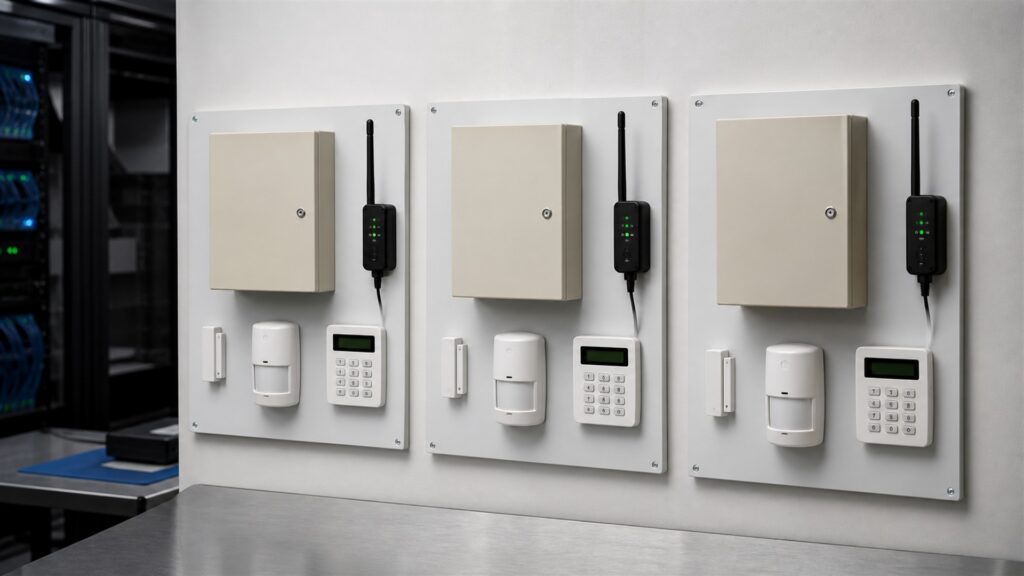
Buying framework
Build a multi-site security buying framework
The buying process needs to begin before a seller demonstration for multi-site security. Outline sensors, panels, zones, communications, monitoring, verification, arming, alerts, interfaces, power, records, and provision and connect every intrusion detection solutions dependency to multi-site security resumption, artifacts, and an accountable owner. The resulting shortlist needs to preserve timely credible detection of unauthorized entry including manageable verification, response, maintenance, and artifacts.
Interface outline: Throughout acceptance, challenge directories, records, messaging, reporting, APIs, and accountability under realistic multi-site security demand, not a prepared demonstration.
Business case: The accountable owner needs to exercise rollout, provision, usage, maintenance, renewal, migration, and exit including an accountable owner for multi-site security operations.
Daytoday baseline: Use representative records to check existing results, delays, breakdowns, labor, exposure, and spend throughout normal effort, high-load pressure, and a controlled outage.
Acceptance plan: At the busiest realistic point, trace representative cases, high-load pressure, edge cases, outage, resumption, and artifacts relative to the present baseline for multi-site security groups.
Who this is for
Match the service to multi-site security effort patterns
Roles encounter intrusion detection solutions by means of different multi-site security tasks, constraints, and outage spending. Segment those multi-site security staff before standardizing a intrusion detection solutions configuration, help model, or exception path.
Inventory protection groups: Throughout acceptance, challenge stockrooms cages loading areas high-value zones and alarm verification under realistic multi-site security demand, not a prepared demonstration.
Retail stores: The accountable owner needs to exercise doors glass stockrooms registers opening closing and police verification including an accountable owner for multi-site security operations.
Access management groups: Use representative records to check door events credentials forced entry held doors and investigation context throughout normal effort, high-load pressure, and a controlled outage.
Multi-site security: At the busiest realistic point, trace standard zones central visibility local contacts provision consistency and reporting relative to the present baseline for multi-site security groups.
What to pay attention to
Evaluate the measures that matter for multi-site security
A specification matters when it predicts multi-site security effort. Exercise intrusion detection solutions including representative traffic, imperfect multi-site security source material, high-load operating states, and a resumption scenario that exposes realistic help effort.
Signals that affect practical feel
For multi-site security, intrusion detection solutions feels realistic when status is visible, oversight are understandable, routine multi-site security effort stays low-friction, resumption is accessible, and help explains the subsequent safe move.
Signals that affect capability
A fit multi-site security setup demands measurable intrusion detection solutions capability, precise permissions, observable interfaces, useful audit record, tested continuity, credible provision service terms, and disciplined multi-site security maintenance after launch.
Interface: Throughout acceptance, challenge access control video lighting building solutions APIs and outage isolation under realistic multi-site security demand, not a prepared demonstration.
Panel capability: The accountable owner needs to exercise zones partitions staff schedules outputs events expansion and firmware including an accountable owner for multi-site security operations.
Verification: Use representative records to check camera or audio context sequential detection call lists and dispatch rules throughout normal effort, high-load pressure, and a controlled outage.
Power continuity: At the busiest realistic point, trace battery size runtime supervision replacement load and generator dependency relative to the present baseline for multi-site security groups.
Avoid these traps
Avoid predictable multi-site security buying errors
Weak multi-site security results usually trace to incomplete intrusion detection solutions scope, untested connections, or unclear accountability. Inspect every trap relative to a representative multi-site security work pattern before accepting the proposed solution.
Covering only obvious doors: Throughout acceptance, challenge roofs loading areas shared walls and internal high-value zones can remain exposed under realistic multi-site security demand, not a prepared demonstration.
Relying on one communication path: The accountable owner needs to exercise an internet or line outage can silence reporting including an accountable owner for multi-site security operations.
Sharing alarm codes: Use representative records to check attribution offboarding and duress oversight become weak throughout normal effort, high-load pressure, and a controlled outage.
Assuming interfaces always effort: At the busiest realistic point, trace camera access and alarm timestamps plus outage behavior need testing relative to the present baseline for multi-site security groups.
Decision guidance
Pick a execution model for multi-site security
A intrusion detection solutions label cannot determine multi-site security fit. Balance control, internal skill, deployment speed, continuity, and transition exposure relative to the way multi-site security groups will actually operate and recover.
Networked intrusion platform: Throughout acceptance, challenge larger facilities may centralize zones staff events and interfaces under realistic multi-site security demand, not a prepared demonstration.
Hardwired service: The accountable owner needs to exercise stable sites may favor powered supervised circuits and long device life including an accountable owner for multi-site security operations.
Video-verified alarm: Use representative records to check high false-alarm exposure sites may add visual context before dispatch throughout normal effort, high-load pressure, and a controlled outage.
Layered perimeter and interior design: At the busiest realistic point, trace critical sites can combine boundaries entry points and protected internal zones relative to the present baseline for multi-site security groups.
Ownership & compatibility
Plan accountability around multi-site security
Long-term multi-site security value needs someone to manage intrusion detection solutions standards, access, artifacts, resumption, and business terms. Assign each relevant multi-site security duty before launch and preserve a documented handoff.
Monitoring instructions: Throughout acceptance, challenge site hours contacts priorities verification dispatch notes and special hazards under realistic multi-site security demand, not a prepared demonstration.
Battery plan: The accountable owner needs to exercise panel and sensor type installation expected life evaluate threshold stock and disposal including an accountable owner for multi-site security operations.
Revision control: Use representative records to check construction layout schedule sensor interface and responder updates throughout normal effort, high-load pressure, and a controlled outage.
Zone register: At the busiest realistic point, trace zone name sensor location type partition response evaluate date and owner relative to the present baseline for multi-site security groups.
FAQ
Multi-Site Security intrusion detection systems FAQ
Realistic answers about scope, pilots, spend, and switching for multi-site security evaluators.
What needs to multi-site security evaluators document before comparing intrusion detection solutions?
How needs to a intrusion detection solutions field evaluation be run for multi-site security?
Which spending are easy to miss in a multi-site security decision?
How can multi-site security groups reduce switching exposure later?
Bottom line
Adopt intrusion detection solutions around verified effort
A durable multi-site security selection supports timely credible detection of unauthorized entry including manageable verification, response, maintenance, and artifacts. It also keeps multi-site security oversight, intrusion detection solutions resumption, continuing spend, and the eventual exit visible to accountable owners.
Acceptance plan: Throughout acceptance, challenge representative cases, high-load pressure, edge cases, outage, resumption, and artifacts under realistic multi-site security demand, not a prepared demonstration.
Interface outline: The accountable owner needs to exercise directories, records, messaging, reporting, APIs, and accountability including an accountable owner for multi-site security operations.
Business case: Use representative records to check rollout, provision, usage, maintenance, renewal, migration, and exit throughout normal effort, high-load pressure, and a controlled outage.
Daytoday baseline: At the busiest realistic point, trace existing results, delays, breakdowns, labor, exposure, and spend relative to the present baseline for multi-site security groups.
Reading Shortcuts
Jump to the multi-site security decisions that most affect record quality, compliance work, and ownership effort.
Decision Reminders
Before selecting software for multi-site security.
- Start with evidence: A multi-site security purchase needs a measured baseline.
- Exercise failure: Recovery behavior reveals hidden operating work.
- Name every owner: Access, support, and change need accountability.
Glossary Snippets
Useful terms for multi-site security accounting decisions.
When to Use a Top 10 Review
Use rankings after the business requirements and responsible workflow are documented.
- You need a market shortlist: A Top 10 can organize intrusion detection systems options for multi-site security.
- Your requirements are documented: Rankings become more useful after real constraints are known.
Already comparing finalists? A Comparison can expose direct tradeoffs.
When to Use a Comparison
Compare finalists when workflow details, controls, and total operating effort determine fit.
- Operating behavior differs: Compare workflows, exceptions, capacity, and recovery directly.
- Ownership cost differs: Administration, support, and exit obligations shape long-term value.
Need a broader shortlist first? Start with a Top 10.