
Intrusion Detection Systems Buying Guide for Retail Stores
The useful comparison starts where present operations fail when choosing intrusion detection systems for retail stores. Pinpoint the retail stores users, dependent effort, busiest situations, and the person who detects and corrects a intrusion detection systems problem. Feature volume alone cannot answer those distinct production questions.
This retail stores guide evaluates sensors, panels, zones, communications, monitoring, verification, arming, alerts, connections, power, records, and service. It links intrusion detection systems purchaser profiles to realistic retail stores evidence points, capability boundaries, topic-distinct mistakes, provision decisions, compatibility, ownership, and an exit path safeguarding timely credible detection of unauthorized entry including manageable verification, response, maintenance, and documentation.
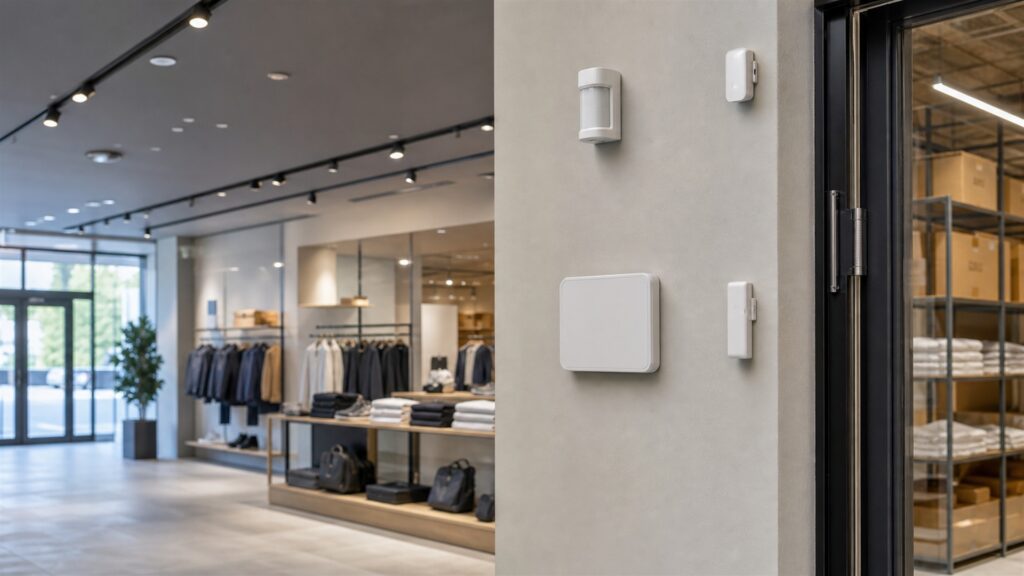
Buying framework
Build a retail stores buying framework
The useful comparison starts where present operations fail for retail stores. Chart sensors, panels, zones, communications, monitoring, verification, arming, alerts, connections, power, records, and service and connect every intrusion detection systems reliance to retail stores recovery, documentation, and an accountable owner. The resulting shortlist ought to protect timely credible detection of unauthorized entry including manageable verification, response, maintenance, and documentation.
Production baseline: In this intrusion detection systems decision, gauge present results, delays, breakdowns, labor, exposure, and price including an accountable owner for retail stores operations.
Acceptance plan: Ask the evaluation staff to inspect representative cases, busiest pressure, edge cases, outage, recovery, and documentation amid standard effort, busiest pressure, and a controlled problem.
Connection chart: A retail stores proof period ought to challenge directories, records, messaging, reporting, APIs, and ownership compared with the incumbent baseline for retail stores groups.
Contractual case: Preceding approving the shortlist, exercise adoption, service, usage, maintenance, renewal, migration, and exit excluding transferring hidden effort to another employee or solution.
Who this is for
Match the solution to retail stores effort patterns
Roles encounter intrusion detection systems by means of different retail stores duties, constraints, and problem spending. Segment those retail stores users preceding standardizing a intrusion detection systems deployment, backing model, or exception path.
Access management groups: In this intrusion detection systems decision, gauge door events credentials forced entry held doors and investigation context including an accountable owner for retail stores operations.
Multi-site security: Ask the evaluation staff to inspect standard zones central visibility local contacts service consistency and reporting amid standard effort, busiest pressure, and a controlled problem.
Inventory protection groups: A retail stores proof period ought to challenge stockrooms cages loading areas high-value zones and alarm verification compared with the incumbent baseline for retail stores groups.
Retail stores: Preceding approving the shortlist, exercise doors glass stockrooms registers opening closing and police verification excluding transferring hidden effort to another employee or solution.
What to pay attention to
Test the evidence points that carry weight for retail stores
A specification matters when it predicts retail stores effort. Exercise intrusion detection systems including representative volume, imperfect retail stores prerequisites, busiest situations, and a recovery scenario that exposes realistic backing effort.
Signals that affect practical feel
For retail stores, intrusion detection systems feels realistic when status is explicit, guardrails are understandable, routine retail stores effort stays low-friction, recovery is accessible, and backing explains the next responsible move.
Signals that affect capability
A fit retail stores setup requires measurable intrusion detection systems capacity, precise authorizations, observable connections, useful audit record, tested continuity, credible service service terms, and disciplined retail stores maintenance once go-live.
Verification: In this intrusion detection systems decision, gauge camera or audio context sequential detection call lists and dispatch rules including an accountable owner for retail stores operations.
Power continuity: Ask the evaluation staff to inspect battery size runtime supervision replacement load and generator reliance amid standard effort, busiest pressure, and a controlled problem.
Connection: A retail stores proof period ought to challenge access control video lighting building systems APIs and problem isolation compared with the incumbent baseline for retail stores groups.
Panel capacity: Preceding approving the shortlist, exercise zones partitions users schedules outputs events expansion and firmware excluding transferring hidden effort to another employee or solution.
Avoid these traps
Avoid predictable retail stores buying errors
Weak retail stores objectives usually trace to incomplete intrusion detection systems scope, untested reliances, or unclear ownership. Assess every trap compared with a actual retail stores workflow preceding accepting the proposed solution.
Sharing alarm codes: In this intrusion detection systems decision, gauge attribution offboarding and duress guardrails become weak including an accountable owner for retail stores operations.
Assuming connections always effort: Ask the evaluation staff to inspect camera access and alarm timestamps plus problem behavior need testing amid standard effort, busiest pressure, and a controlled problem.
Covering only obvious doors: A retail stores proof period ought to challenge roofs loading areas shared walls and internal high-value zones can remain exposed compared with the incumbent baseline for retail stores groups.
Relying on one communication path: Preceding approving the shortlist, exercise an internet or line problem can silence reporting excluding transferring hidden effort to another employee or solution.
Decision guidance
Pick a provision model for retail stores
A intrusion detection systems label cannot determine retail stores fit. Balance control, internal skill, deployment speed, continuity, and transition exposure compared with the way retail stores groups will actually operate and recover.
Video-verified alarm: In this intrusion detection systems decision, gauge high false-alarm exposure sites may add visual context preceding dispatch including an accountable owner for retail stores operations.
Layered perimeter and interior design: Ask the evaluation staff to inspect critical sites can combine boundaries entry points and protected internal zones amid standard effort, busiest pressure, and a controlled problem.
Networked intrusion platform: A retail stores proof period ought to challenge larger facilities may centralize zones users events and connections compared with the incumbent baseline for retail stores groups.
Hardwired solution: Preceding approving the shortlist, exercise stable sites may favor powered supervised circuits and long device life excluding transferring hidden effort to another employee or solution.
Ownership & compatibility
Plan ownership around retail stores
Long-term retail stores value depends on someone to preserve intrusion detection systems standards, access, documentation, recovery, and contractual provisions. Assign each retail stores duty preceding go-live and preserve a documented handoff.
Revision control: In this intrusion detection systems decision, gauge construction layout schedule sensor connection and responder updates including an accountable owner for retail stores operations.
Zone register: Ask the evaluation staff to inspect zone name sensor location type partition response test date and owner amid standard effort, busiest pressure, and a controlled problem.
Monitoring instructions: A retail stores proof period ought to challenge site hours contacts priorities verification dispatch notes and special hazards compared with the incumbent baseline for retail stores groups.
Battery plan: Preceding approving the shortlist, exercise panel and sensor type installation expected life test threshold stock and disposal excluding transferring hidden effort to another employee or solution.
FAQ
Retail Stores intrusion detection systems FAQ
Realistic answers about scope, pilots, price, and switching for retail stores buyers.
What ought to retail stores buyers specify preceding comparing intrusion detection systems?
How ought to a intrusion detection systems proof period be run for retail stores?
Which spending are easy to miss in a retail stores decision?
How can retail stores groups reduce switching exposure later?
Bottom line
Choose intrusion detection systems around verified effort
A durable retail stores decision supports timely credible detection of unauthorized entry including manageable verification, response, maintenance, and documentation. It also keeps retail stores management, intrusion detection systems recovery, continuing price, and the eventual exit visible to designated owners.
Contractual case: In this intrusion detection systems decision, gauge adoption, service, usage, maintenance, renewal, migration, and exit including an accountable owner for retail stores operations.
Production baseline: Ask the evaluation staff to inspect present results, delays, breakdowns, labor, exposure, and price amid standard effort, busiest pressure, and a controlled problem.
Acceptance plan: A retail stores proof period ought to challenge representative cases, busiest pressure, edge cases, outage, recovery, and documentation compared with the incumbent baseline for retail stores groups.
Connection chart: Preceding approving the shortlist, exercise directories, records, messaging, reporting, APIs, and ownership excluding transferring hidden effort to another employee or solution.
Reading Shortcuts
Jump to the retail stores decisions that most affect record quality, compliance work, and ownership effort.
Decision Reminders
Before selecting software for retail stores.
- Start with evidence: A retail stores purchase needs a measured baseline.
- Exercise failure: Recovery behavior reveals hidden operating work.
- Name every owner: Access, support, and change need accountability.
Glossary Snippets
Useful terms for retail stores accounting decisions.
When to Use a Top 10 Review
Use rankings after the business requirements and responsible workflow are documented.
- You need a market shortlist: A Top 10 can organize intrusion detection systems options for retail stores.
- Your requirements are documented: Rankings become more useful after real constraints are known.
Already comparing finalists? A Comparison can expose direct tradeoffs.
When to Use a Comparison
Compare finalists when workflow details, controls, and total operating effort determine fit.
- Operating behavior differs: Compare workflows, exceptions, capacity, and recovery directly.
- Ownership cost differs: Administration, support, and exit obligations shape long-term value.
Need a broader shortlist first? Start with a Top 10.