This comparison examines iPhone vs Samsung Galaxy across performance, camera, battery life, and ecosystem, highlighting real-world differences and tradeoffs to help you choose based on everyday needs and preferences.

Reviews You Can Trust
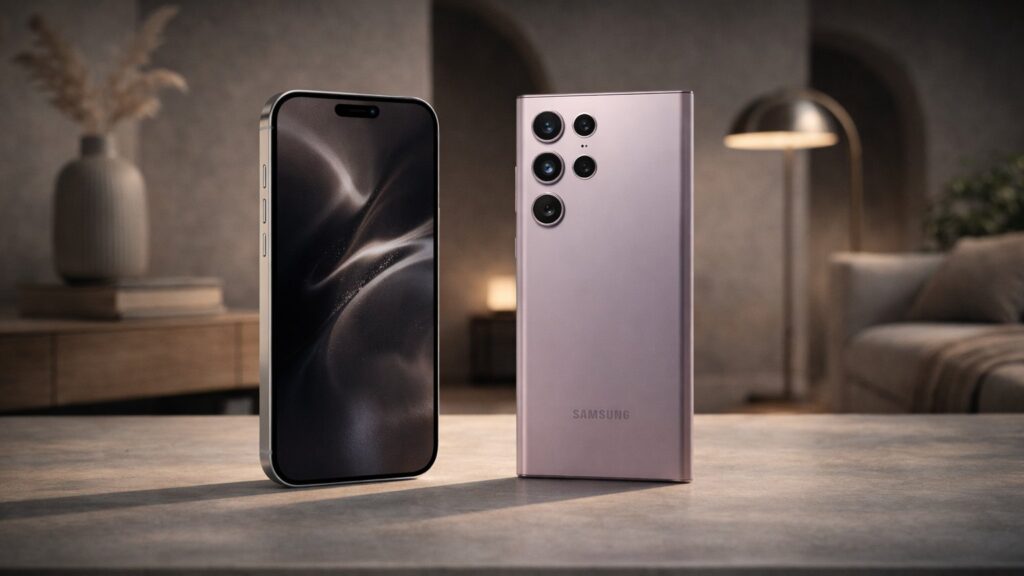
Head-to-head
iPhone vs Samsung Galaxy: Which Is Better for Real-World Buyers?
A clean A/B view of what matters in everyday use: performance consistency, camera behavior, battery life, software experience, ecosystem fit, and long-term value for different types of smartphone buyers.
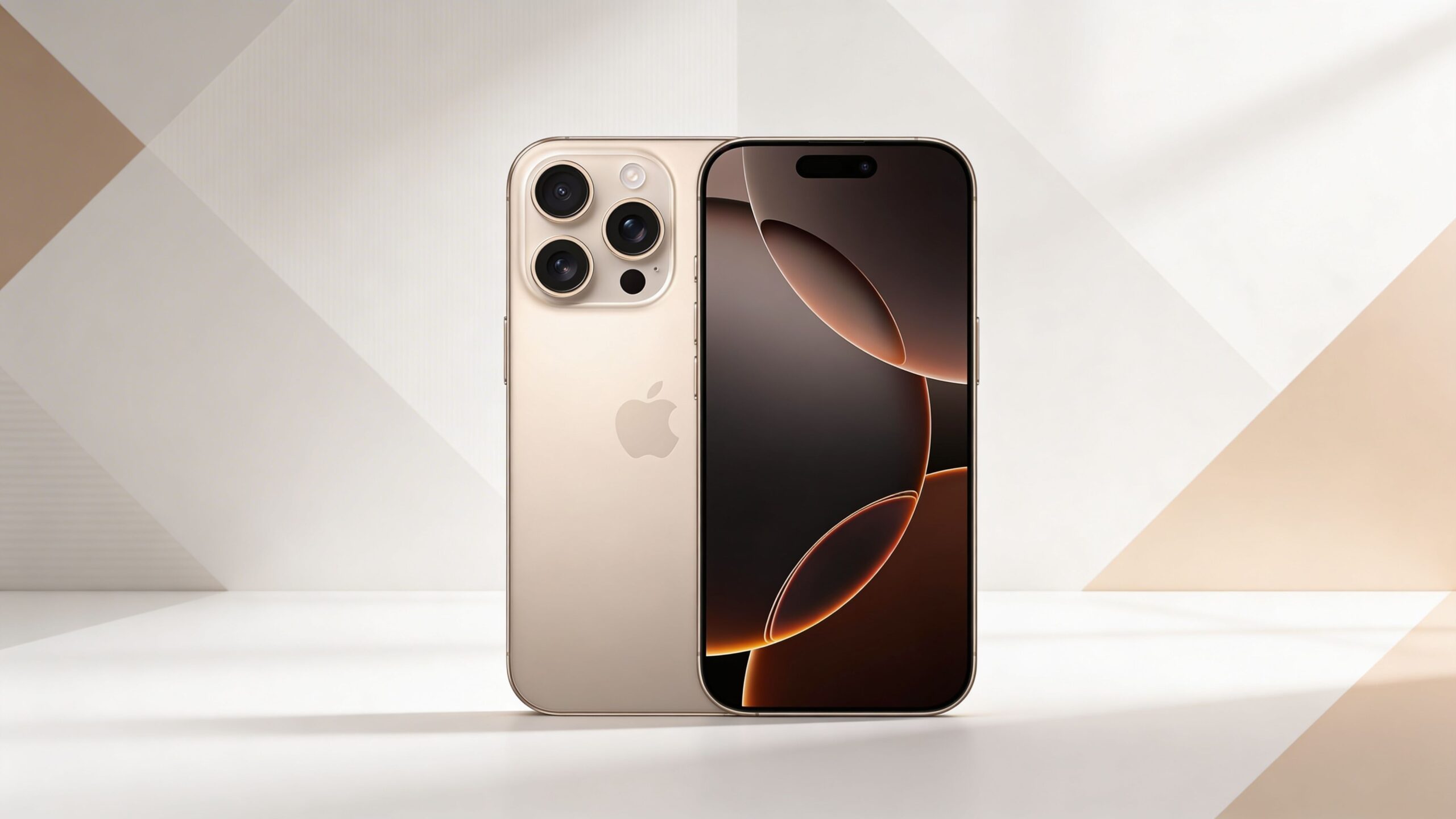
Apple iPhone
A polished, predictable flagship experience that fits buyers who value smooth performance, strong app optimization, long software support, and a tightly integrated ecosystem across everyday use.
- Delivers a more consistent experience across apps, updates, and accessories
- Strong integration with other Apple devices for seamless daily workflows
- Camera performance feels dependable for quick photos and video
VS
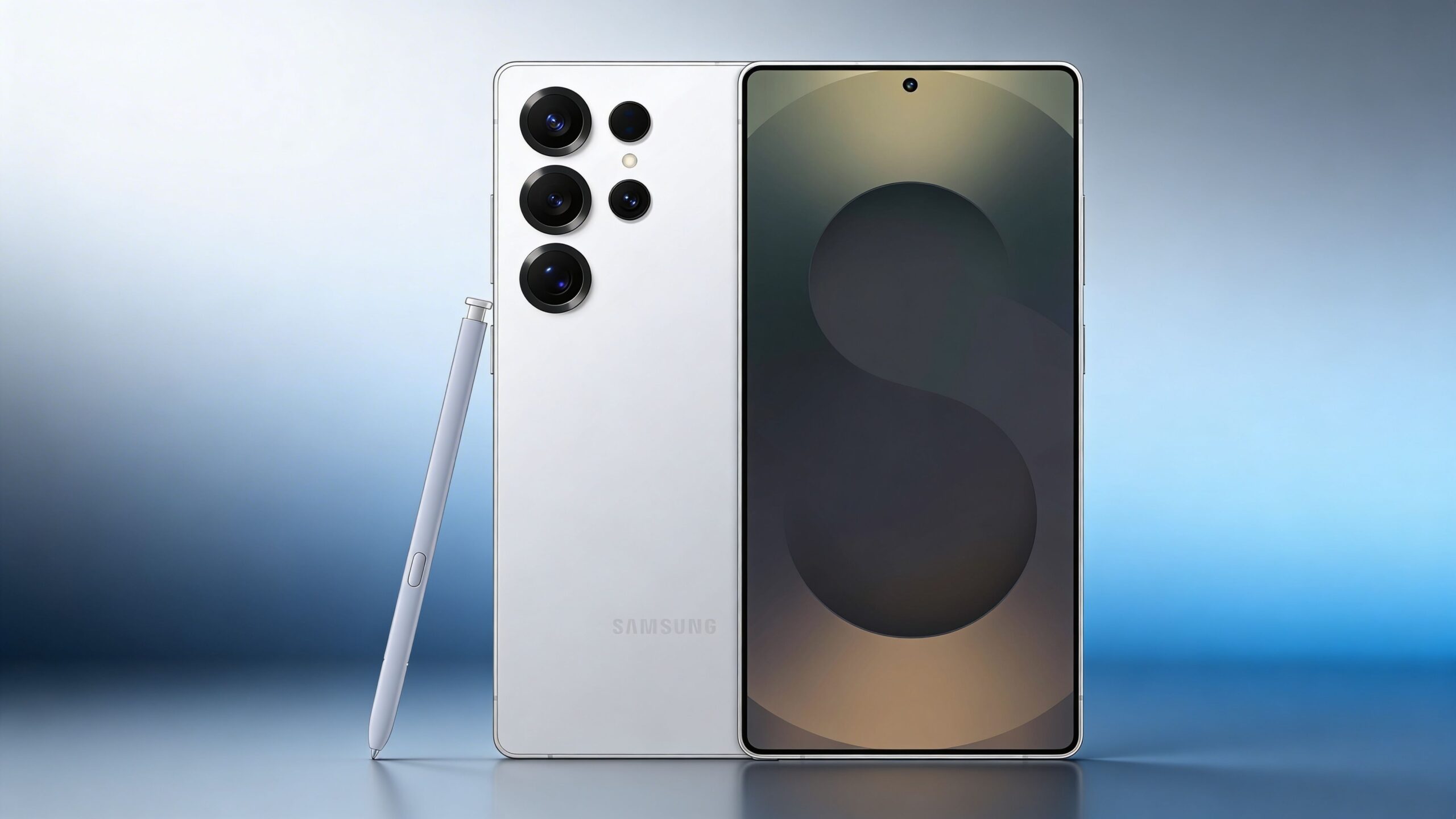
Samsung Galaxy
A feature-rich lineup that appeals to buyers who want more customization, flexible multitasking, and a wider range of hardware options across different budgets.
- Offers more control over interface, multitasking, and customization
- Strong display experience for media consumption and everyday use
- Broader lineup makes it easier to match budget and feature priorities
Performance consistency
Very consistent across apps
Fast, varies by model
iPhone
Software experience
Simple, predictable
Flexible, customizable
Tie
Battery experience
Efficient, reliable daily use
Often longer screen-on time
Samsung Galaxy
Value across lineup
Premium-focused
Wide range of price options
Samsung Galaxy
Ecosystem integration
Highly cohesive
Broad, more open
iPhone
Real-world context
This comparison reflects a synthesis of professional reviews, manufacturer data, long-term user feedback, and real-world usage patterns to highlight how each smartphone performs in everyday ownership.
iPhone — Why people choose it
- More consistent performance and smoother long-term experience
- Seamless integration with Apple ecosystem products and services
- Reliable updates and strong long-term ownership confidence
Samsung Galaxy — Why people choose it
- Greater customization and control over the user experience
- Stronger variety of devices across price points and features
- Flexible hardware and software options for different use cases
Verdict: iPhone is the better fit for buyers who prioritize consistency, long-term support, and ecosystem integration, while Samsung Galaxy makes more sense for those who value flexibility, customization, and broader choice across different devices and budgets.