Jobsite and cabinet table saws serve distinct roles, balancing portability, power, and precision. This comparison examines their real-world differences to clarify which design fits specific workflows, spaces, and cutting demands.

Reviews You Can Trust
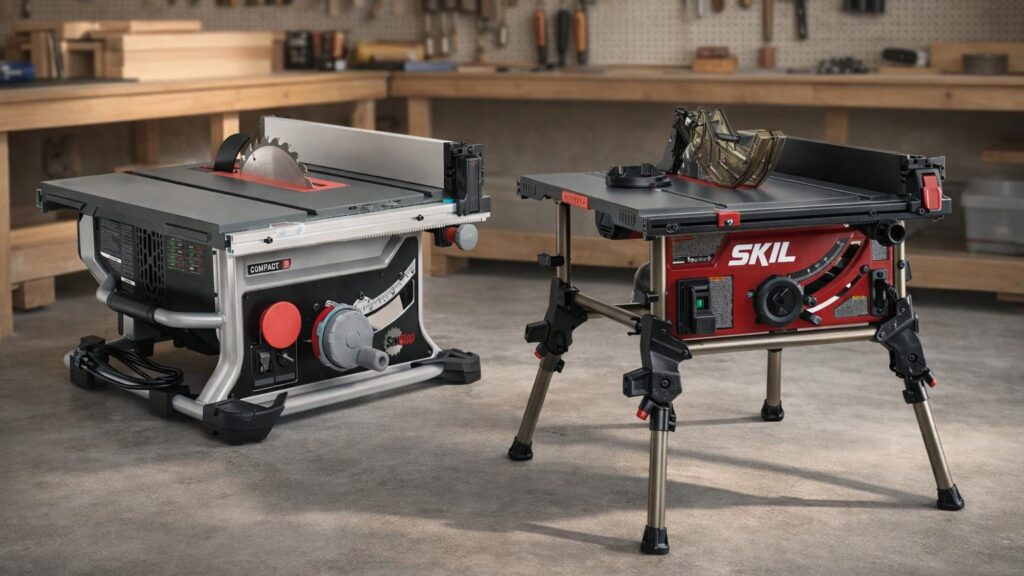
Head-to-head
Jobsite Table Saws vs Cabinet Table Saws: Key Differences Explained
A clear A/B view of what matters in real shops and jobsites: portability, cutting stability, capacity for demanding work, long-term durability, and the tradeoffs that shape which saw type fits your workflow.
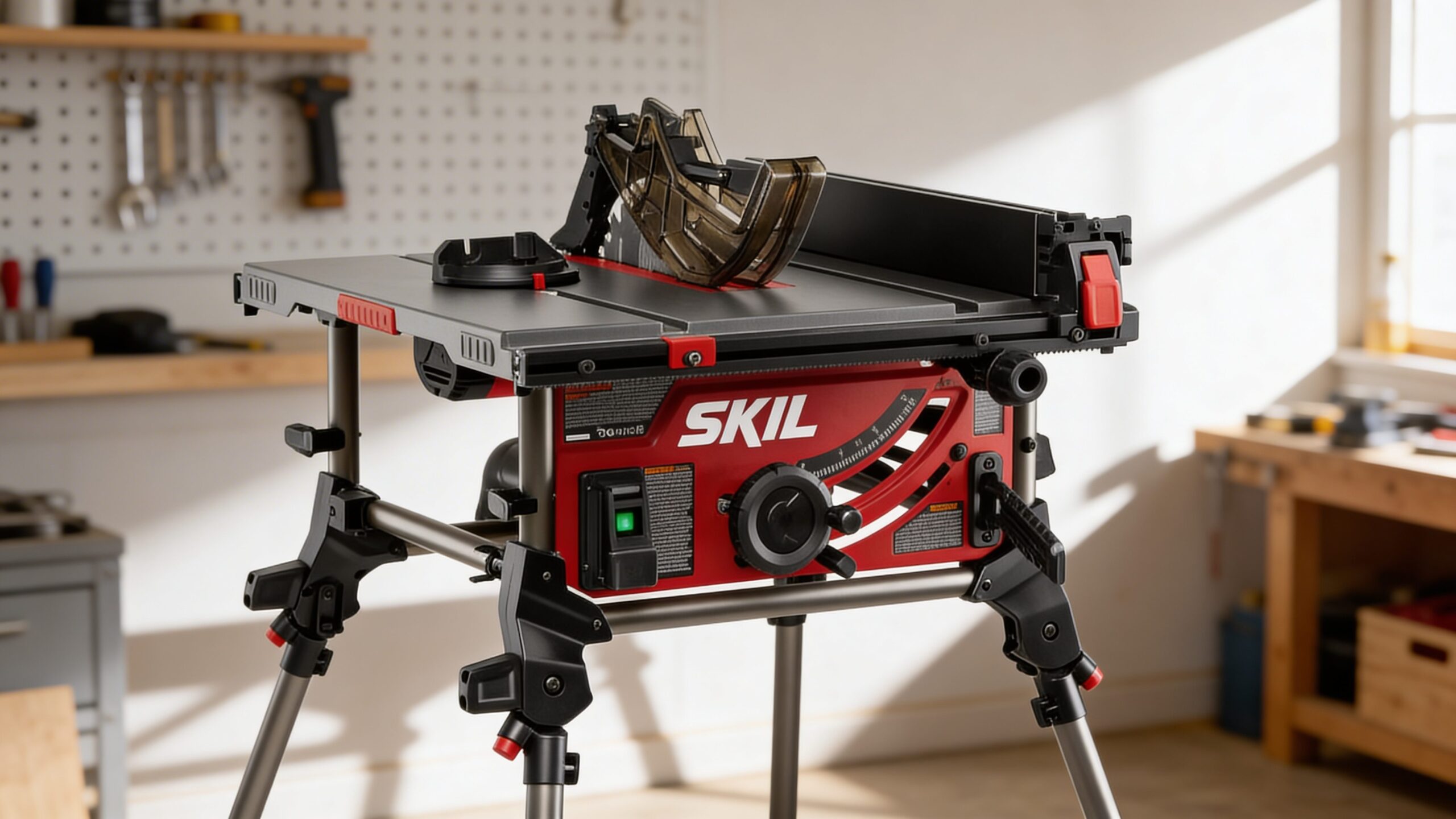
Jobsite table saw
Built for mobility and fast setup, this style fits remodelers, trim crews, and small-space users who need solid cutting capability without dedicating floor space to a permanent saw.
- Easier to move, store, and deploy when the saw has to travel with the work
- Well suited to framing lumber, sheet goods, trim stock, and general site use
- Usually the more practical choice for smaller shops or occasional setup changes
VS
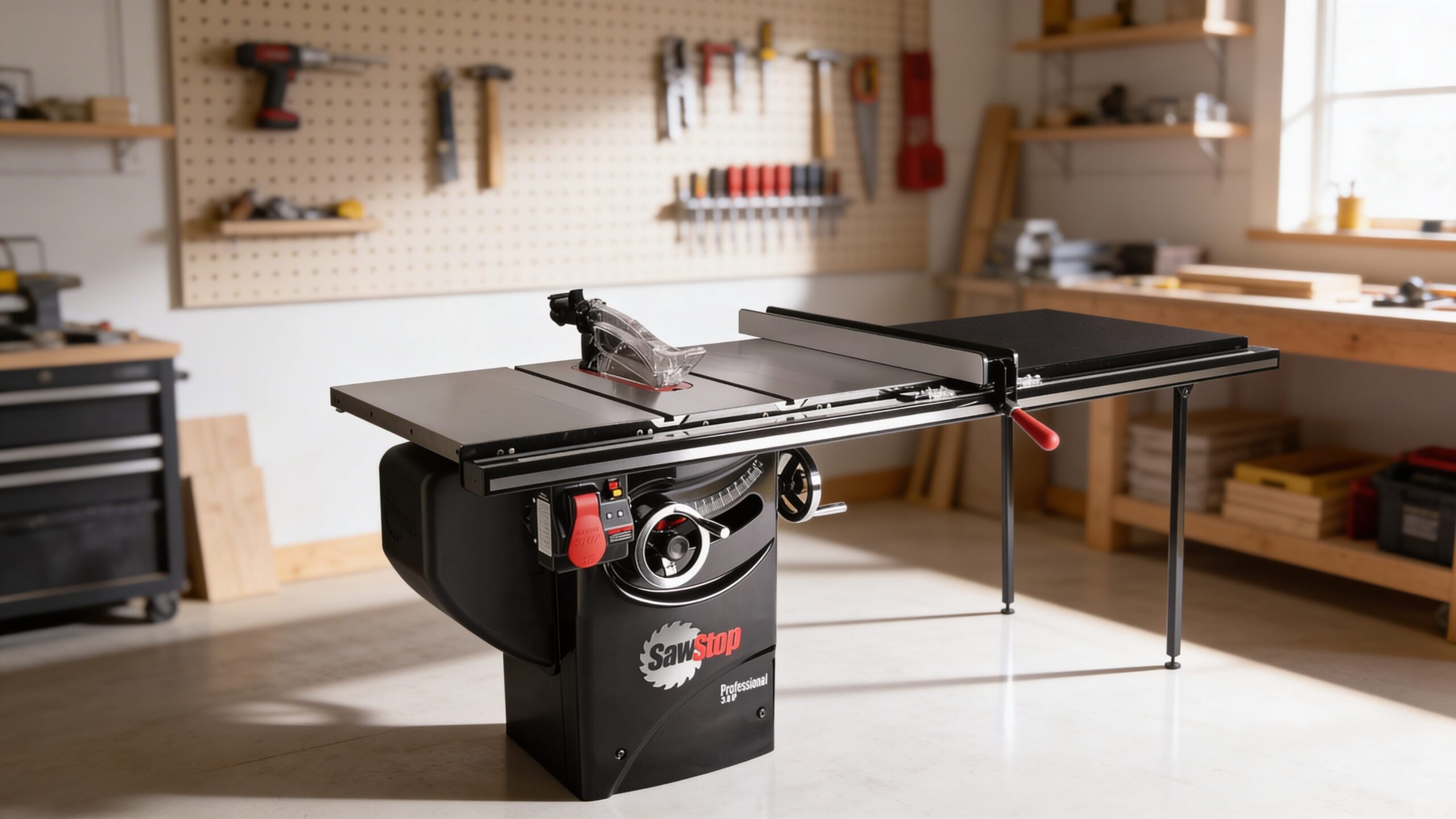
Cabinet table saw
A shop-first design focused on stability, cut quality, and long-session consistency, making it the stronger fit for serious woodworking, production work, and dedicated spaces.
- Greater stability and smoother feed feel when cutting heavy hardwoods or large panels
- Better fit for repeatable accuracy, cleaner results, and extended daily use
- Stronger long-term choice when the saw stays in one place and does demanding work
Power under load
Adequate for site tasks
More headroom
Cabinet
Control & clutch consistency
Good with careful setup
Excellent stability
Cabinet
Ergonomics (feel + fatigue)
Easier to move and position
Better in-feed support once installed
Tie
Value (typical kit pricing)
Lower buy-in
Higher upfront cost
Jobsite
Battery ecosystem depth
Flexible for mixed locations
Best in fixed shops
Cabinet
Real-world context
This comparison reflects a synthesis of professional reviews, manufacturer data, long-term user feedback, and use-case patterns to highlight how each table saw type typically fits everyday work.
Jobsite — Why people choose it
- Portable enough for remodels, punch work, and shared spaces where the saw cannot stay put
- Lower cost and smaller footprint make it easier to own without committing a full shop area
- Practical choice for contractors and DIY users who need versatility more than maximum refinement
Cabinet — Why people choose it
- Heavier build and enclosed base support cleaner, steadier cuts in demanding material (especially during long sessions)
- Better fit for precision-focused work where setup repeatability matters as much as raw cutting power
- Strong long-term investment for dedicated shops doing furniture, cabinetry, or frequent hardwood work
Verdict: Choose Cabinet if you work from a dedicated shop and want the better platform for precision, stability, heavier stock, and repeatable long-term performance. Choose Jobsite if portability, smaller footprint, lower upfront cost, and the ability to move the saw between tasks matter more than maximum mass and refinement.