
Lumbar Support Belts Buying Guide: How to Choose the Right One
A useful lumbar support belts shortlist for general use begins with the job the product must perform, not a generic wellness promise. For lumbar support belts considered for general use, the practical objective is to apply adjustable lower-back support without creating avoidable pressure or bulk. Within a whole-category comparison evaluation of the lumbar support belt, that makes belt height at the lumbar area, primary closure overlap, and secondary tension straps more useful than broad claims.
In the general use use case for this lumbar support belt, this guide examines whole-category comparison through product-specific checks. For this lumbar support belt decision, with whole-category comparison kept central, in particular, separate product types before comparing prices; then compare flexible or rigid stays, abdominal-panel comfort, ownership effort, and the warning signs that should remove an option from the shortlist.
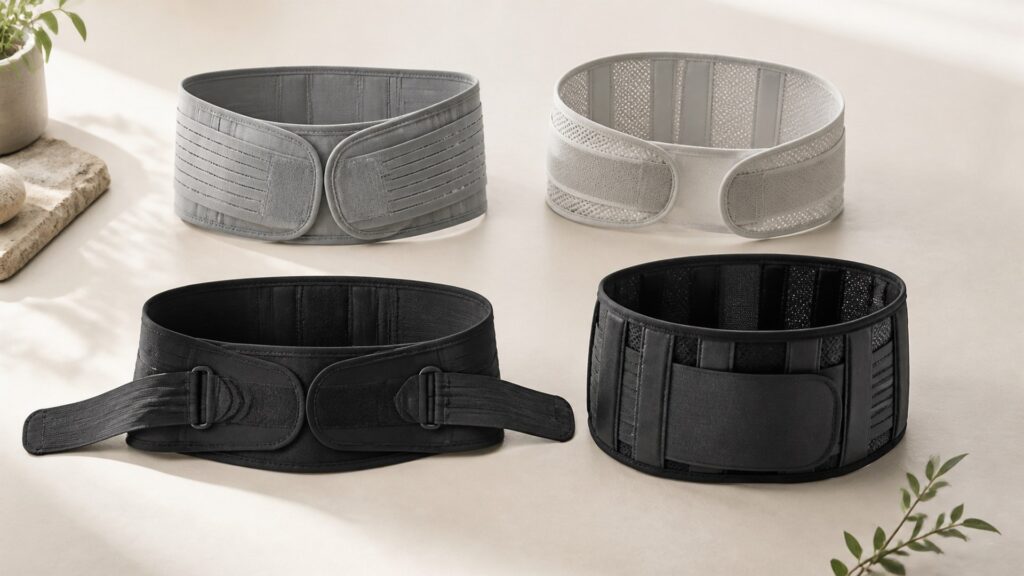
Buying framework
Build a lumbar support belts shortlist around whole-category comparison
Turn the intended routine into observable checks. For lumbar support belts considered for general use, the strongest candidate should apply adjustable lower-back support without creating avoidable pressure or bulk while remaining understandable to the person who sets it up and uses it.
Write the use scenario: Specify the timing and location for general use, who handles the lumbar support belt, and what must be ready beforehand. Within a whole-category comparison evaluation of the lumbar support belt, this exposes space, power, assistance, and timing constraints.
Start with belt height at the lumbar area: In the general use use case for this lumbar support belt, compare belt height at the lumbar area before secondary features. For this lumbar support belt decision, with whole-category comparison kept central, it determines whether the design belongs on the shortlist for whole-category comparison.
Check primary closure overlap: For lumbar support belts considered for general use, evaluate primary closure overlap in the position and duration expected at home, at work, or while traveling; catalog photos rarely show that limitation.
Run the awkward-step test: Within a whole-category comparison evaluation of the lumbar support belt, notice the hardest part of setup, adjustment, removal, or storage. In the general use use case for this lumbar support belt, for whole-category comparison, separate product types before comparing prices.
Define a rejection rule: For this lumbar support belt decision, with whole-category comparison kept central, remove any option that creates tension that restricts comfortable breathing, lacks usable instructions, or cannot be returned after a realistic fit check.
Who this is for
Choose the lumbar support belt path that fits the user
For lumbar support belts considered for general use, users differ in reach, dexterity, tolerance, technical comfort, and available help. Within a whole-category comparison evaluation of the lumbar support belt, those differences should change the shortlist, not merely the final adjustment.
Independent daily users: In the general use use case for this lumbar support belt, favor controls and closures that can be reached and repeated without improvisation. For this lumbar support belt decision, with whole-category comparison kept central, flexible or rigid stays should stay manageable on a low-energy day.
Occasional users: Prioritize quick inspection and predictable storage. For lumbar support belts considered for general use, a product used intermittently should not require relearning complicated steps for general use.
Caregiver-supported users: Within a whole-category comparison evaluation of the lumbar support belt, check body position, transfer space, communication, and release access. In the general use use case for this lumbar support belt, the helper should be able to verify abdominal-panel comfort without unsafe lifting or guesswork.
Sensitive users: For this lumbar support belt decision, with whole-category comparison kept central, screen materials and contact points carefully, especially where belt migration during bending could develop gradually. Begin at the least intensive documented setting.
Frequent or shared use: For lumbar support belts considered for general use, give extra weight to brush debris from closures, replaceable wear parts, and a setup that can be checked between users. Shared equipment needs an explicit hygiene routine.
What to pay attention to
The lumbar support belts specifications that change real use
Within a whole-category comparison evaluation of the lumbar support belt, specifications earn a place in the comparison only when they affect fit, control, reliability, or the work of maintaining the product for general use.
Most revealing check for whole-category comparison
Separate product types before comparing prices.
Tradeoff to keep visible
Within a whole-category comparison evaluation of the lumbar support belt, identify the simplest design that meets the actual use.
Belt Height At The Lumbar Area: In the general use use case for this lumbar support belt, look for measurements, operating ranges, or construction details that explain belt height at the lumbar area. Reject vague superlatives that cannot be checked.
Primary Closure Overlap: For this lumbar support belt decision, with whole-category comparison kept central, compare primary closure overlap across the same use duration and environment. For lumbar support belts considered for general use, small differences can matter more than an added accessory.
Secondary Tension Straps: Within a whole-category comparison evaluation of the lumbar support belt, confirm how secondary tension straps is set, tested, or maintained. In the general use use case for this lumbar support belt, the manual should explain the usable range and any stop-use guidance.
Breathable Mesh: For this lumbar support belt decision, with whole-category comparison kept central, assess breathable mesh after accounting for clothing, bedding, moisture, movement, or ambient noise as relevant to this product.
Serviceable design: For lumbar support belts considered for general use, check whether the parts involved in wash on the specified cycle are accessible and whether replacements, instructions, and support will remain available.
Avoid these traps
Mistakes that derail a lumbar support belts purchase for general use
In the general use use case for this lumbar support belt, the common failures in this category are concrete: a mismatch in dimensions, handling, intensity, environment, or maintenance. Catch them before the return window closes.
Buying before measuring: For this lumbar support belt decision, with whole-category comparison kept central, do not infer belt height at the lumbar area from a generic size label. For lumbar support belts considered for general use, record the relevant body, furniture, room, or storage dimensions and follow the maker's method.
Testing only the easiest moment: Within a whole-category comparison evaluation of the lumbar support belt, a quick unboxing trial will not reveal tension that restricts comfortable breathing. In the general use use case for this lumbar support belt, repeat setup and normal movement for the expected duration while staying within the instructions.
Equating intensity with quality: For this lumbar support belt decision, with whole-category comparison kept central, more pressure, structure, vibration, volume, or resistance is not automatically more useful. For lumbar support belts considered for general use, for whole-category comparison, the controllable range matters more than the maximum.
Ignoring the cleanup path: Within a whole-category comparison evaluation of the lumbar support belt, if brush debris from closures is awkward, maintenance is likely to slip. In the general use use case for this lumbar support belt, check drying time, removable components, approved cleaners, and access to crevices.
Keeping a warning-sign product: For this lumbar support belt decision, with whole-category comparison kept central, stop the trial when there is skin irritation beneath nonbreathable panels, instability, damaged hardware, confusing feedback, or any symptom named in the instructions. For lumbar support belts considered for general use, a sunk cost is not a reason to continue.
Decision guidance
Decide among lumbar support belts designs without repeating the marketing
Within a whole-category comparison evaluation of the lumbar support belt, compare finalists against the same scenario and rejection rules. In the general use use case for this lumbar support belt, the winner should solve the defined problem with the least avoidable complexity.
Choose the simpler design when: For this lumbar support belt decision, with whole-category comparison kept central, it handles belt height at the lumbar area and primary closure overlap reliably, and extra modes would add setup or maintenance without improving whole-category comparison.
Choose more adjustability when: For lumbar support belts considered for general use, users, clothing, furniture, environments, or session needs vary and the adjustment for secondary tension straps can be locked and checked.
Pay for sturdier construction when: Within a whole-category comparison evaluation of the lumbar support belt, frequent use makes dry flat to protect elastic and repeated adjustment likely. In the general use use case for this lumbar support belt, inspect seams, joints, cables, fasteners, covers, and available service parts.
Request professional guidance when: For this lumbar support belt decision, with whole-category comparison kept central, the intended use intersects with a diagnosis, circulation concern, fall risk, unexplained pain, an implant, medication decisions, or interpretation of body measurements.
Walk away when: For lumbar support belts considered for general use, documentation avoids dimensions, warnings, cleaning instructions, company identity, or return terms, or the seller promises results beyond the lumbar support belt's stated purpose.
Ownership & compatibility
Living with the lumbar support belt after the comparison ends
Within a whole-category comparison evaluation of the lumbar support belt, long-term value depends on repeatable setup, inspection, cleaning, storage, and access to the small parts that wear first.
Save the exact configuration: In the general use use case for this lumbar support belt, record measurements, settings, attachments, and placement that worked for general use. For this lumbar support belt decision, with whole-category comparison kept central, this makes later fit changes easier to diagnose.
Use a pre-use check: For lumbar support belts considered for general use, before each session, inspect the parts related to seated fit, along with closures, anchors, cords, batteries, fabric, or contact surfaces.
Put cleaning on a schedule: Within a whole-category comparison evaluation of the lumbar support belt, follow the documented method for brush debris from closures; improvised heat, solvents, or machine cycles can damage materials and change performance.
Watch the wear pattern: In the general use use case for this lumbar support belt, uneven stretching, looseness, cracks, fraying, noisy joints, or declining battery behavior can reveal a problem before outright failure.
Recheck compatibility: For this lumbar support belt decision, with whole-category comparison kept central, repeat measurements and setup checks after changes to the user, mattress, furniture, phone, app, clothing, or routine. Compatibility is not permanent.
FAQ
Lumbar Support Belts questions for general use
For lumbar support belts considered for general use, answers tied to the fit, use, and ownership decisions in this lumbar support belts comparison.
What is the first lumbar support belts comparison to make for general use?
How should I test secondary tension straps?
Which warning sign matters most with a lumbar support belt?
What makes a higher-priced lumbar support belt worthwhile?
How do I compare cleaning and replacement costs?
When should I get help choosing lumbar support belts?
Bottom line
A practical verdict on lumbar support belts for general use
Within a whole-category comparison evaluation of the lumbar support belt, the strongest choice is the one that fits the measured situation, can be handled correctly, and remains maintainable after repeated use.
Define success: Use whole-category comparison to state what the lumbar support belt must do and what it does not need to do.
Compare the decisive details: In the general use use case for this lumbar support belt, give priority to belt height at the lumbar area, primary closure overlap, and secondary tension straps rather than the longest feature list.
Reject avoidable risk: For this lumbar support belt decision, with whole-category comparison kept central, do not accept tension that restricts comfortable breathing, poor documentation, unstable fit, or maintenance that the household cannot sustain.
Plan the second month: For lumbar support belts considered for general use, budget time and supplies for brush debris from closures, inspection, storage, and replacement so the product remains usable beyond the first week.
Reading Shortcuts
Jump to the checks that matter when comparing lumbar support belts products for general use.
Decision Reminders
A safety-first checklist before purchase.
- Verify intended use: Match the product label and instructions to the purpose you actually have.
- Read warnings: Check age limits, contraindications, interactions, cleaning rules, and stop-use guidance.
- Escalate when needed: Consumer products do not replace urgent, emergency, diagnostic, or prescribed care.
Glossary Snippets
Plain-language terms that help shoppers read labels and claims.
When to Use a Top 10 Review
Use a ranked list to create an initial shortlist of lumbar support belts products.
- You are exploring: A broad list can separate simple consumer products from specialized or clinician-guided options.
- You need a shortlist: Use the same safety, evidence, usability, and ownership criteria for every candidate.
Already down to 2-3 options? A Comparison is usually more useful.
When to Use a Comparison
Best once you have a shortlist and need direct tradeoffs.
- You have 2-3 candidates: Compare intended use, warnings, instructions, fit, upkeep, privacy, support, and total cost side by side.
- Claims look similar: A direct comparison makes differences in evidence and limitations easier to spot.
Still exploring? Start with a Top 10 to identify a sensible product type.