This comparison examines the Makita 5007MG and Milwaukee 2834-20 in real-world cutting scenarios, highlighting differences in power source, handling, performance, and jobsite practicality to clarify key tradeoffs.

Reviews You Can Trust
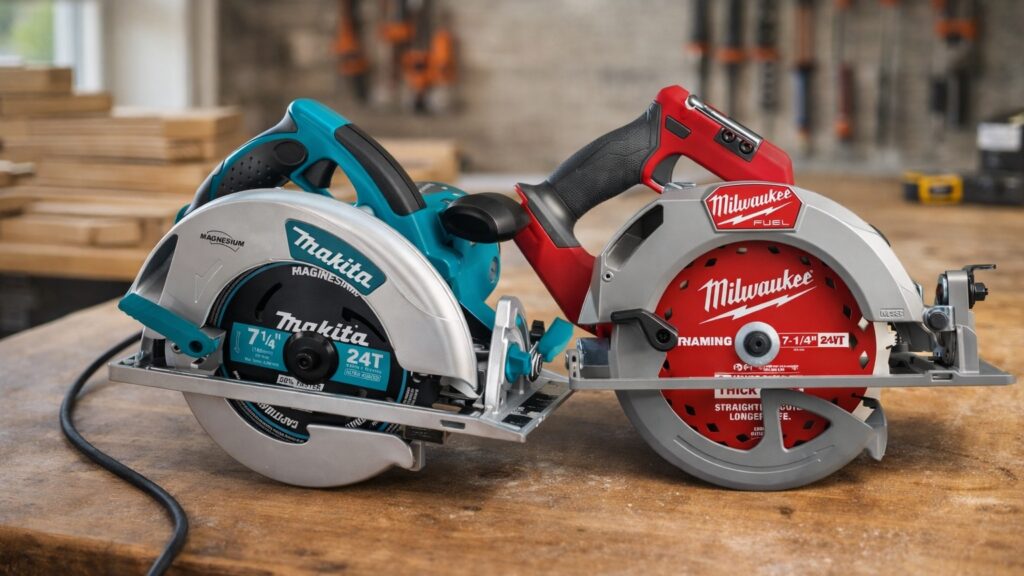
Head-to-head
Makita 5007MG vs Milwaukee 2834-20: Which Circular Saws Is Better?
A clean A/B view of what matters on pro jobs: cutting feel under load, control and handling, corded versus cordless workflow, platform value, and the tradeoffs that shape everyday use.
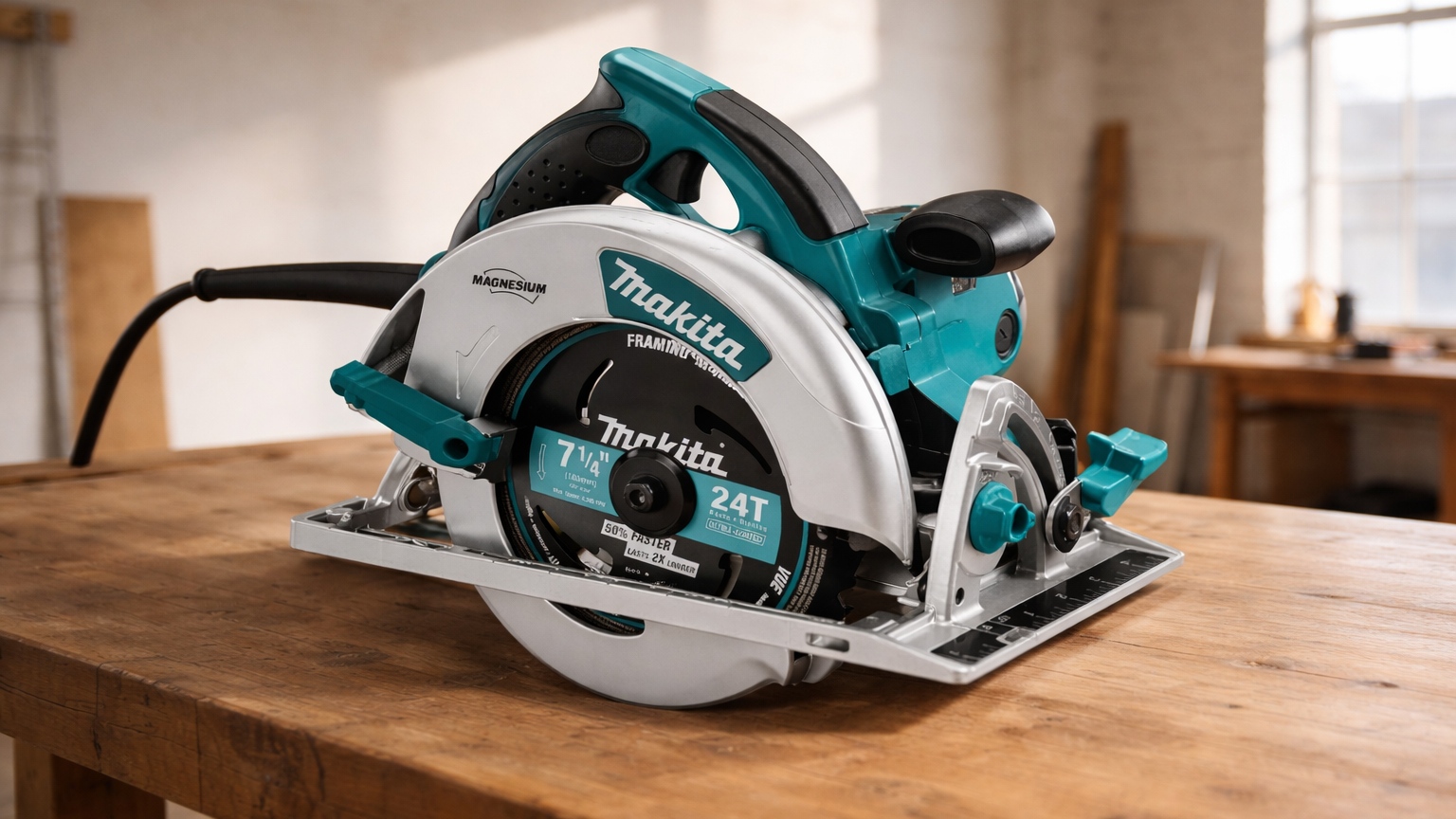
Makita 5007MG circular saw
A proven corded sidewinder with steady power delivery and a familiar feel—best suited to pros who want predictable cutting performance without managing batteries on longer work sessions.
- Delivers dependable cut speed without runtime planning or battery rotation
- Feels familiar for framing, sheet goods, and general construction tasks
- Smart choice when you want solid pro performance at a lower buy-in cost
VS
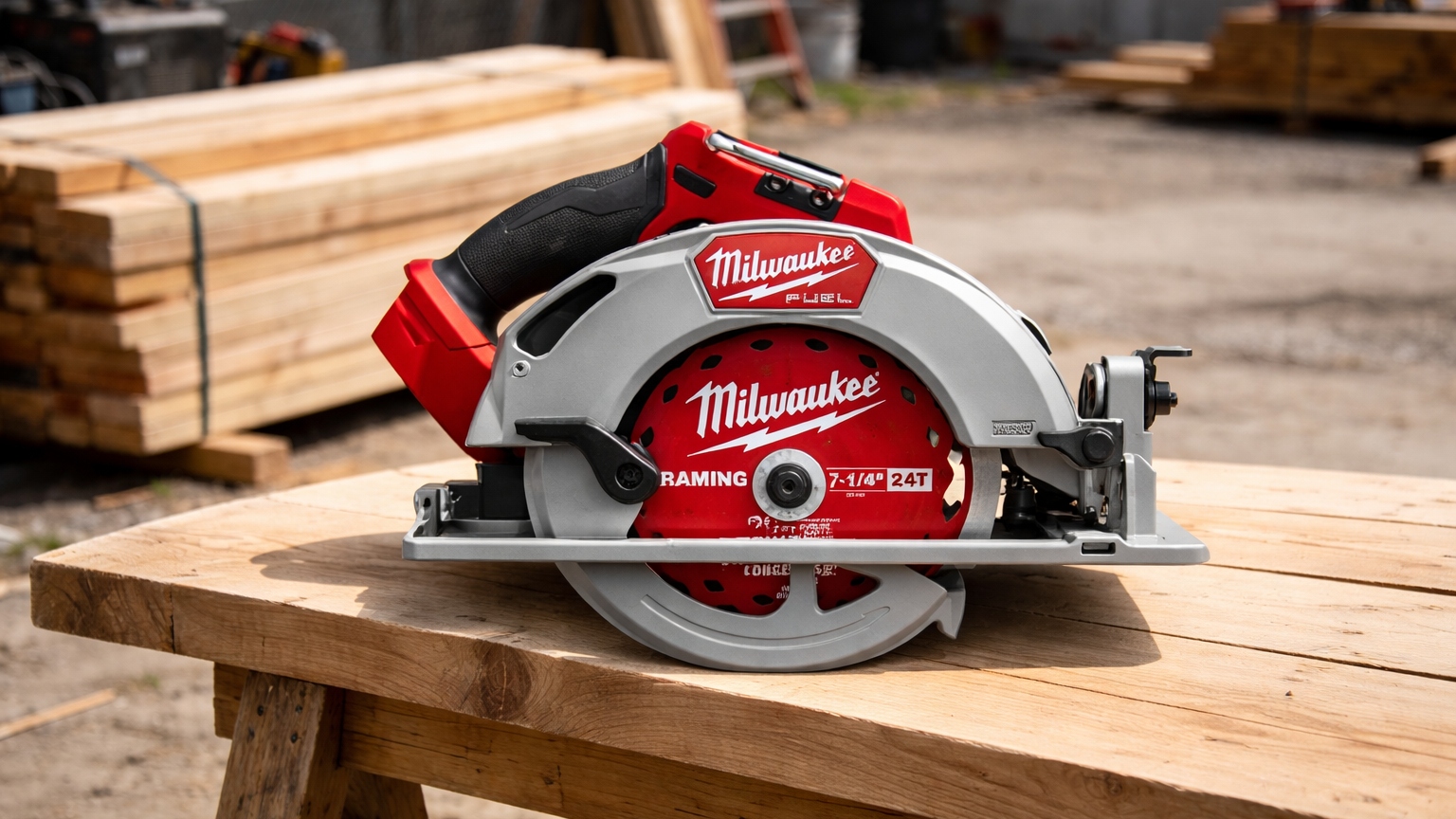
Milwaukee 2834-20 circular saw
A modern cordless jobsite saw built for mobility and faster setup—especially appealing to pros already invested in M18 who want strong performance without dragging a cord across the site.
- More convenient when you move constantly between cuts, rooms, or punch-list tasks
- Eliminates cord management and speeds up quick setup on busy jobsites
- Stronger long-term upside if you are already building around M18 tools
Power under load
Steady, always-available output
Strong for cordless work
Makita 5007MG
Control & cut consistency
Predictable and settled
Very good, more mobile
Makita 5007MG
Ergonomics (feel + fatigue)
Balanced, but tethered by cord
Freer handling on active sites
Milwaukee 2834-20
Value (typical kit pricing)
Usually lower entry cost
Higher cost once batteries are factored in
Makita 5007MG
Battery ecosystem depth
Not battery-dependent
Massive M18 platform
Milwaukee 2834-20
Real-world context
This comparison reflects a synthesis of professional reviews, manufacturer data, long-term user feedback, and use-case patterns to highlight how each circular saw typically performs in everyday projects.
Makita 5007MG — Why people choose it
- Consistent corded performance for long cutting sessions without runtime interruptions
- Comfortable fit for pros who prefer a traditional sidewinder feel and predictable response
- Better overall value when you want a capable jobsite saw without buying into a battery platform
Milwaukee 2834-20 — Why people choose it
- Much easier to move around remodels, punch work, rooftops, and fast-changing cut locations
- Strong real-world performance with less setup friction on modern cordless jobsites
- Deep M18 lineup makes sense for pros standardizing batteries across saws, drills, lights, and more
Verdict: Choose Milwaukee 2834-20 if you value cordless mobility, already run M18 batteries, and want the more versatile fit for fast-moving professional work. Choose Makita 5007MG if you prefer corded consistency, lower entry cost, and a straightforward saw for repeated framing and sheet-good cuts where power access is not a limitation.