
The Makita XRJ05Z 18V LXT reciprocating saw sits in a competitive class where size, vibration control, and cutting speed directly affect real-world usability. This review examines how it performs across typical tasks, where it stands out, and the tradeoffs that matter when comparing it against similar cordless models.
Makita XRJ05Z 18V LXT Reciprocating Saw Review: Performance, Pros, and Cons
By: Review Streets Research Lab
Updated: April 9, 2026
Approx. 8–10 min read
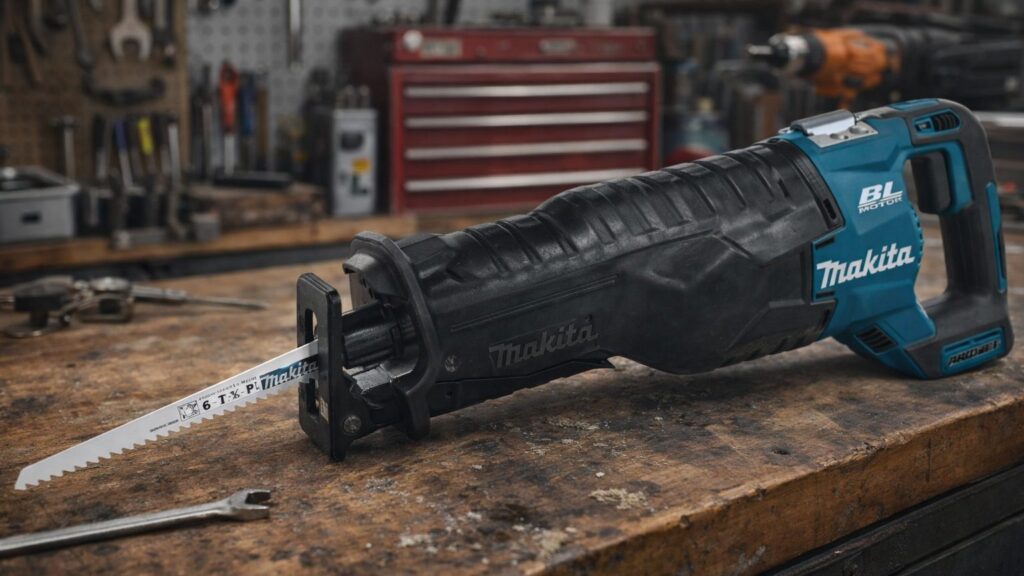
Quick Summary
The Makita XRJ05Z delivers a balanced cordless cutting experience with good control, a manageable in-hand feel, and enough confidence for general demolition, remodel work, and repair tasks. It suits users who want a dependable all-around reciprocating saw for recurring use, though it may feel less specialized than more compact one-handed models or heavier-duty options built for relentless demanding cuts.
8.7
Score
Best for: Remodeling projects
Pros & Cons
Makita XRJ05Z: what we liked (and what we didn’t)
A quick look at the biggest strengths and tradeoffs based on performance, handling, and everyday usability.
Pros
- Balanced Handling: Feels controlled in motion, which helps the saw stay manageable through varied cuts.
- Confident Cutting: Delivers enough real-world performance for remodeling, tear-out, and general jobsite tasks.
- Good Trigger Feel: Startup and speed changes feel predictable, making it easier to work into cuts cleanly.
- Versatile Use: Fits a wide range of common reciprocating saw jobs instead of feeling narrow or specialized.
- Dependable Impression: The overall build and day-to-day feel suggest a tool meant for regular repeat use.
Cons
- Not Ultra-Compact: It is less convenient in cramped spaces than smaller one-handed reciprocating saws.
- Battery-Dependent Balance: Heavier battery setups can make the saw feel more tiring over longer sessions.
- Generalist Positioning: It may not stand out for buyers seeking either maximum demolition power or minimum size.
- Value Pressure: The overall package can feel less compelling if lighter-duty needs are the main priority.
Specs
Makita XRJ05Z key specifications
These are the core specs and practical details most buyers compare across cordless reciprocating saws.
| Spec | Makita XRJ05Z |
|---|---|
| Type | Cordless reciprocating saw (brushless) |
| Platform | Makita 18V LXT |
| Voltage | 18V |
| Speed | Variable speed trigger (up to manufacturer-rated SPM) |
| Chuck | Tool-free blade clamp |
| Torque | Not specified; cutting performance is application-dependent |
| Length | Approx. full-size body (mid-length class) |
| Weight | Varies by battery; noticeably heavier with higher-capacity packs |
| Clutch settings | Not applicable (direct drive cutting tool) |
| LED light | Yes (integrated work light) |
| Included | Tool only (no battery or charger included) |
| Best use | General demolition, remodel work, cutting wood, metal, and PVC |
| Warranty | Makita limited warranty (varies by region/product) |
Performance
How the Makita XRJ05Z performs
We looked at cutting feel, control, comfort, and everyday usability across common demolition, repair, and remodel tasks to understand how this reciprocating saw behaves in normal real-world use.
Cutting Speed
Moves through common wood, metal, and mixed-material jobs with solid pace, especially when the blade choice matches the task.
Power Under Load
Feels capable in typical demolition and tear-out work, with enough reserve to stay productive through tougher sections.
Control & Handling
Trigger response and overall in-hand feel make it easier to start cuts cleanly and stay on line in awkward positions.
Balance & Comfort
Comfort is generally good for a full-size cordless saw, though longer sessions can feel more tiring with heavier battery setups.
Noise & Vibration
Vibration and saw harshness stay manageable for the category, but they remain noticeable during repeated or tougher cuts.
Overall Performance
A dependable all-around reciprocating saw that balances cutting confidence, usability, and everyday versatility better than it specializes.
Testing note: Performance observations are based on practical cutting, handling, and repeat-use impressions across common remodel, repair, and demolition scenarios.
Build Quality
Build quality & durability
The Makita XRJ05Z feels built for regular jobsite handling, with a sturdy housing, secure grip surfaces, and an overall shape that favors control and confidence over trying to feel especially light or minimal.
Key contact points—blade clamp, housing joints, and battery connection—come across as solid and well sorted in everyday use. Nothing about the saw suggests looseness or excess flex, and the overall fit and finish support a more predictable, confidence-inspiring cutting experience.
In normal transport, repeated use, and routine worksite handling, the XRJ05Z gives the impression of a tool that can take regular wear without feeling delicate. It feels like something that can be set down, moved around, and used often without needing constant babying.
Compared with smaller one-handed reciprocating saws, the XRJ05Z gives up some portability in exchange for a more planted, substantial feel. That tradeoff makes sense for buyers who value everyday durability and steadier handling more than the smallest possible form factor.
Setup & Maintenance
Setup, daily use, and upkeep
The Makita XRJ05Z is straightforward to get dialed in—most setup comes down to choosing the right blade for the material and using controlled speed and pressure. Matching blade type and cutting approach to the task helps deliver smoother cuts, better control, and more consistent results across demolition and repair work.
Best setup for common tasks
- Wood Cutting: Use a coarse blade and steady pressure. Let the saw do the work to maintain control and reduce chatter.
- Metal Cutting: Switch to a fine-tooth blade and run at a controlled speed. Slower starts help avoid premature blade wear.
- Flush Cuts: Use a flexible blade and keep the shoe stable against the surface to stay aligned and reduce vibration.
- Demolition Work: Choose a durable multi-material blade and keep cuts deliberate to avoid binding in mixed materials.
What to do for smoother starts
- Feather The Trigger: Ease into the cut to establish control before applying full speed.
- Stabilize The Shoe: Keep the shoe firmly planted against the work surface to minimize bounce and wandering.
- Align The Blade: Start square to the cut line so the blade tracks cleanly without flexing off course.
Maintenance (simple but important)
- Blade Check: Replace worn or bent blades promptly to maintain cutting efficiency and control.
- Clamp Cleaning: Keep the blade clamp free of debris so blades seat fully and lock securely.
- Vent Care: Clear dust from vents to help manage heat during longer cutting sessions.
- Battery Contacts: Wipe contacts clean and dry to ensure consistent power delivery.
Tip: Use two hands when possible, keep the shoe braced against the material, and apply steady, controlled pressure. This improves cut accuracy, reduces vibration, and helps prevent blade bind-ups mid-cut.
Real-World Use
Where the Makita XRJ05Z fits best
On paper, the Makita XRJ05Z is a cordless reciprocating saw. In real projects, it fits best where controlled cutting, steady handling, and reliable performance matter across a mix of demolition, repair, and general-purpose tasks.
Home renovation & tear-out work
Well suited for removing old framing, cutting out sections of wall, and handling mixed materials. It maintains a steady feel through uneven cuts, helping keep progress consistent without feeling unpredictable.
General repair & maintenance
Useful for cutting pipe, trimming wood, and handling quick fixes around the home or shop. It balances control and power in a way that supports varied tasks without needing constant adjustment.
Remodeling projects
A practical fit for ongoing remodel work where different materials and cut types come up regularly. It stays manageable across repeated use, making it easier to move from task to task without slowing down workflow.
Where it’s less ideal
In tight spaces or overhead cuts, a smaller one-handed reciprocating saw can feel easier to control. The XRJ05Z favors a more substantial, full-size design over compact maneuverability.
Value
Is the Makita XRJ05Z worth it?
The Makita XRJ05Z makes the most sense when it is used regularly for remodel work, demolition, and recurring repair tasks where dependable cutting feel and ownership confidence matter over time. For lighter or occasional jobs, a less expensive reciprocating saw may cover the basics well enough without the same long-term investment.
Price-to-performance takeaway
You are paying for balanced all-around performance, solid day-to-day usability, and access to the broader 18V LXT platform. The value is easier to justify if the saw sees frequent use, comes as part of a kit or bundle, or fits into an existing Makita battery setup.
Tip: Compare tool-only pricing against kit or bundle options before buying. If 18V LXT batteries are already on hand, tool-only can make sense; if not, the battery and charger cost can change the value equation quickly.
FAQ
Makita XRJ05Z FAQ
Quick answers to the most common questions about the Makita XRJ05Z—compatibility, use cases, and what to expect in real-world work.
Is the Makita XRJ05Z a brushless reciprocating saw?
Yes. The XRJ05Z is part of Makita’s 18V LXT cordless lineup and is generally positioned as a brushless reciprocating saw with a focus on efficient, everyday cutting performance.
Does the XRJ05Z work with all Makita 18V LXT batteries?
It is designed for Makita’s 18V LXT platform, so it is intended to work with compatible 18V LXT battery packs. Battery size can affect runtime, balance, and overall in-hand feel.
What kind of jobs is the XRJ05Z good for?
It fits well for general demolition, remodeling, repair work, and common cutting tasks involving wood, metal, and PVC. It is best viewed as an all-around reciprocating saw rather than a highly specialized niche tool.
Who is this reciprocating saw best for?
It makes the most sense for buyers who want a dependable full-size cordless saw for recurring projects where control, versatility, and a familiar battery platform matter more than ultra-compact size.
Is it too much tool for occasional use?
For infrequent light-duty cutting, it can be more saw than necessary. A smaller or lower-cost model may be easier to justify if the tool will only come out for occasional cleanup or basic repair work.
Should you buy it tool-only or in a kit?
Tool-only usually makes sense when compatible 18V LXT batteries and a charger are already on hand. If not, comparing kits or bundles can give a clearer picture of the total cost of ownership.
What are the main tradeoffs?
The most common tradeoffs are size and fatigue compared with smaller one-handed models, plus the fact that lighter users may not need this level of full-size capability for basic cutting tasks.
Alternatives
Best alternatives to the Makita XRJ05Z
If you like the Makita XRJ05Z’s general-purpose cutting feel but want a different tradeoff—lower cost, smaller size, or a stronger same-platform alternative—these are the most relevant alternatives to consider.
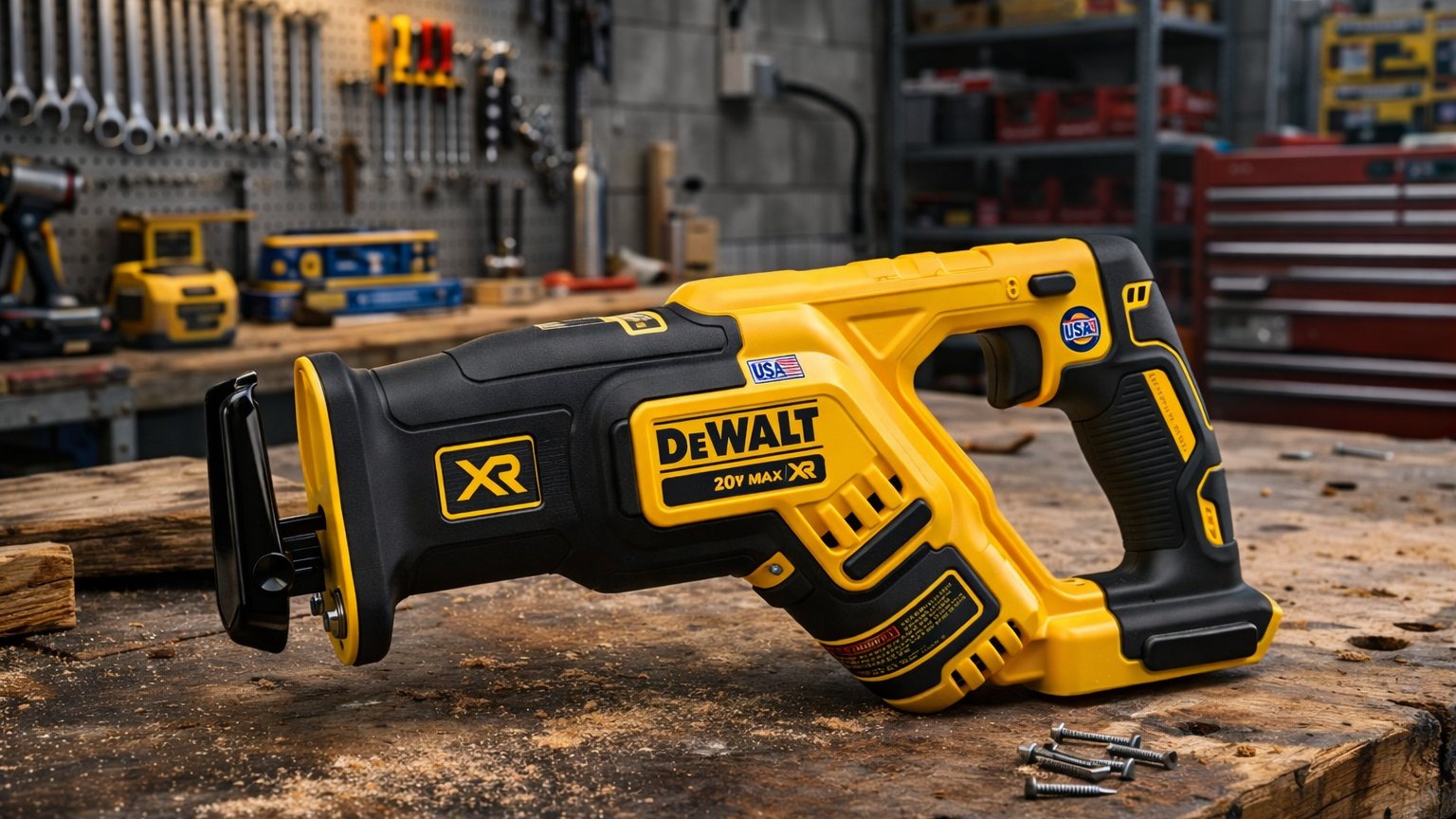
DeWalt DCS367B
More compact
A more maneuverable alternative if tighter spaces, overhead work, and easier one-handed positioning matter more than the steadier feel of a fuller-size saw.
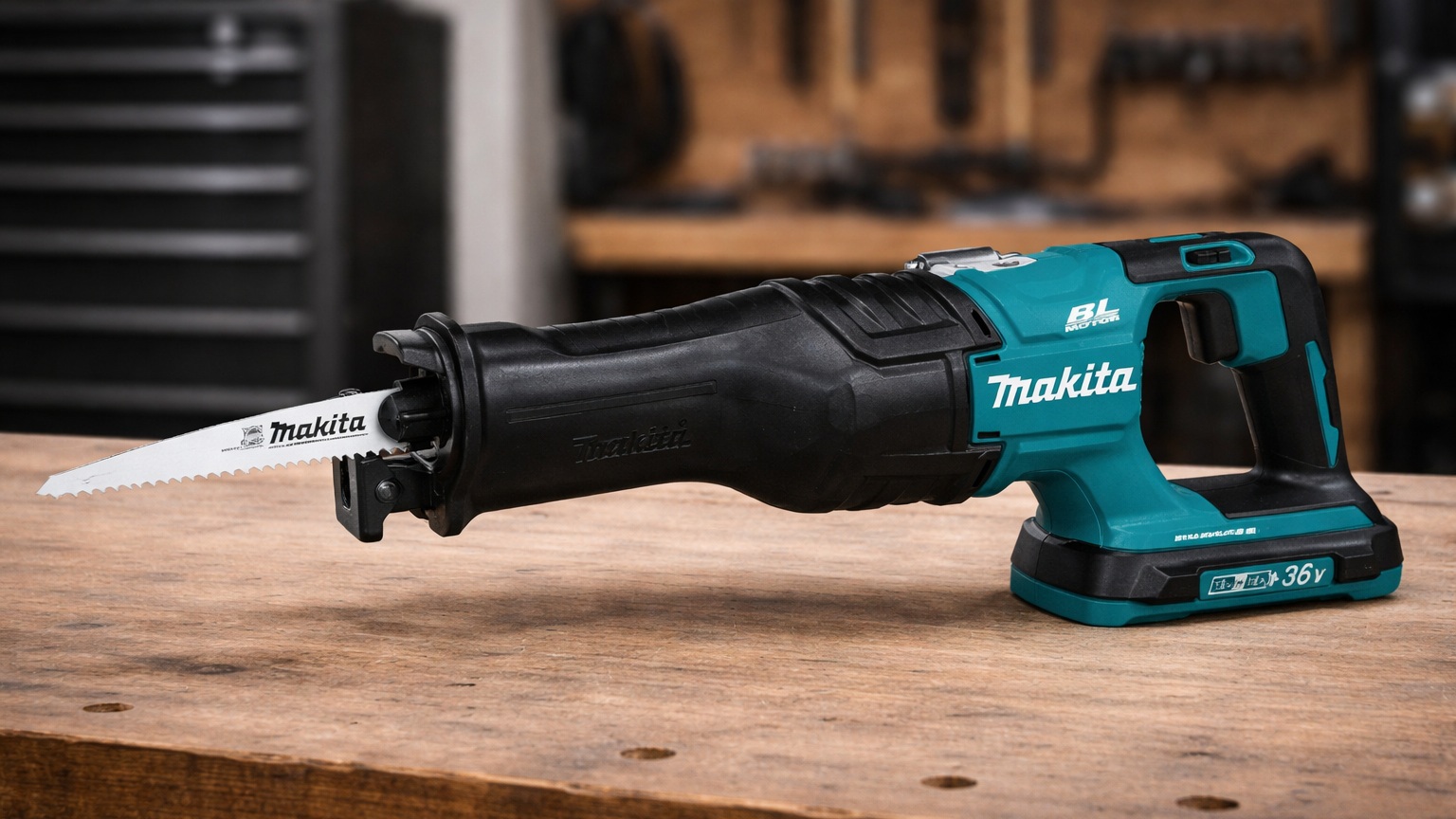
Makita XRJ06Z
Same-platform compact
A logical choice for staying in 18V LXT while moving to a smaller, quicker-handling saw that better suits light demolition, service work, and tighter access cuts.
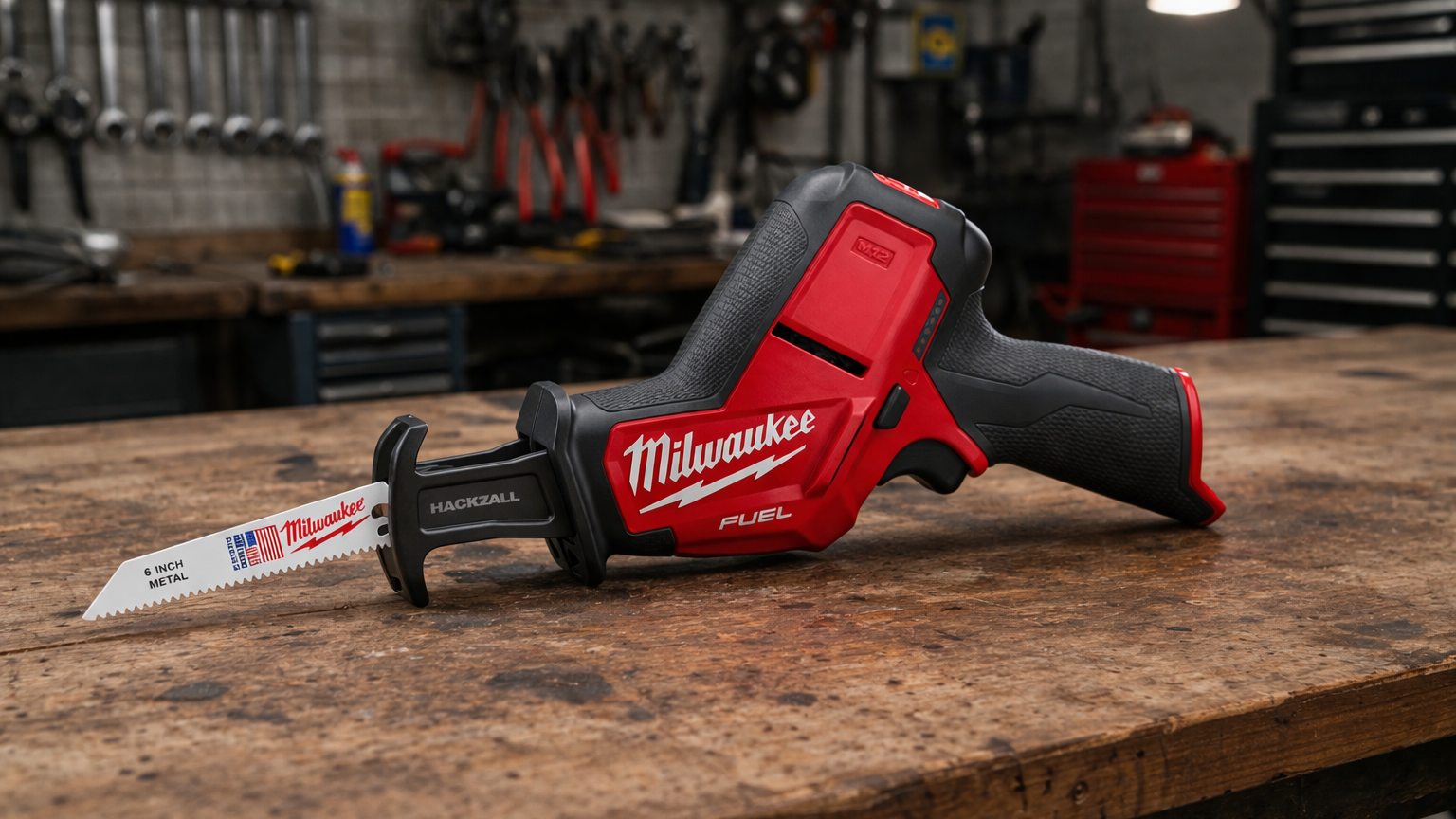
Milwaukee 2822-20
Heavier-duty feel
A stronger alternative for buyers who want a more aggressive cutting profile and are willing to accept a different platform and a more substantial overall feel.
Sources
Sources & reference notes
Specifications and platform details referenced in this review were verified using publicly available manufacturer information and current product listings. Where configurations vary by kit, those differences should be noted directly in the article.
- Makita product documentation and published specifications for the Makita XRJ05Z 18V LXT Reciprocating Saw.
- 18V LXT platform compatibility information for tool-only and battery-supported configurations.
- Retail product listings used to confirm current naming, SKU references, and included accessories or bundle variations.
Where to Buy
Makita XRJ05Z
18V LXT Reciprocating Saw
Typical price range: $129–$199
Pricing varies by retailer, bundle, and battery inclusion.
Check Current PriceReview Snapshot
Makita XRJ05Z
8.7
Balanced everyday cutting performance
Best for recurring remodel and repair work where control and versatility matter more than ultra-compact size.
- Performance: Handles common demolition and mixed-material cuts with dependable pace
- Handling: Controlled in use, though full-size weight is more noticeable over time
- Value: Makes more sense when used often or paired with existing 18V LXT batteries
Top 10 List
See the best reciprocating saws right now
Want the full picture? Our Top 10 breaks down the best reciprocating saws by performance, value, and real-world use.
View the Top 10Compare Models
Compare this saw head-to-head
See how the Makita XRJ05Z stacks up against other reciprocating saws across cutting feel, handling, and overall value.
View ComparisonsAccessories You’ll Want
- Wood-cutting blade set (useful for faster, cleaner progress in framing, rough carpentry, and demolition cuts)
- Metal-cutting blades (better for pipe, conduit, and fastener cuts where control and blade life matter)
- Demolition blades (helpful for mixed-material work where nails, wood, and tougher debris show up together)
- Extra battery pack (reduces downtime and makes longer cutting sessions easier to manage)
- Blade storage case (keeps common blade types organized and easier to swap on the job)
Tip: Blade choice and battery compatibility shape the day-to-day experience more than most buyers expect—keeping the right blade types and matching 18V LXT batteries on hand makes the saw far easier to use well.