The Makita XRJ05Z and Metabo HPT CR36DAQ4 face off in a direct comparison, examining performance, handling, and design differences to clarify how each fits specific cutting tasks and jobsite demands.

Reviews You Can Trust
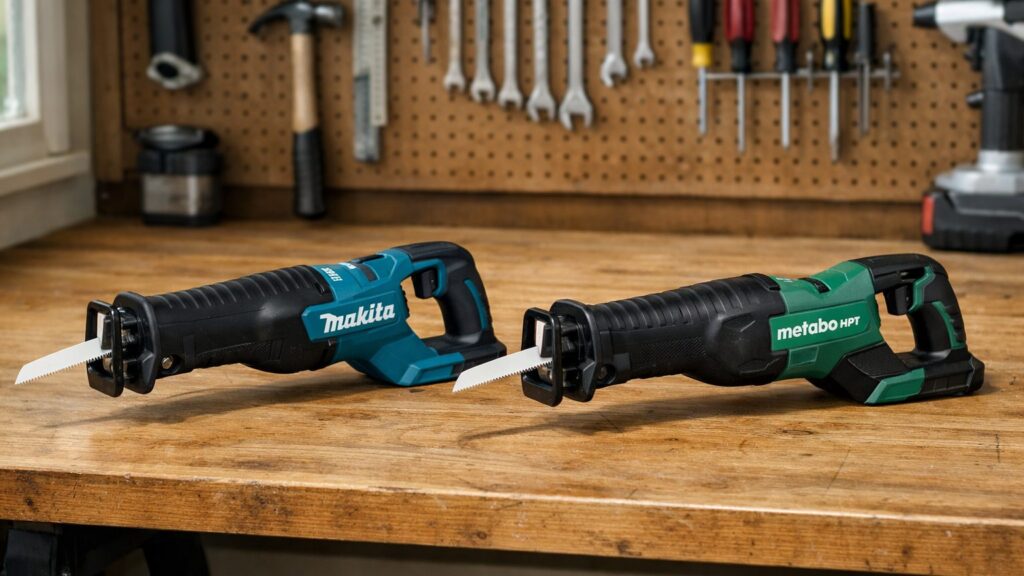
Head-to-head
Makita XRJ05Z Reciprocating Saw vs Metabo HPT CR36DAQ4 Reciprocating Saw: Which Reciprocating Saw Is Better?
A clean A/B view of what matters on real cutting jobs: size and control in awkward positions, cutting confidence in wood and metal, vibration feel, battery platform fit, and the practical tradeoffs between compact handling and heavier-duty cordless performance.
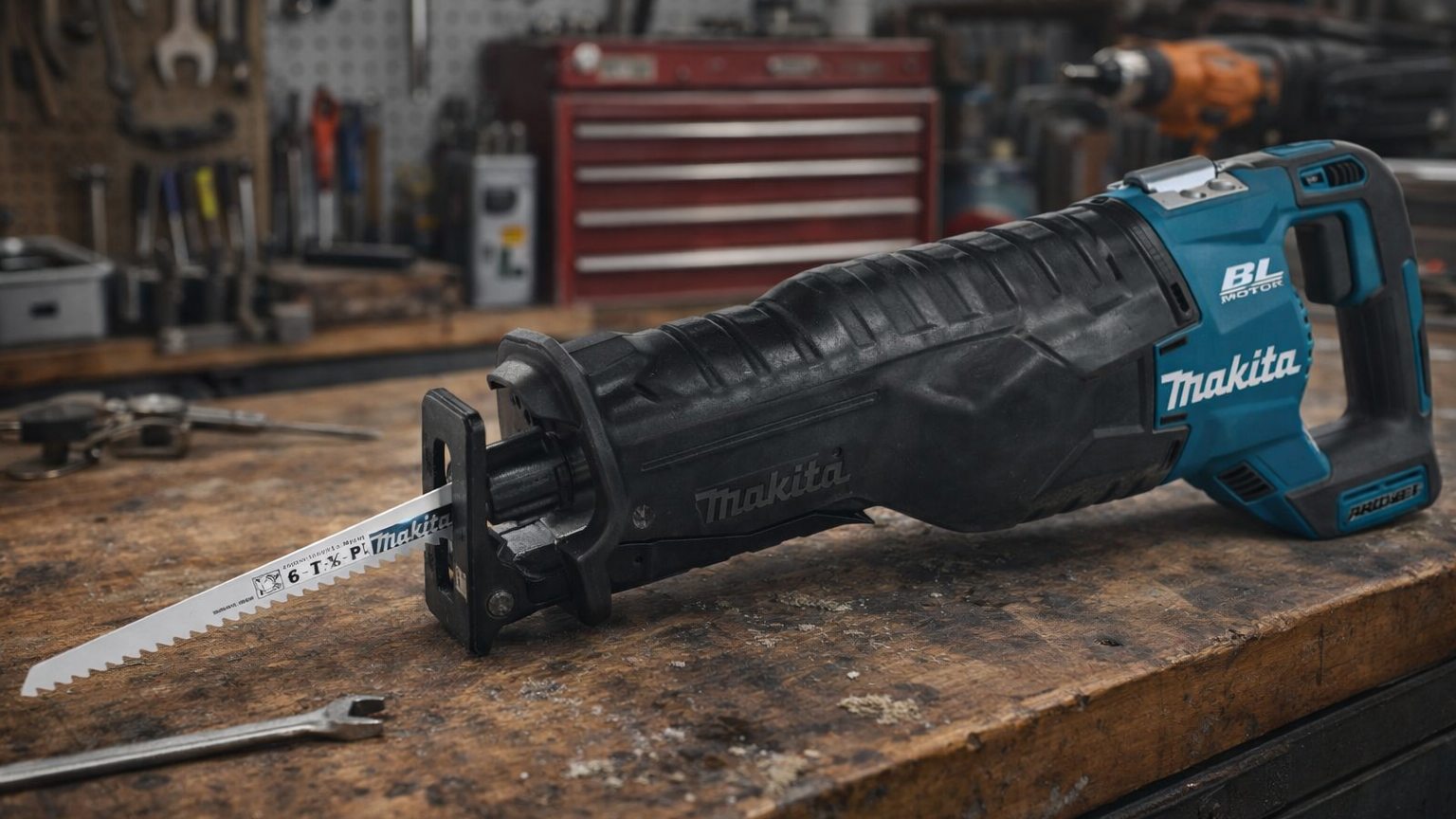
Makita XRJ05Z reciprocating saw
A compact 18V saw built around maneuverability and control—well suited to service work, lighter demolition, and tighter cutting positions where overall size matters as much as raw aggression.
- Easier to position in tighter spaces, overhead cuts, and one-handed adjustments between cuts
- Feels more approachable for mixed remodeling, plumbing, and general-purpose punch-list work
- Smart fit if you already own Makita LXT batteries and want a lighter-duty cordless saw
VS
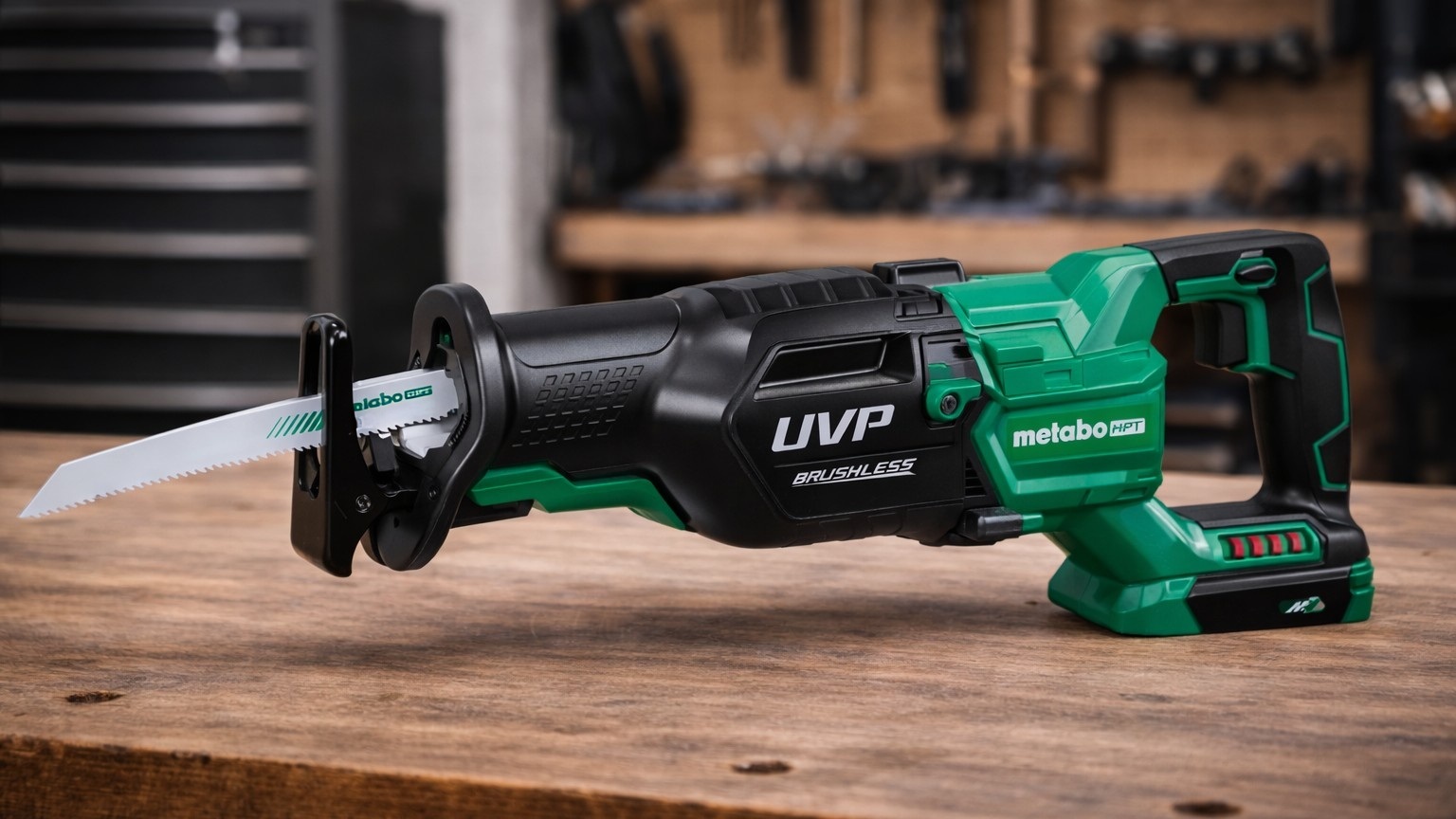
Metabo HPT CR36DAQ4 reciprocating saw
A more heavy-duty cordless option aimed at faster rough cuts and tougher demolition tasks—better matched to users who value stronger cutting authority over a more compact overall feel.
- Better fit for thicker stock, more frequent demolition, and jobs where faster progress matters
- Typically offers a more planted feel when pushing through demanding cuts
- Appealing for pros who want cordless power with less compromise versus larger corded-style work
Power under load
Good for general cutting
More headroom for tougher work
Metabo HPT CR36DAQ4
Control & clutch consistency
Easy to place and guide
Strong, but more tool to manage
Makita XRJ05Z
Ergonomics (feel + fatigue)
Lighter, easier in awkward positions
More substantial, steadier in hard cuts
Makita XRJ05Z
Value (typical kit pricing)
Lower platform buy-in for many users
Usually costs more to enter
Makita XRJ05Z
Battery ecosystem depth
Large LXT lineup
Strong Multi Volt range
Makita XRJ05Z
Real-world context
This comparison reflects a synthesis of professional reviews, manufacturer data, long-term user feedback, and use-case patterns to highlight how each reciprocating saw typically fits everyday cutting and demolition work.
Makita XRJ05Z — Why people choose it
- More compact feel for service calls, remodel punch work, and tighter cut access
- Easier to control when working overhead or repositioning between short cuts
- Strong choice if you already own Makita LXT tools and want cordless convenience without extra bulk
Metabo HPT CR36DAQ4 — Why people choose it
- More convincing for heavier demolition, thicker material, and faster progress through demanding cuts (especially when compactness matters less)
- Planted feel that suits users who prefer a more substantial saw in rougher work
- Compelling option if you want a stronger cordless platform for harder daily cutting tasks
Verdict: Choose Metabo HPT CR36DAQ4 if your work leans harder toward demanding demolition, thicker materials, and faster rough cutting where stronger cordless performance matters most. Choose Makita XRJ05Z if you want a more compact, easier-handling reciprocating saw for service work, remodeling, and general-purpose cuts where control, maneuverability, and lower platform buy-in are the bigger priorities.