Comparing the Makita XVJ04Z and Milwaukee 2737B-20 reveals key differences in control, power delivery, and ergonomics, shaping how each performs in real-world cutting tasks and user workflows.

Reviews You Can Trust
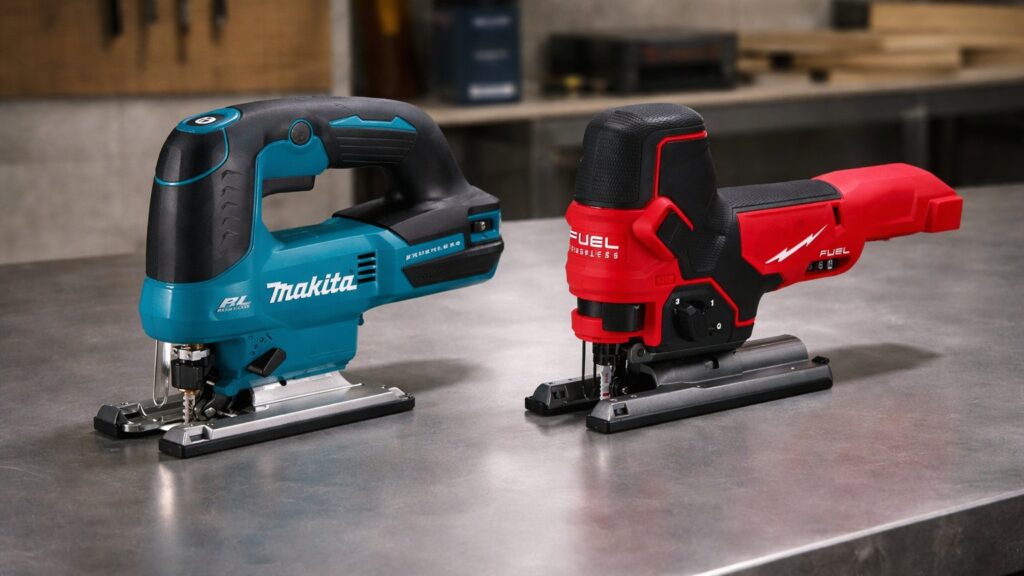
Head-to-head
Makita XVJ04Z vs Milwaukee 2737B-20: Which Jigsaw Is Better?
A clean A/B view of what matters on real cutting jobs: line control, vibration and handling, bevel and blade-change convenience, battery-platform fit, and which jigsaw makes more sense for different pro workflows.
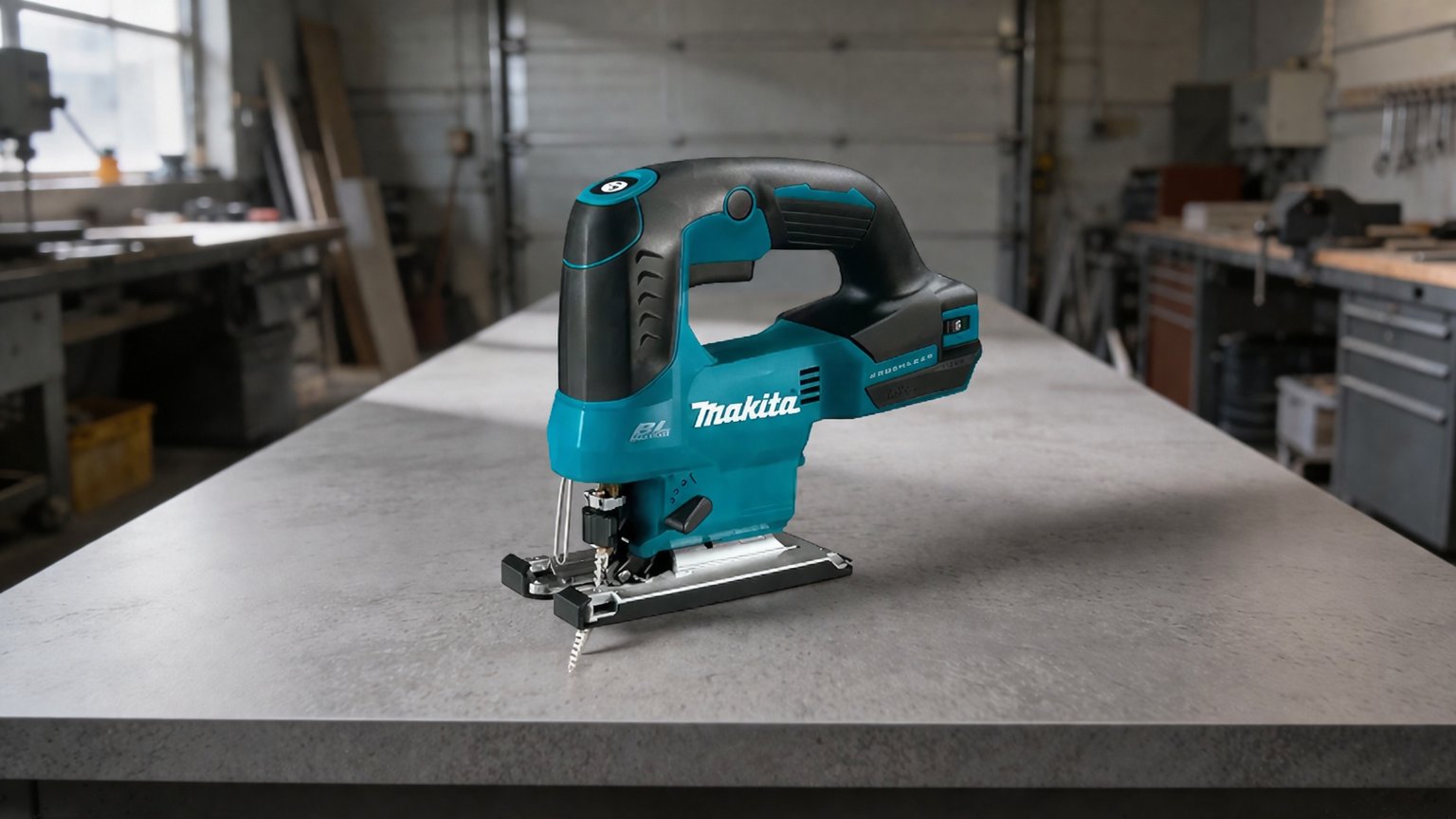
Makita XVJ04Z cordless jigsaw
A smooth, work-focused barrel-grip jigsaw that prioritizes control and cut feel—especially appealing for users who value steadier tracking, cleaner handling, and a more precise connection to the material.
- Barrel-grip layout gives many users a more connected, precise feel through curves and detailed cuts
- Often preferred when smooth tracking and controlled feed matter more than maximizing convenience features
- Strong fit for pros already invested in Makita’s broad LXT cordless lineup
VS
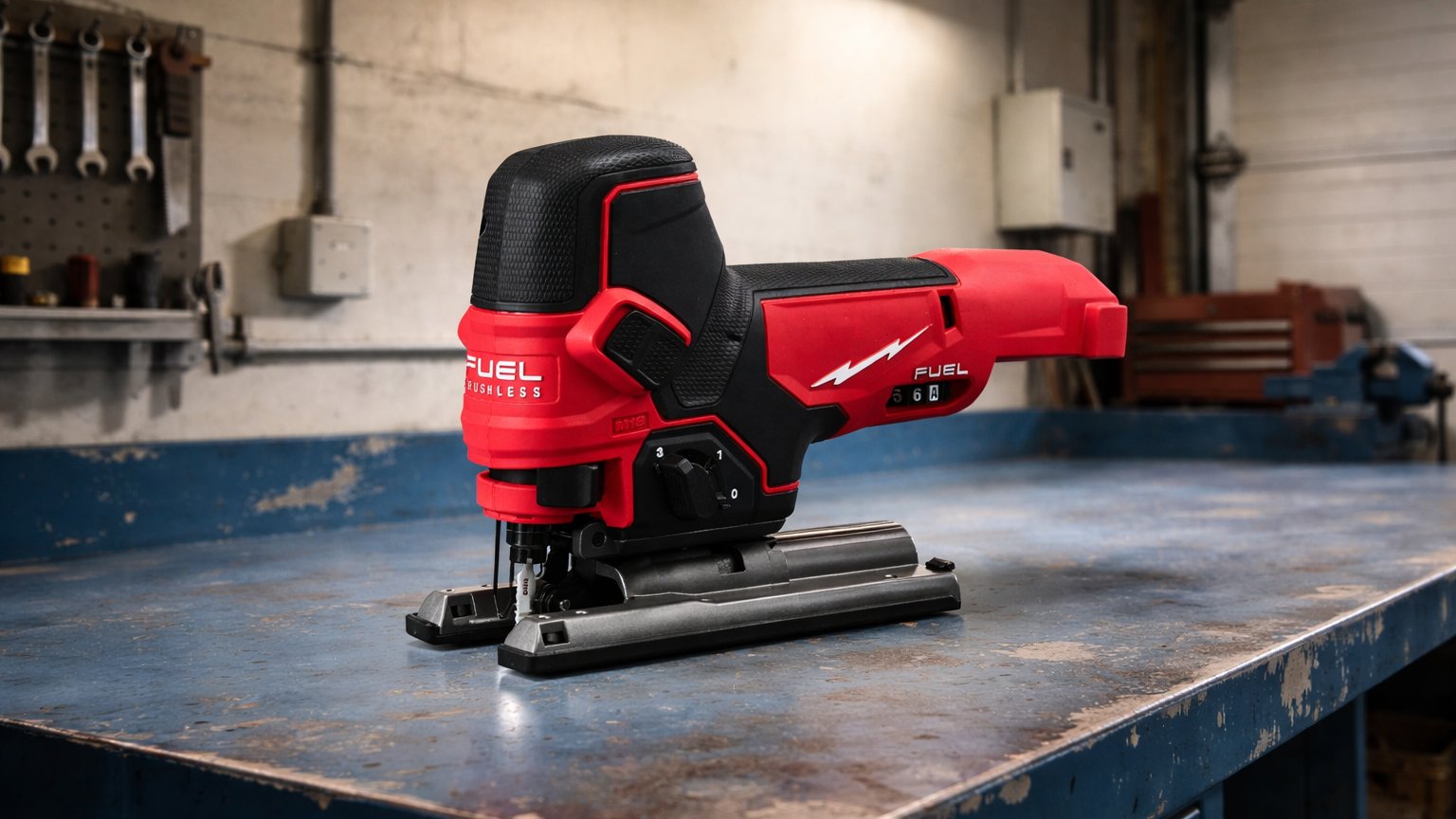
Milwaukee 2737B-20 cordless jigsaw
A practical D-handle jigsaw aimed at jobsite versatility, with user-friendly controls and everyday convenience that make it attractive for faster setup, routine cuts, and broader crew usability.
- D-handle format feels familiar for users who want straightforward pickup-and-go operation
- Convenient everyday choice for rougher layout work, punch-list cutting, and mixed-material jobsite tasks
- M18 platform depth adds long-term value if this tool is part of a larger cordless kit
Power under load
Strong, controlled cutting
Strong, jobsite-ready
Tie
Control & clutch consistency
More precise feel
Very good, more general-use
Makita XVJ04Z
Ergonomics (feel + fatigue)
Lower, more connected grip
Familiar D-handle comfort
Makita XVJ04Z
Value (typical kit pricing)
Usually a pricier bare-tool buy
Often easier platform value
Milwaukee 2737B-20
Battery ecosystem depth
Large, mature LXT lineup
Massive M18 range
Milwaukee 2737B-20
Real-world context
This comparison reflects a synthesis of professional reviews, manufacturer data, long-term user feedback, and use-case patterns to highlight how each jigsaw typically performs in everyday cutting tasks.
Makita XVJ04Z — Why people choose it
- Barrel-grip format offers a more precise, planted feel for users who guide cuts by hand position and line feedback
- Smooth, controlled cut character makes it appealing for finish-minded work and more deliberate curved cuts
- Strong choice for pros already building around Makita’s long-running 18V LXT platform
Milwaukee 2737B-20 — Why people choose it
- Familiar D-handle layout is approachable for mixed crews and general-purpose jobsite use (especially when convenience matters)
- Well suited to everyday construction cuts where speed of setup and straightforward handling matter
- Deep M18 ecosystem strengthens its long-term value for users adding more cordless tools over time
Verdict: Choose Makita XVJ04Z if you want the more control-oriented jigsaw for cleaner tracking, steadier feel, and a more precise barrel-grip experience in detailed work. Choose Milwaukee 2737B-20 if you want a straightforward jobsite jigsaw with familiar handling, easier day-to-day versatility, and strong long-term value inside a very deep cordless platform.