
Manual Razors Buying Guide: How to Choose the Right One
The right manual razor is the one that moves predictably across the intended body area with a sharp, replaceable cutting edge. Blade count is only one variable; cartridge size, pivot behavior, rinse clearance, handle control, and refill access often change the shave more.
Begin with where and how often shaving happens. A large cartridge that covers legs quickly may feel awkward around tight contours, while a compact head that offers precision can require more strokes on broad areas.
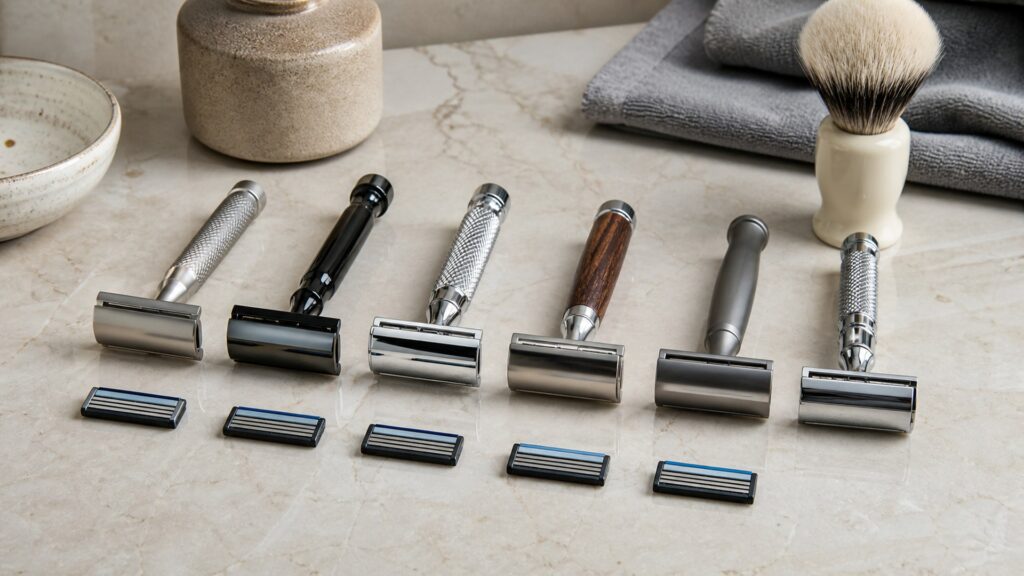
Buying framework
Define the right one routine before comparing products
Use the setting, frequency, and skin priorities to narrow manual razors logically.
Start with the use case: List the body areas, hair characteristics, and frequency of shaving. These details determine whether coverage, maneuverability, or reduced pass count deserves the highest priority.
Rank the practical tradeoffs: Compare complete systems rather than starter-handle prices. Cartridge availability and cost can turn an inexpensive handle into the more expensive choice within a few months.
Check instructions early: Plan the supporting steps: wetting hair, applying a suitable shave product, rinsing after strokes, and drying the razor away from the shower. Technique and storage influence results alongside hardware.
Use profiles
Match manual razors to the person and pace
Three shopper profiles expose different priorities for right one.
Routine-focused buyer: A first-time buyer should favor a stable grip, visible cartridge edges, and a pivot that is easy to understand. Extra blades cannot compensate for uncertainty about the cutting surface.
Performance-focused buyer: Someone shaving broad areas frequently may benefit from efficient rinse channels and readily available refills. Clogged blades invite extra strokes, so easy clearing has practical value.
Occasional or flexible user: A precision-focused user should inspect head width and the amount of frame extending beyond the blades. Tight contours demand clear sight lines and controlled movement more than maximum coverage.
Specifications
Read the specifications through a right one lens
Translate technical language into visible routine benefits.
Handling lens
Follow the cartridge outline around every intended curve. Visibility beyond the frame and the ability to make short strokes may matter more than a flexible marketing description.
Ownership lens
Calculate cost per month using a realistic replacement schedule. A sharp cartridge used correctly is preferable to stretching an expensive refill until it drags.
Blade Geometry: Blade count can distribute contact, but closely packed blades may trap cream and hair. Evaluate spacing, rinse access, and how many passes the cartridge requires in real use.
Pivot And Handle Control: Cartridge pivot should follow curves without feeling loose. Too little movement encourages lifted edges; excessive movement can make placement around small areas less predictable.
Lubrication Strip Design: Guards and skin-stretching elements affect how hair meets the blades. Treat comfort-strip wear as a maintenance signal only when the manufacturer defines it that way.
Cartridge Availability: Handle texture matters where fingers naturally press. Check balance with the cartridge attached and imagine the grip after water or shave gel reaches the handle.
Rinse-Through Cleaning: Refill compatibility is part of the specification. Identify the exact cartridge family, package sizes, local supply, and whether a protective cap is included for storage.
Common mistakes
Avoid shortcuts that undermine right one
A good purchase can still disappoint when selection or use is based on the wrong assumption.
Buying from one metric: Do not choose solely by the greatest blade count. More blades can increase price and cartridge size without solving grip, clogging, or contour access.
Skipping compatibility checks: Avoid pressing harder when cutting performance declines. Drag is a reason to inspect, rinse, or replace the cartridge, because added force raises the chance of nicks and irritation.
Ignoring post-use care: Do not store the razor on a wet ledge or leave the cartridge submerged. Dry storage helps limit deterioration and keeps the head from contacting contaminated surfaces.
Decision guidance
Choose the simplest option that covers the real need
Use these decision rules to finish a shortlist for right one.
Choose the basic format when: Choose a smaller, more visible cartridge when precision areas dominate the routine. Select broader coverage only when the head still follows the relevant contours.
Choose the flexible format when: Pay for a handle system when its grip, pivot, and refills offer a clear benefit over disposables for the expected frequency. Ignore bundles containing cartridges unlikely to be used.
Pause before upgrading when: Reject a proprietary system when replacement cartridges are difficult to find or unaffordable at the necessary cadence. A razor without a fresh edge is not a sustainable purchase.
Ownership & compatibility
Plan for clean, repeatable ownership
The best value remains convenient after the first few uses.
Consumables and replacements: Note how many comfortable shaves occur before tugging or extra strokes appear. Replace blades according to condition and manufacturer guidance rather than forcing a universal calendar.
Cleaning and storage: Rinse the cartridge during shaving so hair and product do not block the blade gaps. Afterward, let water drain without wiping the cutting edges against a towel.
Routine compatibility: Store refills sealed until needed and protect an installed cartridge during travel. Confirm that a cap fits without pressing against or dulling exposed blades.
FAQ
Manual Razors Buying Guide: How to Choose the Right One FAQ
Practical answers about choosing and owning manual razors for right one.
What matters most when choosing manual razors for right one?
Is the most expensive option better for right one?
How should I compare two similar manual razors options?
Bottom line
Buy for repeatable right one results
A focused shortlist is easier to own and use well.
Prioritize fit: Match cartridge size and pivot behavior to the areas actually being shaved.
Verify the limits: Budget for sharp refills instead of treating the starter handle as the full cost.
Count ownership costs: Support the hardware with light pressure, frequent rinsing, and dry storage.
Reading Shortcuts
Jump to the key manual razors decisions.
Decision Reminders
Keep these checks beside your shortlist.
- Check blade geometry: Use a fresh, undamaged blade and avoid pressing harder to compensate for dullness.
- Check pivot and handle control: Shave with suitable lubrication and short controlled strokes around contours.
- Check lubrication strip design: Rinse and air-dry the razor rather than leaving it in pooled shower water.
Glossary Snippets
Plain-language manual razors terms.
When to Use a Top 10 Review
Use a ranked list to identify a manageable set of strong candidates.
- You are still exploring: A ranked list can reveal the main formats and price tiers.
- You want a shortlist: Start broad, then confirm fit with this buying guide.
Have finalists? Use a Comparison.
When to Use a Comparison
Use a direct comparison when only a few candidates remain.
- Features are close: Side-by-side details clarify meaningful differences.
- Prices overlap: Compare ownership value, not only purchase price.
Still exploring? See the Top 10.