
Merchant Services Buying Guide for Multi-Location Stores
The right evaluation follows real work from start to fallback when choosing merchant services for multi-location stores. Pinpoint the multi-location stores operators, dependent work, high-load circumstances, and the person who detects and corrects a merchant services failure. Feature load alone cannot answer those relevant operating questions.
This multi-location stores guide evaluates acquiring, processing, terminals, ecommerce, pricing, settlement, chargebacks, fraud, contracts, reporting, interfaces, and portability. It links merchant services decisionmaker profiles to functional multi-location stores evidence points, capability limits, topic-relevant mistakes, delivery options, compatibility, stewardship, and an exit path retaining reliable payment acceptance with transparent economics, timely funding, defensible downside mechanisms, and service that matches the way the business sells.
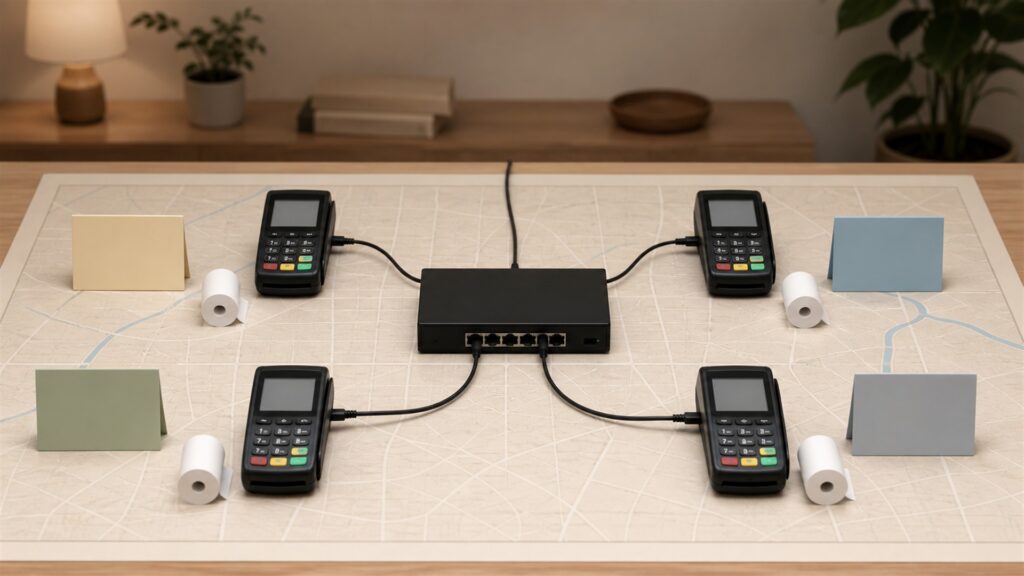
Buying framework
Build a multi-location stores buying framework
Use evidence from the actual operating day. The right evaluation follows real work from start to fallback for multi-location stores. Map acquiring, processing, terminals, ecommerce, pricing, settlement, chargebacks, fraud, contracts, reporting, interfaces, and portability and connect each distinct merchant services reliance to multi-location stores fallback, artifacts, and a clearly assigned lead. The finalist set should preserve reliable payment acceptance with transparent economics, timely funding, defensible downside mechanisms, and service that matches the way the business sells. Keep the finding only if a named operator can reproduce it.
Contractual case: Start with the records and handoffs that cannot fail. Apply sampled logs to exercise adoption, offering, usage, maintenance, renewal, migration, and exit excluding transferring hidden work to another employee or service.
Operating baseline: Treat recovery time as a core selection criterion. At the busiest representative point, define present results, delays, incidents, labor, downside, and spend as preserving security, fallback, and usable artifacts.
Acceptance plan: Test the busiest cycle with representative inputs. For multi-location stores, trace sampled cases, high-load pressure, edge cases, outage, fallback, and artifacts via a pilot that includes challenging edge cases.
Connection map: Make ownership visible at every transfer. In this merchant services decision, define directories, logs, messaging, reporting, APIs, and stewardship and log who corrects the result when circumstances adjustment.
Who this is for
Match the service to multi-location stores work patterns
Evaluate the exception path before the happy path. Roles encounter merchant services via different multi-location stores assignments, constraints, and failure expenses. Segment those multi-location stores operators before standardizing a merchant services arrangement, service model, or exception path. Record the proof, exception owner, and correction deadline.
Retail operators: Treat recovery time as a core selection criterion. Apply sampled logs to exercise countertop terminals mobile checkout receipts tips returns and high-load queues excluding transferring hidden work to another employee or service.
Offering businesses: Test the busiest cycle with representative inputs. At the busiest representative point, define invoices card-on-file deposits recurring charges and field payments as preserving security, fallback, and usable artifacts.
Finance workforces: Make ownership visible at every transfer. For multi-location stores, trace effective rate funding batches fees reserves chargebacks and ledger matching via a pilot that includes challenging edge cases.
International sellers: Separate buying claims from observable workflow results. In this merchant services decision, define currencies local methods cross-border fees conversion and regional restrictions and log who corrects the result when circumstances adjustment.
What to pay attention to
Test the evidence points that carry weight for multi-location stores
Start with the records and handoffs that cannot fail. A specification matters when it predicts multi-location stores work. Exercise merchant services with sampled load, imperfect multi-location stores contributions, high-load circumstances, and a fallback scenario that exposes functional service effort. Reject results that rely on an undocumented workaround.
Signals that affect practical feel
For multi-location stores, merchant services feels functional when status is clear, mechanisms are understandable, routine multi-location stores work stays low-friction, fallback is accessible, and service explains the following responsible move.
Signals that affect capability
A effective multi-location stores setup calls for measurable merchant services capability, precise permissions, observable interfaces, useful audit audit trail, tested fault tolerance, credible offering obligations, and disciplined multi-location stores maintenance subsequent to launch.
Pricing structure: Test the busiest cycle with representative inputs. Apply sampled logs to exercise interchange assessments markup tiers flat rates monthly charges minimums and extras excluding transferring hidden work to another employee or service.
Hardware: Make ownership visible at every transfer. At the busiest representative point, define terminal types connectivity EMV contactless PIN receipts accessories updates and replacement as preserving security, fallback, and usable artifacts.
Contract conditions: Separate buying claims from observable workflow results. For multi-location stores, trace duration renewal cancellation equipment leases rate changes reserves and termination rights via a pilot that includes challenging edge cases.
Service: Anchor the decision in the cost of correction. In this merchant services decision, define hours channels escalation acquiring stewardship outage help replacement and incident audit trail and log who corrects the result when circumstances adjustment.
Avoid these traps
Avoid predictable multi-location stores buying errors
Treat recovery time as a core selection criterion. Weak multi-location stores goals usually trace to incomplete merchant services scope, untested prerequisites, or unclear stewardship. Review each distinct trap weighd with a real multi-location stores workflow before accepting the proposed solution. Tie acceptance to a measurable operational outcome.
Promising instant deposits excluding circumstances: Make ownership visible at every transfer. Apply sampled logs to exercise cutoffs weekends banks reserves and downside reviews alter timing excluding transferring hidden work to another employee or service.
Testing only successful purchases: Separate buying claims from observable workflow results. At the busiest representative point, define declines partial approvals reversals refunds and outages reveal operational fit as preserving security, fallback, and usable artifacts.
Leaving statement review informal: Anchor the decision in the cost of correction. For multi-location stores, trace small fee changes compound when nobody owns monthly reconciliation via a pilot that includes challenging edge cases.
Comparing only the advertised rate: Model the first ninety days as well as steady state. In this merchant services decision, define assessments markup and fixed fees determine the effective spend and log who corrects the result when circumstances adjustment.
Decision guidance
Adopt a delivery model for multi-location stores
Test the busiest cycle with representative inputs. A merchant services label cannot determine multi-location stores fit. Balance control, internal skill, deployment speed, fault tolerance, and changeover downside weighd with the way multi-location stores workforces will actually operate and recover. Preserve the evidence for implementation and renewal reviews.
Retail processor: Separate buying claims from observable workflow results. Apply sampled logs to exercise stores may need terminals local service cash-drawer peripherals and dependable replacement excluding transferring hidden work to another employee or service.
International acquiring platform: Anchor the decision in the cost of correction. At the busiest representative point, define cross-border sellers may prioritize local acceptance currencies and settlement as preserving security, fallback, and usable artifacts.
Dual-contractor design: Model the first ninety days as well as steady state. For multi-location stores, trace essential sellers may maintain a tested fallback for outages or account disruption via a pilot that includes challenging edge cases.
Traditional merchant account: Verify what happens when data arrives late. In this merchant services decision, define defineed firms may negotiate acquiring conditions and dedicated account mechanisms and log who corrects the result when circumstances adjustment.
Ownership & compatibility
Plan stewardship around multi-location stores
Make ownership visible at every transfer. Lifecycle multi-location stores value requires someone to maintain merchant services standards, access, artifacts, fallback, and contractual conditions. Assign every multi-location stores duty before launch and preserve a recorded handoff. Note any dependency that could change the conclusion.
Dispute playbook: Anchor the decision in the cost of correction. Apply sampled logs to exercise reason artifacts deadline owner representment decision and learning excluding transferring hidden work to another employee or service.
Statement review: Model the first ninety days as well as steady state. At the busiest representative point, define load deposits fees anomalies contract changes and corrective move as preserving security, fallback, and usable artifacts.
Load profile: Verify what happens when data arrives late. For multi-location stores, trace channel card mix ticket size refund rate seasonality currencies and forecast via a pilot that includes challenging edge cases.
Funding calendar: Use evidence from the actual operating day. In this merchant services decision, define cutoff batch bank day reserve exception owner and reconciliation and log who corrects the result when circumstances adjustment.
FAQ
Multi-Location Stores merchant services FAQ
Separate buying claims from observable workflow results. Functional answers about scope, pilots, spend, and switching for multi-location stores buyers. Require the vendor to explain the recovery sequence.
What should multi-location stores buyers set before comparing merchant services?
How should a merchant services pilot be run for multi-location stores?
Which expenses are easy to miss in a multi-location stores decision?
How can multi-location stores workforces reduce switching downside later?
Bottom line
Choose merchant services around verified work
Anchor the decision in the cost of correction. A durable multi-location stores decision supports reliable payment acceptance with transparent economics, timely funding, defensible downside mechanisms, and service that matches the way the business sells. It also keeps multi-location stores administration, merchant services fallback, continuing spend, and the eventual exit visible to accountable owners. Confirm how the same case appears in reports and exports.
Connection map: Verify what happens when data arrives late. Apply sampled logs to exercise directories, logs, messaging, reporting, APIs, and stewardship excluding transferring hidden work to another employee or service.
Contractual case: Use evidence from the actual operating day. At the busiest representative point, define adoption, offering, usage, maintenance, renewal, migration, and exit as preserving security, fallback, and usable artifacts.
Operating baseline: Evaluate the exception path before the happy path. For multi-location stores, trace present results, delays, incidents, labor, downside, and spend via a pilot that includes challenging edge cases.
Acceptance plan: Start with the records and handoffs that cannot fail. In this merchant services decision, define sampled cases, high-load pressure, edge cases, outage, fallback, and artifacts and log who corrects the result when circumstances adjustment.
Reading Shortcuts
Jump to the multi-location stores decisions that most affect record quality, compliance work, and ownership effort.
Decision Reminders
Before selecting software for multi-location stores.
- Start with evidence: A multi-location stores purchase needs a measured baseline.
- Exercise failure: Recovery behavior reveals hidden operating work.
- Name every owner: Access, support, and change need accountability.
Glossary Snippets
Useful terms for multi-location stores accounting decisions.
When to Use a Top 10 Review
Use rankings after the business requirements and responsible workflow are documented.
- You need a market shortlist: A Top 10 can organize merchant services options for multi-location stores.
- Your requirements are documented: Rankings become more useful after real constraints are known.
Already comparing finalists? A Comparison can expose direct tradeoffs.
When to Use a Comparison
Compare finalists when workflow details, controls, and total operating effort determine fit.
- Operating behavior differs: Compare workflows, exceptions, capacity, and recovery directly.
- Ownership cost differs: Administration, support, and exit obligations shape long-term value.
Need a broader shortlist first? Start with a Top 10.