Metal cutting and wood cutting jigsaws differ in speed, control, and cutting behavior. This comparison examines how each performs across materials, highlighting practical tradeoffs that influence tool selection and real-world results.

Reviews You Can Trust
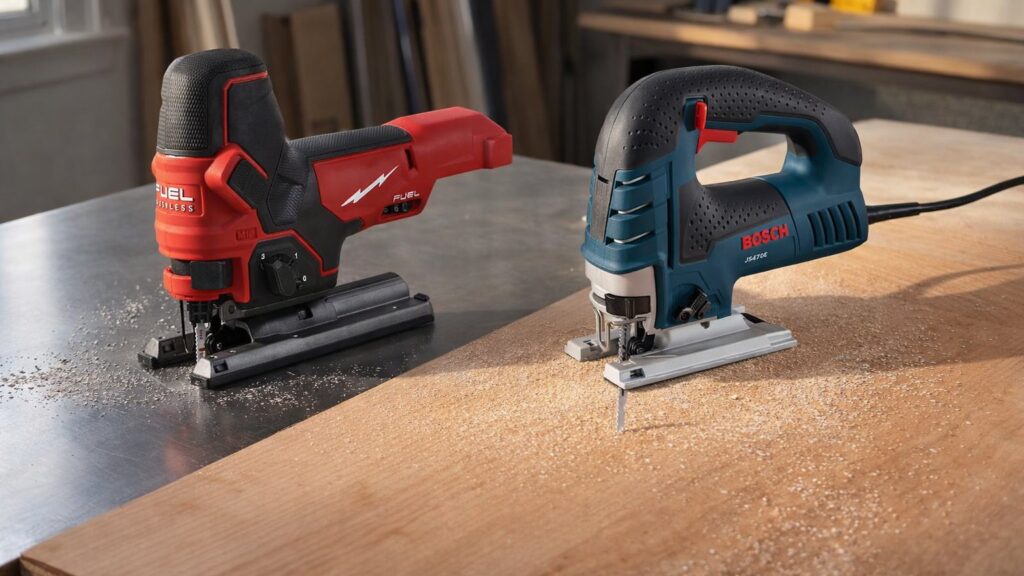
Head-to-head
Metal Cutting Jigsaws vs Wood Cutting Jigsaws: Key Differences Explained
A clean A/B view of what matters when matching a jigsaw to the material: control at slower cutting speeds, stability through curves, finish quality, working pace, and the tradeoffs that shape real-world tool selection.
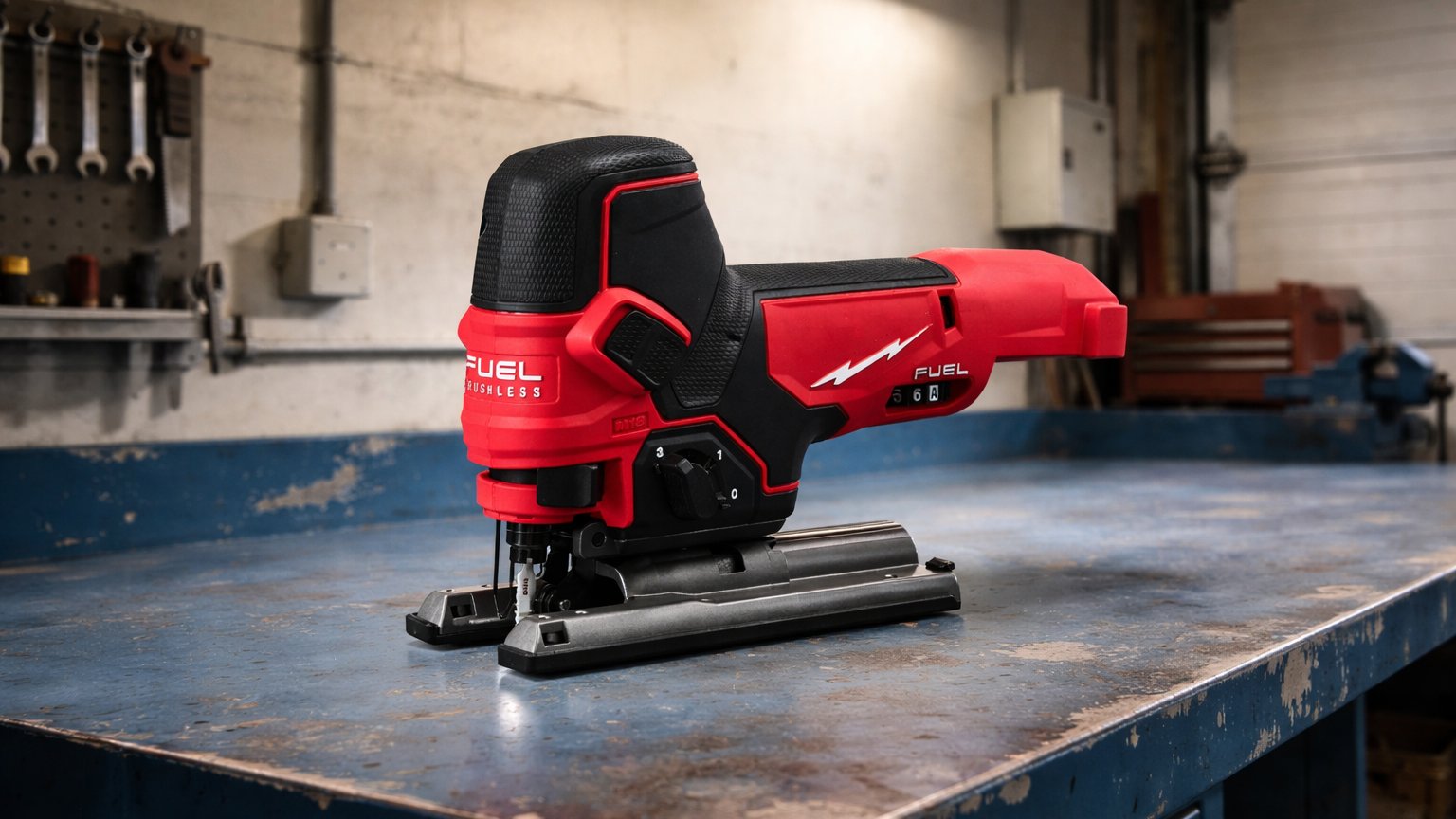
Metal Cutting Jigsaws
A more control-focused setup built around slower cutting, smoother tracking, and cleaner behavior in sheet metal, aluminum, and other materials where stability matters more than outright pace.
- Better suited to slower feed rates, careful starts, and controlled curved cuts in metal stock
- Usually feels steadier when vibration, chatter, and blade deflection need to stay in check
- Stronger fit for finish-focused work where accuracy matters more than raw cutting speed
VS
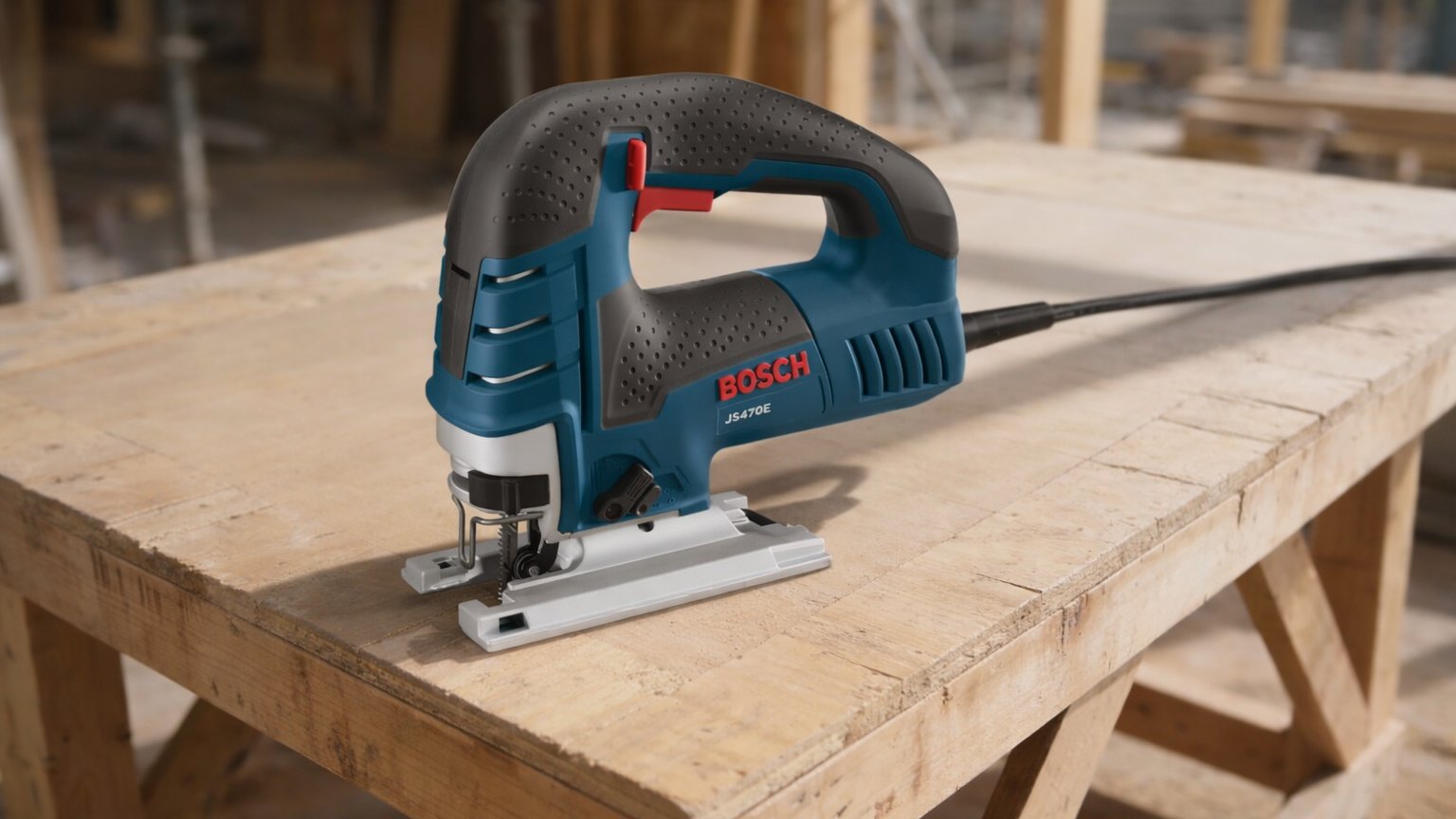
Wood Cutting Jigsaws
A faster, more aggressive setup aimed at framing lumber, plywood, and general carpentry, where quicker progress and broader everyday usefulness often matter most on site.
- Better match for faster cuts in lumber, sheet goods, and routine site work
- Typically benefits more from higher stroke speed and orbital settings in wood
- Stronger everyday choice when one jigsaw needs to cover more common carpentry tasks
Power under load
Steady, slower cutting
More cutting pace in wood
Wood Cutting Jigsaws
Control & cut consistency
Excellent in metal
Very good in wood
Metal Cutting Jigsaws
Ergonomics (feel + fatigue)
Calmer, lower-vibration feel
Faster, more active feel
Metal Cutting Jigsaws
Value (typical category use)
More specialized
Broader day-to-day range
Wood Cutting Jigsaws
Blade ecosystem depth
Strong specialty options
Wider mainstream selection
Wood Cutting Jigsaws
Real-world context
This comparison reflects a synthesis of professional reviews, manufacturer data, long-term user feedback, and use-case patterns to highlight how each jigsaw category typically performs across common workshop and jobsite tasks.
Metal Cutting Jigsaws — Why people choose them
- Better control when the priority is cleaner lines, lower chatter, and more predictable tracking in metal
- Often easier to manage for slower, careful starts and tighter curved work in thinner stock
- Stronger fit when finish quality and precision matter more than jobsite cutting speed
Wood Cutting Jigsaws — Why people choose them
- Faster, more practical choice for plywood, framing lumber, trim stock, and general workshop use
- Usually makes better use of higher stroke speed and orbital action when material removal matters
- Smarter fit for pros who want one jigsaw to cover the widest range of everyday cutting tasks
Verdict: Choose Wood Cutting Jigsaws if you need the more versatile everyday option for carpentry, sheet goods, faster progress, and broader pro use across common site materials. Choose Metal Cutting Jigsaws if your priority is slower, steadier control, cleaner behavior in metal stock, and a setup that better suits precision-focused cutting where finish quality carries more weight than pace.