
The Milwaukee 2822-20 Sawzall is positioned as a high-performance reciprocating saw for demanding jobsite work. This review evaluates how its cutting speed, vibration control, and durability compare in real-world use, highlighting where it excels and where tradeoffs in weight, control, or cost may influence your decision.
Milwaukee-2822-20 Sawzall Reciprocating Saw Review: Performance, Pros, and Cons
By: Review Streets Research Lab
Updated: April 9, 2026
Approx. 8–10 min read
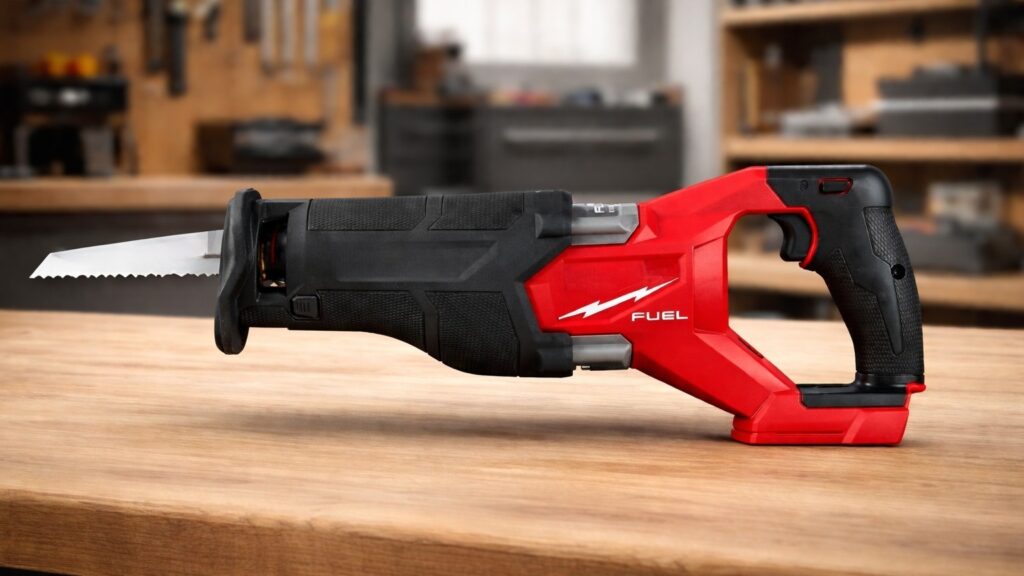
Quick Summary
The Milwaukee 2822-20 Sawzall is a heavy-duty reciprocating saw that feels built for fast, confident cutting in demanding demolition and remodeling work. It stands out for strong under-load performance, solid control at startup, and a durable jobsite-ready impression, though its size and weight can create more fatigue during longer overhead or one-handed use.
9.1
Score
Best for: Daily jobsite use
Pros & Cons
Milwaukee 2822-20 Sawzall: what we liked (and what we didn’t)
A quick look at the biggest strengths and tradeoffs based on performance, handling, and everyday usability.
Pros
- Strong Cutting: Feels powerful through thick stock, rough framing, and demolition cuts that can bog down lighter saws.
- Confident Startup: Trigger response and initial blade engagement feel controlled, which helps when starting cuts on awkward materials.
- Jobsite Durability: Gives a rugged, pro-focused impression that suits repeated use in remodeling and teardown work.
- Stable Under Load: Maintains a steady cutting feel in demanding work, which supports faster progress and fewer interruptions.
- Good Demolition Fit: Well matched to heavy-duty applications where cutting speed and toughness matter more than compact handling.
Cons
- Heavy Feel: The overall size and balance can become tiring during long sessions, especially overhead or one-handed work.
- Tight Space Limits: Bulkier handling makes it less convenient in cramped cavities, between obstructions, or close-quarter cuts.
- Vibration Fatigue: Extended aggressive cutting can wear on the hands and arms more than lighter-duty saws used for shorter tasks.
- Premium Cost: The value makes more sense for frequent demanding use than for occasional repair or light weekend projects.
Specs
Milwaukee 2822-20 key specifications
These are the core specs and practical details most buyers compare across heavy-duty cordless reciprocating saws.
| Spec | Milwaukee 2822-20 |
|---|---|
| Type | Cordless reciprocating saw (brushless) |
| Platform | M18 FUEL with ONE-KEY |
| Voltage | 18V (M18) |
| Speed | 0–3,000 SPM, variable speed |
| Chuck | Lever-action blade clamp |
| Torque | Not typically manufacturer-rated for this category |
| Length | Approx. 17.1" |
| Weight | Approx. 6.8 lb bare; about 8.4 lb with battery |
| Clutch settings | Not applicable; adjustable shoe and selectable tool settings |
| LED light | Yes (integrated work light) |
| Included | Tool only (no battery/charger) |
| Best use | Demolition, remodeling, rough cutting, and heavy-duty jobsite work |
| Warranty | 5-year limited tool warranty |
Performance
How the Milwaukee 2822-20 performs
We evaluated cutting feel, control, comfort, and everyday usability across common demolition, remodeling, and rough-cutting scenarios to understand how this reciprocating saw performs in real-world use.
Cutting Speed
Moves through demanding demolition cuts with strong pace, especially when the blade stays planted and the material is well supported.
Power Under Load
Feels strong in thicker stock and tougher tear-out work, with less hesitation than lighter-duty saws when the cut gets demanding.
Control & Handling
Startup feel is predictable and easier to place accurately than some aggressive saws, though the overall size still favors two-handed use.
Balance & Comfort
Comfort is solid for short to medium cuts, but longer sessions and overhead work can become tiring because of the saw’s heavier feel.
Noise & Vibration
Noticeably aggressive in hard use, with the kind of noise and vibration expected from a heavy-duty demolition-focused reciprocating saw.
Overall Performance
Delivers a confident, heavy-duty cutting experience that suits demanding jobsite work better than occasional light-duty tasks.
Testing note: Performance observations are based on real-world cutting, handling, and repeat-use impressions across typical demolition and remodeling materials, with attention to control, fatigue, and consistency over time.
Build Quality
Build quality & durability
The Milwaukee 2822-20 Sawzall feels built for hard jobsite use. The body has a sturdy, planted feel, the grip surfaces inspire confidence with dusty or gloved hands, and the overall construction suggests a tool meant to handle demanding cutting rather than occasional light-duty work.
Key contact points—blade clamp, housing, shoe, and battery connection—come across as solid and work-focused. The interfaces feel secure in normal handling, with a durable impression that supports more confident blade changes, steadier cut setup, and less concern about flex or looseness during aggressive use.
In everyday use, the saw gives the impression that it can handle repeated transport, rough set-downs, and the general abuse that comes with demolition and remodeling work. It does not feel delicate, and that adds reassurance when moving between cuts, materials, and work areas throughout the day.
Compared with lighter reciprocating saws, the 2822-20 leans more toward ruggedness than portability. That tradeoff is noticeable in hand, but it also contributes to the kind of ownership confidence many buyers want from a saw expected to see frequent, demanding use.
Setup & Maintenance
Setup, daily use, and upkeep
The Milwaukee 2822-20 Sawzall is straightforward to get working well—most of the setup comes down to choosing the right blade, matching cutting speed to the material, and keeping the shoe planted for better control. Small adjustments in blade choice, grip, and cutting approach make a noticeable difference in smoother starts, faster progress, and less fatigue during demanding work.
Best setup for common tasks
- Demolition Cuts: Use a coarse blade and moderate trigger control. Keep the shoe braced against the material so the saw stays steadier under load.
- Metal Cutting: Use a finer-tooth blade and a slower, more controlled pace. Let the blade work without forcing it to reduce chatter and heat buildup.
- Overhead Work: Use the shortest practical blade and keep both hands on the tool. A compact setup helps reduce wobble and arm fatigue.
- Flush Cuts: Use a flexible blade and approach slowly. Keep the saw aligned so the blade tracks cleanly without bouncing off the surface.
What to do for smoother starts
- Brace The Shoe: Set the shoe firmly before pulling the trigger so the saw does not jump when the blade first bites.
- Feather The Trigger: Ease into the cut instead of starting at full speed. This helps the blade track straighter and improves early control.
- Support The Material: Clamp or steady the workpiece when possible. Less movement means cleaner starts and fewer grabby, awkward first strokes.
Maintenance (simple but important)
- Blade Clamp Care: Clear dust and debris from the blade area so blades seat fully and swap more smoothly.
- Vent Cleaning: Brush out buildup around the housing vents to help the tool run cooler during repeated heavy cuts.
- Battery Contact Check: Wipe rails and contacts with a dry cloth if dirt builds up; skip sprays or oily cleaners.
- Use Fresh Blades: Replace dull or bent blades early. Worn blades cut slower, shake more, and make the saw work harder than necessary.
Tip: For cleaner control, keep two hands on the saw, brace the shoe before the blade enters the material, and build speed gradually. That approach reduces jumping at the start of the cut, helps limit bind-ups, and makes long demolition passes easier to manage.
Real-World Use
Where the Milwaukee 2822-20 fits best
On paper, the Milwaukee 2822-20 is a heavy-duty reciprocating saw. In real projects, it performs best when consistent cutting power, stability, and durability matter more than compact size or low weight.
Demolition and tear-out work
Well suited for breaking down framing, cutting through mixed materials, and general demolition. The saw stays composed under load, which helps maintain cutting pace and reduces interruptions when working through tougher sections.
Remodeling and rough cutting
Handles typical remodeling tasks like trimming studs, cutting old pipe, and removing sections of material with confidence. The controlled startup and steady cutting feel make it easier to manage uneven or partially supported workpieces.
Frequent jobsite use
A strong fit for repeated daily use where reliability and consistency matter. It holds up well across multiple cuts and materials, making it useful for workflows that involve moving quickly between tasks without constant adjustments.
Where it’s less ideal
For tight spaces, overhead work, or quick one-handed cuts, the size and weight can feel limiting. Lighter or more compact reciprocating saws tend to be easier to manage in confined areas or when precision handling matters more than raw cutting strength.
Value
Is the Milwaukee 2822-20 worth it?
The Milwaukee 2822-20 makes the most sense when it is used like a premium heavy-duty reciprocating saw—frequent demolition, repeated rough cutting, and jobs where strong cutting performance and durability save time over the long run. For occasional light-duty use, lower-cost or lighter saws can be the more practical buy.
Price-to-performance takeaway
What buyers are really paying for here is sustained cutting confidence, rugged jobsite construction, and access to the broader M18 system. The value improves noticeably if compatible batteries are already on hand, while tool-only pricing can feel harder to justify for buyers starting from scratch.
Tip: Compare kit and tool-only options carefully. If M18 batteries and a charger are already part of the setup, the bare tool is easier to justify; if not, a bundle or platform comparison often gives a clearer picture of total ownership cost.
FAQ
Milwaukee 2822-20 FAQ
Quick answers to the most common questions about the Milwaukee 2822-20—compatibility, use cases, and what to expect in real-world work.
Is the Milwaukee 2822-20 a brushless reciprocating saw?
Yes. The 2822-20 is part of Milwaukee’s M18 FUEL line, which uses a brushless motor setup intended for stronger efficiency, sustained output, and heavy-duty cordless performance.
Does the 2822-20 work with all M18 batteries?
Yes. It is built for Milwaukee’s M18 battery platform. Higher-capacity packs generally make more sense for longer cutting sessions and tougher materials where runtime and sustained performance matter more.
What kind of work is the Milwaukee 2822-20 best for?
It fits best in demolition, remodeling, rough cutting, and repeated jobsite use where fast cutting and durability matter more than compact size or minimal weight.
Can it cut wood, metal, and demolition materials?
Yes, with the right blade. Like most reciprocating saws, its real versatility comes from blade choice, so performance depends heavily on matching tooth pattern and blade length to the material.
Is it overkill for occasional DIY use?
It can be. For infrequent repair work or light weekend projects, a smaller or less expensive reciprocating saw may feel easier to justify and easier to handle for shorter cuts.
Should I buy it tool-only or as a kit?
Tool-only makes the most sense if M18 batteries and a charger are already part of the setup. If not, comparing kit pricing can give a clearer picture of the real cost of getting started.
What are the most common downsides?
The main tradeoffs are size, weight, noise, and fatigue during long or overhead cuts. It is built more for demanding performance than for compact handling in tight spaces.
Alternatives
Best alternatives to the Milwaukee 2822-20
If the Milwaukee 2822-20 fits the general performance profile you want but not the exact tradeoff, these alternatives make sense in different ways—better value, easier handling, or staying in the same battery system with a more compact approach.
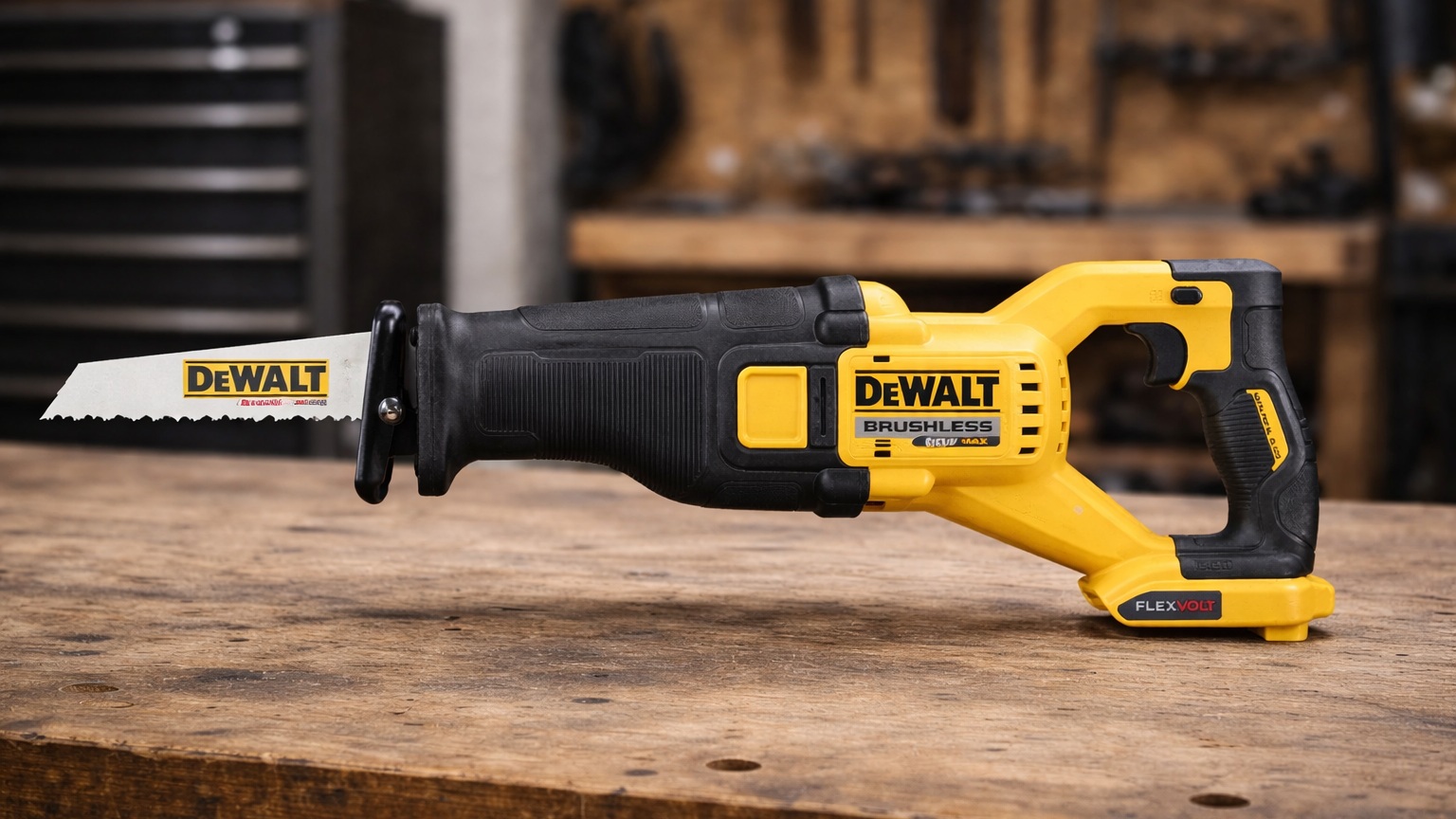
DeWalt DCS389 (60V MAX)
Heavy-duty value
A strong alternative for buyers who want similarly serious demolition capability but are comparing broader platform options and kit value. It makes sense when raw cutting focus matters more than staying with Milwaukee’s battery system.
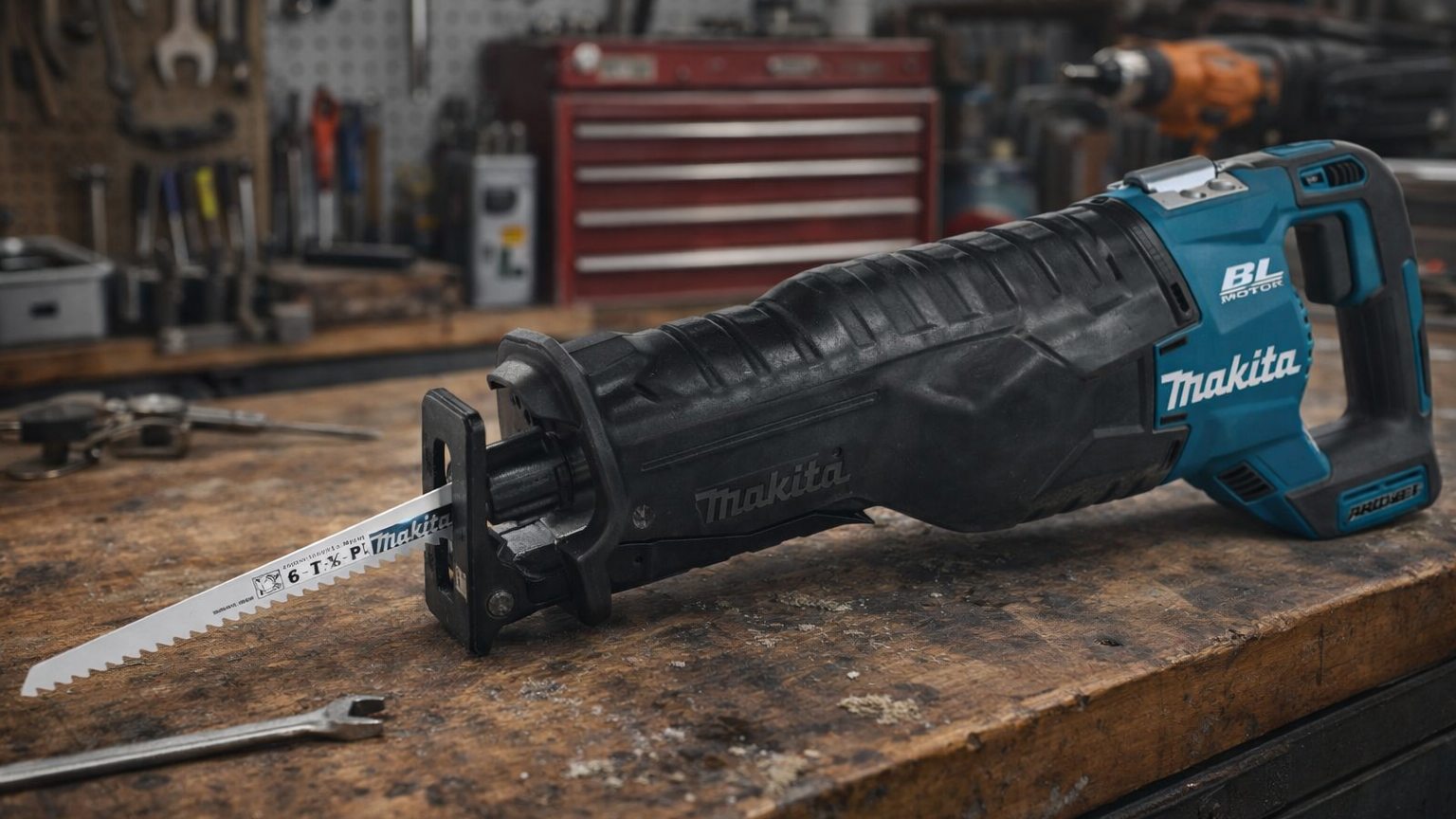
Makita XRJ05Z (18V LXT)
Lighter handling
A more appealing pick when everyday control, reduced fatigue, and easier maneuvering matter more than maximizing heavy demolition strength. It is the better fit for tighter spaces and more frequent medium-duty cutting.
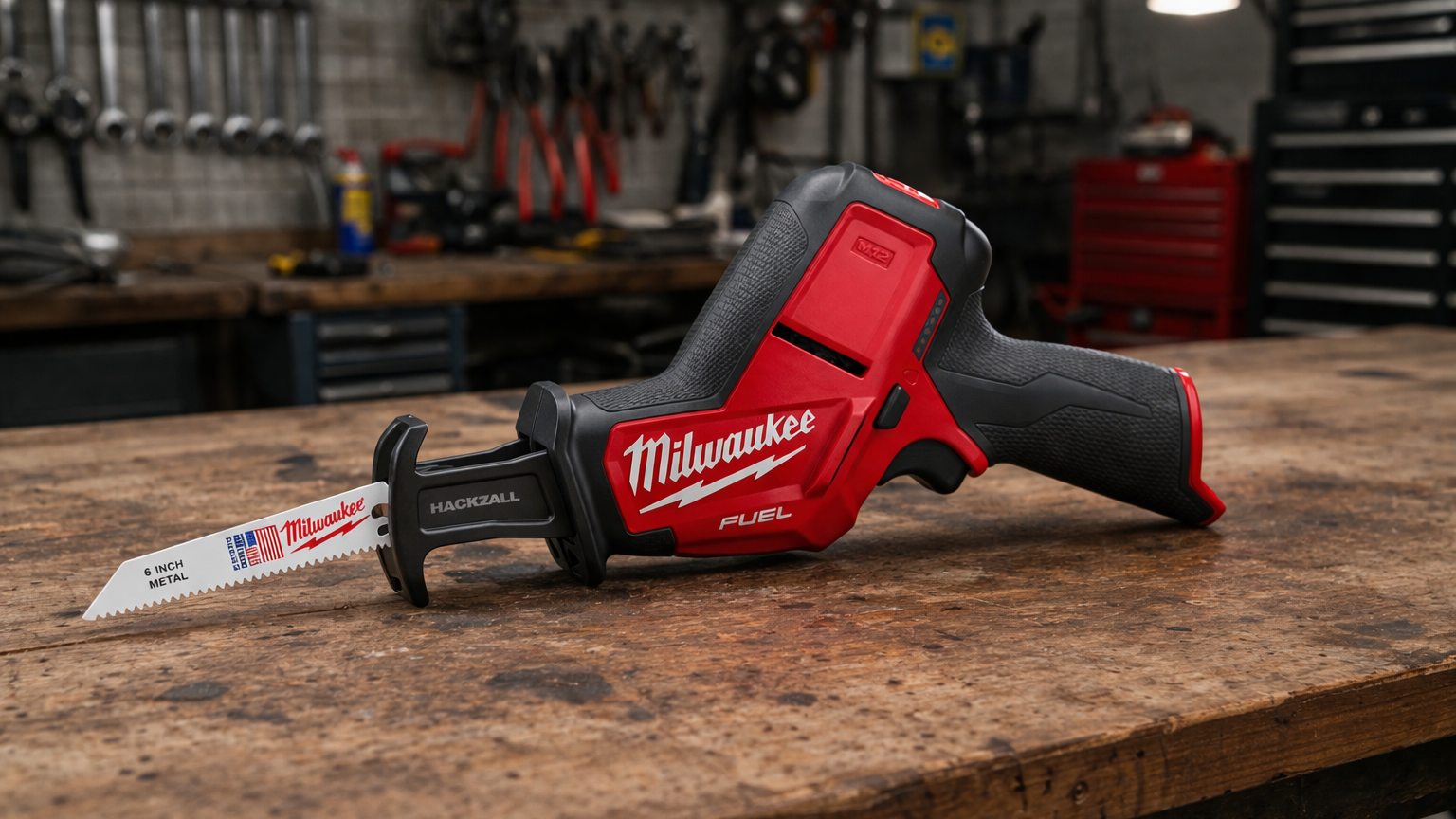
Milwaukee 2520-20 (M12 FUEL HACKZALL)
Same-brand compact
The most relevant alternative for buyers who like Milwaukee’s ecosystem and tool feel but want a smaller, easier-to-manage option. It gives up some heavy-cut authority in exchange for better access, lower fatigue, and quicker grab-and-go use.
Sources
Sources & reference notes
Specifications, platform details, and general product positioning referenced in this review were checked against publicly available manufacturer information and current product listings. Where tool-only and kit configurations differ, those distinctions should be clarified in the article copy.
- Milwaukee Tool — M18 FUEL SAWZALL product documentation and published specifications for the Milwaukee 2822-20.
- M18 battery platform compatibility information for tool-only and system ownership considerations.
- Retail product listings used to confirm current naming, SKU references, and included accessories or bundle variations.
Where to Buy
Milwaukee 2822-20
SAWZALL Reciprocating Saw
Typical price range: $199–$299
Pricing varies by retailer, battery inclusion, and tool-only vs. kit configuration.
Check Current PriceReview Snapshot
Milwaukee 2822-20
9.1
Heavy-duty cutting confidence
Best for demanding demolition and remodeling work where cutting strength matters more than lighter handling.
- Performance: Cuts aggressively through demanding materials with strong under-load feel
- Handling: Stable and controlled, though heavier in long or overhead sessions
- Value: Makes the most sense for frequent use or existing M18 owners
Top 10 List
See the best reciprocating saws right now
Want the broader picture? Our Top 10 breaks down the best reciprocating saws by performance, value, and real-world use.
View the Top 10Compare Models
Compare this saw head-to-head
See how the Milwaukee 2822-20 stacks up against other reciprocating saws across cutting feel, handling, and overall value.
View ComparisonsAccessories You’ll Want
- Mixed reciprocating saw blade set (covers wood, metal, demolition, and flush-cut tasks without constant compromises)
- Demolition wood blades (faster rough cuts in framing lumber, nail-embedded material, and tear-out work)
- Metal-cutting blades (cleaner, steadier results in pipe, conduit, and thinner metal stock)
- Extra battery pack (reduces downtime and helps longer cutting sessions stay productive)
- Compact work gloves (improves grip and comfort during vibration-heavy or awkward demolition cuts)
Tip: Blade choice and battery ownership shape the day-to-day experience more than most buyers expect—keeping the right blade types on hand and staying within one battery platform usually means smoother cuts and fewer interruptions.