Comparing the Milwaukee 2822-20 Sawzall and DeWalt DCS389B reveals key differences in power delivery, control, and size, helping clarify which tool better fits specific cutting tasks and real-world demands.

Reviews You Can Trust
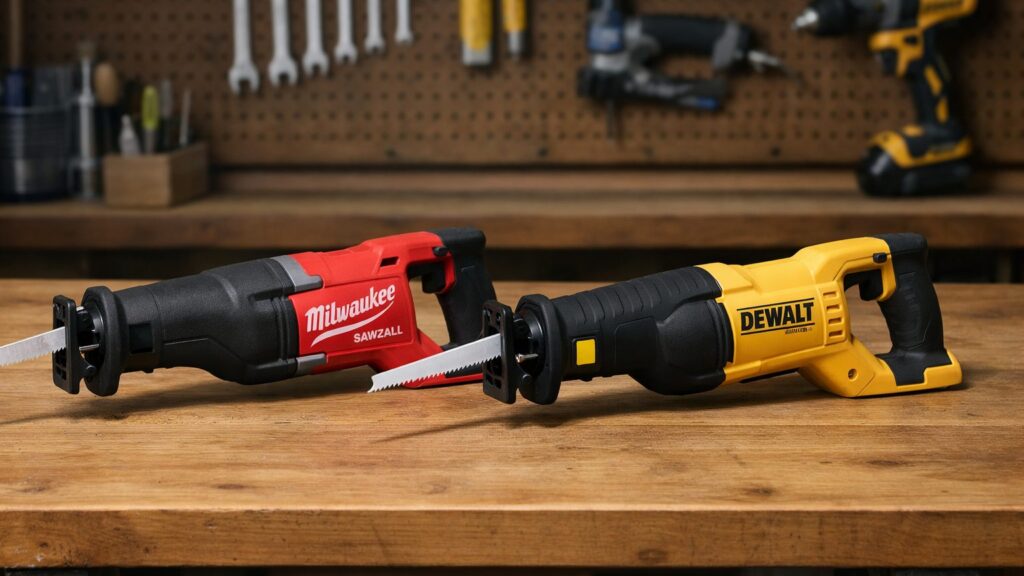
Head-to-head
Milwaukee 2822-20 Sawzall Reciprocating Saw vs DeWalt DCS389B Reciprocating Saw: Which Reciprocating Saw Is Better?
A clean A/B view of what matters on demanding cutting jobs: power in heavier demolition, control through rough material, ergonomics over long sessions, battery platform fit, and overall value for pros choosing a primary cordless reciprocating saw.
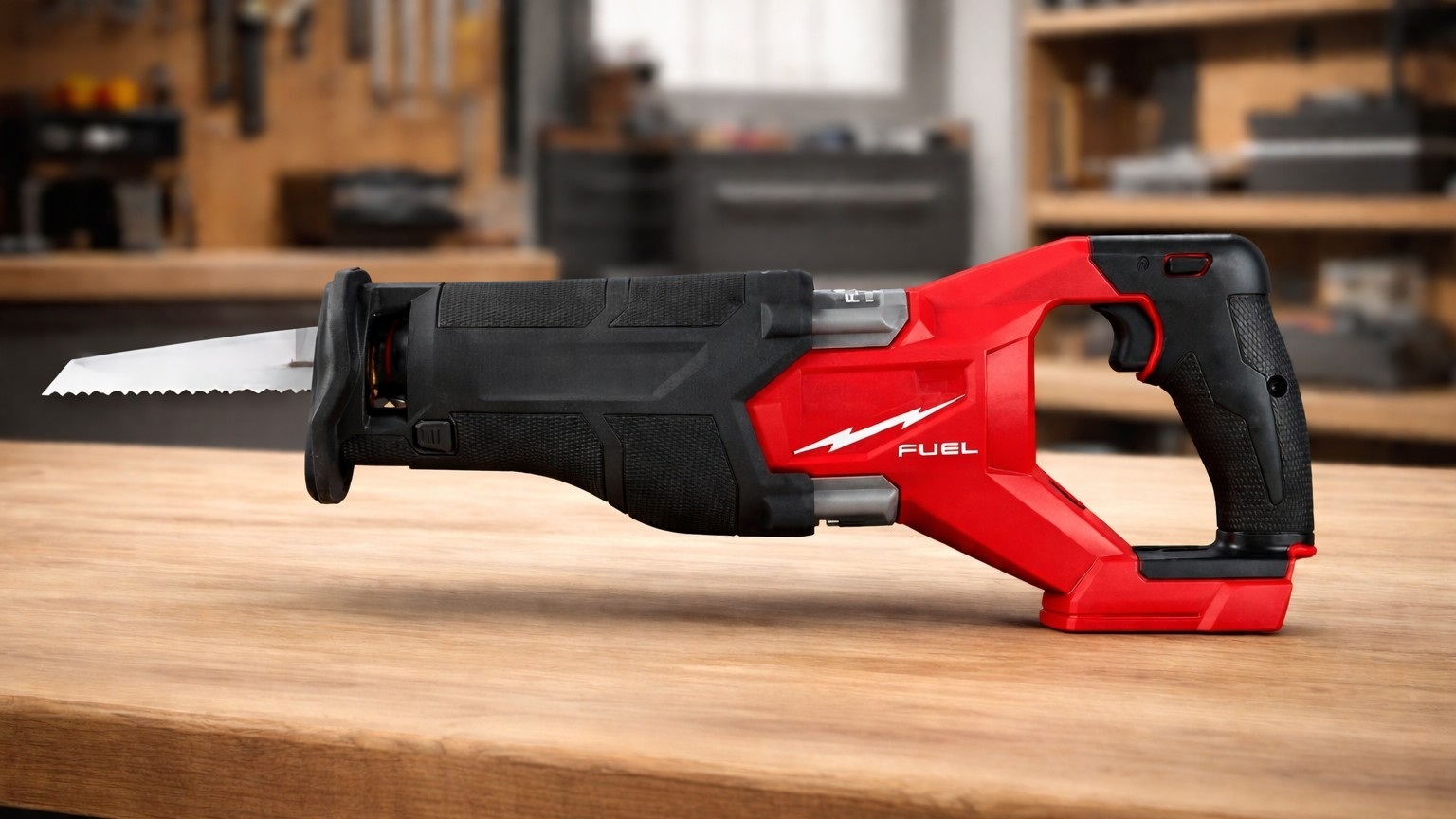
Milwaukee 2822-20 Sawzall Reciprocating Saw
A heavier-duty cordless recip saw that leans into demanding demolition, thicker stock, and fast material removal, with the kind of authority pros notice when cuts get rough and resistance builds.
- Feels more confident when cutting thicker material, mixed demolition layers, and harder stock
- Stronger choice when speed under load matters more than keeping overall tool weight down
- Good fit for crews already invested in a broad M18 jobsite lineup
VS
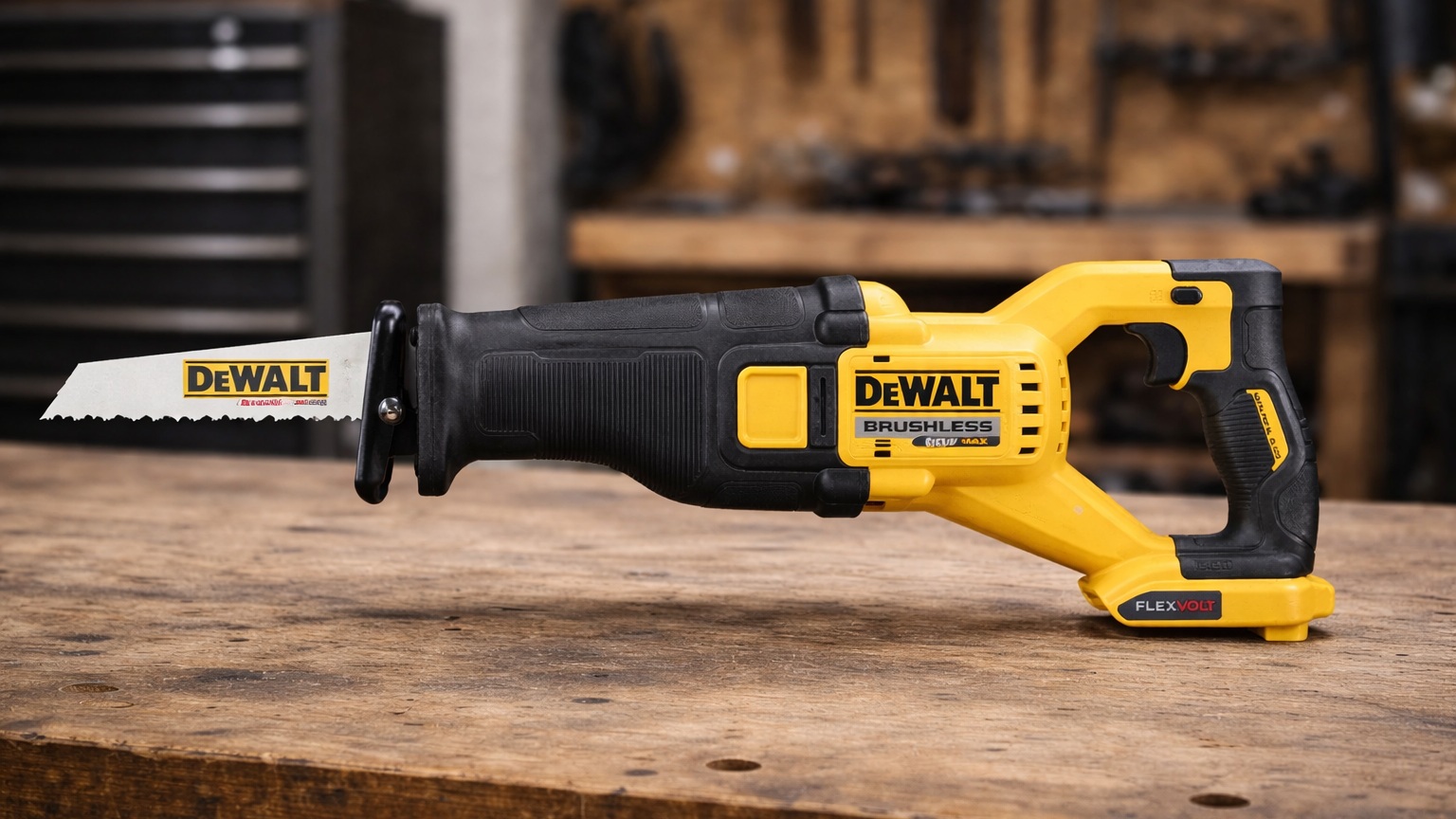
DeWalt DCS389B Reciprocating Saw
A powerful pro-grade recip saw that balances strong cutting performance with a familiar jobsite feel, making it attractive for demanding work without giving up everyday usability.
- Delivers serious cutting ability while feeling a bit more straightforward for general jobsite rotation
- Strong option for pros who want high-output performance without overcommitting to the heaviest-duty feel
- Smart fit if your cordless setup already centers on DeWalt 20V MAX batteries and chargers
Power under load
More headroom in tougher cuts
Very strong, jobsite-ready
Milwaukee 2822-20
Control & clutch consistency
Excellent stability in rough work
Very good, predictable feel
Milwaukee 2822-20
Ergonomics (feel + fatigue)
Capable, but more tool to manage
Slightly easier to live with all day
DeWalt DCS389B
Value (typical kit pricing)
Premium-positioned
Often the easier value case
DeWalt DCS389B
Battery ecosystem depth
Massive pro lineup
Large, well-supported range
Milwaukee 2822-20
Real-world context
This comparison reflects a synthesis of professional reviews, manufacturer data, long-term user feedback, and use-case patterns to highlight how each reciprocating saw typically performs in everyday projects.
Milwaukee — Why people choose it
- More confidence when the work shifts toward thicker metal, rough demolition, or stubborn material stacks
- Feels built for users who prioritize cutting authority and a more planted, heavy-duty character
- Deep M18 lineup if your kit will expand into grinders, impacts, lights, and other trade-focused tools
DeWalt — Why people choose it
- Strong everyday performance with a more accessible value story (especially for existing 20V MAX users)
- Comfortable choice for pros who want high output without as much heavy-tool character
- Broad 20V MAX ecosystem and easy availability on jobsites and supply runs
Verdict: Choose Milwaukee 2822-20 if your work leans harder into demanding demolition, thicker material, and repeated heavy cuts where extra authority under load matters most. Choose DeWalt DCS389B if you want a powerful pro recip saw with a slightly easier day-to-day feel, strong overall value, and a simpler fit for crews already built around the 20V MAX platform.