
Oil Filters Buying Guide for Repair Shop Estimate Reviews
A repair estimate for oil filters can bundle parts, labor, related components, and warranty terms in ways that make comparison hard.
This guide helps you read the quote, ask better questions, and understand whether the recommended oil filter choice fits the vehicle and repair scope.
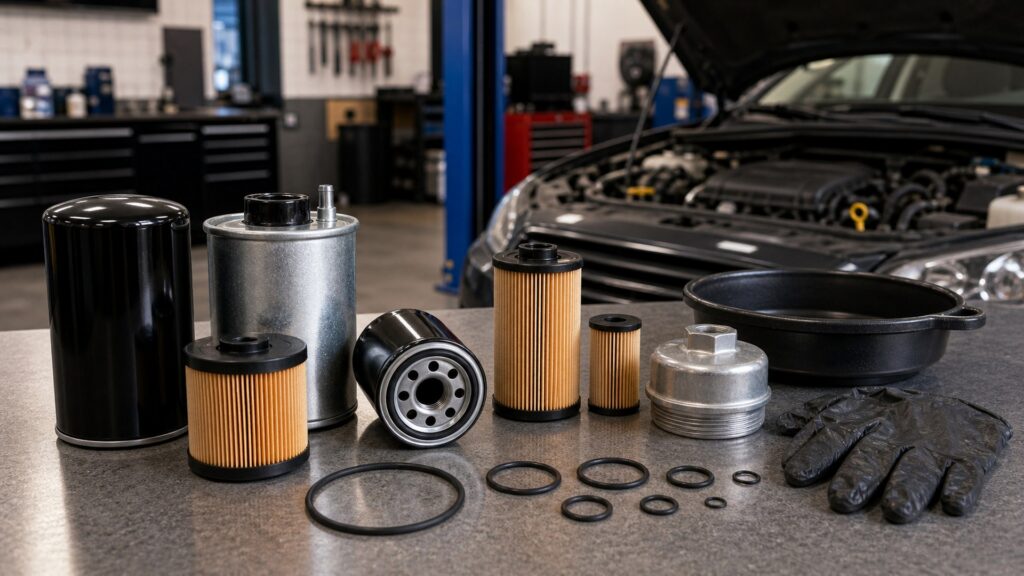
Buying framework
How to think about buying oil filters for estimate review
Review the estimate line by line: part quality, related hardware, labor assumptions, warranty, and what happens if hidden wear appears. For oil filters, the gasket diameter, thread or cartridge cap style, bypass valve calibration, and anti-drainback design decide whether the filter belongs on the engine. For estimate review, compare the repair scope rather than just the part line.
Read the estimate as a scope: A quote for oil filters should show part grade, labor, related hardware, fluids or supplies, and warranty separately. For oil filters, the gasket diameter, thread or cartridge cap style, bypass valve calibration, and anti-drainback design decide whether the filter belongs on the engine. For estimate review, compare the repair scope rather than just the part line.
Ask what failed: The shop should explain why the oil filter is recommended and what evidence was found during inspection. A spin-on can that appears correct can still leak, drain back, or bypass too early if the gasket seat or valve design does not match the engine. Ask what evidence supports the recommendation and which related parts are included or declined.
Compare included parts: Two estimates for oil filters may differ because one includes bypass valve, anti-drainback valve, clips, seals, or cleanup and the other does not. Cartridge-filter service depends on O-ring placement, cap torque, media height, and housing condition as much as the replacement element itself. Warranty terms matter most when they explain labor, comeback handling, and what happens if hidden wear appears.
Clarify comeback coverage: Ask how the shop handles noise, leaks, fitment, restriction, or wear issues after the oil filter is installed. A useful oil-filter listing separates media efficiency, dirt capacity, bypass setting, anti-drainback material, and engine-specific fit notes. For estimate review, compare the repair scope rather than just the part line.
Judge the whole repair: The best estimate is not always the cheapest oil filter line; it is the one that covers the real cause and likely related wear. Before installation, compare the old filter, gasket, cartridge height, and housing cap so a routine oil change does not become a leak diagnosis. Ask what evidence supports the recommendation and which related parts are included or declined.
Who this is for
Match oil filters to the vehicle, repair goal, and buyer situation
Use these profiles for estimate review decisions. For oil filters, the gasket diameter, thread or cartridge cap style, bypass valve calibration, and anti-drainback design decide whether the filter belongs on the engine. Warranty terms matter most when they explain labor, comeback handling, and what happens if hidden wear appears.
Non-DIY vehicle owner: Use this guide to understand whether the proposed oil filters grade and related parts make sense. For oil filters, the gasket diameter, thread or cartridge cap style, bypass valve calibration, and anti-drainback design decide whether the filter belongs on the engine. Warranty terms matter most when they explain labor, comeback handling, and what happens if hidden wear appears.
Second-opinion shopper: Compare estimates by scope, not just the quoted oil filter price. A spin-on can that appears correct can still leak, drain back, or bypass too early if the gasket seat or valve design does not match the engine. For estimate review, compare the repair scope rather than just the part line.
Warranty-aware customer: Ask whether the shop warranty on oil filters covers parts, labor, diagnosis, and replacement timing. Cartridge-filter service depends on O-ring placement, cap torque, media height, and housing condition as much as the replacement element itself. Ask what evidence supports the recommendation and which related parts are included or declined.
Fleet or family manager: Standardize the quality tier for oil filter repairs when multiple vehicles need predictable service. A useful oil-filter listing separates media efficiency, dirt capacity, bypass setting, anti-drainback material, and engine-specific fit notes. Warranty terms matter most when they explain labor, comeback handling, and what happens if hidden wear appears.
Budget-constrained owner: Ask which oil filters items are required now and which can safely wait. Before installation, compare the old filter, gasket, cartridge height, and housing cap so a routine oil change does not become a leak diagnosis. For estimate review, compare the repair scope rather than just the part line.
What to pay attention to
Which oil filter specs actually matter
Prioritize specs that change estimate review outcomes. For oil filters, the gasket diameter, thread or cartridge cap style, bypass valve calibration, and anti-drainback design decide whether the filter belongs on the engine. Ask what evidence supports the recommendation and which related parts are included or declined.
Practical-feel specifications
In estimate review, startup noise control, oil pressure stability, leak-free gasket seating shape the driver's first signs that the oil filter choice worked. For oil filters, the gasket diameter, thread or cartridge cap style, bypass valve calibration, and anti-drainback design decide whether the filter belongs on the engine. For estimate review, compare the repair scope rather than just the part line.
Capability specifications
For oil filters, media efficiency, dirt capacity, bypass valve calibration matter when climate, workload, or old related parts add stress. A spin-on can that appears correct can still leak, drain back, or bypass too early if the gasket seat or valve design does not match the engine. Ask what evidence supports the recommendation and which related parts are included or declined.
Part grade on the quote: The estimate should identify whether oil filters are economy, OE-equivalent, coated, complete, or premium. For oil filters, the gasket diameter, thread or cartridge cap style, bypass valve calibration, and anti-drainback design decide whether the filter belongs on the engine. Ask what evidence supports the recommendation and which related parts are included or declined.
Related parts list: Look for bypass valve, anti-drainback valve, clips, seals, fluid, cleaning, or adjustment items tied to the oil filter. A spin-on can that appears correct can still leak, drain back, or bypass too early if the gasket seat or valve design does not match the engine. Warranty terms matter most when they explain labor, comeback handling, and what happens if hidden wear appears.
Labor assumptions: Labor for oil filters may change if corrosion, seized hardware, or damaged mating surfaces are present. Cartridge-filter service depends on O-ring placement, cap torque, media height, and housing condition as much as the replacement element itself. For estimate review, compare the repair scope rather than just the part line.
Warranty terms: Part and labor warranty on a oil filter repair can differ, so ask how claims are handled. A useful oil-filter listing separates media efficiency, dirt capacity, bypass setting, anti-drainback material, and engine-specific fit notes. Ask what evidence supports the recommendation and which related parts are included or declined.
Diagnostic evidence: Photos, measurements, trouble codes, or inspection notes make a oil filters recommendation easier to trust. Before installation, compare the old filter, gasket, cartridge height, and housing cap so a routine oil change does not become a leak diagnosis. Warranty terms matter most when they explain labor, comeback handling, and what happens if hidden wear appears.
Avoid these traps
Common mistakes people make when buying oil filters
Estimate review fails when fit or context is skipped. Cartridge-filter service depends on O-ring placement, cap torque, media height, and housing condition as much as the replacement element itself. Warranty terms matter most when they explain labor, comeback handling, and what happens if hidden wear appears.
Comparing only the bottom line: A cheaper oil filter estimate can omit hardware, cleaning, warranty, or related service. Cartridge-filter service depends on O-ring placement, cap torque, media height, and housing condition as much as the replacement element itself. Warranty terms matter most when they explain labor, comeback handling, and what happens if hidden wear appears.
Approving vague parts: Ask what brand or grade of oil filters is being installed and why it fits your vehicle use. A useful oil-filter listing separates media efficiency, dirt capacity, bypass setting, anti-drainback material, and engine-specific fit notes. For estimate review, compare the repair scope rather than just the part line.
Ignoring declined work: If the shop recommends related items around the oil filter, understand whether declining them affects warranty or results. Before installation, compare the old filter, gasket, cartridge height, and housing cap so a routine oil change does not become a leak diagnosis. Ask what evidence supports the recommendation and which related parts are included or declined.
Missing labor exclusions: Rust, broken fasteners, fluid flushes, or extra diagnostics can change the final oil filters bill. For oil filters, the gasket diameter, thread or cartridge cap style, bypass valve calibration, and anti-drainback design decide whether the filter belongs on the engine. Warranty terms matter most when they explain labor, comeback handling, and what happens if hidden wear appears.
Assuming all warranties match: One shop may warranty the oil filter only, while another covers labor and related adjustments. A spin-on can that appears correct can still leak, drain back, or bypass too early if the gasket seat or valve design does not match the engine. For estimate review, compare the repair scope rather than just the part line.
Decision guidance
Which type of oil filter purchase is right for you
Use the repair evidence before choosing a part tier. Cartridge-filter service depends on O-ring placement, cap torque, media height, and housing condition as much as the replacement element itself. Ask what evidence supports the recommendation and which related parts are included or declined.
Approve when evidence is clear: A oil filters estimate is easier to approve when the inspection evidence and part grade are documented. Cartridge-filter service depends on O-ring placement, cap torque, media height, and housing condition as much as the replacement element itself. Ask what evidence supports the recommendation and which related parts are included or declined.
Ask for options when use is ordinary: If the vehicle is a normal commuter, ask whether an OE-equivalent oil filter is enough. A useful oil-filter listing separates media efficiency, dirt capacity, bypass setting, anti-drainback material, and engine-specific fit notes. Warranty terms matter most when they explain labor, comeback handling, and what happens if hidden wear appears.
Pay more when labor risk is high: A complete or coated oil filter can be worth it when repeat labor would be expensive. Before installation, compare the old filter, gasket, cartridge height, and housing cap so a routine oil change does not become a leak diagnosis. For estimate review, compare the repair scope rather than just the part line.
Delay when diagnosis is thin: If the estimate does not explain why oil filters are needed, request more inspection detail. For oil filters, the gasket diameter, thread or cartridge cap style, bypass valve calibration, and anti-drainback design decide whether the filter belongs on the engine. Ask what evidence supports the recommendation and which related parts are included or declined.
Compare apples to apples: Line up part grade, included hardware, warranty, and labor before judging the oil filter price. A spin-on can that appears correct can still leak, drain back, or bypass too early if the gasket seat or valve design does not match the engine. Warranty terms matter most when they explain labor, comeback handling, and what happens if hidden wear appears.
Ownership & compatibility
What you are really buying into with oil filters
Keep records, related parts, and support in view. Cartridge-filter service depends on O-ring placement, cap torque, media height, and housing condition as much as the replacement element itself. For estimate review, compare the repair scope rather than just the part line.
Keep the invoice details: Save the oil filters part numbers, warranty terms, and mileage for future claims. Cartridge-filter service depends on O-ring placement, cap torque, media height, and housing condition as much as the replacement element itself. For estimate review, compare the repair scope rather than just the part line.
Ask about follow-up checks: Some oil filter repairs should be rechecked after bedding, bleeding, settling, or initial use. A useful oil-filter listing separates media efficiency, dirt capacity, bypass setting, anti-drainback material, and engine-specific fit notes. Ask what evidence supports the recommendation and which related parts are included or declined.
Track declined related work: If you skip adjacent parts, note that future symptoms may not be the new oil filter. Before installation, compare the old filter, gasket, cartridge height, and housing cap so a routine oil change does not become a leak diagnosis. Warranty terms matter most when they explain labor, comeback handling, and what happens if hidden wear appears.
Understand warranty boundaries: Know whether outside parts, reused hardware, or declined services affect the oil filters warranty. For oil filters, the gasket diameter, thread or cartridge cap style, bypass valve calibration, and anti-drainback design decide whether the filter belongs on the engine. For estimate review, compare the repair scope rather than just the part line.
Use records for resale: Documented oil filter service helps the next owner or shop understand what was replaced. A spin-on can that appears correct can still leak, drain back, or bypass too early if the gasket seat or valve design does not match the engine. Ask what evidence supports the recommendation and which related parts are included or declined.
FAQ
Oil filters buying guide FAQ
Focused answers for estimate review decisions. Cartridge-filter service depends on O-ring placement, cap torque, media height, and housing condition as much as the replacement element itself. Warranty terms matter most when they explain labor, comeback handling, and what happens if hidden wear appears.
What should a oil filters estimate show?
Why do estimates for oil filters vary so much?
What question should I ask before approving the oil filter?
Is customer-supplied oil filter cheaper?
How do I compare two shop quotes?
Bottom line
The simplest way to choose oil filters
Choose by fit, evidence, and repair risk. Cartridge-filter service depends on O-ring placement, cap torque, media height, and housing condition as much as the replacement element itself. Ask what evidence supports the recommendation and which related parts are included or declined.
Read scope before price: A useful oil filters estimate separates part grade, labor, related items, and warranty. Cartridge-filter service depends on O-ring placement, cap torque, media height, and housing condition as much as the replacement element itself. Ask what evidence supports the recommendation and which related parts are included or declined.
Ask for evidence: The shop should show why the oil filter is needed and what nearby wear was found. A useful oil-filter listing separates media efficiency, dirt capacity, bypass setting, anti-drainback material, and engine-specific fit notes. Warranty terms matter most when they explain labor, comeback handling, and what happens if hidden wear appears.
Compare equal quotes: Line up bypass valve, anti-drainback valve, cleaning, labor assumptions, and warranty before judging totals. Before installation, compare the old filter, gasket, cartridge height, and housing cap so a routine oil change does not become a leak diagnosis. For estimate review, compare the repair scope rather than just the part line.
Know warranty boundaries: Ask whether the oil filter warranty covers parts only, labor too, or only certain failure types. For oil filters, the gasket diameter, thread or cartridge cap style, bypass valve calibration, and anti-drainback design decide whether the filter belongs on the engine. Ask what evidence supports the recommendation and which related parts are included or declined.
Final estimate check: Approve the oil filters repair when the diagnosis, part choice, and scope all make sense together. A spin-on can that appears correct can still leak, drain back, or bypass too early if the gasket seat or valve design does not match the engine. Warranty terms matter most when they explain labor, comeback handling, and what happens if hidden wear appears.
Reading Shortcuts
Jump to the sections that matter most for choosing oil filters.
Decision Reminders
A quick checklist before you commit to oil filters.
- Confirm the old part: Use the removed part, OE number, or service data to verify the catalog listing.
- Check included hardware: Missing clips, springs, seals, brackets, or fasteners can change the real cost.
- Inspect nearby wear: Do not expect a new oil filter to solve problems caused by related components.
- Read warranty details: Know the claim process, exclusions, and whether labor is covered.
- Plan the install: Cleaning, torque, direction, bleeding, bedding, or adjustment steps matter after purchase.
Glossary Snippets
Quick translations for terms that confuse replacement-part buyers.
When to Use a Top 10 Review
Use this format when you want a faster way to narrow the field.
- You are early in the process: A Top 10 can separate common oil filters by fitment confidence, completeness, and value.
- You want a shortlist: Ranked picks help organize budget, OE-style, complete-kit, and harsh-use options.
- You need category context: It is useful when you still need to understand the major choices before comparing two parts.
Already down to 2-3 options? A Comparison is usually faster than broad buying advice.
When to Use a Comparison
Ideal once you have a shortlist and need clear, practical tradeoffs.
- You narrowed it to 2-3 options: A comparison makes differences in fit notes, included hardware, warranty, and total repair cost easier to see.
- You are checking the quote: Side-by-side tradeoffs help determine whether a recommended part grade is justified.
- You are ready to decide: Use a comparison when the vehicle fit is known and the final choice is about value and risk.
Still exploring? Start with a Top 10 to identify the right oil filter category first.