Orbital action jigsaws and straight cutting jigsaws differ in speed, control, and finish quality. This comparison examines real-world performance, highlighting tradeoffs to help you choose the right approach.

Reviews You Can Trust
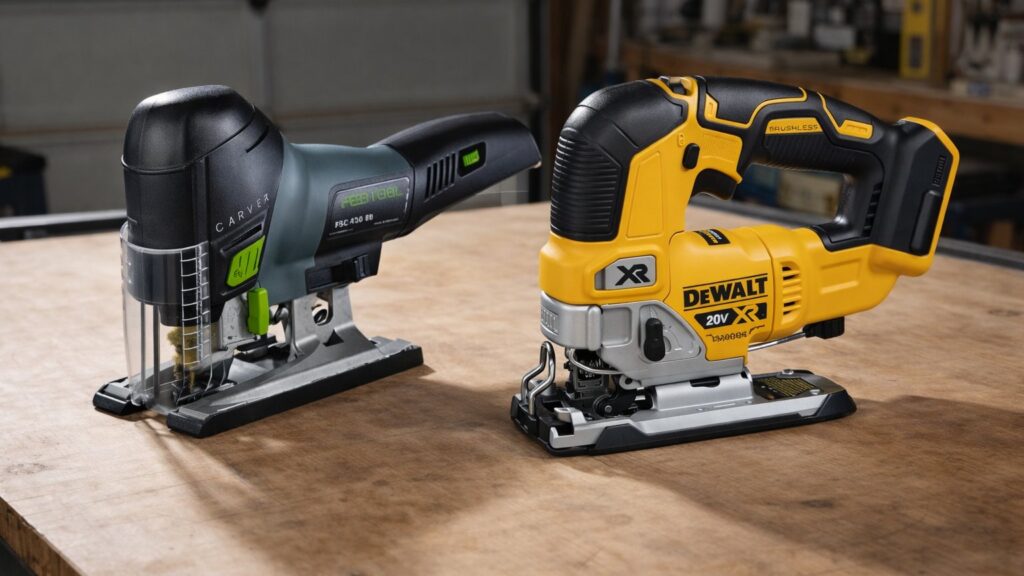
Head-to-head
Orbital Action Jigsaws vs Straight Cutting Jigsaws: Key Differences Explained
A clear A/B comparison of what matters in real work: cut speed, finish quality, control through curves, behavior in thicker stock, and which jigsaw style fits the job instead of forcing a one-size-fits-all choice.
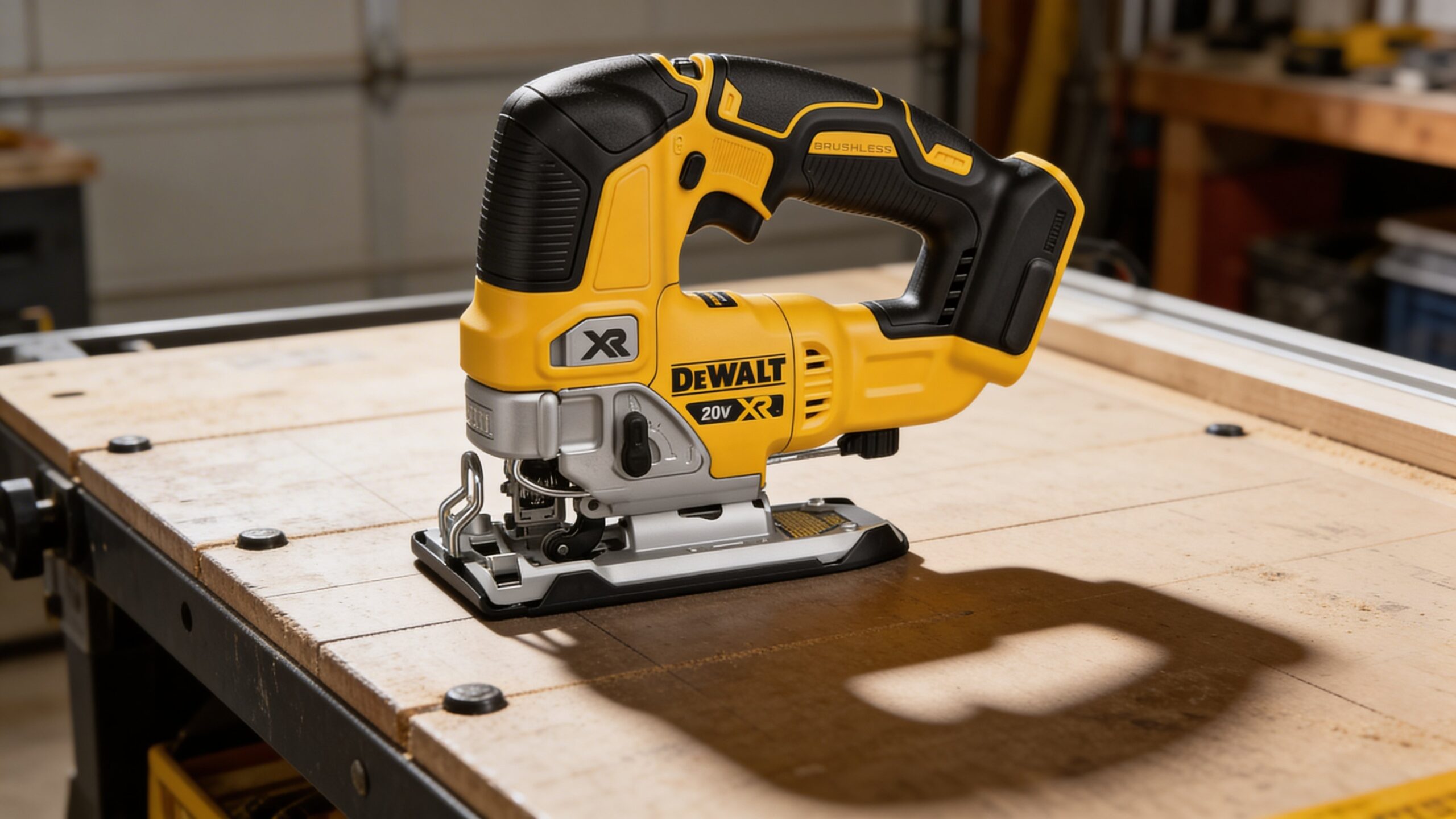
Orbital Action Jigsaw
The faster, more aggressive option when productivity matters most. It suits rougher wood cutting, thicker stock, and jobs where speed matters more than the cleanest possible edge.
- Cuts wood faster by adding forward blade motion during the stroke
- Usually the better fit for framing, rough cuts, and thicker material
- Often leaves a rougher edge than straight-cut mode in finish-sensitive work
VS
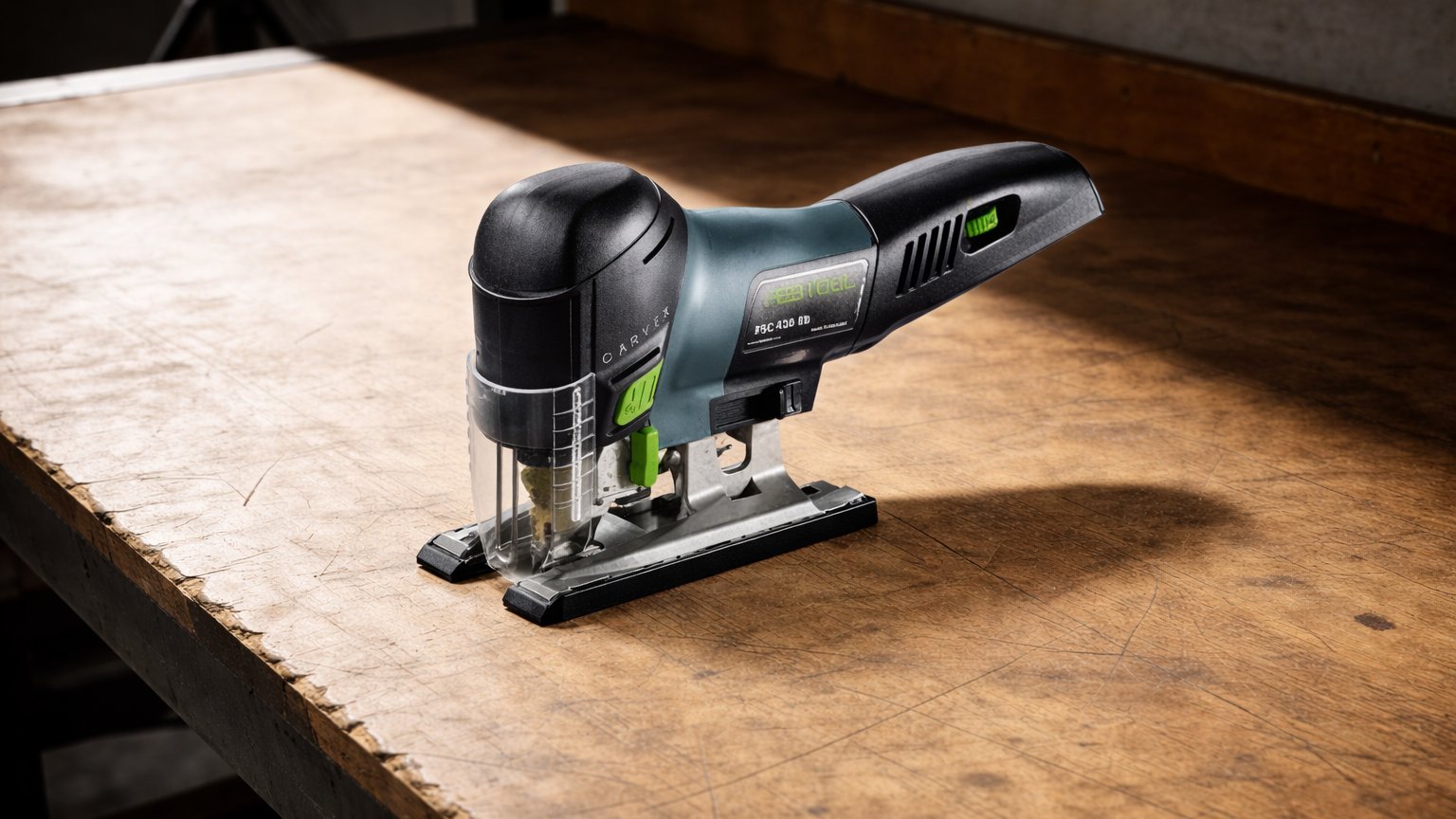
Straight Cutting Jigsaw
The cleaner, more controlled approach for accuracy-first work. It favors better finish quality, more predictable line tracking, and materials where reduced tear-out matters more than raw speed.
- Better suited to laminates, finish work, and cleaner visible edges
- Feels more controlled when accuracy matters more than cutting speed
- Usually the smarter choice for metal, plastics, and detail-oriented cuts
Power under load
More aggressive bite in wood
Smoother, less forceful feel
Orbital Action
Control & clutch consistency
Good, but more lively
Excellent line control
Straight Cutting
Ergonomics (feel + fatigue)
Faster progress, more vibration
Calmer, more deliberate feel
Straight Cutting
Value (typical kit pricing)
More versatile for general woodwork
Best value in finish-focused tasks
Orbital Action
Battery ecosystem depth
Common across many pro models
Usually just orbital-off mode
Orbital Action
Real-world context
This comparison reflects a synthesis of professional reviews, manufacturer data, long-term user feedback, and use-case patterns to highlight how each jigsaw style typically performs in everyday projects.
Orbital Action Jigsaws — Why people choose it
- Faster cutting in wood when clean finish quality is not the top priority
- Better suited to thicker stock, rough framing tasks, and jobsite productivity
- More versatile as an everyday wood-cutting setup for general-purpose use
Straight Cutting Jigsaws — Why people choose it
- Cleaner edges and more predictable tracking (especially in finish work)
- Smarter fit for metal, plastics, laminates, and slower precision cuts
- Easier to control when cut quality matters more than rapid material removal
Verdict: Choose Orbital Action Jigsaws if your work leans toward faster wood cutting, thicker stock, and general jobsite productivity where speed matters most. Choose Straight Cutting Jigsaws if your priority is cleaner edges, better line control, and more finish-friendly results in visible materials, metal, plastic, or accuracy-focused cuts.