Orbital action and straight stroke reciprocating saws differ in cutting motion, speed, and control. This comparison examines how each performs across materials, highlighting practical tradeoffs that influence real-world cutting decisions.

Reviews You Can Trust
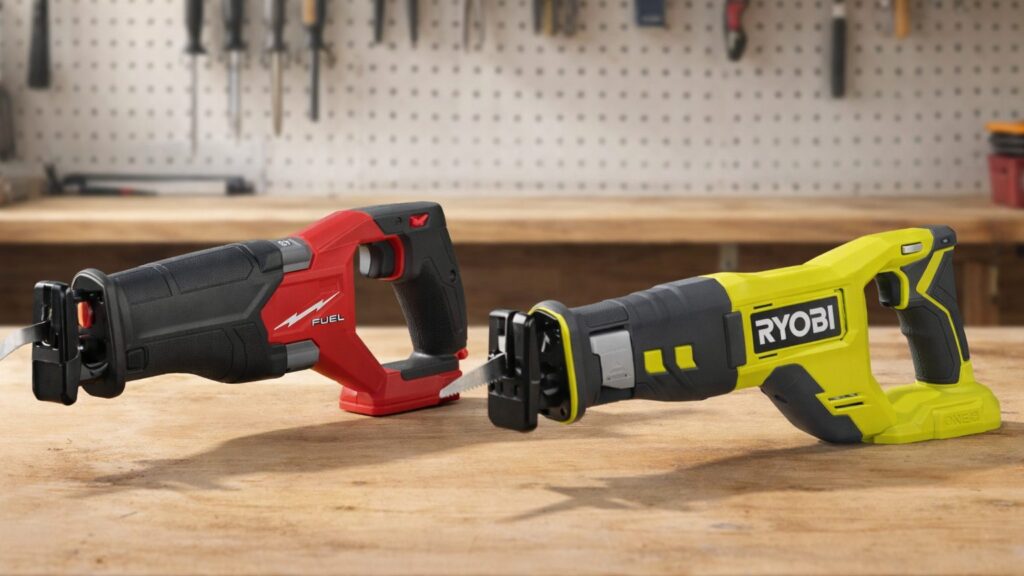
Head-to-head
Orbital Action vs Straight Stroke Reciprocating Saws: Key Differences Explained
A clean A/B view of what matters in real cutting: removal speed in wood, control in metal and finish-sensitive work, vibration feel, versatility across tasks, and which stroke pattern makes more sense for the way pros actually use a reciprocating saw.
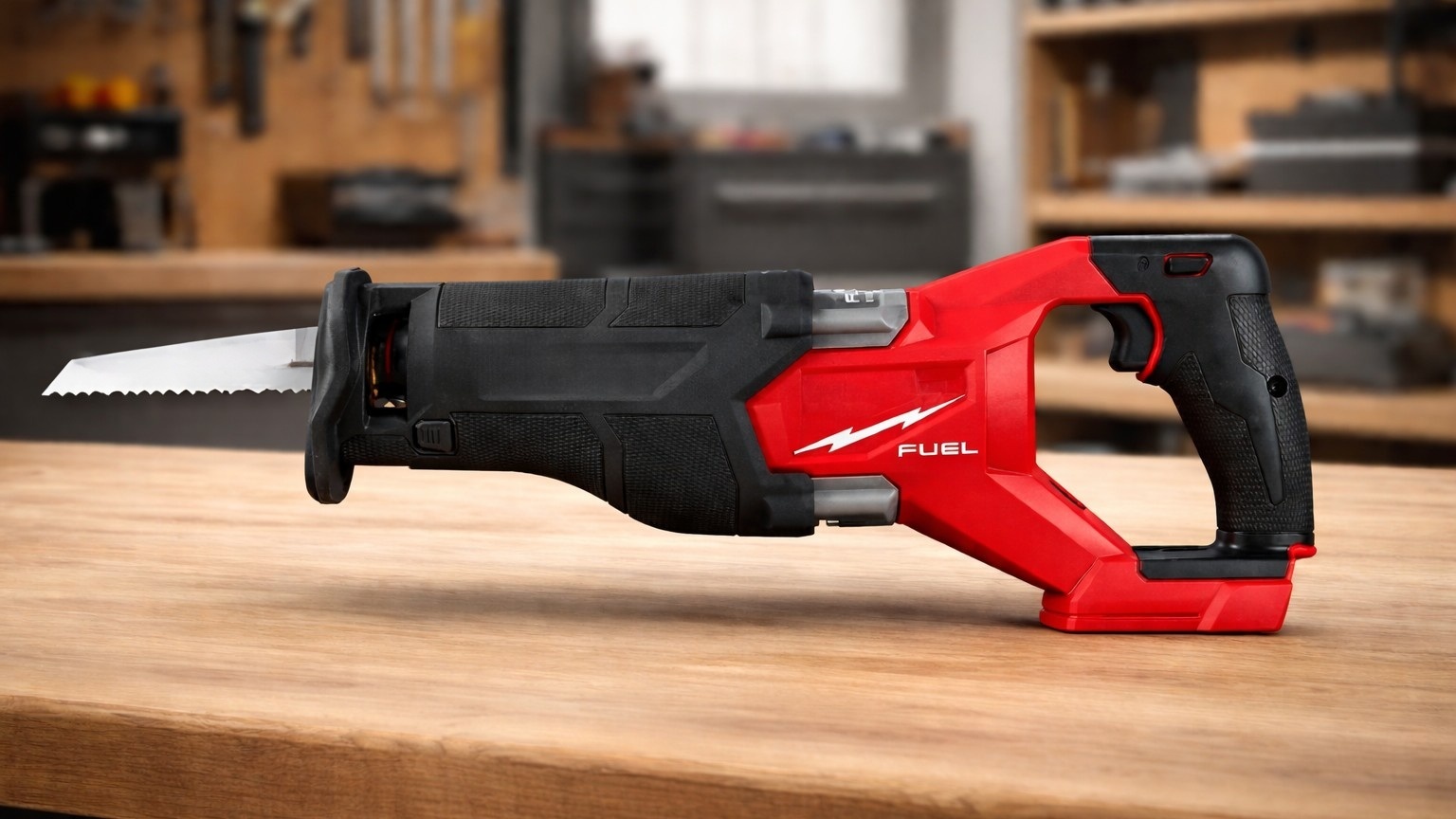
Orbital action reciprocating saw
Tuned for faster material removal in wood-heavy demolition, orbital action adds a more aggressive cutting feel that favors speed over refinement when the job is rough and open.
- Usually feels faster in framing lumber, nail-embedded stock, and general tear-out work
- Less ideal when the cut needs to stay calm, precise, or easy to track in thinner material
- Best fit when speed matters more than finesse on the typical job
VS
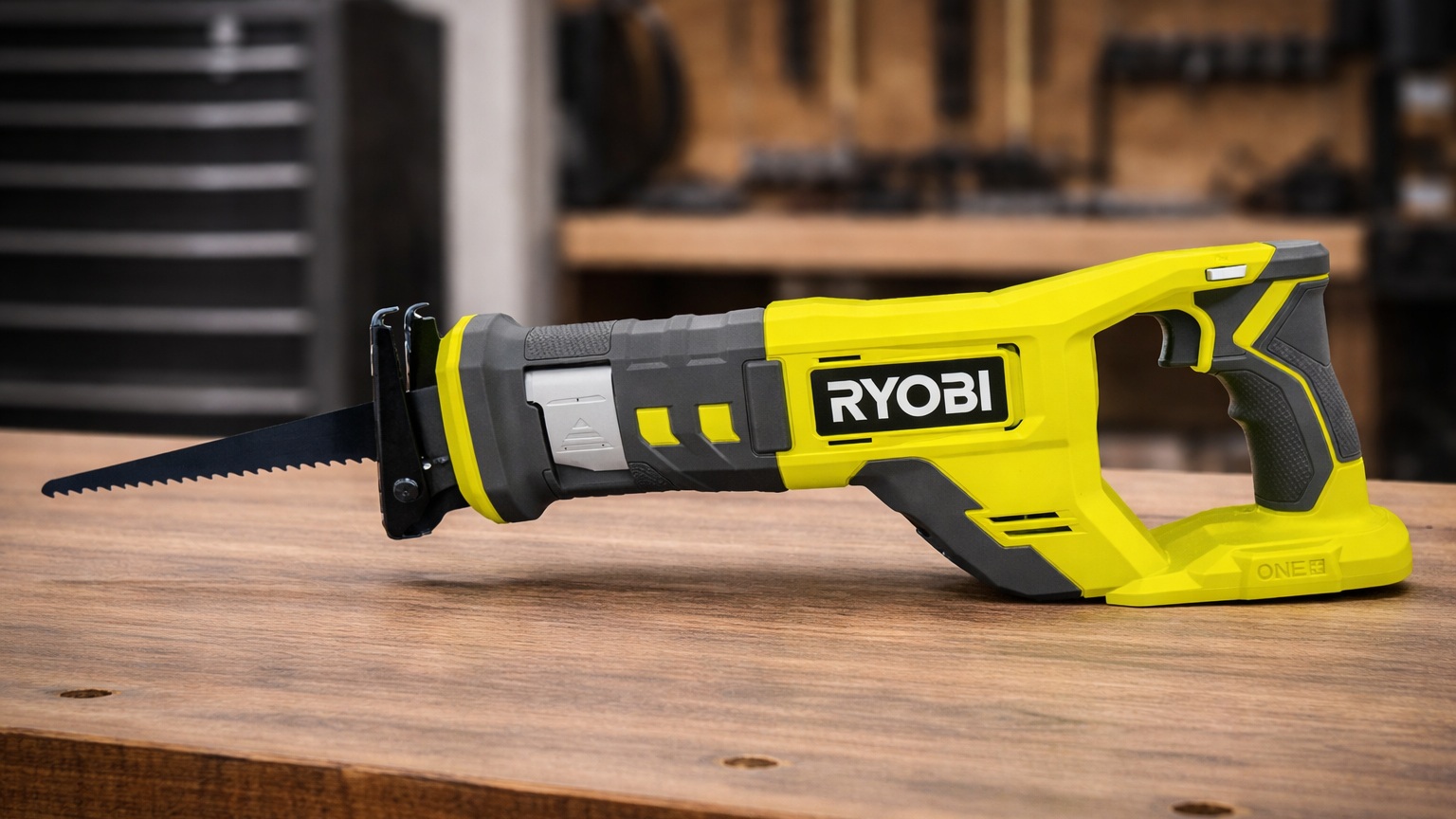
Straight stroke reciprocating saw
A more controlled, predictable cutting style that suits mixed-material work, cleaner starts, and jobs where tracking the blade matters as much as outright cutting speed.
- Easier to manage in metal, PVC, overhead cuts, and tighter spaces where wander shows up fast
- More predictable feel for plunge starts and cuts that need better line control
- Smarter default choice when one saw has to cover a wider mix of tasks
Cut speed in wood demolition
Typically faster
Steady, less aggressive
Orbital Action
Control & tracking
More active feel
Cleaner, easier to place
Straight Stroke
Ergonomics (feel + fatigue)
Can feel busier
Usually calmer in hand
Straight Stroke
Versatility across materials
Best when wood dominates
Broader all-around range
Straight Stroke
Best use-case focus
Speed-first demo work
Controlled mixed-material cutting
Straight Stroke
Real-world context
This comparison reflects common professional use patterns, manufacturer positioning, long-term user feedback, and the practical tradeoff between faster rough cutting and more controlled all-around performance.
Orbital Action — Why people choose it
- Faster-feeling progress in demolition cuts through framing lumber and rough wood assemblies
- Useful when speed matters more than cut neatness or fine control (especially in tear-out)
- Appeals to crews who treat the reciprocating saw mainly as an aggressive demo tool
Straight Stroke — Why people choose it
- More predictable blade path for metal, plastic, remodel cuts, and tighter working positions
- Better all-around behavior when one saw needs to cover demolition and more controlled cutting
- Easier recommendation for pros who value consistency and versatility over maximum wood-cutting speed
Verdict: Choose Straight Stroke if you want the more versatile pro setup for mixed materials, better control, and a calmer feel in everyday work. Choose Orbital Action if your reciprocating saw is mainly a demolition tool and faster wood cutting matters more than finesse, tracking, or broad-use flexibility.