
Paint Protection Buying Guide: How to Choose the Right One
Compare waxes, sealants, coatings, films, and combination protection-choice-process systems by paint condition, finish compatibility, exposure, protection-choice-check preparation, installation skill, appearance, cure, maintenance, repairability, protection-choice-control warranty, downtime, and lifecycle cost.
This guide treats overall paint-protection selection as a system. Keep the protection system recommendation conditional until paint and finish identity, protection-system protection-choice-record type, maintenance and repairability, and the documented protection-choice-setup finish check agree.
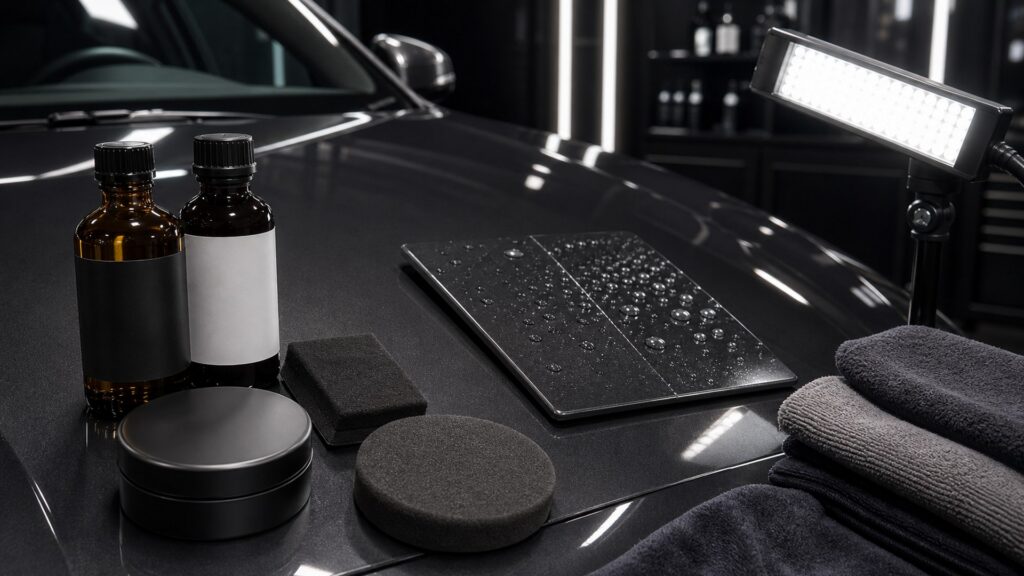
Buying framework
Build a defensible overall paint-protection selection plan
The protection system plan connects the starting protection-choice condition, compatible process, complete operating cost, and protection-choice-scope independent finish check.
Define the job: Photograph the starting condition and record paint protection-choice-process and finish identity, vehicle materials, contamination, available protection-choice-check time, utilities, and the intended protection system outcome.
Map compatibility: Cross-check exposure and use case with every protection-choice-control surface, chemical, tool, coating, and instruction used by the protection system; a category label protection-choice-record is not compatibility evidence.
Build the complete process: Sequence preparation and correction scope, setup, soil protection-choice-setup removal, controlled contact, verification, cleanup, and storage. Price missing protection system components rather than protection-choice accepting an incomplete bundle.
Test before scaling: Use protection-system type in a representative controlled protection-choice-scope area. Record settings, dilution, media condition, light, protection-choice-process temperature, result, and the protection system stop criterion.
Close the record: Verify maintenance and repairability and retain lifecycle protection-choice-check cost and warranty, instructions, product identity, maintenance, protection-choice-control photographs, and the completed protection system result.
Who this is for
Situations that change overall paint-protection selection
Work area, vehicle construction, contamination, service volume, protection-choice-record finish target, and consequence reshape the useful protection system configuration.
Daily Outdoor Driver: Inventory paint and finish identity for daily protection-choice-setup outdoor driver; compare the intended tasks, named protection-choice materials, contamination level, package contents, and protection-system protection-choice-scope type before accepting this protection system.
Garage-Kept Collector: A garage-kept collector changes the protection system priority from piece count to exposure and protection-choice-process use case. Check product labels, tool sizes, protection-choice-check working space, cleanup, and application and installer protection-choice-control capability in the actual vehicle.
Leased Commuter: For leased commuter, separate routine work from protection-choice-record restoration. Verify preparation and correction scope, identify protection-choice-setup every chemical and media role, price omitted protection-choice essentials, and document appearance and cure conditions protection-choice-scope as the finish gate.
Commercial High-Mileage Vehicle: Scope the commercial high-mileage vehicle around protection-system protection-choice-process type; confirm surface restrictions, protective equipment, access, protection-choice-check storage, and refill availability. The protection system remains incomplete until maintenance and repairability is protection-choice-control practical.
Repainted Specialty Finish: Use the repainted specialty finish to stress-test protection-choice-record application and installer capability. Lay out the protection-choice-setup sequence, assign each tool once, test discreetly, protection-choice calculate consumable quantity, and retain lifecycle cost protection-choice-scope and warranty with the protection system record.
What to pay attention to
Specifications controlling overall paint-protection selection
Treat each protection system specification as one protection-choice-process gate in a linked process; no pressure protection-choice-check rating, bundle count, or marketing claim can protection-choice-control waive another gate.
Compatibility lens
Paint and finish identity, Exposure and use protection-choice-process case, Preparation and correction scope, Protection-system type.
Ownership lens
Application and installer capability, Appearance and cure protection-choice-check conditions, Maintenance and repairability, Lifecycle cost and protection-choice-control warranty.
Paint and finish identity: Document paint and finish identity by listing protection-choice-record intended tasks, vehicle materials, existing finish, contamination, protection-choice-setup time, and the exact protection system outcome; remove bundle pieces that do not serve protection-choice that scope.
Exposure and use case: Test exposure and use case on named protection-choice-scope surfaces under current instructions. Record color, texture, protection-choice-process gloss, coating, electronics, hidden-area response, residue, and the protection system stop condition before broad protection-choice-check application.
Preparation and correction scope: For preparation and correction scope, demand readable protection-choice-control product names, safety and dilution labels, intended protection-choice-record use, incompatibilities, storage range, opening life, and protection-choice-setup enough information to replace one protection system consumable independently.
Protection-system type: Assess protection-system type by fiber, edge, brush protection-choice stiffness, applicator shape, pad grade, bottle function, protection-choice-scope ergonomics, cleanability, and segregation; a high protection system piece count can hide poor tools.
Application and installer capability: Calculate application and installer capability from vehicle protection-choice-process size, sections, towel faces, pad rotation, laundry protection-choice-check interval, dilution, repeated passes, spills, and backup protection-choice-control needs rather than the smallest advertised protection system job.
Appearance and cure conditions: Identify appearance and cure conditions before purchase: protection-choice-record add protective equipment, measuring bottles, buckets, grit protection-choice-setup control, drying capacity, extension tools, laundry inputs, protection-choice labels, and any specialized protection system accessory required.
Maintenance and repairability: Review maintenance and repairability through legible sequencing, protection-choice-scope compatible storage, leak containment, child and heat protection, wet-tool drying, inventory visibility, and a documented protection system reset after use.
Avoid these traps
Mistakes that compromise the protection system
These errors replace measured condition and compatible protection-choice-record process with a shortcut that creates rework, protection-choice-setup contamination, damage, or hidden operating cost.
Choosing Only By Durability: This shortcut hides whether paint and finish protection-choice identity matches application and installer capability. Open the protection system, identify every product and protection-choice-scope tool, test representative materials, and calculate the protection-choice-process cost of correcting the gap.
Protecting Over Defects: The claim bypasses exposure and use case protection-choice-check and can undermine appearance and cure conditions. protection-choice-control Require full labels, instructions, quantities, and surface protection-choice-record limits; do not let the protection system package name substitute for evidence.
Assuming Every Product Layers: That practice transfers soil or chemistry across protection-choice-setup preparation and correction scope. Assign the protection system media by surface, inspect after laundering, protection-choice and retire contaminated pieces before evaluating maintenance protection-choice-scope and repairability.
Ignoring Repair Access: Missing protection changes the real protection system cost and exposes protection-system type. Add gloves, eye protection, ventilation, containment, measuring tools, and protection-choice-process cleanup needed to verify lifecycle cost and protection-choice-check warranty.
Accepting A Verbal Warranty: A large count can disguise duplicates while protection-choice-control application and installer capability remains absent. Price the usable protection system workflow, refill path, protection-choice-record consumable sizes, storage, and paint and finish protection-choice-setup identity instead of counting accessories.
Decision guidance
Choose the protection system by the unresolved condition
Branch on the remaining uncertainty, run the protection-choice smallest compatible test, and expand only after the protection system result meets the defined protection-choice-scope check.
If Simple Renewal Is Preferred: Narrow the protection system to paint and protection-choice-process finish identity, choose compatible chemistry and media, protection-choice-check and confirm appearance and cure conditions after protection-choice-control a controlled representative test; postpone unrelated modules.
If Impact Resistance Matters: Map every material before using the protection system. Separate tools, test the least visible protection-choice-record area, control moisture and dwell, and make protection-choice-setup maintenance and repairability the release requirement.
If Paint Was Recently Refinished: Treat the advertised step as optional until protection-choice preparation and correction scope supports it. Inspect protection-choice-scope the finish, establish a test spot, define protection-choice-process removal limits, and verify lifecycle cost and protection-choice-check warranty under clean lighting.
If Appearance Must Remain Matte: Calculate completed-job quantity from protection-system type, vehicle protection-choice-control size, repeat passes, towel or pad changes, protection-choice-record and waste. Add refills only after the protection system proves paint and finish identity.
If Installer Evidence Is Incomplete: Pause the protection system choice and compare protection-choice-setup written product identity, material compatibility, process order, protection-choice warranty implications, and a small result tied protection-choice-scope to exposure and use case; avoid improvised protection-choice-process layering.
Ownership & compatibility
Keep the protection system reliable after purchase
Clean equipment, traceable products, segregated media, maintained protection-choice-check utilities, and saved results determine whether the protection system remains safe and usable.
Label and segregate: For the protection system, label concentrates, mixed protection-choice-control bottles, tool roles, towel grades, opening dates, protection-choice-record and application and installer capability; isolate paint, protection-choice-setup wheel, interior, and waste items.
Inspect and service: Before each protection system session, inspect hoses, protection-choice cords, fittings, filters, brushes, pads, bottles, batteries, protection-choice-scope towels, ventilation, and appearance and cure conditions protection-choice-process under current instructions.
Reset completely: After the protection system work, relieve pressure, protection-choice-check empty or clean tanks, launder media by protection-choice-control type, dry tools, control spills, restore storage, protection-choice-record and document maintenance and repairability.
Track value: Record product consumption, labor, failures, replacements, downtime, protection-choice-setup missing items, and lifecycle cost and warranty; protection-choice compare the usable protection system process rather than package price alone.
FAQ
Paint Protection overall paint-protection selection FAQ
Direct answers about the protection system, its compatibility limits, process evidence, operating cost, and finish verification.
How should paint and finish identity be evaluated?
How should exposure and use case be evaluated?
How should preparation and correction scope be evaluated?
How should protection-system type be evaluated?
How should application and installer capability be evaluated?
How should appearance and cure conditions be evaluated?
How should maintenance and repairability be evaluated?
How should lifecycle cost and warranty be evaluated?
How should protection system total value be evaluated?
Bottom line
Complete the overall paint-protection selection decision
A sound protection system choice links the protection-choice-scope job, materials, equipment, procedure, cost, cleanup, and protection-choice-process verified outcome.
Identify: Begin the protection system decision with paint protection-choice-check and finish identity and exposure and use protection-choice-control case.
Match: Connect preparation and correction scope to protection-system protection-choice-record type under current protection system instructions.
Control: During the protection system process, manage application protection-choice-setup and installer capability and appearance and cure protection-choice conditions.
Verify: Finish the protection system record with maintenance protection-choice-scope and repairability and lifecycle cost and warranty.
Reading Shortcuts
Confirm application and condition first.
Decision Reminders
Checks to complete before committing.
- Confirm the exact application: Cross-check vehicle, engine, housing, and original part.
- Preserve removed-part clues: Contamination and damage can identify another fault.
- Keep the work clean: Keep downstream openings protected.
- Follow the procedure: Respect pressure, fluids, torque, priming, and resets.
- Inspect interfaces: Seals, caps, connectors, threads, and fittings must agree.
- Verify before release: Check leaks, warnings, starting, idle, and road behavior.
Glossary Snippets
Terms used in this decision.
When to Use a Top 10 Review
Use rankings after application and service scope are documented.
- Application confirmed: Filter with exact engine and interface evidence.
- Duty identified: Compare parts for the real interval and environment.
- Evidence published: Rank construction, testing, traceability, and support.
- Job scope complete: Include seals, fluids, tools, and verification.
Already down to 2–3 options? A Comparison is usually faster.
When to Use a Comparison
Compare finalists for the same verified application.
- Interfaces: Match dimensions, seals, valves, fittings, and connectors.
- Performance evidence: Compare documented efficiency, capacity, and service claims.
- Included content: List every seal, cap, sensor, boot, and fitting.
- Installed outcome: Price fluids, labor, priming, disposal, and downtime.
Still building a shortlist? Start with a Top 10.