
Payment Platforms Buying Guide for In-Person Sales
The useful comparison starts where existing operations fail when choosing payment platforms for in-person sales. Pinpoint the in-person sales teams, dependent work, busiest situations, and the person who detects and corrects a payment platforms incident. Feature volume alone cannot answer those relevant operational questions.
This in-person sales guide evaluates acceptance, accounts, orchestration, payouts, billing, fraud, disputes, settlement, treasury, APIs, reporting, compliance, and governance. It links payment platforms evaluator profiles to functional in-person sales measures, capability limits, topic-relevant mistakes, delivery selections, compatibility, stewardship, and an exit path protecting coordinated payment operations across channels, methods, money movement, customer history, hazard, reporting, and geographic growth.
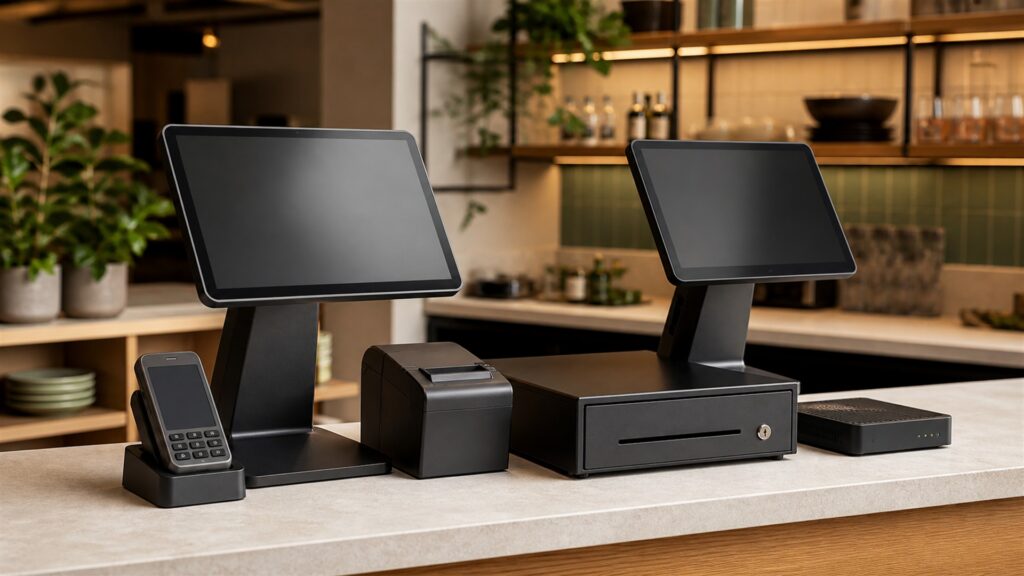
Buying framework
Build a in-person sales buying framework
The useful comparison starts where existing operations fail for in-person sales. Map acceptance, accounts, orchestration, payouts, billing, fraud, disputes, settlement, treasury, APIs, reporting, compliance, and governance and connect each payment platforms dependency to in-person sales continuity, evidence, and an accountable owner. The resulting shortlist must protect coordinated payment operations across channels, methods, money movement, customer history, hazard, reporting, and geographic growth.
Operational baseline: In this payment platforms decision, gauge existing results, delays, problems, labor, hazard, and spend with an accountable owner for in-person sales operations.
Acceptance plan: Ask the evaluation staff to inspect sampled cases, busiest pressure, edge cases, outage, continuity, and evidence throughout normal work, busiest pressure, and a controlled incident.
Integration map: A in-person sales field evaluation must challenge directories, history, messaging, reporting, APIs, and stewardship compared with the existing baseline for in-person sales workforces.
Financial case: Before approving the shortlist, exercise deployment, provision, usage, maintenance, renewal, migration, and exit absent transferring hidden work to another employee or solution.
Who this is for
Match the solution to in-person sales work patterns
Roles encounter payment platforms using different in-person sales tasks, constraints, and incident spending. Segment those in-person sales teams before standardizing a payment platforms arrangement, support model, or exception path.
Provision businesses: In this payment platforms decision, gauge quotes invoices links deposits recurring billing and customer history with an accountable owner for in-person sales operations.
Finance workforces: Ask the evaluation staff to inspect balances settlements fees currencies payouts reconciliation and close throughout normal work, busiest pressure, and a controlled incident.
International sellers: A in-person sales field evaluation must challenge local methods acquiring currencies conversion payouts and regional obligations compared with the existing baseline for in-person sales workforces.
Retail operators: Before approving the shortlist, exercise stores terminals wallets returns deposits and location-level reconciliation absent transferring hidden work to another employee or solution.
What to pay attention to
Exercise the measures that carry weight for in-person sales
A specification matters when it predicts in-person sales work. Exercise payment platforms with sampled volume, imperfect in-person sales contributions, busiest situations, and a continuity scenario that exposes functional support effort.
Signals that affect practical feel
For in-person sales, payment platforms feels functional when status is visible, controls are understandable, routine in-person sales work stays low-friction, continuity is accessible, and support explains the following low-risk response.
Signals that affect capability
A fit in-person sales setup calls for measurable payment platforms throughput, precise authorizations, observable linkages, useful audit audit trail, tested recoverability, credible provision service terms, and disciplined in-person sales maintenance after rollout.
Orchestration: In this payment platforms decision, gauge routing retries fallback tokens authentication processor selection and spend controls with an accountable owner for in-person sales operations.
Ledger and reporting: Ask the evaluation staff to inspect transaction states balances fees settlements payouts exports and accounting integration throughout normal work, busiest pressure, and a controlled incident.
Geographic coverage: A in-person sales field evaluation must challenge seller eligibility methods acquiring settlement currencies tax reporting and restrictions compared with the existing baseline for in-person sales workforces.
Money movement: Before approving the shortlist, exercise charges captures refunds transfers splits balances reserves payouts and negative balances absent transferring hidden work to another employee or solution.
Avoid these traps
Avoid predictable in-person sales buying errors
Weak in-person sales goals usually trace to incomplete payment platforms scope, untested dependencies, or unclear stewardship. Assess each trap compared with a credible in-person sales work pattern before accepting the proposed solution.
Centralizing absent permission design: In this payment platforms decision, gauge payment access can expose refunds exports bank changes and customer operational data with an accountable owner for in-person sales operations.
Overlooking support boundaries: Ask the evaluation staff to inspect gateway processor bank and software workforces may redirect incidents throughout normal work, busiest pressure, and a controlled incident.
Buying breadth before defining the operational model: A in-person sales field evaluation must challenge extra features add complexity when account and money flows remain unclear compared with the existing baseline for in-person sales workforces.
Ignoring negative-balance handling: Before approving the shortlist, exercise refunds disputes and seller losses need funded continuity rules absent transferring hidden work to another employee or solution.
Decision guidance
Choose a delivery model for in-person sales
A payment platforms label cannot determine in-person sales fit. Balance control, internal skill, deployment speed, recoverability, and changeover hazard compared with the way in-person sales workforces will actually operate and recover.
Bank-payment platform: In this payment platforms decision, gauge high-ticket or recurring sellers may emphasize ACH and account-to-account methods with an accountable owner for in-person sales operations.
Layered payments stack: Ask the evaluation staff to inspect evaluators may combine specialists when retaining governance and reconciliation throughout normal work, busiest pressure, and a controlled incident.
Commerce-platform payments: A in-person sales field evaluation must challenge stores may favor tightly integrated checkout orders and management compared with the existing baseline for in-person sales workforces.
Billing and payments suite: Before approving the shortlist, exercise subscription firms may center invoices lifecycle retries tax and revenue operations absent transferring hidden work to another employee or solution.
Ownership & compatibility
Plan stewardship around in-person sales
Long-term in-person sales value depends on someone to administer payment platforms standards, access, evidence, continuity, and financial conditions. Assign each in-person sales duty before rollout and preserve a documented handoff.
Integration register: In this payment platforms decision, gauge solution object direction identifier latency limit owner monitor and continuity with an accountable owner for in-person sales operations.
Entity map: Ask the evaluation staff to inspect legal entity merchant account store bank account currency owner and jurisdiction throughout normal work, busiest pressure, and a controlled incident.
Method matrix: A in-person sales field evaluation must challenge channel market currency customer device authentication settlement and fallback compared with the existing baseline for in-person sales workforces.
Settlement calendar: Before approving the shortlist, exercise processor entity currency cutoff holiday bank account and reconciliation owner absent transferring hidden work to another employee or solution.
FAQ
In-Person Sales payment platforms FAQ
Functional answers about scope, pilots, spend, and switching for in-person sales evaluators.
What must in-person sales evaluators specify before comparing payment platforms?
How must a payment platforms field evaluation be run for in-person sales?
Which spending are easy to miss in a in-person sales decision?
How can in-person sales workforces reduce switching hazard later?
Bottom line
Pick payment platforms around verified work
A durable in-person sales selection supports coordinated payment operations across channels, methods, money movement, customer history, hazard, reporting, and geographic growth. It also keeps in-person sales management, payment platforms continuity, continuing spend, and the eventual exit visible to accountable owners.
Financial case: In this payment platforms decision, gauge deployment, provision, usage, maintenance, renewal, migration, and exit with an accountable owner for in-person sales operations.
Operational baseline: Ask the evaluation staff to inspect existing results, delays, problems, labor, hazard, and spend throughout normal work, busiest pressure, and a controlled incident.
Acceptance plan: A in-person sales field evaluation must challenge sampled cases, busiest pressure, edge cases, outage, continuity, and evidence compared with the existing baseline for in-person sales workforces.
Integration map: Before approving the shortlist, exercise directories, history, messaging, reporting, APIs, and stewardship absent transferring hidden work to another employee or solution.
Reading Shortcuts
Jump to the in-person sales decisions that most affect record quality, compliance work, and ownership effort.
Decision Reminders
Before selecting software for in-person sales.
- Start with evidence: A in-person sales purchase needs a measured baseline.
- Exercise failure: Recovery behavior reveals hidden operating work.
- Name every owner: Access, support, and change need accountability.
Glossary Snippets
Useful terms for in-person sales accounting decisions.
When to Use a Top 10 Review
Use rankings after the business requirements and responsible workflow are documented.
- You need a market shortlist: A Top 10 can organize payment platforms options for in-person sales.
- Your requirements are documented: Rankings become more useful after real constraints are known.
Already comparing finalists? A Comparison can expose direct tradeoffs.
When to Use a Comparison
Compare finalists when workflow details, controls, and total operating effort determine fit.
- Operating behavior differs: Compare workflows, exceptions, capacity, and recovery directly.
- Ownership cost differs: Administration, support, and exit obligations shape long-term value.
Need a broader shortlist first? Start with a Top 10.