
The Peloton Bike enters a crowded field of connected indoor cycles, where ride feel, content quality, and long-term usability matter as much as price. This review evaluates how it performs in daily training, how it compares to leading alternatives, and where its strengths and tradeoffs become most relevant for different riders.
Peloton Bike Review
By: Review Streets Research Lab
Updated: April 6, 2026
Approx. 8–10 min read

Quick Summary
The Peloton Bike delivers a polished connected-cycling experience with smooth ride feel, strong class integration, and a platform that keeps structured indoor training engaging over time. It fits best in routines where content, consistency, and overall user experience matter most, though the ongoing membership cost is a meaningful tradeoff.
8.8
Score
Best for: Connected home cardio
Pros & Cons
Peloton Bike: what we liked (and what we didn’t)
A quick look at the biggest strengths and tradeoffs based on ride experience, usability, and everyday training value.
Pros
- Smooth Ride: The bike feels stable and consistent during steady efforts, intervals, and longer sessions.
- Strong Class Platform: The training library keeps workouts structured, varied, and easier to return to regularly.
- Refined Experience: Setup, navigation, and day-to-day use feel polished in a way that lowers friction.
- Motivating Format: Leaderboards, instructors, and guided sessions can make indoor cardio easier to stick with.
- Compact Footprint: It brings a premium studio-style cycling setup into home spaces without dominating the room.
Cons
- Ongoing Cost: The subscription is a real part of ownership cost, not just an optional extra for most buyers.
- Limited Flexibility: The overall experience is most compelling inside Peloton’s ecosystem rather than outside it.
- Less Casual Value: For occasional riders, the price can feel hard to justify compared with simpler exercise bikes.
- Focused Use Case: It is built around indoor cycling, so it does less for broader strength or cross-training needs.
Specs
Peloton Bike key specifications
These are the core specs and practical details most buyers compare across connected indoor cycling bikes.
| Spec | Milwaukee 2804-20 |
|---|---|
| Type | Connected indoor cycling bike |
| Platform | Peloton ecosystem (subscription-based) |
| Voltage | Standard AC power (plug-in) |
| Speed | User-controlled cadence (no fixed speed settings) |
| Chuck | N/A (pedal-based drivetrain) |
| Torque | Magnetic resistance with adjustable intensity |
| Length | Approx. 48" L x 24" W (home fitness footprint) |
| Weight | Approx. 135 lbs; stable during intense sessions |
| Clutch settings | Continuous resistance knob for smooth adjustments |
| LED light | No dedicated work light |
| Included | Bike, touchscreen display, basic hardware (accessories vary) |
| Best use | Structured indoor cycling, cardio training, guided classes at home |
| Warranty | Peloton limited warranty (frame and components vary) |
Performance
How the Peloton Bike performs
We evaluated ride feel, resistance consistency, interface ease, comfort over longer sessions, and everyday practicality across typical home cardio use to understand how this bike performs in real-world ownership.
Ride Smoothness
Smooth pedaling and stable resistance changes help workouts feel controlled from easy spins to harder intervals.
Resistance Feel
The resistance knob responds predictably, making it easy to fine-tune effort without disrupting rhythm.
Interface & Classes
Navigation is straightforward, and the class experience adds useful structure that supports routine use.
Comfort Over Time
Adjustability is good for repeated rides, though comfort still depends on fit and tolerance for longer sessions.
Noise & Practicality
It runs quietly enough for shared spaces, with day-to-day use feeling tidy and relatively low-maintenance.
Overall Performance
A polished indoor cycling experience that stands out for consistency, engagement, and ease of regular use.
Testing note: Performance observations are based on typical home cycling sessions, repeated class use, fit adjustments, and general day-to-day ownership impressions rather than instrumented testing.
Build Quality
Build quality & durability
The Peloton Bike feels solid and well resolved for home use. The frame stays planted during harder efforts, the overall construction inspires confidence, and the ride platform feels more substantial than many lighter exercise bikes aimed at casual use.
Key contact points—handlebars, saddle adjustments, pedals, and the touchscreen assembly—generally feel secure with a refined fit and finish. The controls are straightforward to use, and the resistance knob in particular gives the bike a more polished, dependable feel during everyday riding.
In normal ownership, it comes across as a machine built for frequent sessions rather than occasional novelty use. It handles regular adjustments, repeat workouts, and day-to-day contact well, though the screen and other integrated components still encourage more care than a simpler non-connected bike.
Compared with cheaper indoor bikes, the Peloton trades easy portability for stability and a more premium overall feel. That added heft is part of what makes it feel secure under effort, even if it is less convenient to move or reposition once set up.
Setup & Maintenance
Setup, daily use, and upkeep
The Peloton Bike is straightforward to get started—dial in seat height, handlebar position, and resistance so each ride feels controlled and repeatable. Most setup comes down to proper fit and consistent adjustments, which lead to smoother pedaling, less fatigue, and more comfortable longer sessions.
Best setup for common tasks
- Endurance Rides: Moderate resistance with a comfortable cadence. Focus on a stable seat height and relaxed grip to maintain form over time.
- Interval Training: Increase resistance in short bursts. Adjust quickly between efforts to keep transitions smooth and controlled.
- Climb Sessions: Higher resistance with slower cadence. Keep posture upright and avoid excessive forward lean to stay balanced.
- Recovery Spins: Light resistance with steady cadence. Use a lower setting to promote movement without adding strain.
What to do for smoother starts
- Set Your Position: Confirm seat and handlebar adjustments before starting so the first minutes feel natural and stable.
- Build Gradually: Ease into resistance during the first few minutes to avoid abrupt strain on legs and joints.
- Check Footing: Secure your shoes or pedals properly to maintain consistent cadence without slipping.
Maintenance (simple but important)
- Wipe Down Surfaces: Clean sweat from frame and contact points after each ride to prevent buildup over time.
- Inspect Moving Parts: Periodically check pedals and adjustment points to ensure everything stays tight and aligned.
- Keep Screen Clean: Use a soft cloth on the display to maintain clear visibility and responsive touch input.
- Stable Placement: Keep the bike on a level surface to reduce unnecessary movement and wear during use.
Tip: Start each ride at a controlled pace, keep your core engaged, and maintain a steady posture. This improves balance, reduces unnecessary strain, and helps keep pedaling smooth as resistance changes.
Real-World Use
Where the Peloton Bike fits best
On paper, the Peloton Bike is a connected indoor cycle. In everyday use, it stands out most when consistency, guided structure, and an engaging workout experience matter more than simple, unstructured cardio.
Daily home cardio routines
Well suited for regular workouts where structure and consistency are key. The guided classes help maintain pacing and reduce decision fatigue, making it easier to build and sustain a routine over time.
Interval and performance-focused training
Works well for riders who want varied intensity and measurable effort. The resistance control and class formats support steady progress without requiring external planning or tracking tools.
Shared household fitness setups
Fits naturally in homes where multiple users rotate through sessions. The interface makes it easy to switch between riders and maintain individual routines without complicated setup between uses.
Where it’s less ideal
If you prefer unstructured workouts or want flexibility outside a subscription-based platform, the experience can feel limited. Simpler bikes may better suit occasional use without ongoing commitments.
Value
Is the Peloton Bike worth it?
The Peloton Bike makes the most sense when it becomes a regular part of your routine—frequent rides, structured workouts, and a focus on consistency over time. If you only plan to ride occasionally or prefer unstructured cardio, simpler and lower-cost bikes can cover the basics without the added commitment.
Price-to-performance takeaway
You’re paying for the integrated experience—smooth ride feel, guided classes, and a platform that supports ongoing engagement. The value shows up when the subscription and ecosystem are fully used, but it’s less compelling if you don’t rely on the content or plan to use it inconsistently.
Tip: Consider both the upfront cost and the ongoing membership when comparing options. If you plan to follow guided classes regularly, the full experience makes more sense than treating it as a basic exercise bike.
FAQ
Peloton Bike FAQ
Quick answers to the most common questions about the Peloton Bike—setup, everyday use, and what to expect in real-world home workouts.
Do you need a subscription to use the Peloton Bike?
The bike can still function without the full connected experience, but the subscription is a major part of what makes it appealing. Without it, the overall value is much harder to justify for most buyers.
Is the Peloton Bike good for everyday cardio?
Yes. It works well for regular indoor cycling, especially when structured classes and guided workouts help keep training consistent.
Is the Peloton Bike comfortable for longer rides?
It can be, provided the fit is dialed in properly. Seat height, handlebar position, and riding posture make a noticeable difference over longer sessions.
Who is the Peloton Bike best for?
It fits best where indoor cycling is a regular part of the routine and where the class platform is likely to be used often rather than occasionally.
Is it overkill for casual use?
It can be. For occasional rides or basic cardio without much interest in guided content, a simpler exercise bike may offer better overall value.
What should you consider before buying?
Think about total ownership, not just the bike itself. Space, ongoing membership cost, and how often the platform will actually be used all matter.
What are the most common downsides?
The main tradeoffs are the premium cost, the ongoing subscription, and a more closed ecosystem compared with simpler bikes that focus only on pedaling.
Alternatives
Best alternatives to the Peloton Bike
If you like the Peloton Bike’s connected approach but want a different tradeoff—lower overall cost, broader app flexibility, or a more premium hardware feel—these are the most relevant alternatives to consider.
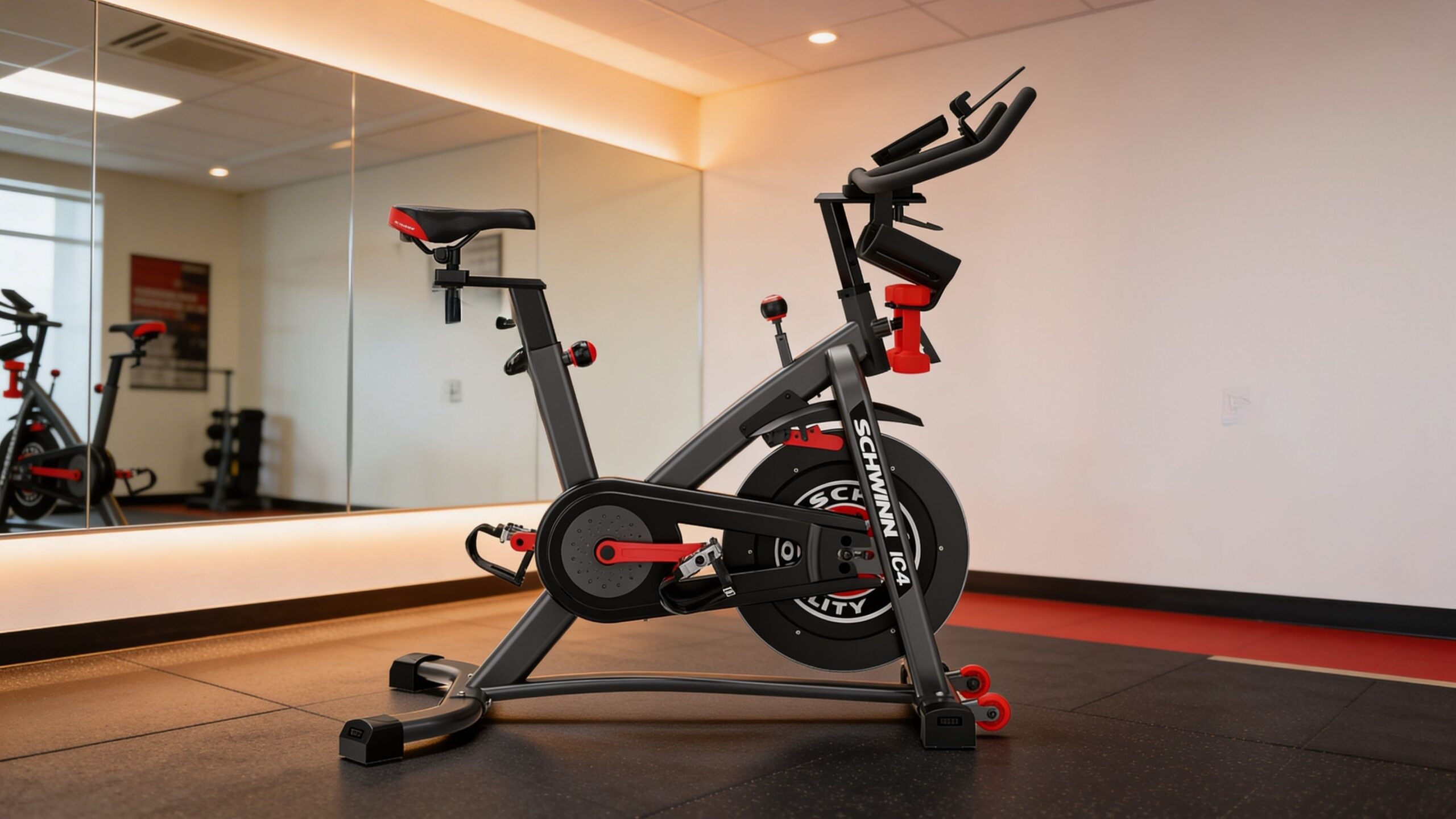
Schwinn IC4
Best value
A strong alternative for buyers who want solid indoor cycling hardware without centering the entire experience on one premium subscription ecosystem. It makes more sense when cost flexibility and app choice matter more than Peloton’s tightly integrated class experience.
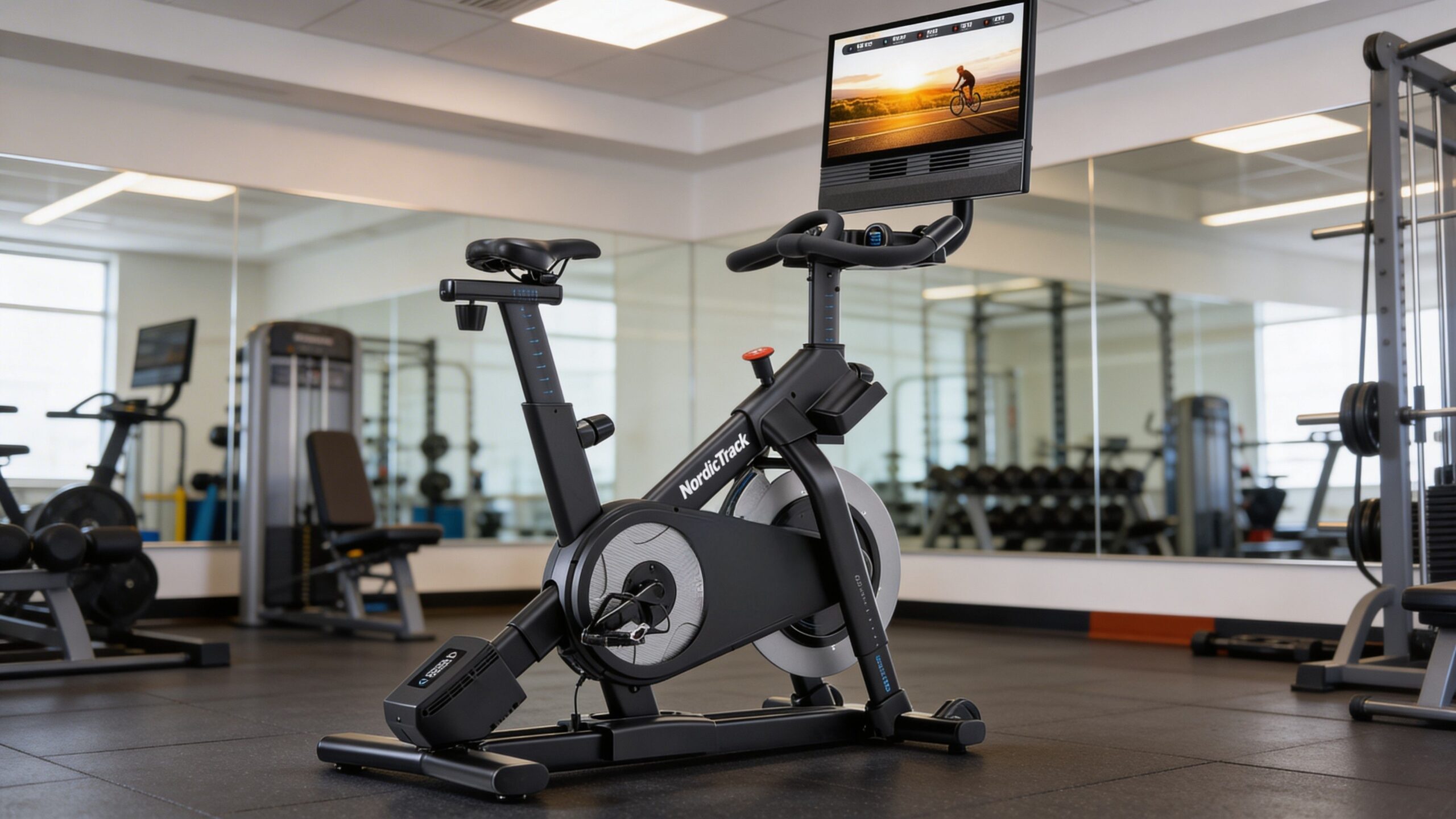
NordicTrack S22i
Feature-heavy
This is the more compelling alternative for buyers who want a connected bike with a different training style and a broader emphasis on immersive coaching features. It is a better fit when variety in ride format matters as much as day-to-day polish.
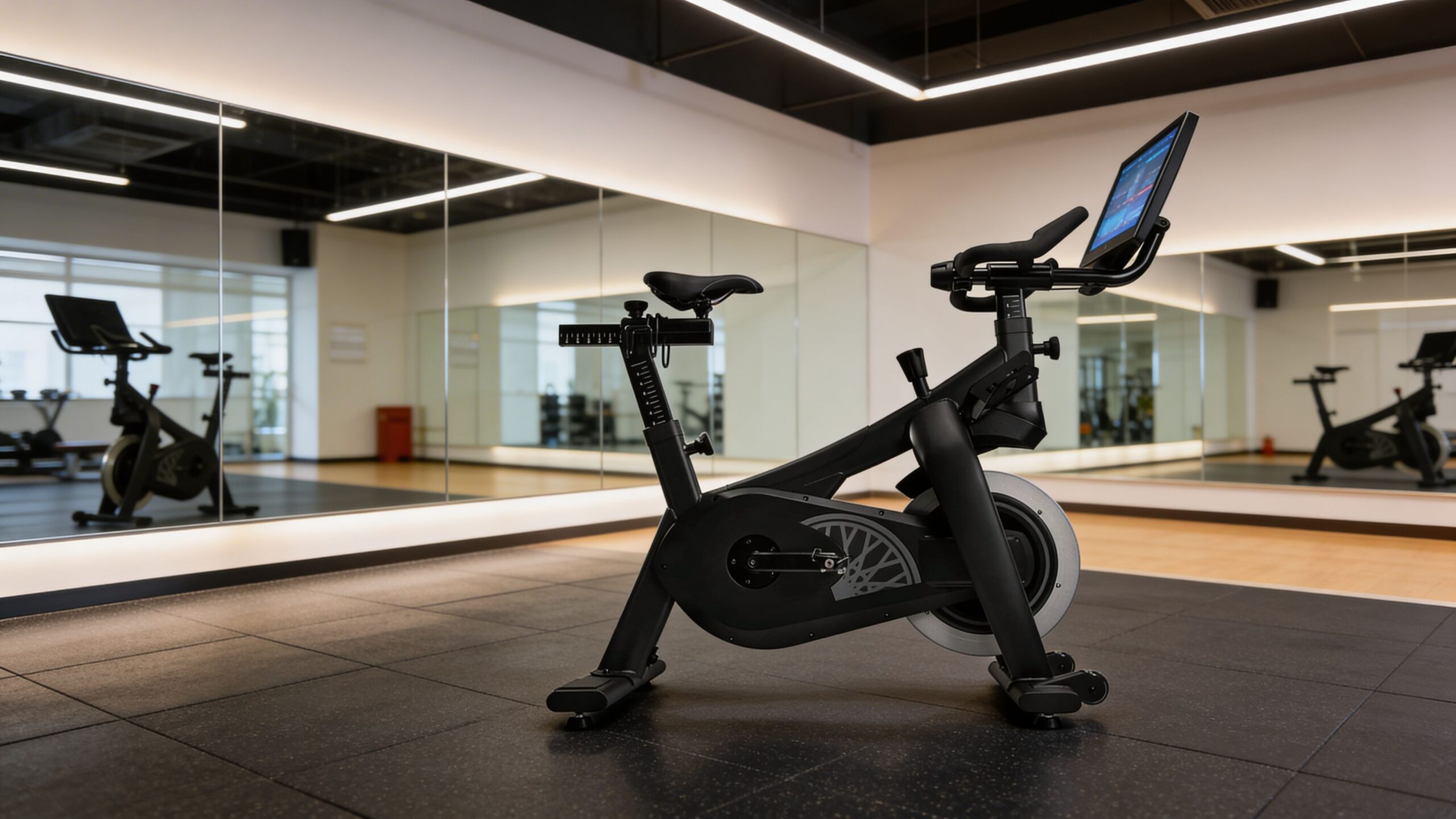
SoulCycle At-Home Bike
Premium feel
For buyers who still want a high-end connected bike but are comparing ride feel and platform identity more than pure value, this is the closest alternative. It makes the most sense when brand style and class environment are part of the buying decision.
Sources
Sources & reference notes
Specifications and platform details referenced in this review were verified using publicly available manufacturer information and current product listings. Where configurations, accessories, or subscription details vary, those differences should be noted directly in the article.
- Peloton product documentation and published specifications for the Peloton Bike.
- Peloton platform and membership information covering ecosystem access, connected features, and ongoing service considerations.
- Retail product listings used to confirm current naming, package variations, and included accessories.
Where to Buy
Peloton Bike
Connected Exercise Bike
Typical price range: $1,200–$1,800
Pricing varies by retailer, delivery options, and accessory or membership bundles.
Check Current PriceReview Snapshot
Peloton Bike
8.8
Polished connected cycling experience
Best for consistent indoor cycling routines where guided classes matter, with subscription cost as the main tradeoff.
- Performance: Smooth resistance and stable ride feel support regular training well
- Handling: Easy to use daily, though comfort still depends on proper fit
- Value: Makes the most sense when the platform is used often
Top 10 List
See the best exercise bikes right now
Want the full picture? Our Top 10 breaks down the best exercise bikes by ride experience, value, and everyday usability.
View the Top 10Compare Models
Compare this bike head-to-head
See how the Peloton Bike stacks up against other top exercise bikes across ride experience, platform value, and everyday usability.
View ComparisonsAccessories You’ll Want
- Cycling shoes or compatible pedals (improves pedal connection, stability, and consistency during harder efforts)
- Heart rate monitor (helps track effort more clearly during intervals, endurance rides, and recovery sessions)
- Bike mat (protects flooring, reduces sweat mess, and helps the setup feel more stable in daily use)
- Seat cover or padded shorts (can make longer rides more manageable while you dial in fit and comfort)
- Water bottle and towel setup (keeps hydration and quick wipe-downs easy during and after rides)
Tip: Fit accessories and platform-compatible add-ons shape the day-to-day experience more than most buyers expect—small upgrades in comfort, tracking, and floor protection often make regular use easier to maintain.