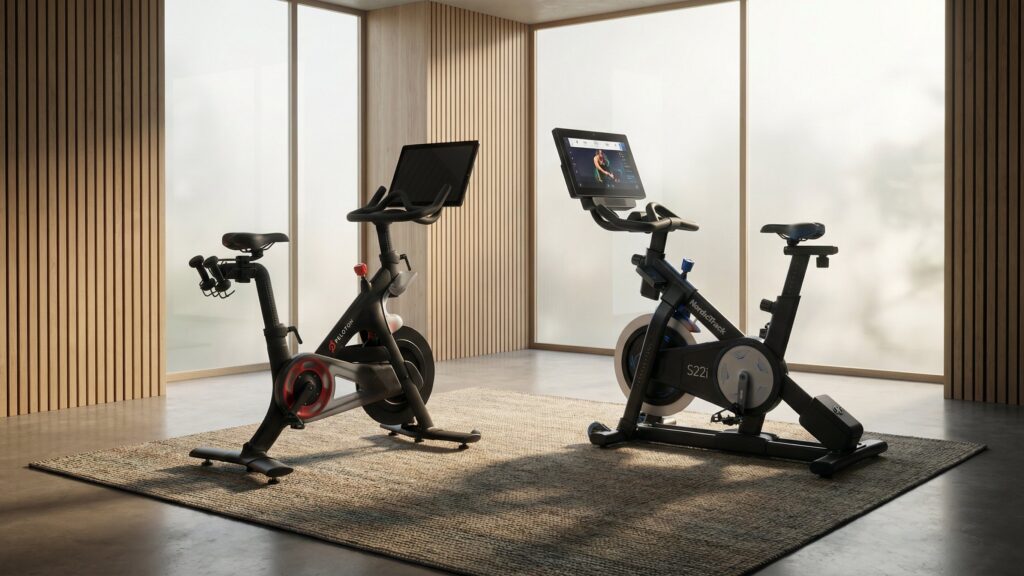
Peloton vs NordicTrack

Peloton vs NordicTrack presents a focused head-to-head comparison of features, training experience, pricing, and versatility, highlighting real-world performance differences to help you choose the right fit for your goals.

By: Review Streets Research Lab
Updated: March 20, 2026
Approx. 10–12 min read

Head-to-head

Peloton vs NordicTrack: Which Is Better for Home Cardio Buyers?

A clean A/B view of what matters in real home use: training experience, content ecosystem, machine variety, comfort over longer sessions, membership tradeoffs, and the practical cost of buying into each platform.
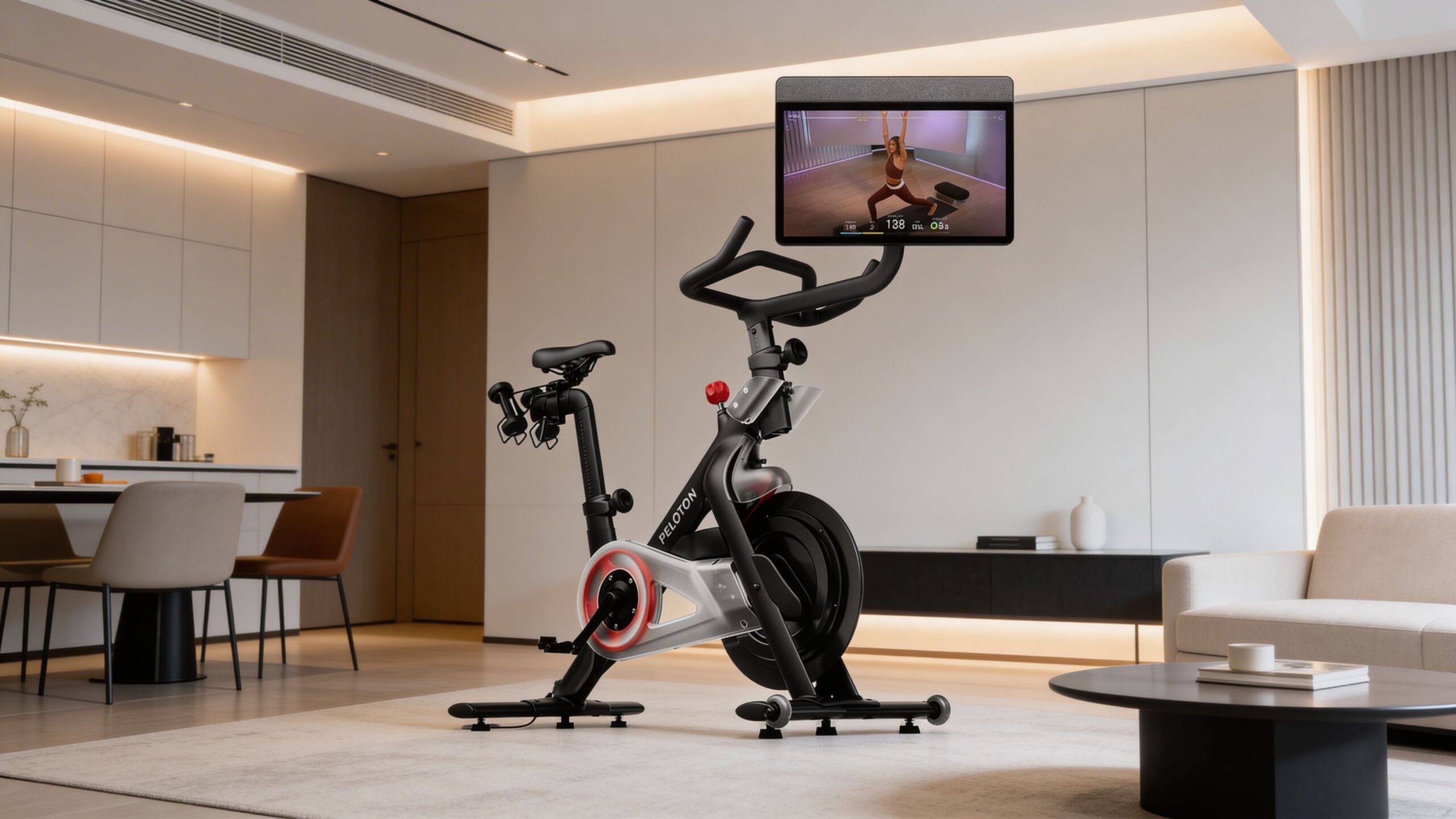
Peloton

Peloton

A polished, class-first platform that feels most at home with riders and runners who want strong coaching, a premium interface, and a highly streamlined training routine with minimal friction.

Score 9.0 Best for studio-style motivation Battery plug-in cardio platform Why buy class quality + user experience
  • Feels more refined if you want instructor-led workouts that are easy to start and stick with
  • Strong pick for users who value coaching energy, leaderboard culture, and a clean interface
  • Usually makes the most sense when the bike or tread experience is the center of your routine
VS
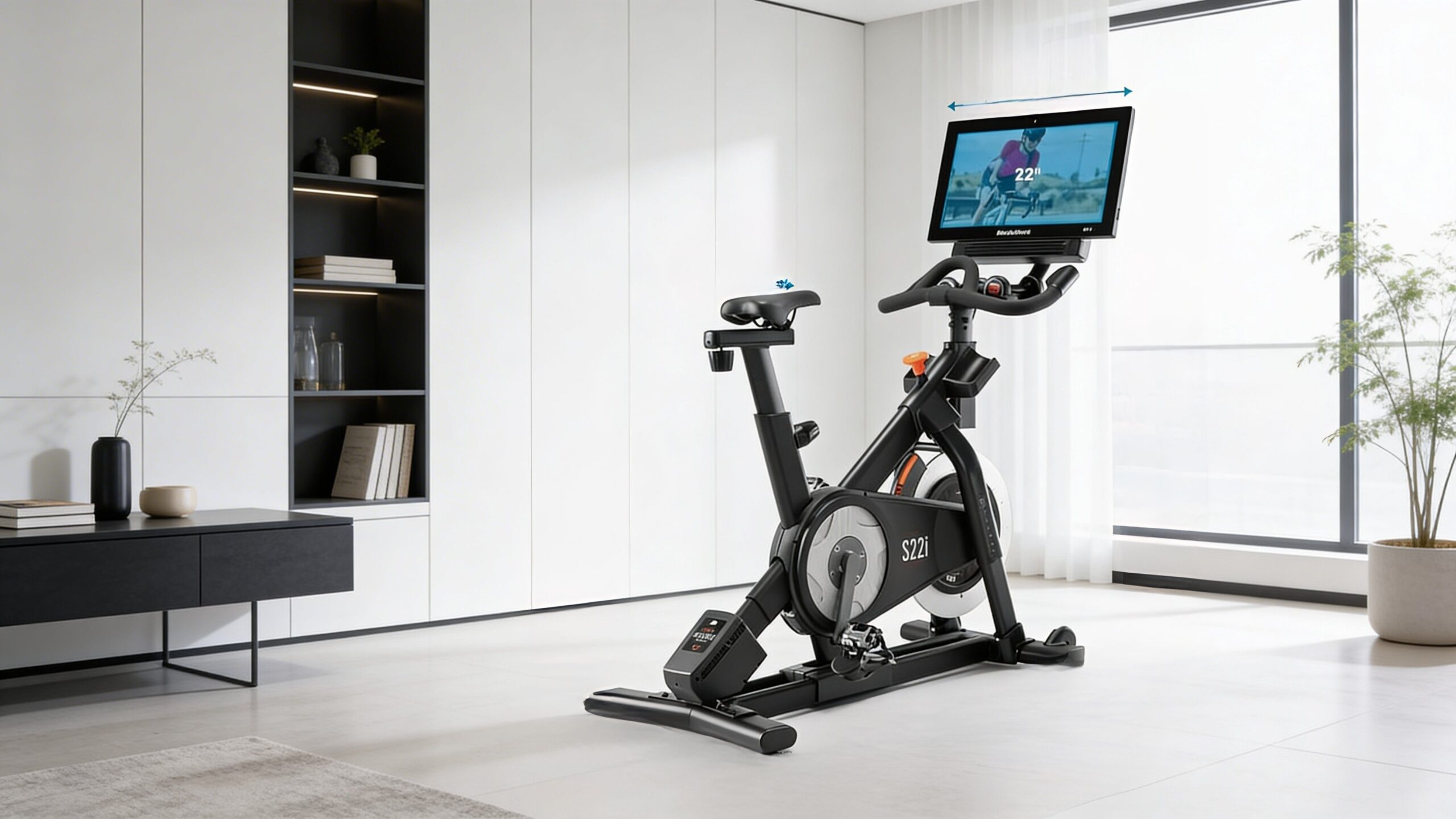
NordicTrack

NordicTrack

A broader home-cardio platform that stands out when you want more equipment variety, immersive iFIT routes, and features like incline or decline that can make training feel more terrain-based and flexible.

Score 8.8 Best for feature-focused variety Battery plug-in cardio platform Why buy machine range + iFIT depth
  • More appealing if you want treadmills, bikes, and other cardio formats under one connected ecosystem
  • Often stronger on incline-focused training and immersive route-based sessions
  • Smart choice for buyers who care as much about equipment options as coaching style
Training experience
More polished and studio-like
Immersive and terrain-driven
Peloton
Machine variety
More focused lineup
Broader cardio selection
NordicTrack
Ergonomics (feel + fatigue)
Smooth, intuitive daily use
Varies more by model
Peloton
Value (typical ownership tradeoff)
Premium experience, premium buy-in
More feature range for the category
NordicTrack
Content ecosystem depth
Excellent class-led engagement
Strong iFIT breadth and automation
Peloton
Real-world context
This comparison reflects a synthesis of manufacturer information, current platform features, long-term user feedback, and practical home-use patterns to show where each brand tends to fit best in everyday training.

Peloton — Why people choose it

  • Highly polished coaching experience that makes structured cardio easier to follow consistently
  • Strong community appeal for riders and runners who respond to instructor energy and accountability
  • Premium hardware-and-software feel that reduces setup friction and keeps the routine simple

NordicTrack — Why people choose it

  • Wider equipment catalog for buyers comparing treadmills, bikes, rowers, and other connected cardio options
  • iFIT-guided training can feel more exploratory with automatic adjustments and route-based workouts
  • Feature-rich models can be especially attractive for incline-heavy training and mixed cardio routines
Verdict: Choose Peloton if you want the better overall coaching experience, a cleaner day-to-day interface, and a premium platform built around consistent bike or tread use. Choose NordicTrack if you want broader machine variety, more terrain-style training options, and a feature set that can make more sense for buyers comparing multiple cardio formats rather than one signature experience.
Read FAQs

Deep dive

What actually matters in this matchup

On paper, both platforms promise connected, premium-feeling home cardio, but the meaningful differences show up in how the workouts feel over time. This comparison focuses on training flow, coaching style, machine flexibility, comfort during repeated sessions, and how each ecosystem fits into a routine once the novelty wears off.

For structured training: what matters most is how easy it feels to start a workout, stay engaged, and repeat the experience consistently, which is where interface polish and coaching style tend to have more impact than feature lists.

For long-term ownership: the real decision often comes down to whether you want a more focused, streamlined platform or a broader system with more equipment paths and workout variety as your setup evolves.

For day-to-day usability: comfort, workout flow, and how naturally the machine fits your available space and habits usually matter more than isolated specifications, especially when the goal is building a routine that feels sustainable.

Methodology

How we evaluated these home cardio platforms

Our evaluation focused on real-world use that highlights meaningful differences between connected fitness platforms, not spec-sheet claims. Each system was assessed in practical training scenarios to reflect how these machines perform during everyday workouts and long-term ownership.

Tasks: structured workout sessions, interval training, longer endurance rides or runs, incline-based workouts, and repeated daily use to evaluate comfort, engagement, and consistency over time.

What we scored: training experience, content quality, interface usability, machine stability and comfort, feature execution, and the overall value of each platform’s ecosystem and membership model.

How results are interpreted: performance is evaluated in the context of real users, recognizing that the importance of coaching style, machine features, flexibility, and long-term value can shift depending on individual fitness goals and routines.

What we ignored: marketing-driven metrics, isolated feature claims, and specifications that do not consistently translate into a better day-to-day workout experience.

FAQ

Peloton vs NordicTrack: Common questions

Which is better for beginners starting a home workout routine?
Both can work well, but Peloton often feels easier to start with due to its guided classes and streamlined interface. NordicTrack can also be beginner-friendly, though its broader feature set may take more time to learn depending on the machine.
Do you need a subscription for Peloton or NordicTrack?
Yes, both platforms rely on subscriptions to access their full training libraries and features. Without a membership, functionality is limited, so ongoing costs are an important part of ownership for either option.
Which platform offers more workout variety?
NordicTrack typically offers more variety through its wider range of equipment and iFIT training formats. Peloton focuses more on structured classes across fewer machine types, which may feel more consistent but less varied depending on your routine.
Is the workout experience very different between the two?
Yes, the experience can feel noticeably different. Peloton emphasizes instructor-led classes and community engagement, while NordicTrack leans more toward guided workouts and immersive, route-based training.
Which is better for long-term use?
It depends on your training style. Peloton often suits users who prefer consistent, class-driven routines, while NordicTrack may appeal more to those who want flexibility across multiple machines and workout types over time.

Key Takeaways

  • Peloton emphasizes a more structured, class-driven experience, which can make it easier to stay consistent if you prefer guided workouts over self-directed training.
  • NordicTrack offers broader equipment and workout variety, making it more adaptable for users who want multiple cardio formats within one ecosystem.
  • The choice often comes down to training style—Peloton leans toward coaching and community, while NordicTrack focuses more on immersive, terrain-based sessions.
  • Ownership costs are ongoing for both platforms, so long-term value depends on how often you use the content and how well it fits your routine.
  • Peloton tends to feel more streamlined day-to-day, while NordicTrack may require more setup familiarity but offers greater flexibility over time.
  • For many buyers, the better option is the one that aligns with how they actually plan to train, not just the features available on the machine.

Verdict

The Best Home Cardio Platform for Most Buyers

In this head-to-head, the better choice comes down to how you prefer to train day-to-day—whether you value a more structured, class-led experience or a broader, feature-driven platform with more equipment flexibility.

#1 Winner

Peloton

Best overall for a refined, consistent workout experience centered around high-quality coaching and ease of use.

  • More cohesive and engaging class-driven training environment
  • Smoother day-to-day usability with less setup friction
  • Stronger fit for routines focused on consistency and structure

Runner-up

Jump to the Head-to-Head

Tip: The better long-term choice is usually the platform that matches how you prefer to train, not the one with the most features.

Where to Buy

We prioritize reputable sellers, easy returns, and reliable availability.

Price checks happen regularly. Some links may earn a commission—never affects rankings.

Accessories You’ll Want

  • Heart rate monitor (useful for more structured training, effort tracking, and staying in the right intensity zone)
  • Supportive workout mat (helps protect floors, reduce vibration, and make the setup feel more stable)
  • Comfortable cycling shoes or training shoes (the right footwear can improve comfort, efficiency, and overall workout feel)
  • Fan and towel setup (simple upgrades that make longer sessions more manageable and easier to repeat consistently)
  • Cleaning spray and soft cloth (helps remove sweat buildup and supports better long-term upkeep of screens, handlebars, and frames)

Tip: Before buying accessories, check platform and machine compatibility—small details like shoe type, floor space, and maintenance needs can affect long-term ownership.